Loading Fruit Details...
Please wait while we fetch nutritional information and health benefits
Please wait while we fetch nutritional information and health benefits
Recommended Products
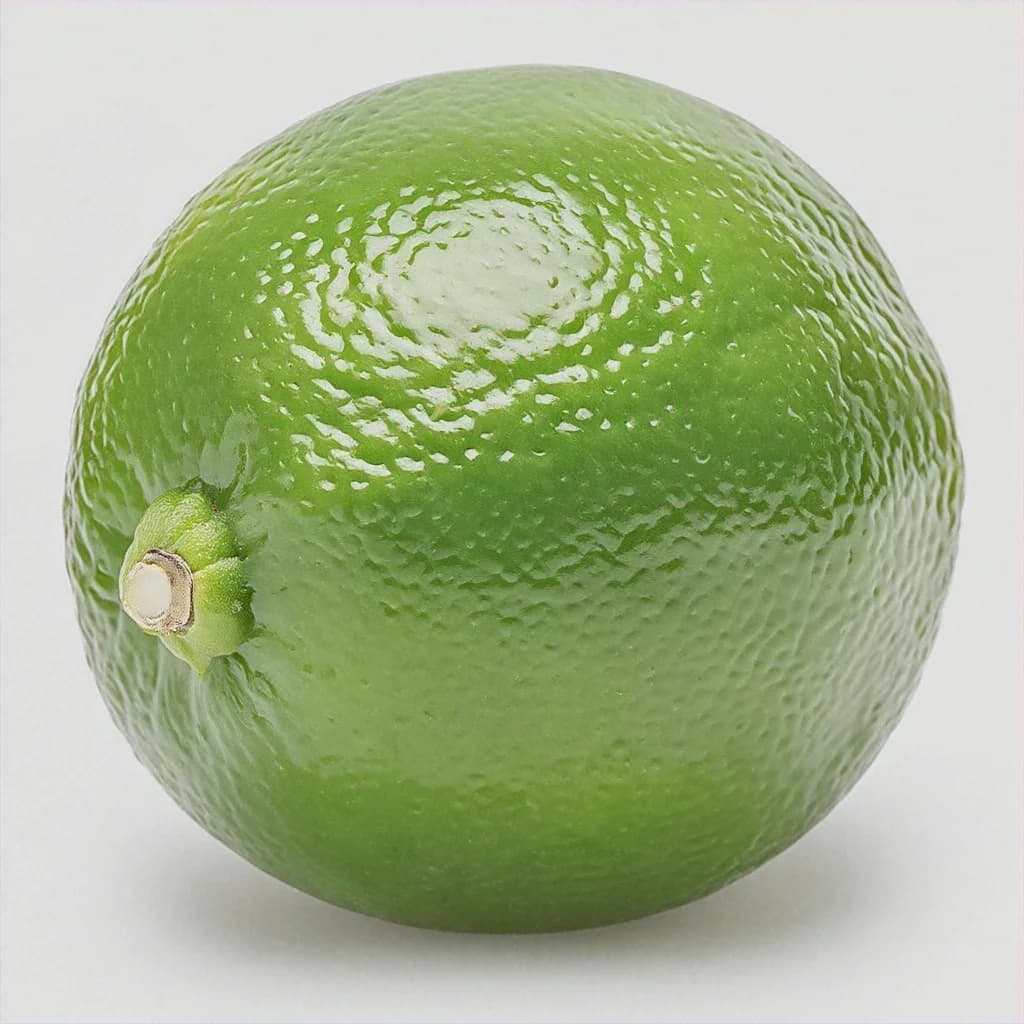
Citrus australis
The Round Lime, scientifically known as Citrus australis, is a unique and fascinating citrus fruit native to Australia. Unlike its more commonly known cousins—such as the Key lime or Persian lime—the Round Lime stands out with its distinctively round shape and vibrant green color. Its tart and tangy flavor profile makes it an excellent addition to culinary creations, while its rich nutritional composition offers a plethora of health benefits. The fruit is small to medium in size, with a thin, glossy rind and juicy, acidic pulp. Its aromatic zest and refreshing juice are prized in both traditional and modern cuisines, making it a versatile ingredient in beverages, desserts, and savory dishes. Beyond its culinary appeal, the Round Lime is celebrated for its high vitamin C content, antioxidant properties, and potential medicinal uses, making it a valuable addition to a balanced diet.
Explore Round Lime in stunning detail
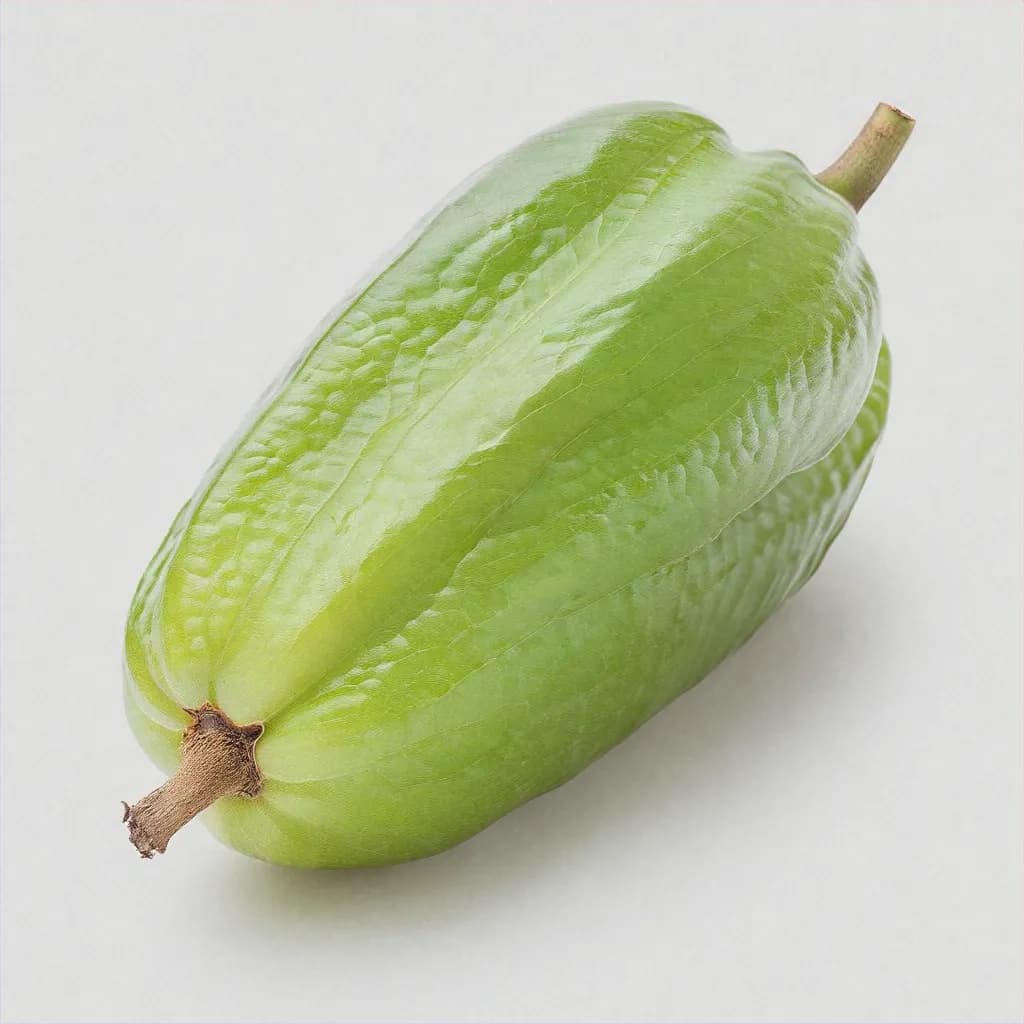
Round Lime - Main View
Per 100g
Per 100g
Nutrition breakdown for one serving
Australia
The Round Lime has been a staple in Australian cuisine for centuries, particularly among Indigenous communities. Its unique flavor and adaptability have made it a popular ingredient in modern culinary traditions as well.
Late spring to early summer
Each variety offers unique flavors, textures, and culinary applications
Keep your fruit fresh and delicious for longer
Select limes with a bright green color and smooth, glossy skin.
Avoid limes with soft spots, blemishes, or a shriveled appearance.
Choose limes that feel heavy for their size, indicating juiciness.
Store limes at room temperature for up to 1 week.
Refrigerate in a sealed bag for up to 4 weeks.
Avoid exposure to sunlight or excessive heat.
Preserve freshness for months
Freeze lime juice in ice cube trays for convenient use.
Store lime zest in an airtight container in the freezer for up to 6 months.
Label frozen items with the date to track freshness. Most fruits maintain quality for 2-3 months when properly frozen. For best results, use airtight containers or freezer bags to prevent freezer burn.
Discover delicious possibilities
Round Limes are not a common allergen, but individuals with citrus allergies should avoid them.
Choose organic Round Limes to minimize exposure to pesticides.
Surprising trivia you'll love!
Round Limes are often referred to as 'Australian bush limes' due to their native origins.
The tangy flavor of Round Limes makes them a popular ingredient in traditional Australian Indigenous cuisine.
Use a microplane or fine grater to gently remove the outer green layer of the lime, avoiding the bitter white pith.
Ripe Round Limes have a vibrant green color and a glossy, smooth skin. They should feel firm but slightly give when gently squeezed.
When stored properly in a sealed bag, Round Limes can last up to 4 weeks in the refrigerator.
Yes, Round Limes are excellent in baking. Their zest and juice can be used in cakes, cookies, and pie fillings for a citrusy flavor.
Round Limes are rich in vitamin C, antioxidants, and dietary fiber. They are low in calories and sugar, making them a healthy addition to your diet.
Yes, Round Limes have a low glycemic index and glycemic load, making them suitable for individuals managing blood sugar levels.
Yes, the acidity of Round Limes makes them effective for creating natural cleaning solutions, such as a lime-infused vinegar spray.
Sustainability insights
Round Limes are a sustainable fruit, as they are often grown in their native habitats with minimal environmental impact.
Low, especially when sourced locally.
Moderate, as citrus trees require regular watering but are relatively drought-tolerant.
Locally grown Round Limes are more sustainable and fresher than imported varieties.
We aim to keep this Round Lime profile accurate and easy to understand. Nutrition values and % Daily Value figures are based on established reference databases and standard daily value guidance.
Last updated: October 2, 2026
Medical disclaimer
This page is for general educational purposes and does not replace professional medical advice.
Found an issue? Contact us.