Loading Fruit Details...
Please wait while we fetch nutritional information and health benefits
Please wait while we fetch nutritional information and health benefits
Recommended Products
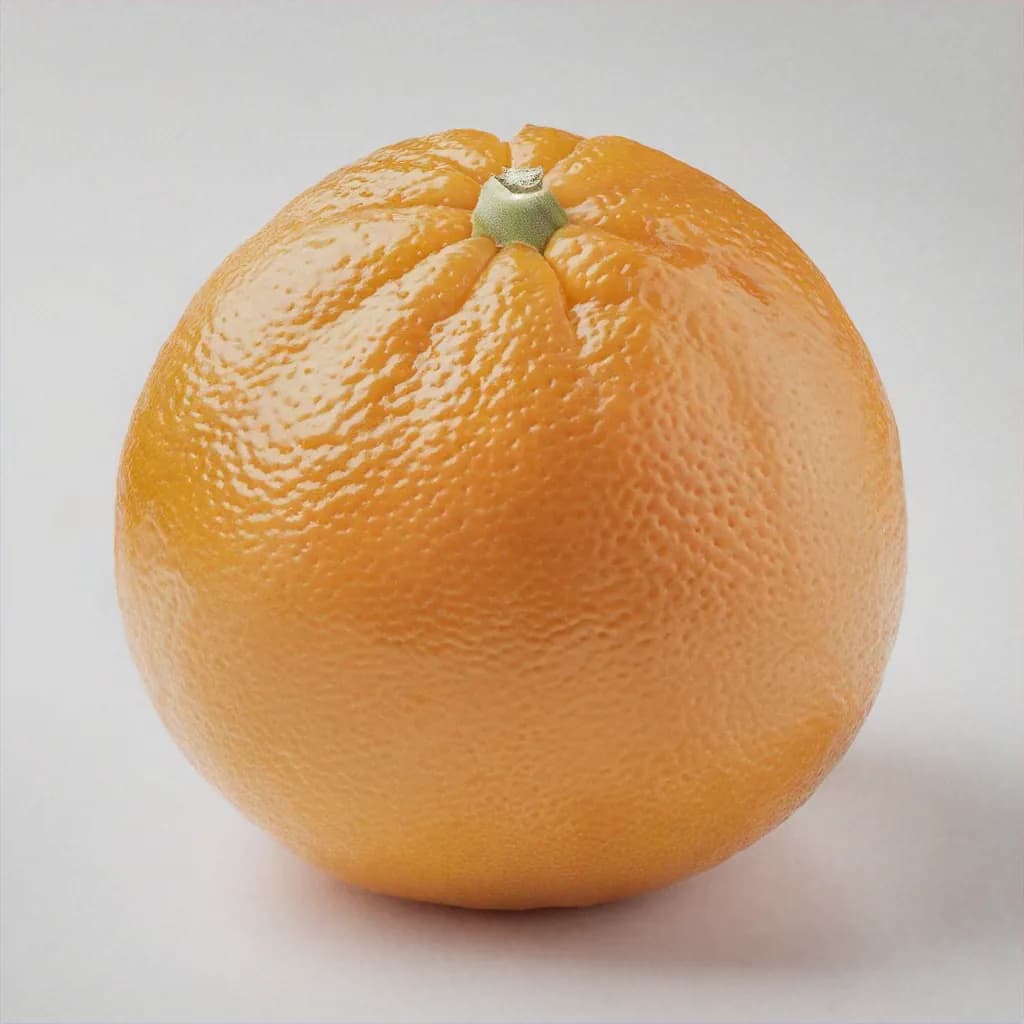
Citrus × tangelo
Tangelos are hybrid citrus fruits combining tangerine sweetness with grapefruit tartness. With a distinctive knobby top and thin orange skin, they're easy to peel and segment. Rich in vitamin C (50% DV), vitamin A (13% DV), and antioxidants, tangelos support immunity and eye health. At only 47 calories per 100g with high water content (86%), they're excellent for snacking, juicing, or adding to desserts. Perfect for those seeking bold citrus flavor.
Explore Tangelo in stunning detail
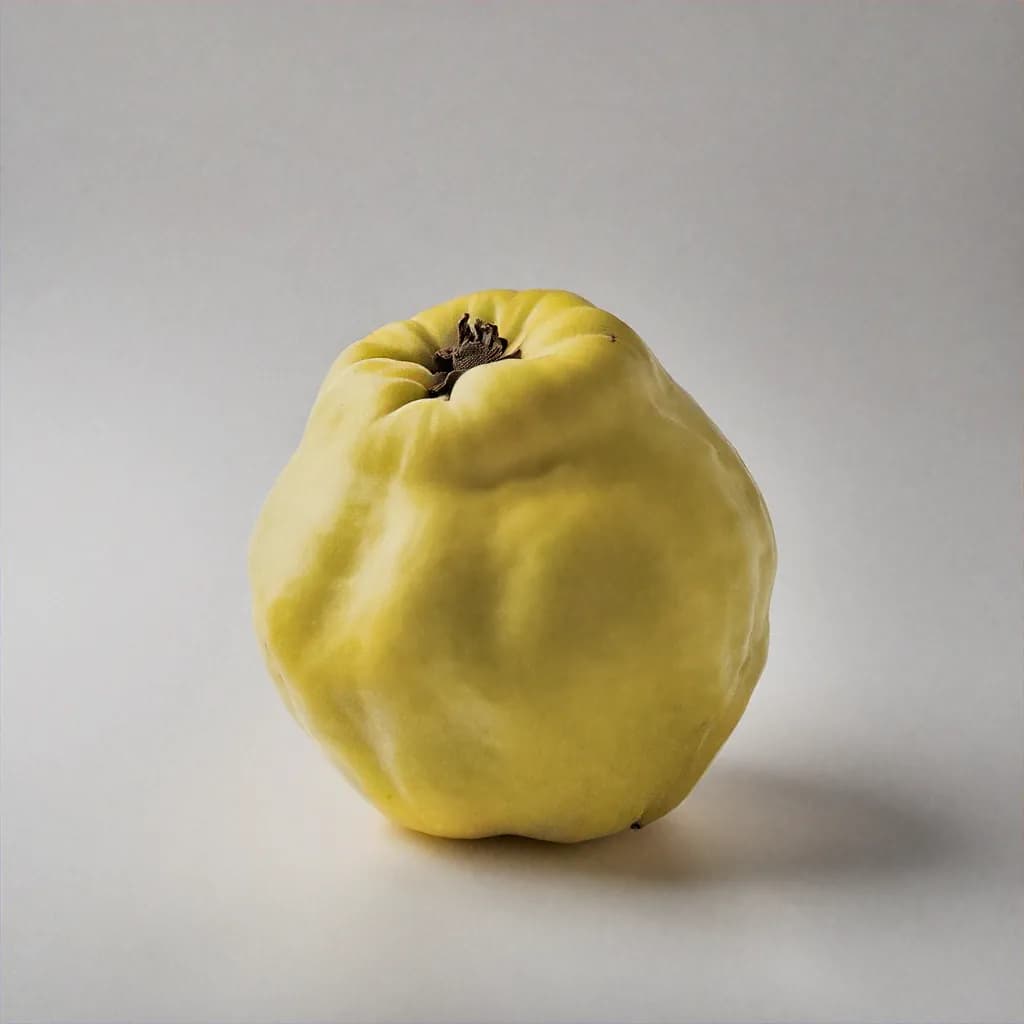
Tangelo - Main View
Per 100g
Per 100g
Nutrition breakdown for one serving
United States, created through citrus breeding
Tangelos were developed in the 1930s in Florida by crossing tangerines with grapefruit. The distinctive knob-like protrusion at the stem end is a signature trait of tangelos.
Peak season December-April
Each variety offers unique flavors, textures, and culinary applications
Keep your fruit fresh and delicious for longer
Select firm tangelos with bright orange skin without soft spots
Look for the distinctive knob at the top
Choose heavier fruit for juicier taste
Store at room temperature for 3-5 days
Refrigerate in the crisper drawer for up to 3 weeks
Best consumed fresh for maximum nutrition
Preserve freshness for months
Peel and segment before freezing
Freeze juice in ice cube trays
Use frozen tangelos in smoothies or cooking
Label frozen items with the date to track freshness. Most fruits maintain quality for 2-3 months when properly frozen. For best results, use airtight containers or freezer bags to prevent freezer burn.
Discover delicious possibilities
Citrus allergies are rare but possible. Symptoms include itching or mouth irritation.
Tangelos may have pesticide residues. Wash thoroughly or choose organic varieties.
Surprising trivia you'll love!
Tangelos are scientifically known as Citrus × tangelo, indicating their hybrid nature
The name combines 'tangerine' and 'pomelo'
Honeybell tangelos are a premium variety known for exceptional sweetness
The knobby protrusion makes tangelos instantly recognizable
Tangelos have higher vitamin C than most citrus fruits
Tangelos are hybrids of tangerines and grapefruit, with more vitamin C and a distinctive knob. Tangerines are sweeter and easier to peel.
The distinctive knob at the stem end is a natural characteristic of tangelos from their grapefruit parent. It's part of their unique identity.
Room temperature storage lasts 3-5 days, while refrigeration extends shelf life to 2-3 weeks. They last longest in cool, humid conditions.
Yes, tangelos produce flavorful, vitamin-C rich juice. They're excellent for fresh juice, smoothies, and cooking applications.
Sustainability insights
Tangelo cultivation can be sustainable with responsible farming practices. Support local and fair-trade growers.
Domestic tangelos (especially U.S.-grown) have lower carbon footprint than imported varieties.
Tangelo trees need moderate water. Rainwater harvesting and efficient irrigation support sustainability.
Buying local, seasonal tangelos supports U.S. farmers and reduces environmental impact.
We aim to keep this Tangelo profile accurate and easy to understand. Nutrition values and % Daily Value figures are based on established reference databases and standard daily value guidance.
Last updated: September 21, 2026
Medical disclaimer
This page is for general educational purposes and does not replace professional medical advice.
Found an issue? Contact us.