Loading Fruit Details...
Please wait while we fetch nutritional information and health benefits
Please wait while we fetch nutritional information and health benefits
Recommended Products
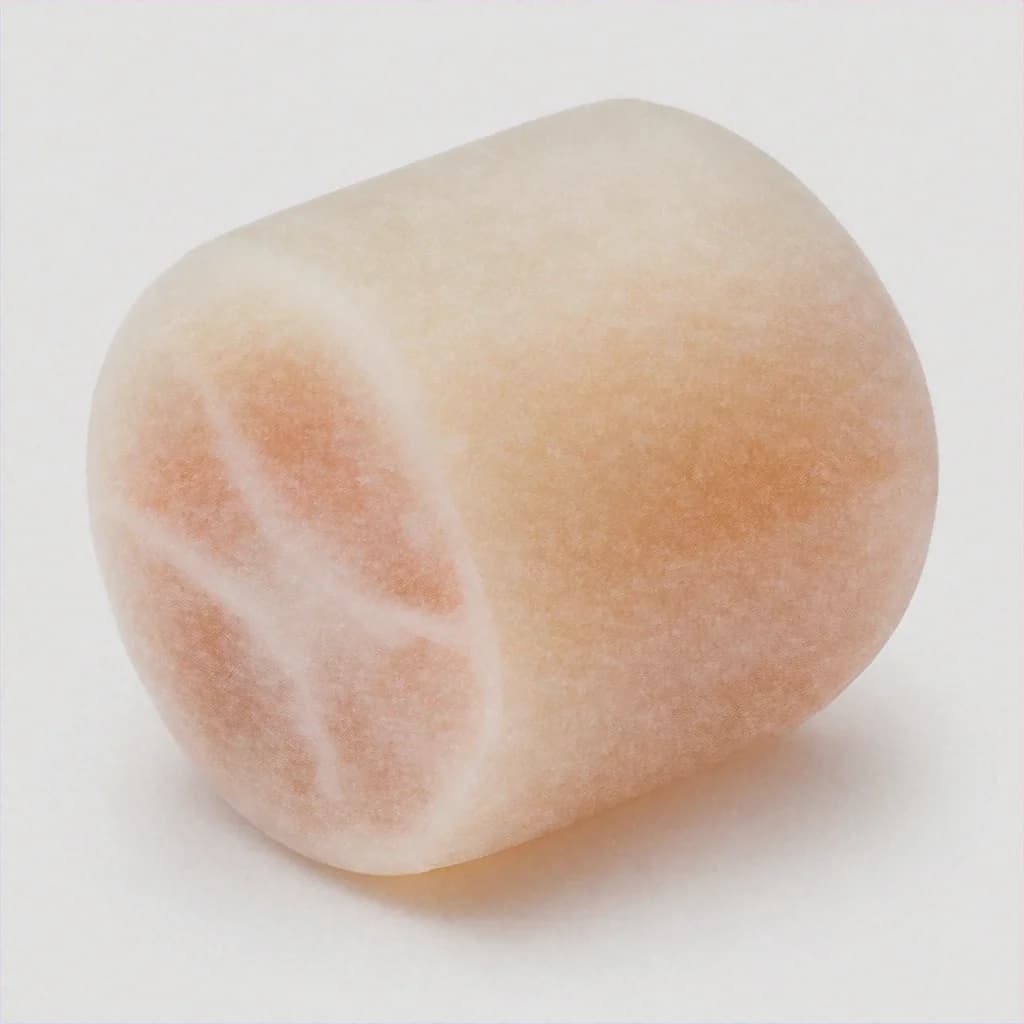
Azanza garckeana
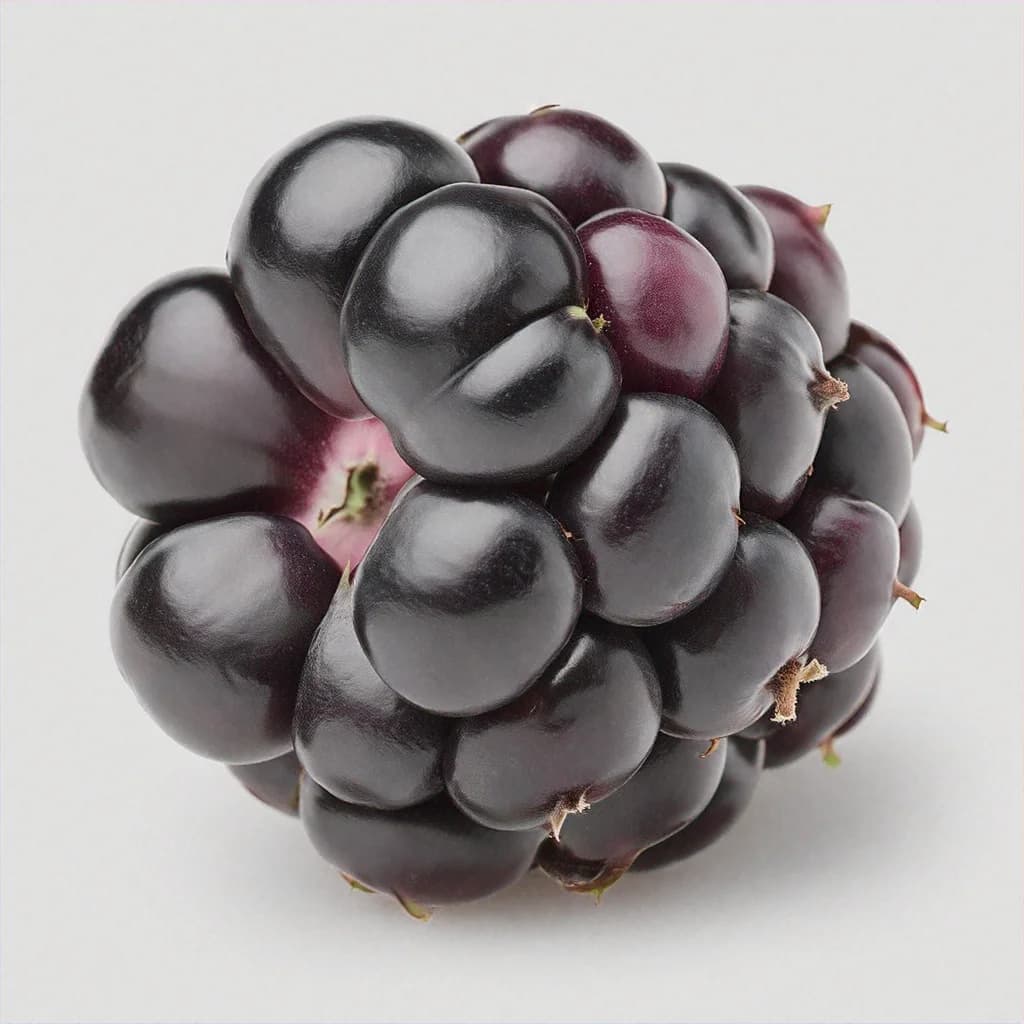
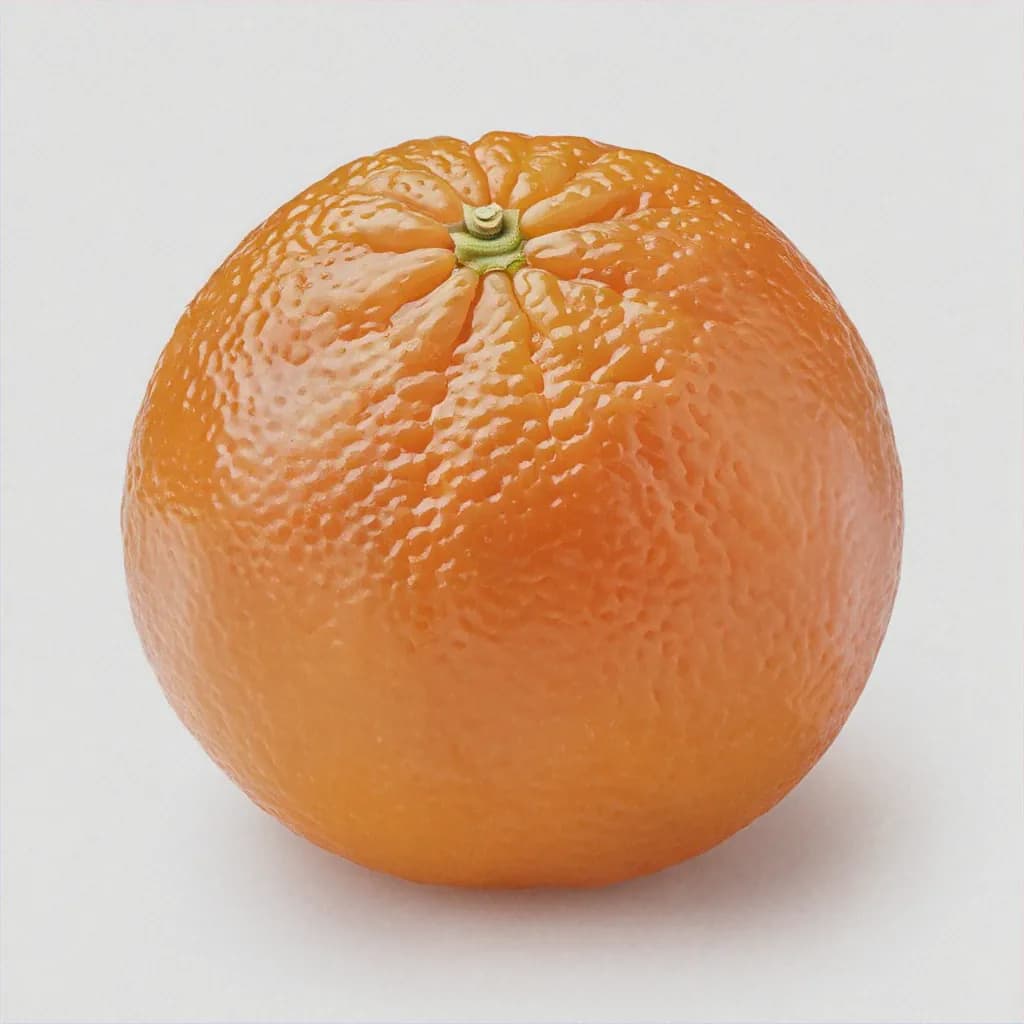
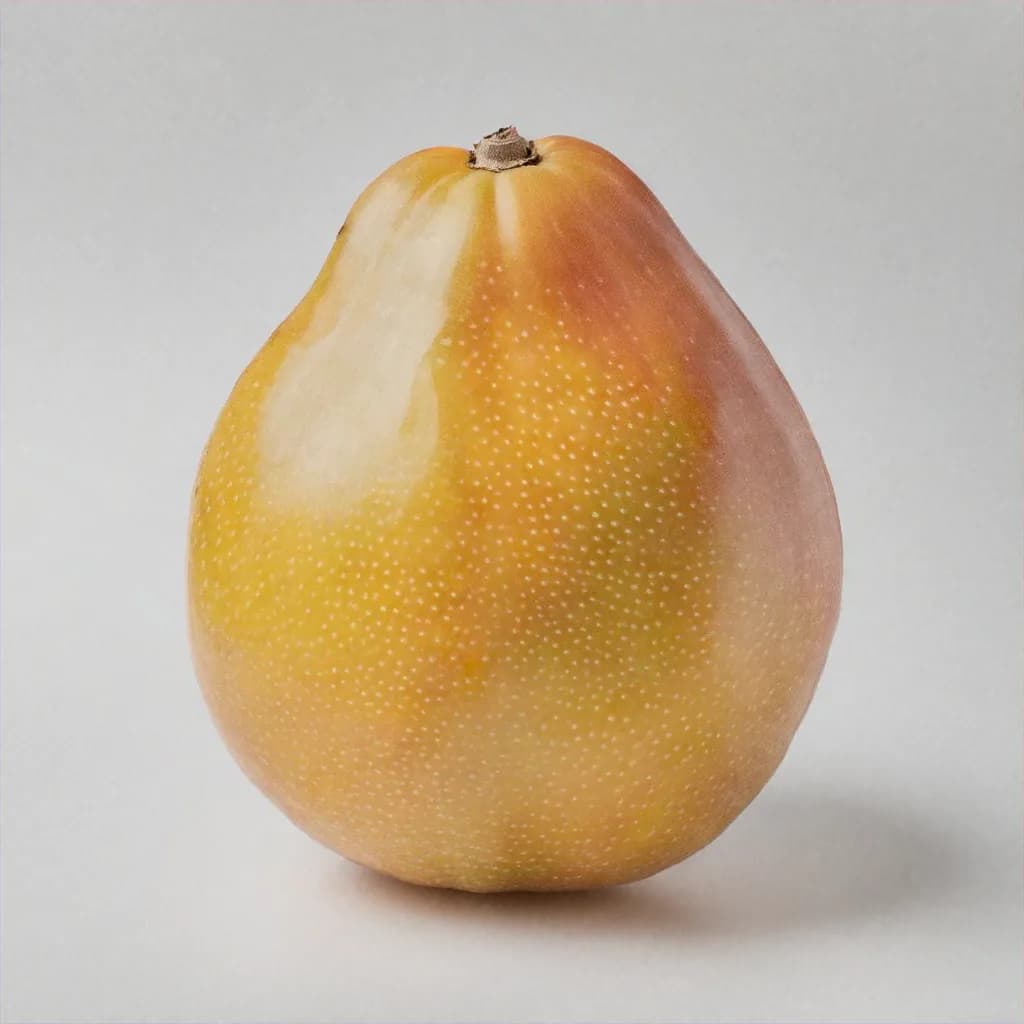
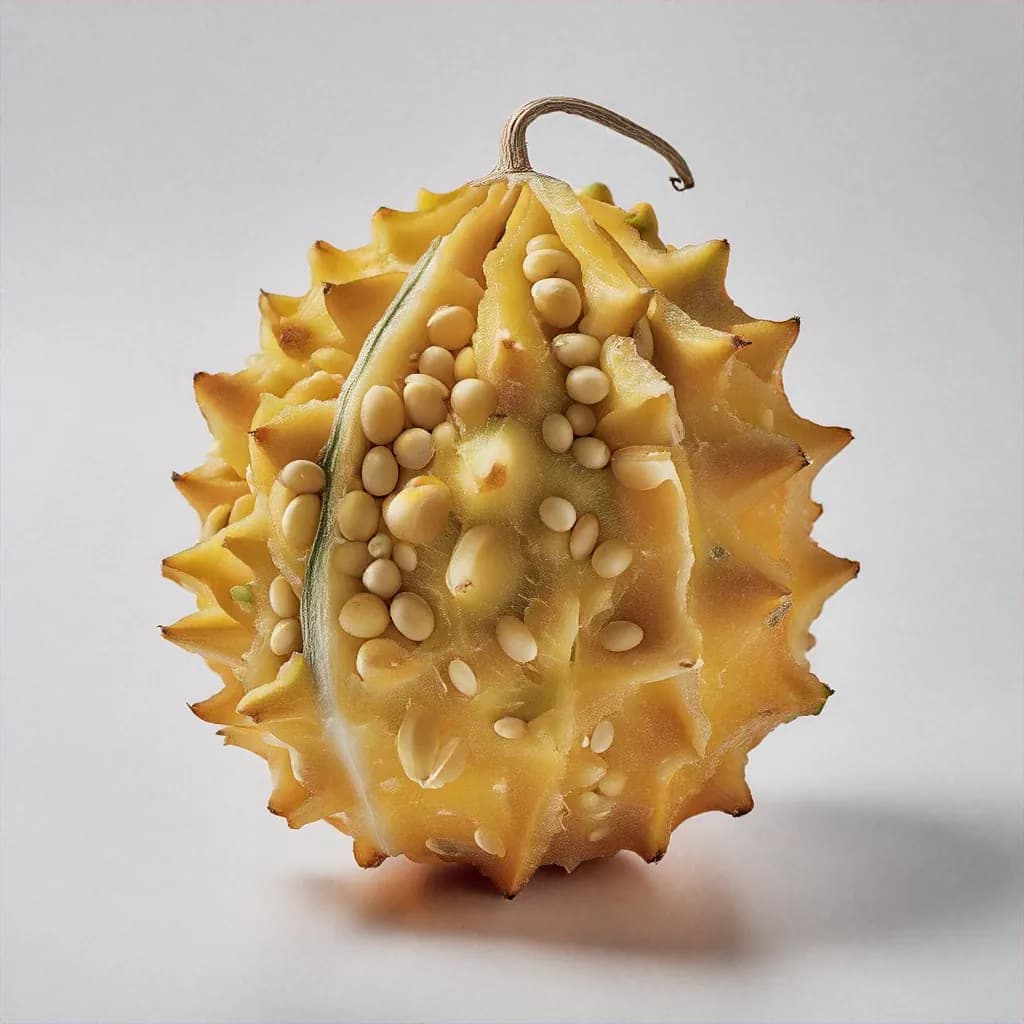
The African Chewing Gum fruit, scientifically known as Azanza garckeana, is a true marvel of nature. Native to the arid regions of sub-Saharan Africa, this resilient fruit thrives in harsh environments, making it a vital source of nutrition for local communities. Its small, round fruits have a unique, chewy texture, earning it the nickname 'African chewing gum.' Rich in vitamins, minerals, and antioxidants, it offers both culinary versatility and significant health benefits. The fruit's sweet, slightly tart flavor makes it a delightful snack when eaten fresh, but it also lends itself well to jams, juices, and traditional dishes. Beyond its culinary appeal, the African Chewing Gum fruit is celebrated for its drought-resistant properties, making it a sustainable and nutritious addition to diets in challenging climates.
Explore African Chewing Gum in stunning detail
African Chewing Gum - Main View
Per 100g
Per 100g
Nutrition breakdown for one serving
Sub-Saharan Africa
The African Chewing Gum fruit has been a staple in sub-Saharan Africa for centuries, valued for its ability to grow in dry, challenging environments. It has played a crucial role in providing nutrition and sustenance to local communities during times of drought.
Year-round, depending on region
Each variety offers unique flavors, textures, and culinary applications
Keep your fruit fresh and delicious for longer
Look for fruits that are firm but slightly yielding to touch.
Select fruits with a bright, uniform color, free from blemishes or bruises.
Store at room temperature for up to 5 days.
Refrigerate to extend shelf life to 10-14 days.
Preserve freshness for months
Freeze whole fruits in an airtight container for up to 3 months.
Thaw at room temperature before consuming.
Label frozen items with the date to track freshness. Most fruits maintain quality for 2-3 months when properly frozen. For best results, use airtight containers or freezer bags to prevent freezer burn.
Discover delicious possibilities
No known allergies associated with African Chewing Gum fruit.
Generally low, as it is often grown organically in rural areas.
Surprising trivia you'll love!
The African Chewing Gum fruit is known for its drought resistance, making it a valuable food source in arid regions.
It is often referred to as 'miracle fruit' due to its ability to provide nutrition in challenging environments.
It has a sweet, slightly tart flavor with a chewy texture, similar to gum.
Look for fruits that are yellow to orange in color and slightly soft to the touch.
Yes, it can be frozen whole in an airtight container for up to 3 months.
It is often eaten fresh, used in jams, or added to smoothies and juices.
It contains about 15g of sugar per 100g, but its fiber content helps regulate sugar absorption.
Yes, its low glycemic index makes it a suitable option for diabetics.
Yes, it thrives in arid climates and can be grown in well-drained soil with full sun exposure.
Sustainability insights
Highly sustainable due to its drought resistance and ability to thrive in challenging climates.
Low, as it is often locally grown and consumed.
Minimal, as it requires little irrigation.
Primarily consumed locally, reducing the need for long-distance transport.
We aim to keep this African Chewing Gum profile accurate and easy to understand. Nutrition values and % Daily Value figures are based on established reference databases and standard daily value guidance.
Last updated: October 2, 2026
Medical disclaimer
This page is for general educational purposes and does not replace professional medical advice.
Found an issue? Contact us.