Loading Fruit Details...
Please wait while we fetch nutritional information and health benefits
Please wait while we fetch nutritional information and health benefits
Recommended Products
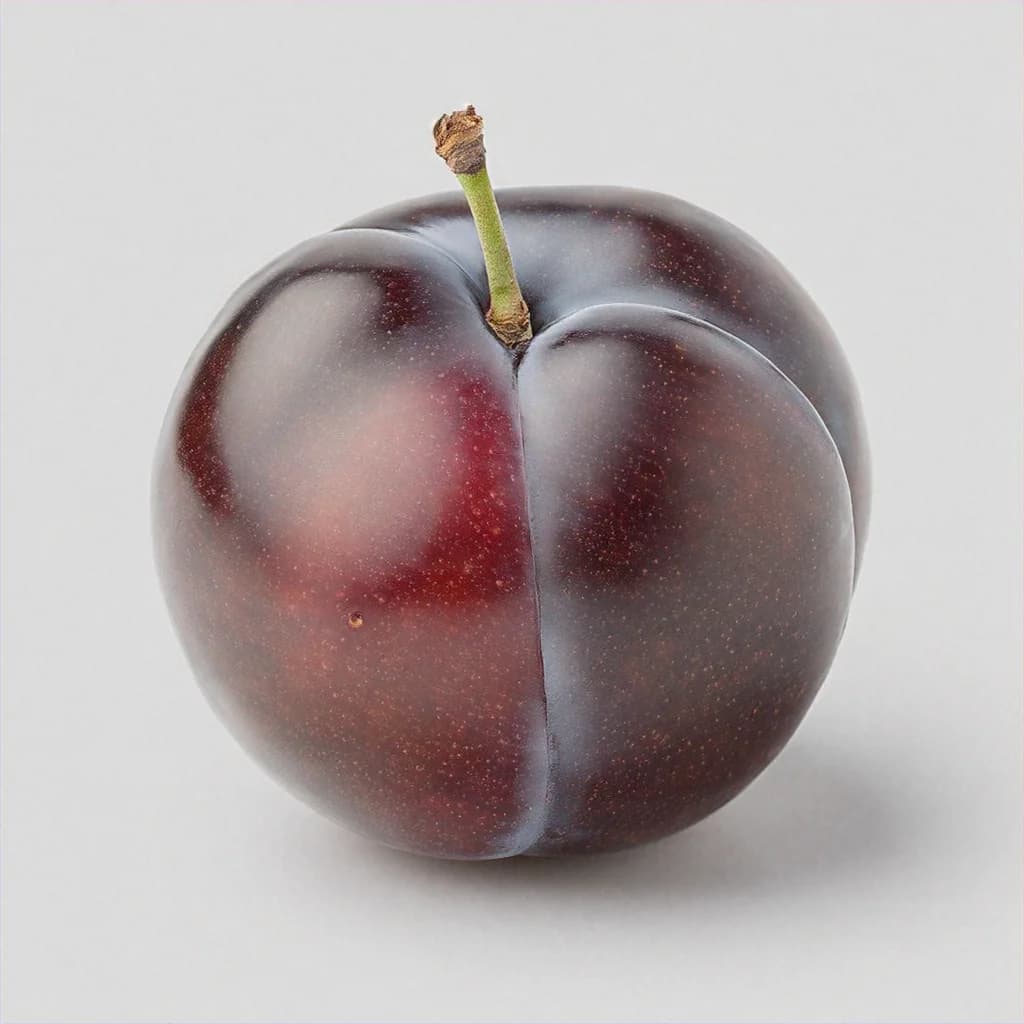
Eugenia candolleana
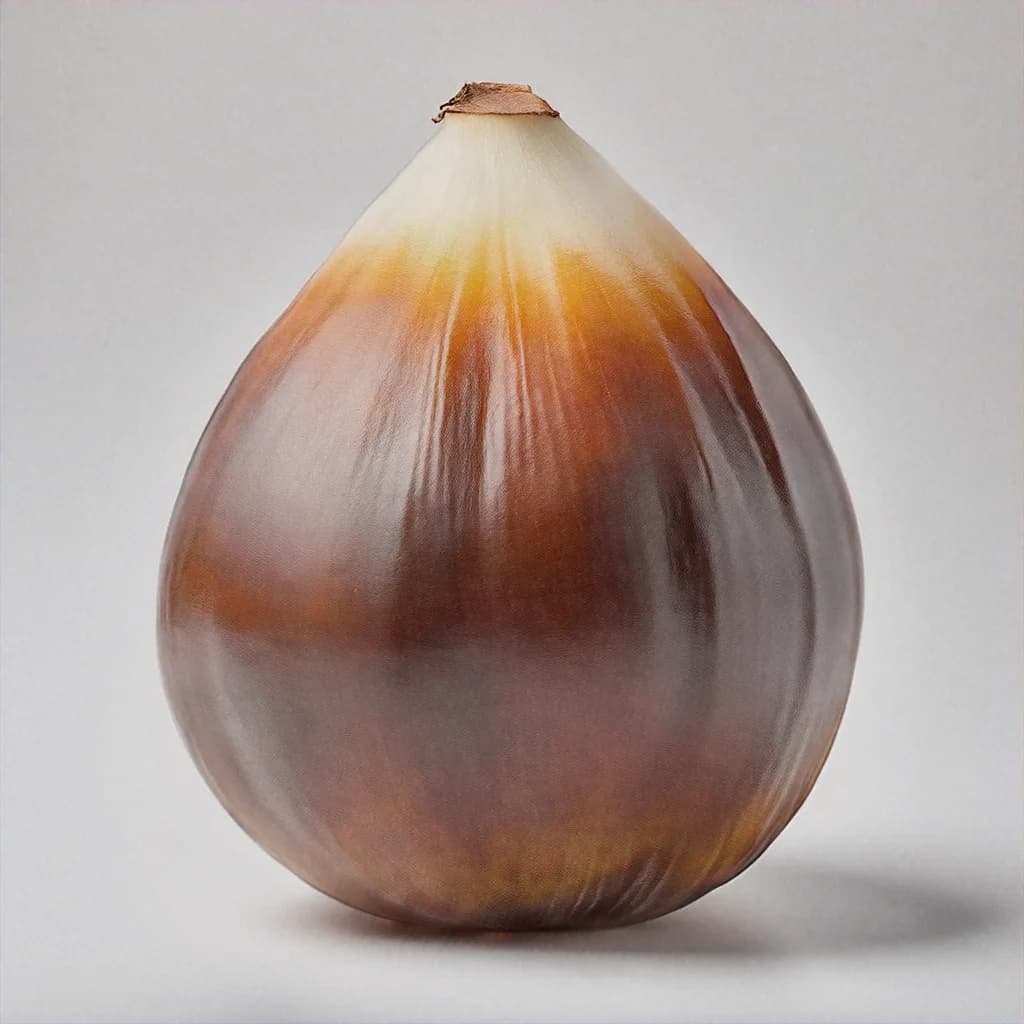
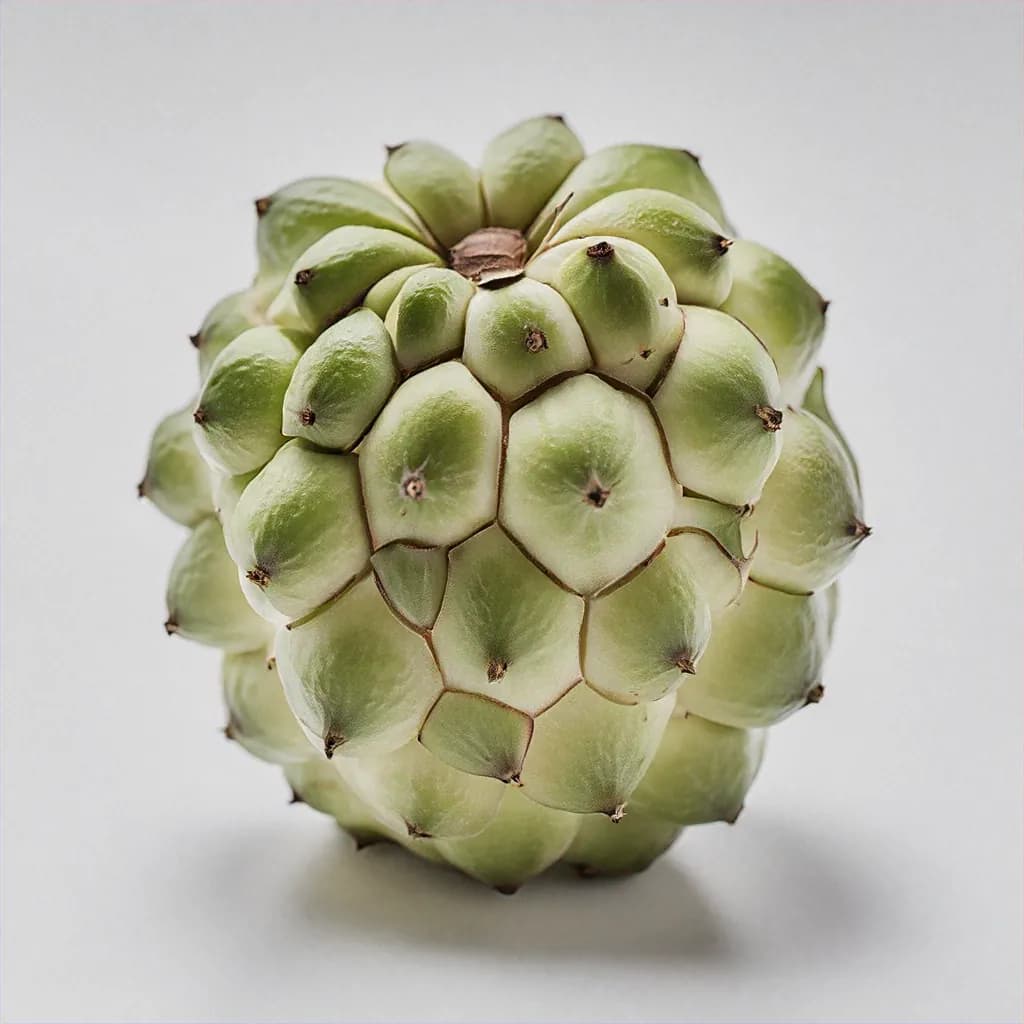
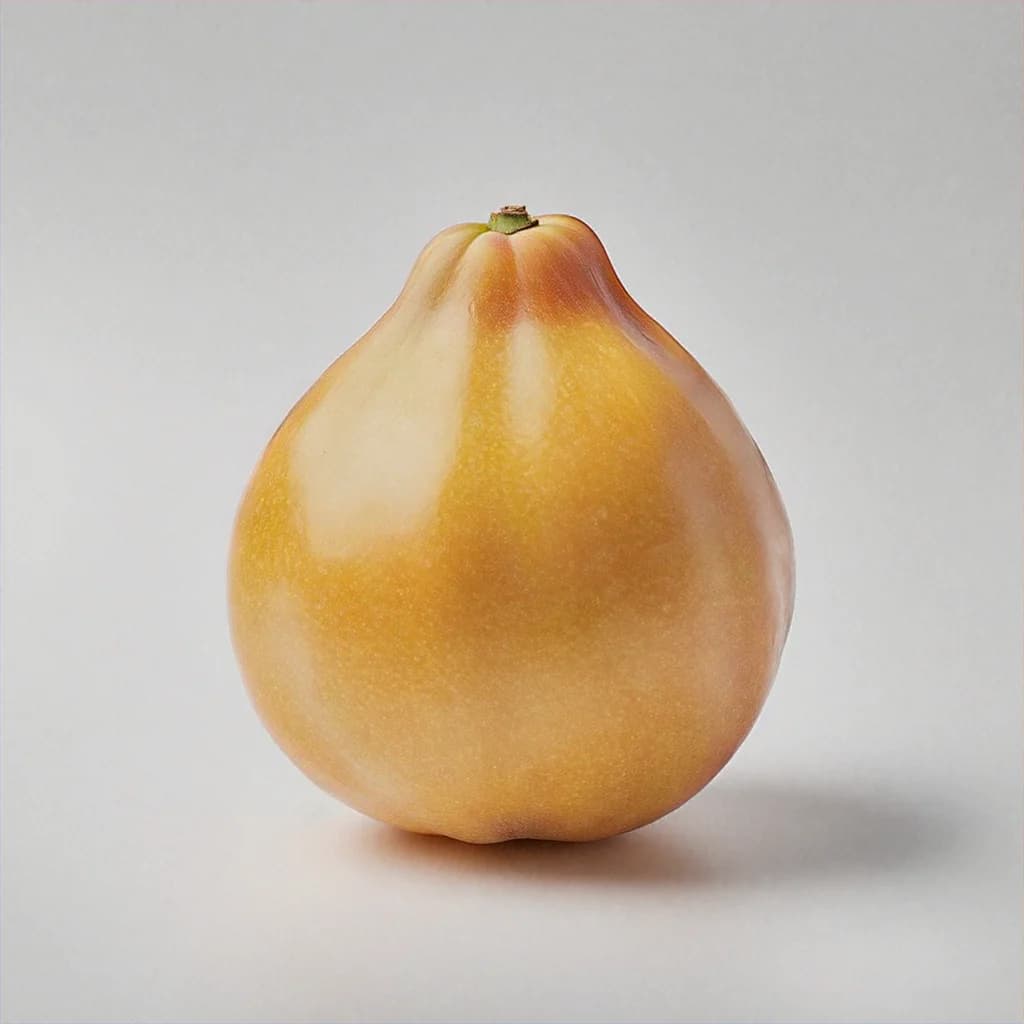
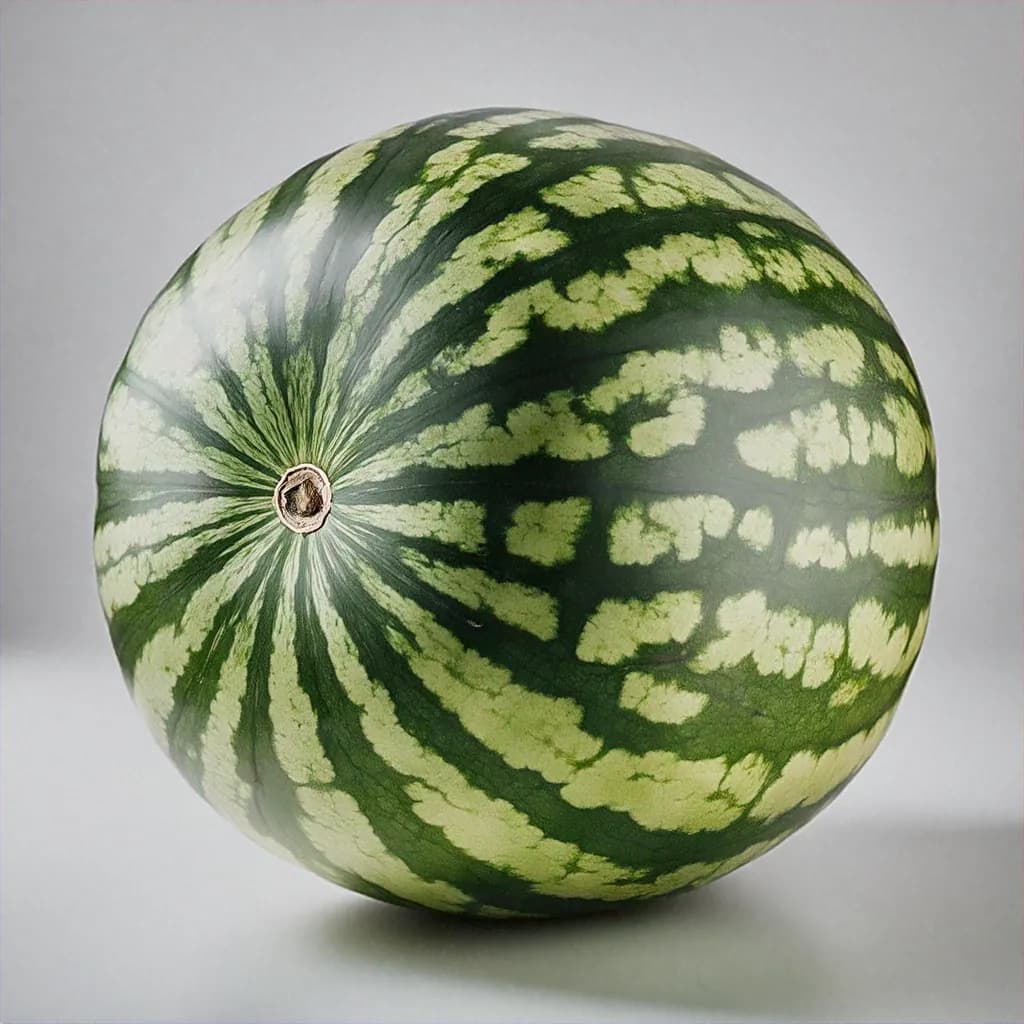
The Rainforest Plum, scientifically known as Eugenia candolleana, is a tropical delight native to the lush rainforests of Central and South America. This petite, vibrant fruit boasts a deep purple or reddish hue when ripe, encasing a juicy, tart-sweet flesh that is both refreshing and flavorful. Its slight astringency adds complexity to its taste profile, making it a favorite among connoisseurs of exotic fruits. Rich in antioxidants, vitamins, and minerals, the Rainforest Plum is not only a culinary treasure but also a nutritional powerhouse. Whether enjoyed raw, in jams, or as a unique addition to beverages, this fruit offers a burst of tropical flavor and a host of health benefits.
Explore Rainforest Plum in stunning detail
Rainforest Plum - Main View
Per 100g
Per 100g
Nutrition breakdown for one serving
Central and South America
The Rainforest Plum has been a staple in indigenous diets for centuries, valued for its nutritional content and medicinal properties. Its cultivation has expanded in recent decades due to growing interest in exotic fruits.
Year-round in tropical regions
Each variety offers unique flavors, textures, and culinary applications
Keep your fruit fresh and delicious for longer
Look for plums with a deep purple or reddish hue, indicating ripeness.
Select fruits that are firm but yield slightly to gentle pressure.
Avoid plums with blemishes, bruises, or mold.
Store ripe plums in the refrigerator to extend shelf life.
Keep unripe plums at room temperature until they soften slightly.
Preserve freshness for months
Freeze whole plums in an airtight container for up to 6 months.
Thaw frozen plums in the refrigerator before use.
Label frozen items with the date to track freshness. Most fruits maintain quality for 2-3 months when properly frozen. For best results, use airtight containers or freezer bags to prevent freezer burn.
Discover delicious possibilities
Rainforest Plums are not known to be a common allergen, but individual sensitivities may vary.
Organic Rainforest Plums are preferred to minimize pesticide exposure.
Surprising trivia you'll love!
Rainforest Plums are often referred to as 'jungle candy' due to their sweet and tart flavor.
The fruit's deep purple color comes from anthocyanins, powerful antioxidants that also give blueberries their hue.
Rainforest Plums have a tart-sweet flavor with a slight astringency, similar to a cross between a plum and a cherry.
Ripe Rainforest Plums have a deep purple or reddish color and yield slightly to gentle pressure.
Ripe Rainforest Plums can be stored in the refrigerator for up to 10 days.
Yes, they can be incorporated into muffins, tarts, and other baked goods for a unique flavor.
Rainforest Plums contain about 8.2 grams of sugar per 100 grams, which is moderate compared to other fruits.
There are no known significant interactions with medications, but always consult a healthcare provider if you have concerns.
Rainforest Plums thrive in tropical climates but can be cultivated in subtropical regions with proper care.
Sustainability insights
Rainforest Plums are often sustainably grown in their native regions, contributing to biodiversity.
Low carbon footprint when sourced locally in tropical regions.
Moderate water requirements, typical of tropical fruit trees.
Locally grown plums are more eco-friendly than imported ones due to reduced transportation emissions.
We aim to keep this Rainforest Plum profile accurate and easy to understand. Nutrition values and % Daily Value figures are based on established reference databases and standard daily value guidance.
Last updated: October 4, 2026
Medical disclaimer
This page is for general educational purposes and does not replace professional medical advice.
Found an issue? Contact us.