Loading Fruit Details...
Please wait while we fetch nutritional information and health benefits
Please wait while we fetch nutritional information and health benefits
Recommended Products
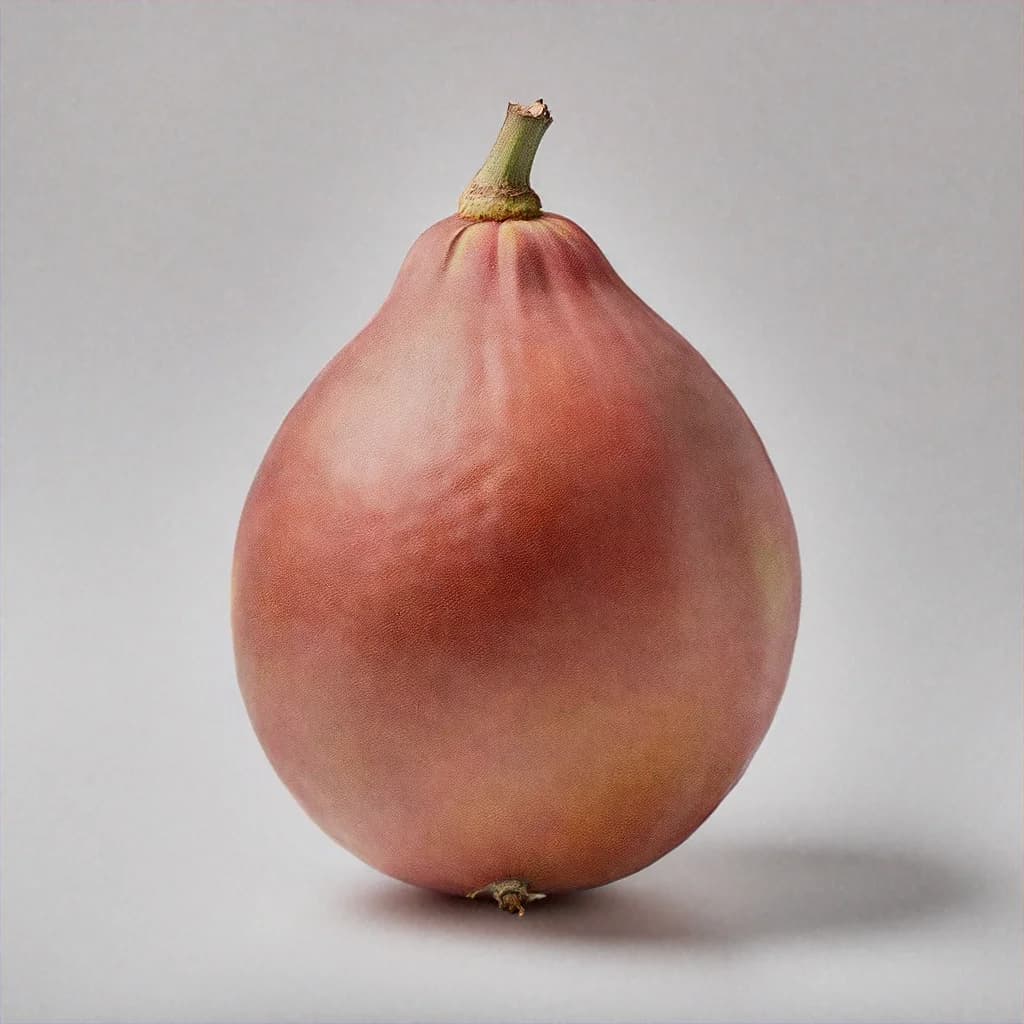
Artocarpus kemando
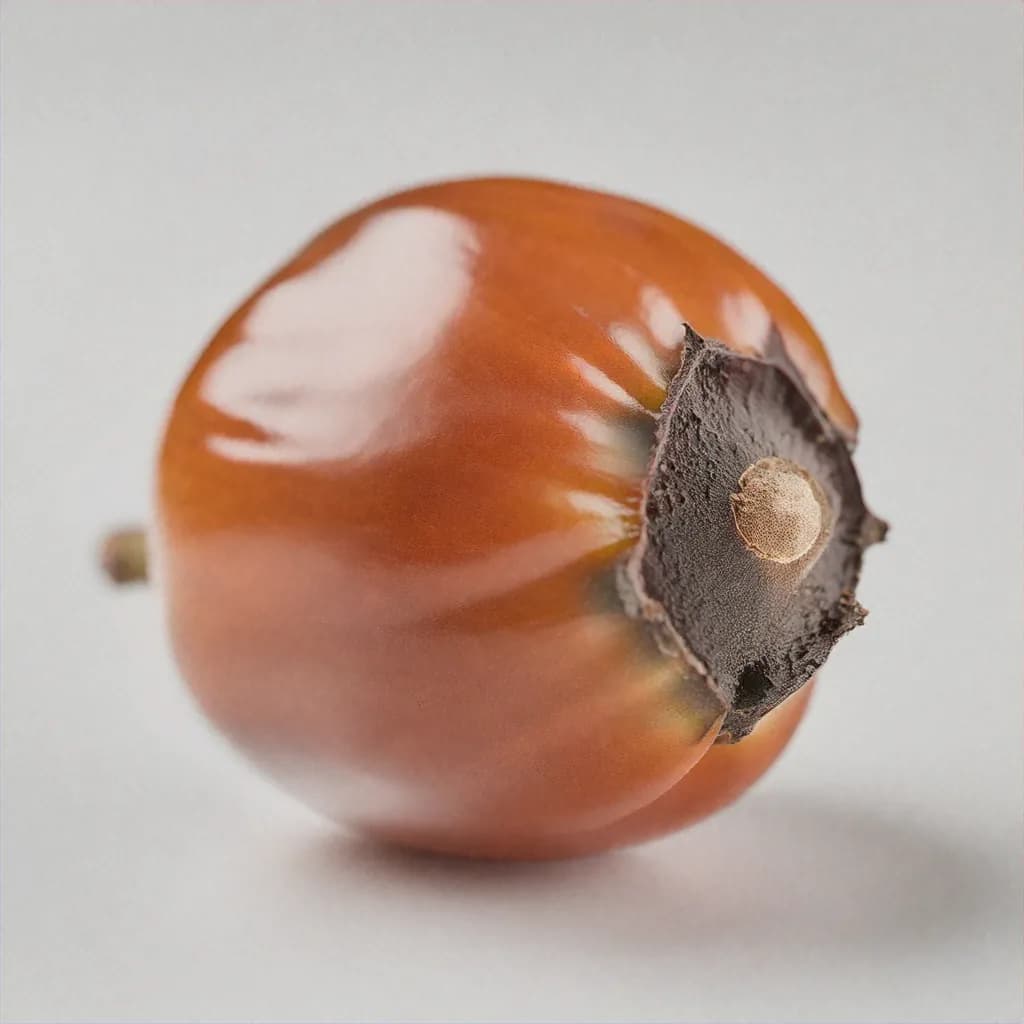
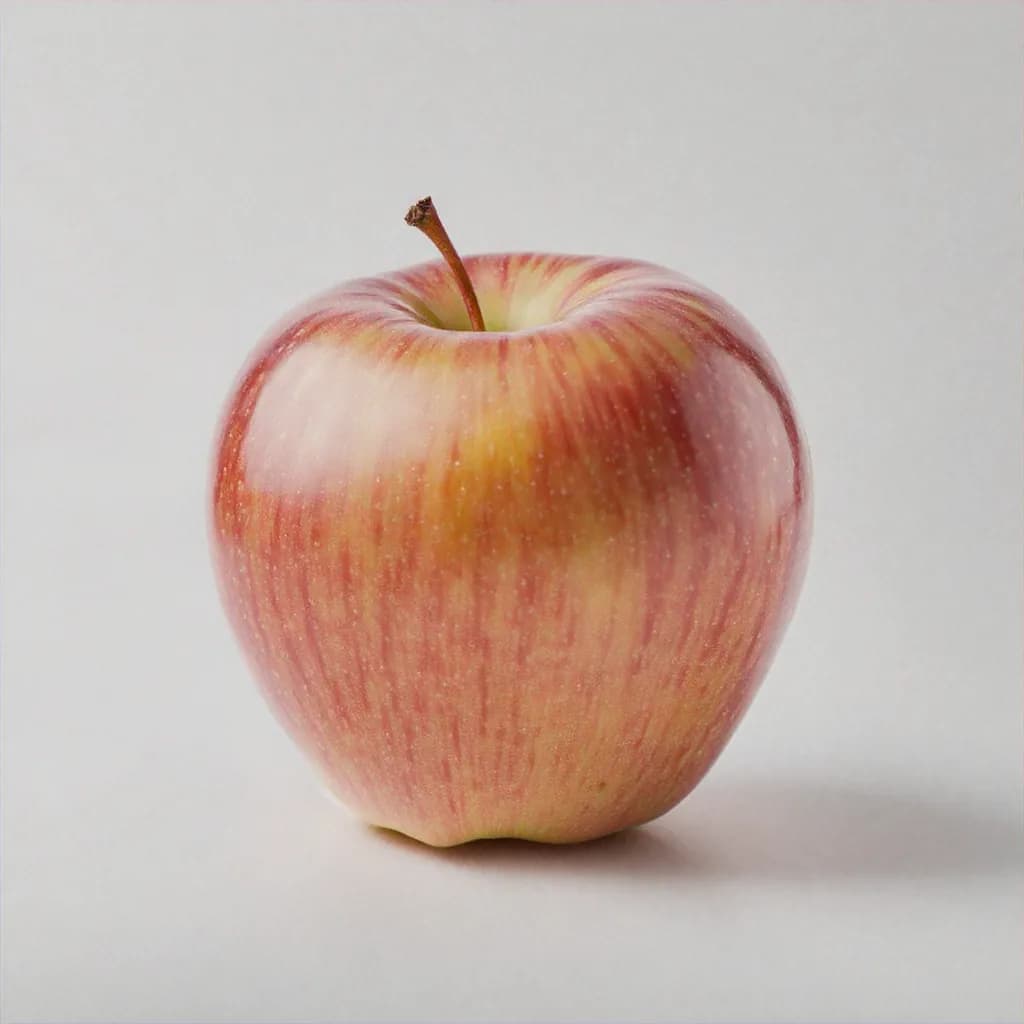
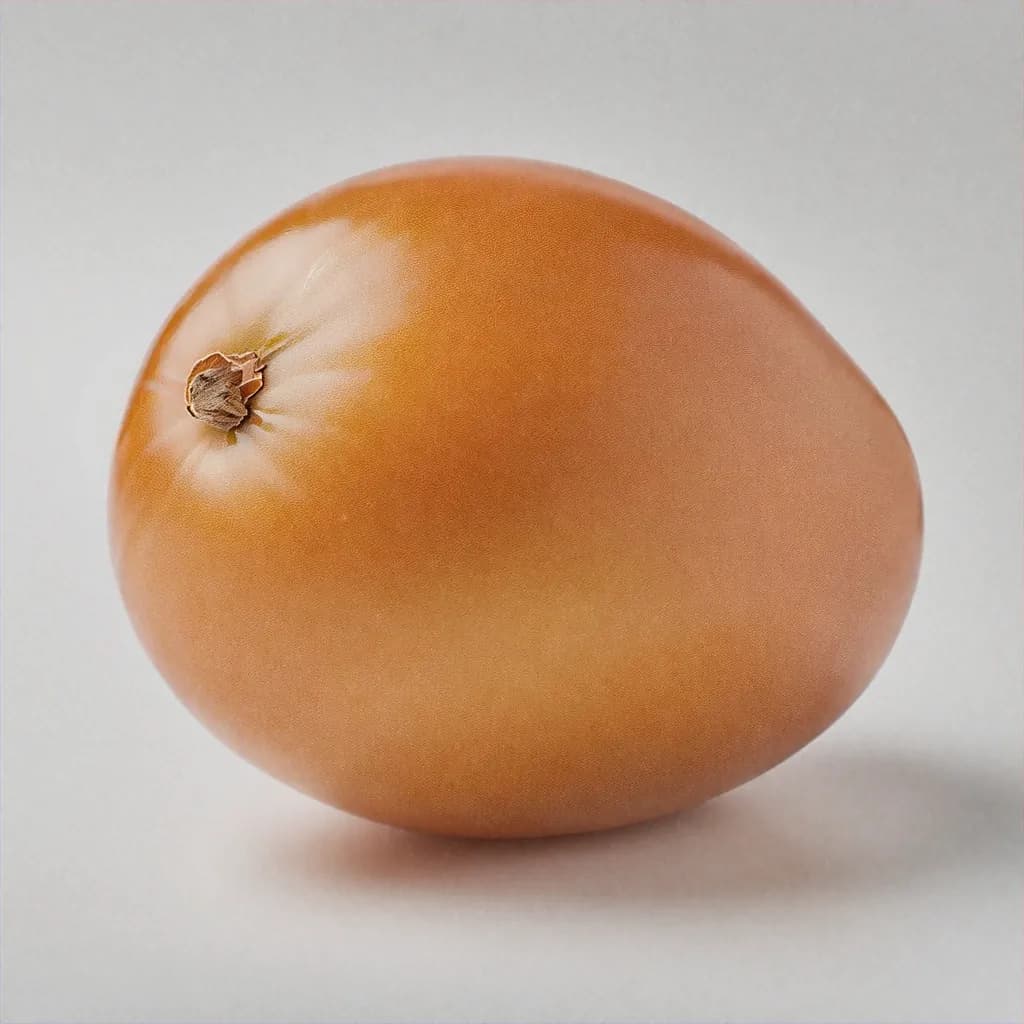
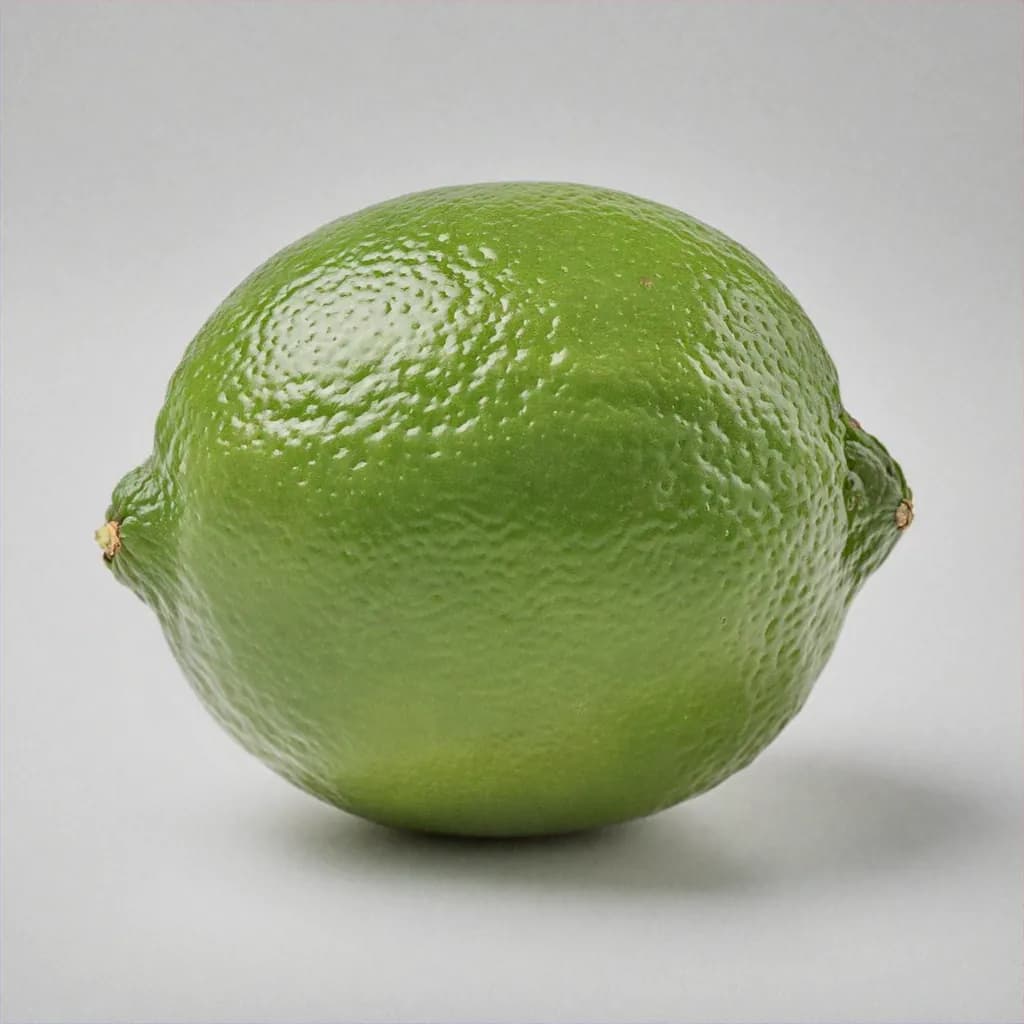
Pudau, scientifically known as Artocarpus kemando, is a tropical fruit native to Southeast Asia. This fascinating fruit belongs to the same family as breadfruit and jackfruit, boasting a unique blend of flavors and textures. The Pudau fruit is typically round to oval, with a greenish-yellow or brownish exterior when ripe. Inside, it reveals a creamy, sweet, and slightly tangy flesh, dotted with seeds. Its aroma is mildly fragrant, reminiscent of a blend of banana and pineapple. Nutritionally dense, Pudau is rich in vitamins, minerals, and dietary fiber, making it a healthy addition to any diet. Its versatility in culinary applications, from desserts to savory dishes, makes it a beloved ingredient in many tropical cuisines.
Explore Pudau in stunning detail
Pudau - Main View
Per 100g
Per 100g
Nutrition breakdown for one serving
Southeast Asia
Pudau has been cultivated in Southeast Asia for centuries, valued for its nutritional content and culinary versatility. It has played a role in traditional medicine and local cuisine, reflecting the region’s rich botanical heritage.
Year-round in tropical climates, with peak seasons varying by region.
Each variety offers unique flavors, textures, and culinary applications
Keep your fruit fresh and delicious for longer
Look for fruits with a firm, unblemished exterior.
A ripe Pudau will have a slight give when gently pressed.
Store ripe Pudau at room temperature for up to 3 days.
Refrigerate to extend shelf life up to 7 days.
Preserve freshness for months
Peel and slice the fruit before freezing.
Store in an airtight container to maintain freshness.
Label frozen items with the date to track freshness. Most fruits maintain quality for 2-3 months when properly frozen. For best results, use airtight containers or freezer bags to prevent freezer burn.
Discover delicious possibilities
Individuals with latex allergies may experience cross-reactivity with Pudau.
Pudau is generally low in pesticide residues, but organic options are available.
Surprising trivia you'll love!
Pudau is a close relative of the jackfruit and breadfruit.
In traditional medicine, Pudau is believed to have anti-inflammatory properties.
Pudau has a sweet and slightly tangy flavor, with a creamy texture similar to a ripe banana.
A ripe Pudau will have a greenish-yellow or brownish exterior and will give slightly when pressed.
Yes, refrigerating Pudau can extend its shelf life to up to 7 days.
Pudau can be eaten raw, used in fruit salads, or cooked in savory dishes like curries.
Pudau contains natural sugars but is balanced with dietary fiber, making it a healthier option.
Pudau is generally safe, but individuals with latex allergies may experience cross-reactivity.
Yes, Pudau can be peeled, sliced, and frozen in an airtight container for long-term storage.
Sustainability insights
Pudau is a sustainable crop that requires minimal water and pesticides.
Low, especially when sourced locally.
Moderate, as it is a tropical fruit adapted to humid climates.
Locally grown Pudau is more eco-friendly due to reduced transportation emissions.
We aim to keep this Pudau profile accurate and easy to understand. Nutrition values and % Daily Value figures are based on established reference databases and standard daily value guidance.
Last updated: October 3, 2026
Medical disclaimer
This page is for general educational purposes and does not replace professional medical advice.
Found an issue? Contact us.