Loading Fruit Details...
Please wait while we fetch nutritional information and health benefits
Please wait while we fetch nutritional information and health benefits
Recommended Products
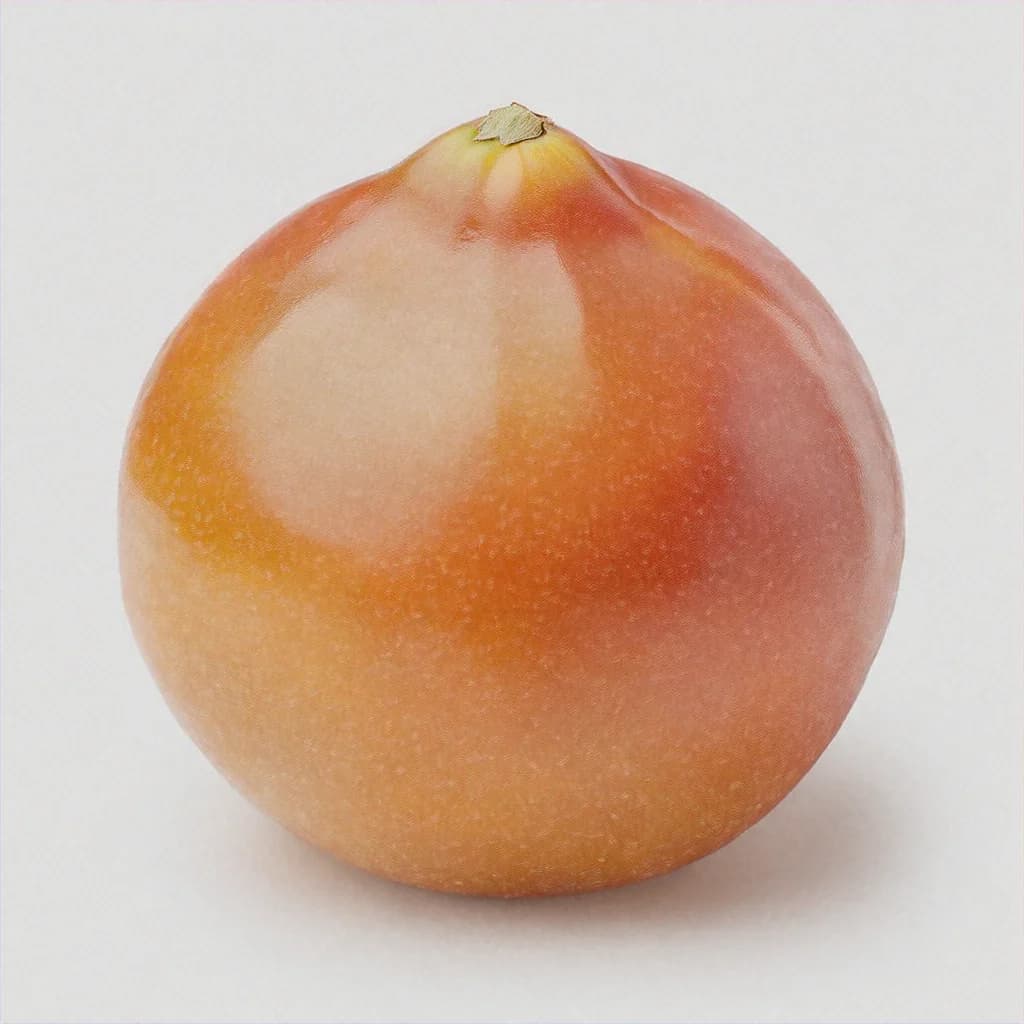
Mangifera pajang
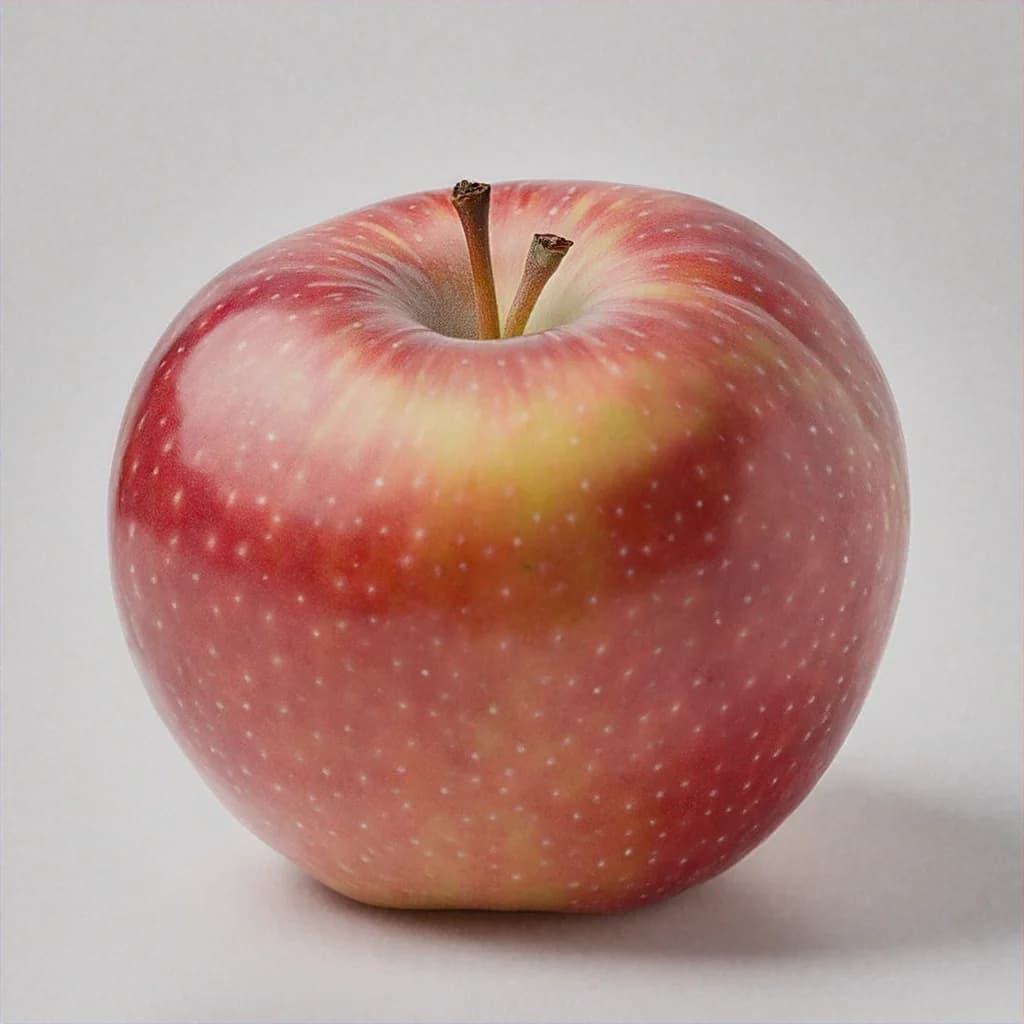
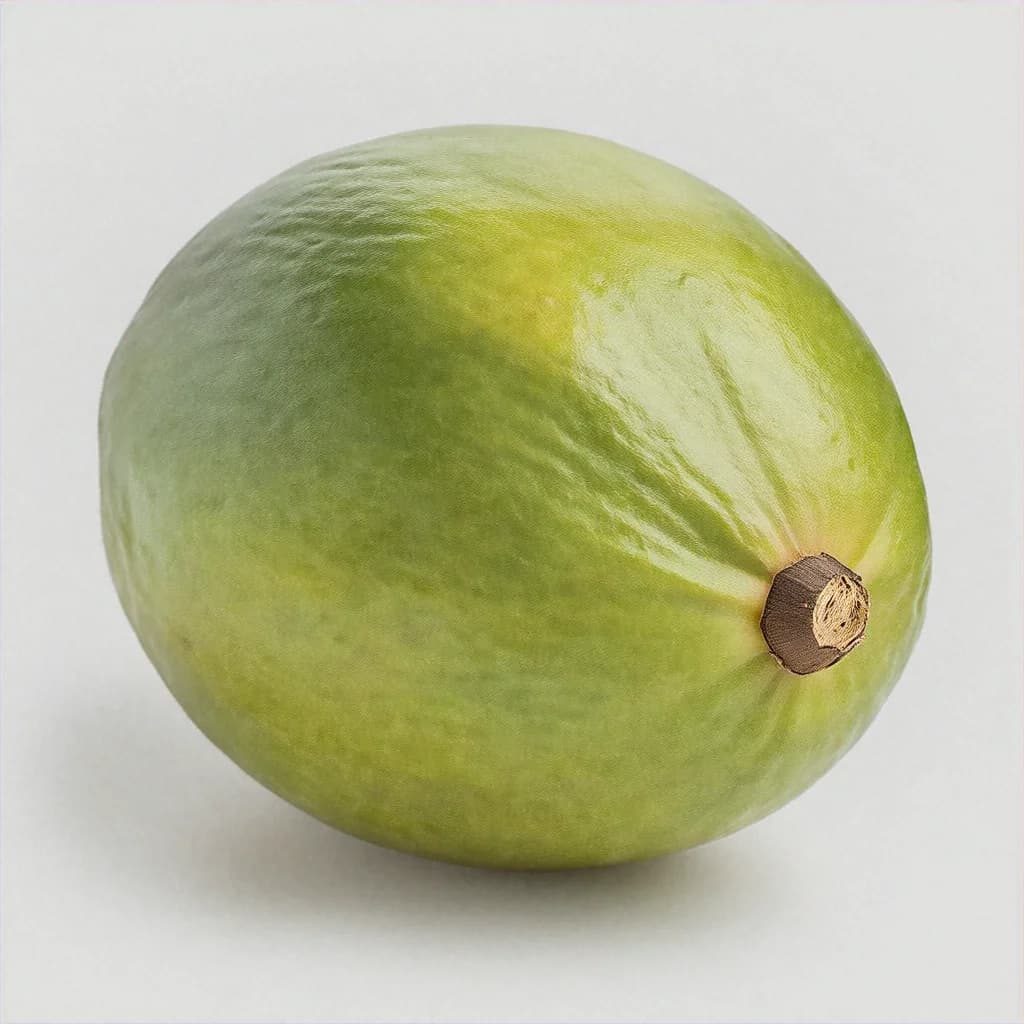
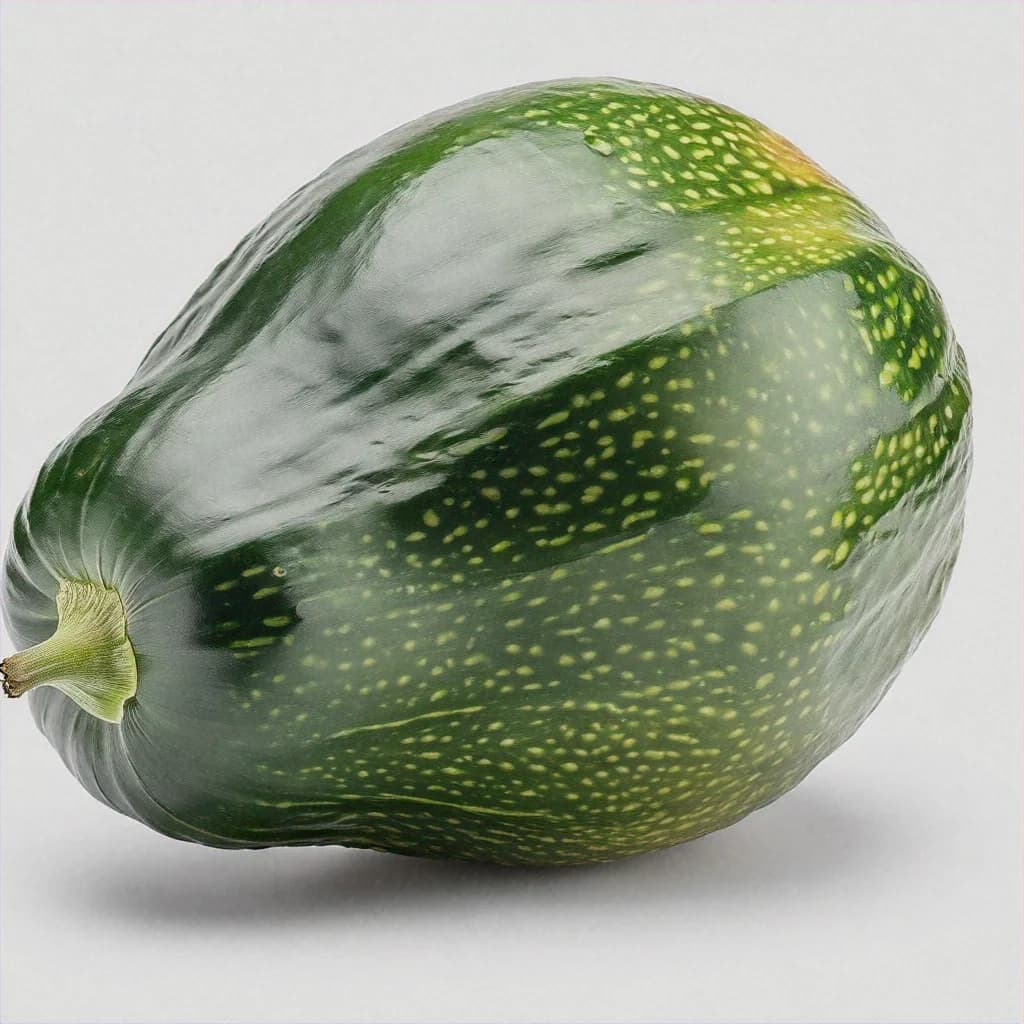
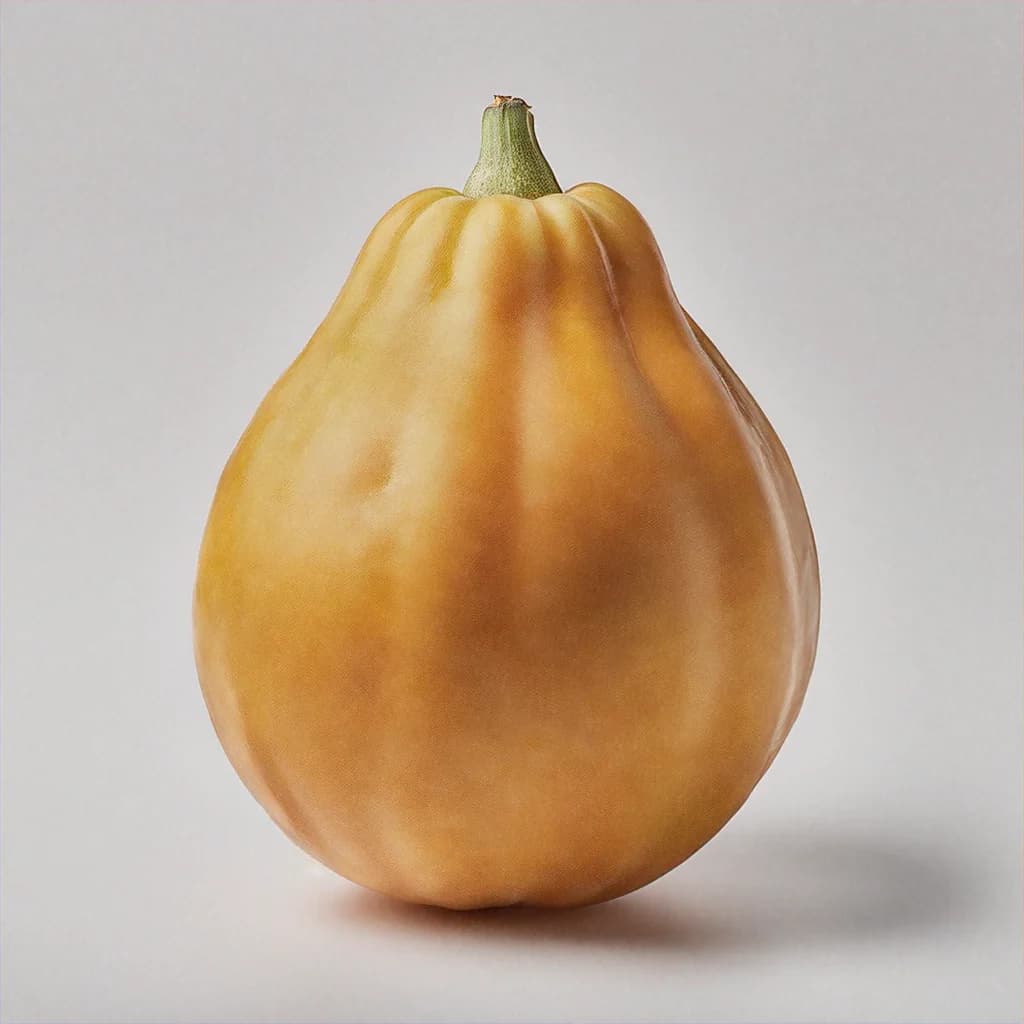
Jering, scientifically known as Mangifera pajang, is a tropical fruit native to Southeast Asia, particularly Indonesia. Often referred to as 'Bambangan' in its native region, Jering is a large, oval-shaped fruit with a thick, reddish-brown to dark brown skin. Its flesh is firm, fibrous, and yellowish-orange, with a tart, slightly sweet flavor reminiscent of a cross between a mango and a jackfruit. The fruit is rich in vitamins, minerals, and antioxidants, making it both a culinary delight and a nutritional powerhouse. Jering is traditionally enjoyed fresh, but it is also used in jams, preserves, and desserts, adding a unique twist to both sweet and savory dishes.
Explore Jering in stunning detail
Jering - Main View
Per 100g
Per 100g
Nutrition breakdown for one serving
Southeast Asia
Jering has been cultivated in Southeast Asia for centuries, particularly in Indonesia. It is known for its resilience to tropical climates and has become an important part of local cuisine and culture.
Year-round in tropical regions, with peak availability during summer and early fall.
Each variety offers unique flavors, textures, and culinary applications
Keep your fruit fresh and delicious for longer
Select Jering fruits with a firm, unblemished skin.
Look for a reddish-brown to dark brown color, indicating ripeness.
Avoid fruits with soft spots or mold, as they may be overripe.
Store Jering at room temperature until ripe.
Once ripe, refrigerate to extend shelf life.
Keep away from direct sunlight and heat sources.
Preserve freshness for months
Peel and slice the fruit before freezing.
Store in an airtight container or freezer bag to prevent freezer burn.
Label frozen items with the date to track freshness. Most fruits maintain quality for 2-3 months when properly frozen. For best results, use airtight containers or freezer bags to prevent freezer burn.
Discover delicious possibilities
Jering is generally safe for consumption, but individuals with latex allergies may experience cross-reactivity.
Jering may be treated with pesticides, so washing the fruit thoroughly before consumption is recommended.
Surprising trivia you'll love!
Jering is often called the 'king of fruits' in Southeast Asia due to its size and flavor.
The fruit is believed to have medicinal properties in traditional Indonesian medicine.
Jering has a tart, slightly sweet flavor with a firm, fibrous texture similar to a cross between a mango and a jackfruit.
A ripe Jering will have a reddish-brown to dark brown skin and a firm texture. Avoid fruits with soft spots or mold.
Store Jering at room temperature until ripe, then refrigerate to extend its shelf life. Keep it away from heat and sunlight.
Yes, Jering can be used in jams, preserves, desserts, and even savory dishes to add a unique tropical flavor.
Jering contains about 25g of sugar per 100g, but it is also rich in fiber, vitamins, and antioxidants, making it a balanced snack option.
While Jering has a moderate glycemic index, diabetics should consume it in moderation and monitor their blood sugar levels.
Yes, Jering can be peeled, sliced, and frozen in an airtight container for long-term storage.
Sustainability insights
Jering is a sustainable crop in tropical regions, as it requires minimal water and thrives in warm climates.
Low, as it is often grown locally in Southeast Asia.
Moderate, as the tree is drought-tolerant once established.
Buying locally grown Jering supports sustainable agriculture and reduces transportation-related emissions.
We aim to keep this Jering profile accurate and easy to understand. Nutrition values and % Daily Value figures are based on established reference databases and standard daily value guidance.
Last updated: October 2, 2026
Medical disclaimer
This page is for general educational purposes and does not replace professional medical advice.
Found an issue? Contact us.