Loading Fruit Details...
Please wait while we fetch nutritional information and health benefits
Please wait while we fetch nutritional information and health benefits
Recommended Products
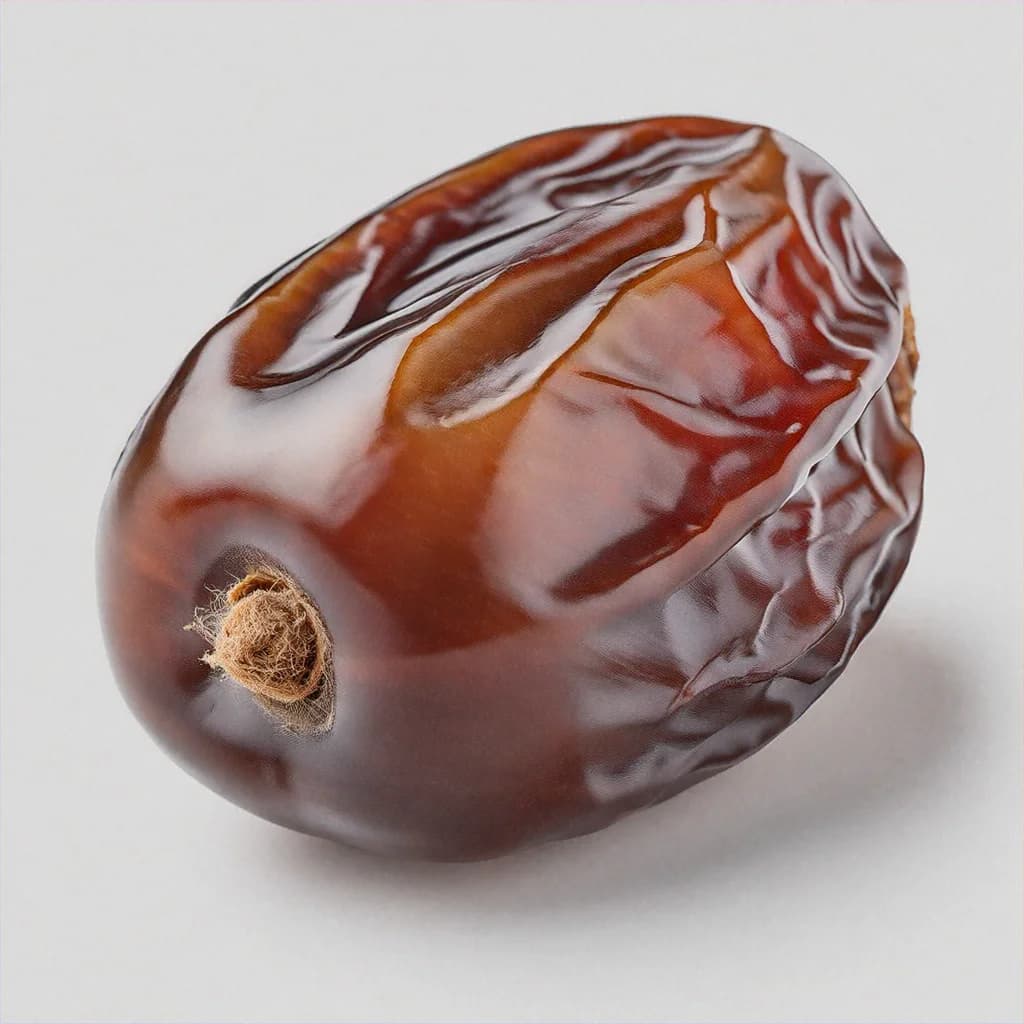
Phoenix reclinata
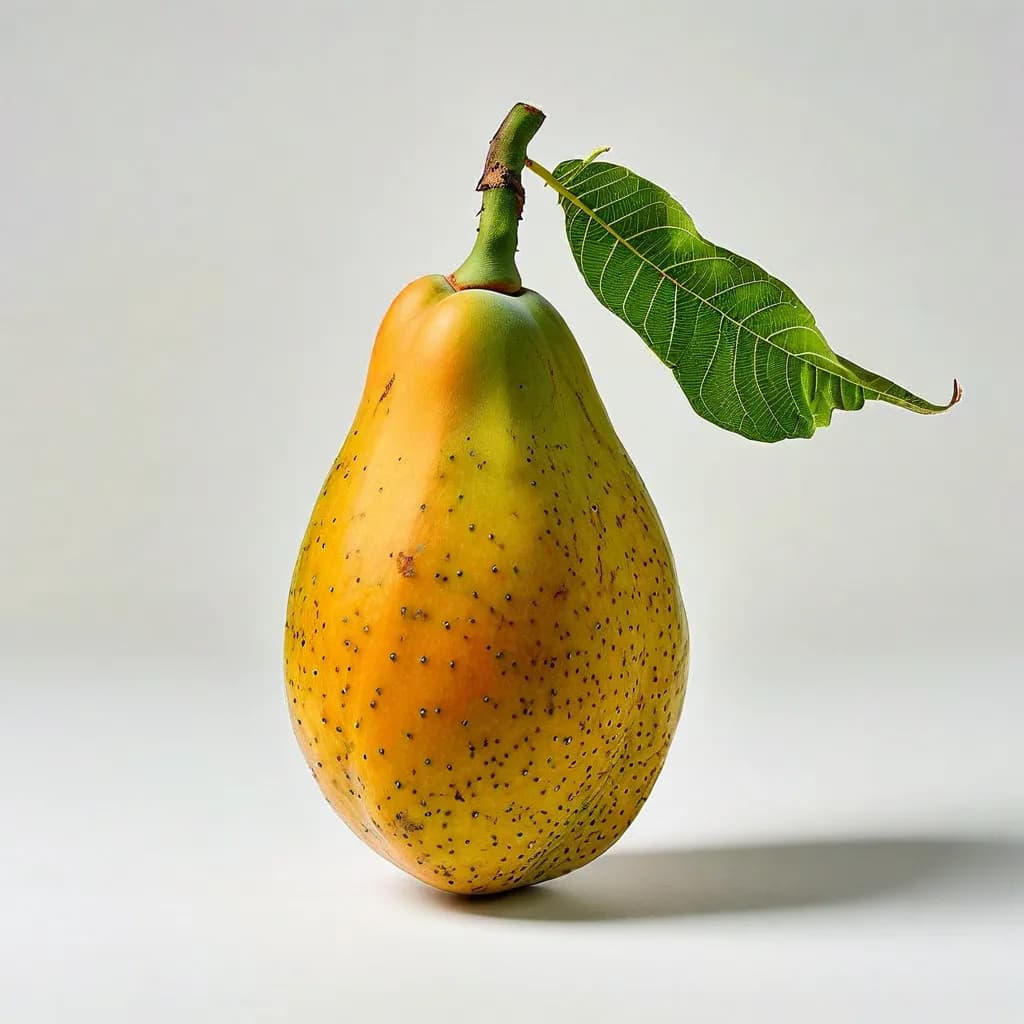
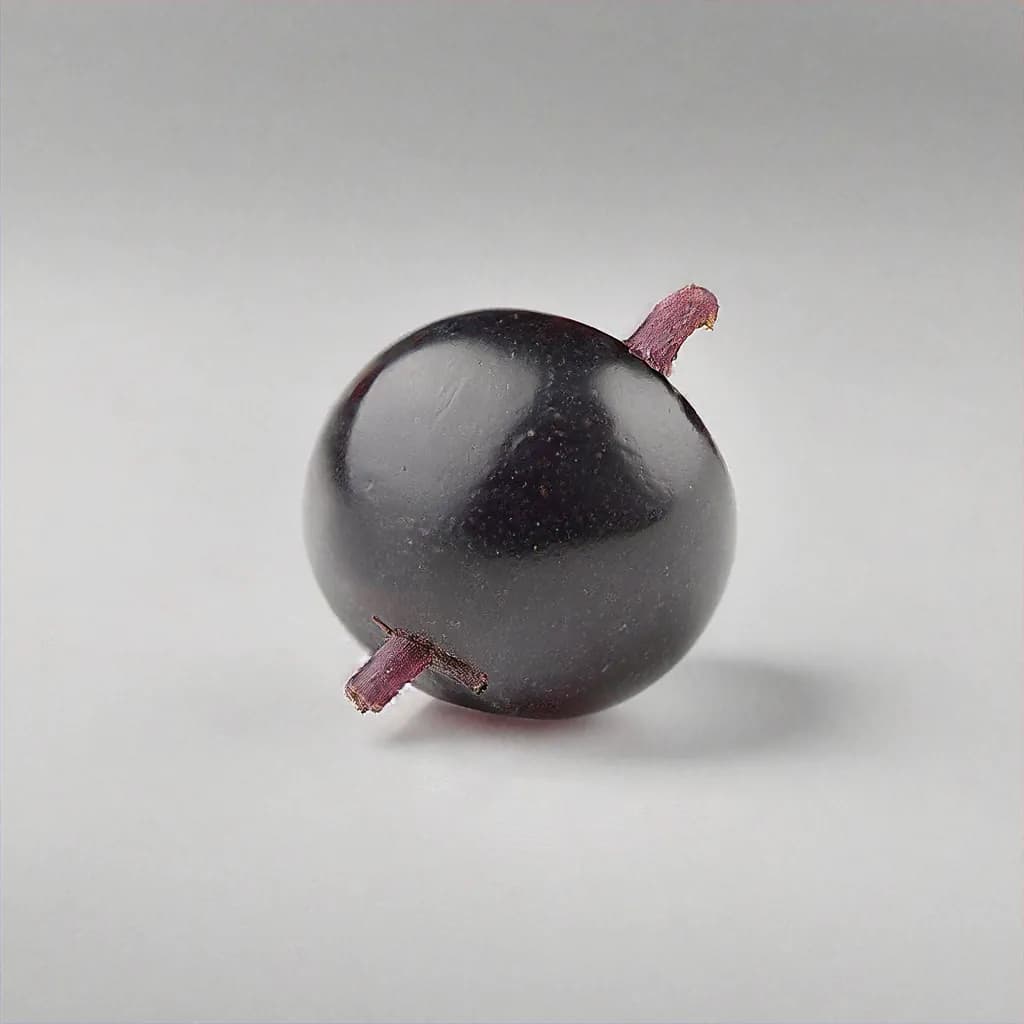
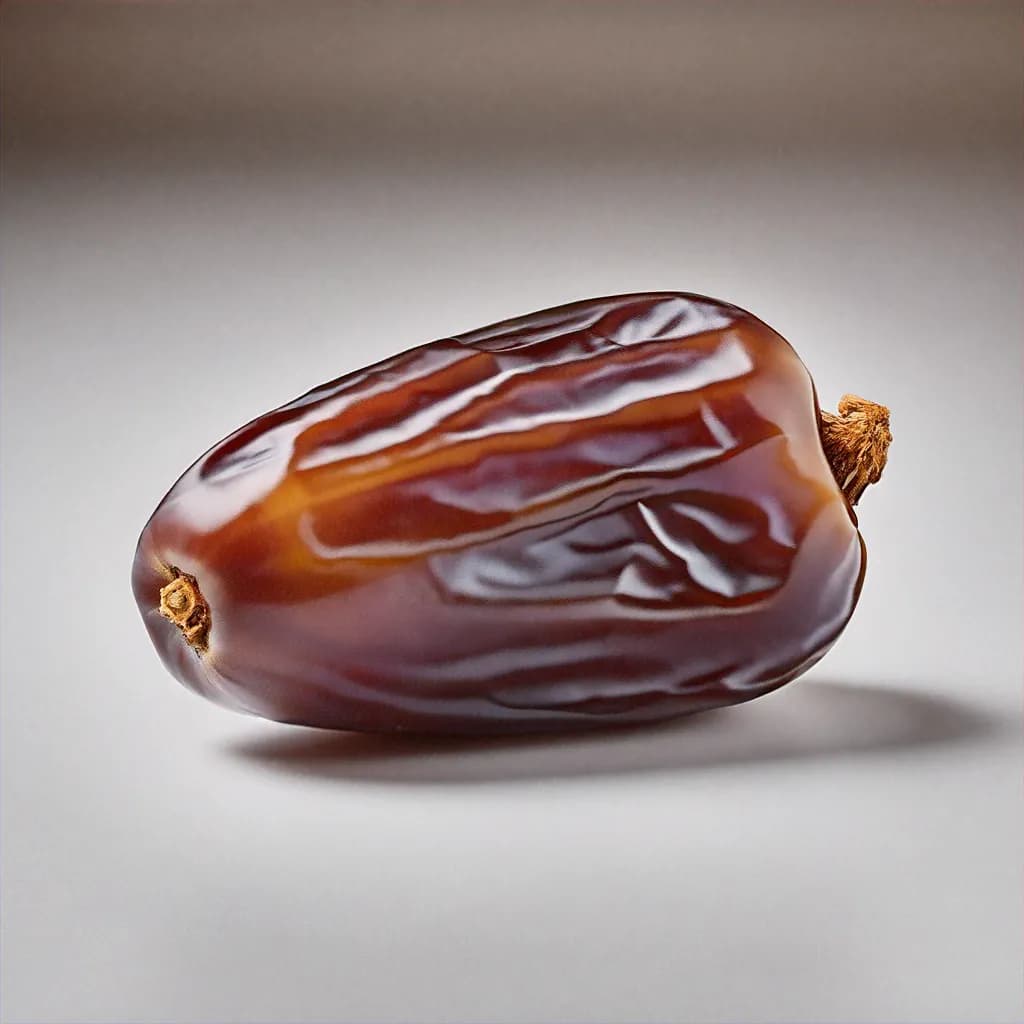
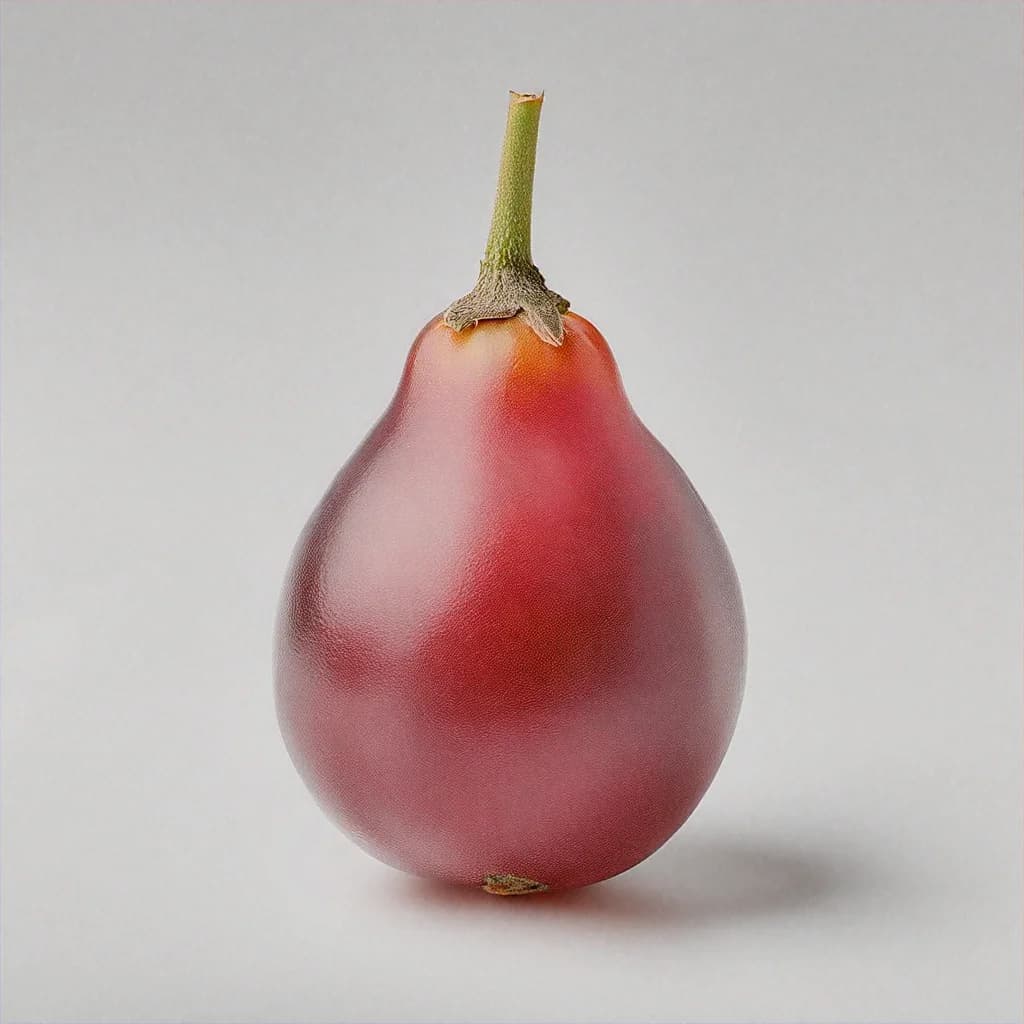
The African Wild Date, scientifically known as Phoenix reclinata, is a tropical fruit native to sub-Saharan Africa. This fruit grows on a tall, slender palm tree and is often referred to as the 'Senegal Date Palm.' The African Wild Date is a small, oval-shaped fruit with a thin, tough skin and a sweet, fibrous pulp surrounding a single seed. Its flavor profile is a delightful blend of sweetness and a hint of astringency, making it a unique addition to both sweet and savory dishes. Rich in dietary fiber, vitamins, and minerals, this fruit has been a staple in traditional African diets for centuries, offering both culinary versatility and numerous health benefits.
Explore African Wild Date in stunning detail
African Wild Date - Main View
Per 100g
Per 100g
Nutrition breakdown for one serving
Sub-Saharan Africa
The African Wild Date has been cultivated for centuries in sub-Saharan Africa, where it has been an important food source for indigenous communities. Its resilience to drought and ability to thrive in harsh conditions have made it a staple in traditional diets.
Year-round in tropical regions
Each variety offers unique flavors, textures, and culinary applications
Keep your fruit fresh and delicious for longer
Look for firm, unblemished fruits with a slight give when gently squeezed.
Avoid fruits with cracks, mold, or a strong fermented smell.
Store at room temperature for up to 5 days.
Refrigerate to extend shelf life to 10-14 days.
Preserve freshness for months
Freeze whole or pitted fruits in an airtight container for up to 3 months.
Thaw in the refrigerator before use.
Label frozen items with the date to track freshness. Most fruits maintain quality for 2-3 months when properly frozen. For best results, use airtight containers or freezer bags to prevent freezer burn.
Discover delicious possibilities
African Wild Dates are not known to be a common allergen, but individual sensitivities may vary.
Generally low, as the fruit is often grown organically in its native regions.
Surprising trivia you'll love!
The African Wild Date palm is often used for ornamental purposes in landscaping due to its elegant appearance.
In traditional African medicine, the fruit and leaves of the African Wild Date palm are used to treat various ailments.
The African Wild Date has a sweet flavor with a slight astringency, similar to a cross between a date and a plum.
Ripe African Wild Dates are firm but yield slightly to pressure, with a brown to reddish-brown color and no signs of mold or fermentation.
Yes, you can freeze African Wild Dates whole or pitted for up to 3 months. Thaw in the refrigerator before use.
African Wild Dates can be used in jams, desserts, salads, and even as a natural sweetener in smoothies or tea.
While they contain natural sugars, African Wild Dates have a low glycemic index, making them a healthier option for blood sugar management.
Yes, African Wild Dates have a low glycemic index and are rich in fiber, making them suitable for diabetics in moderation.
Yes, African Wild Dates are safe for children, but ensure the pits are removed to prevent choking hazards.
Sustainability insights
The African Wild Date palm is drought-resistant and requires minimal irrigation, making it a sustainable crop.
Low, due to minimal processing and transportation in its native regions.
Low, as the plant is adapted to arid conditions.
Locally grown African Wild Dates are more sustainable due to reduced transportation emissions.
We aim to keep this African Wild Date profile accurate and easy to understand. Nutrition values and % Daily Value figures are based on established reference databases and standard daily value guidance.
Last updated: September 29, 2026
Medical disclaimer
This page is for general educational purposes and does not replace professional medical advice.
Found an issue? Contact us.