Loading Fruit Details...
Please wait while we fetch nutritional information and health benefits
Please wait while we fetch nutritional information and health benefits
Recommended Products
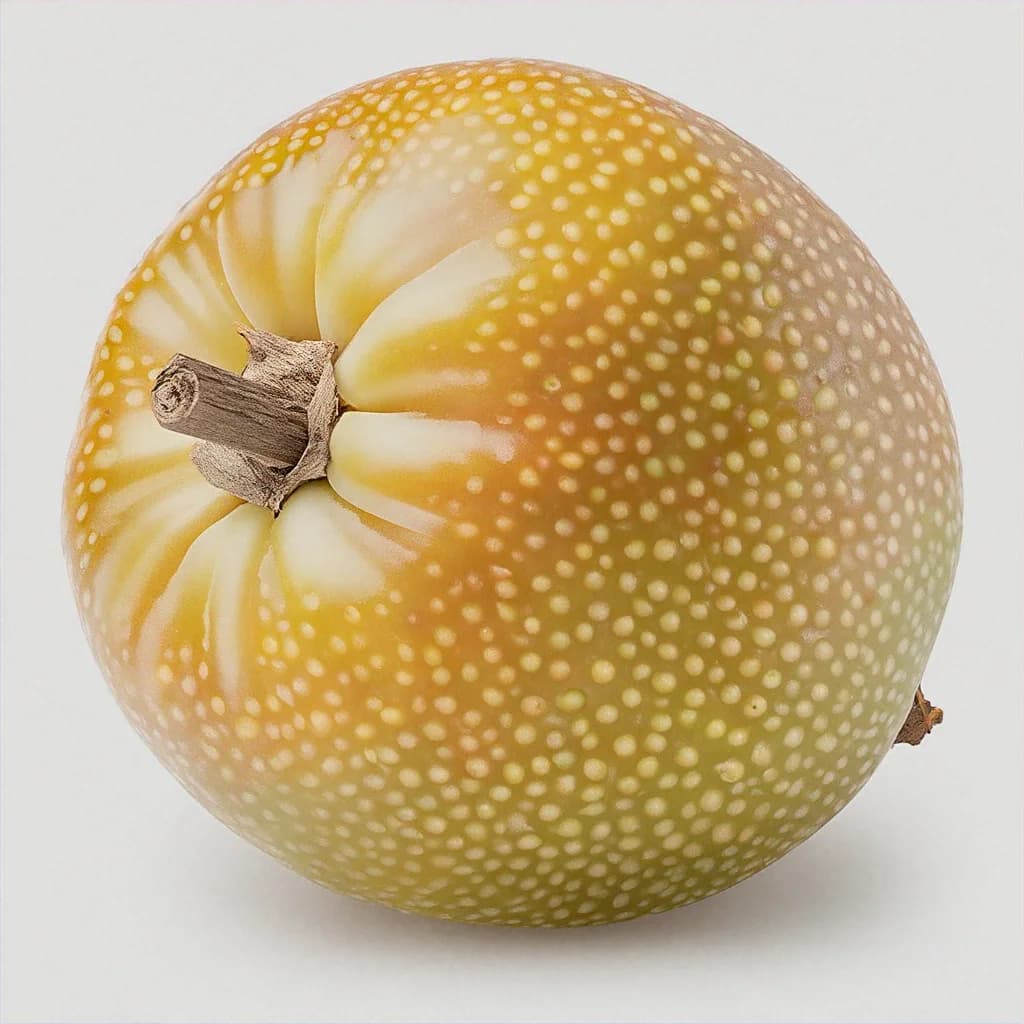
Vitellaria paradoxa
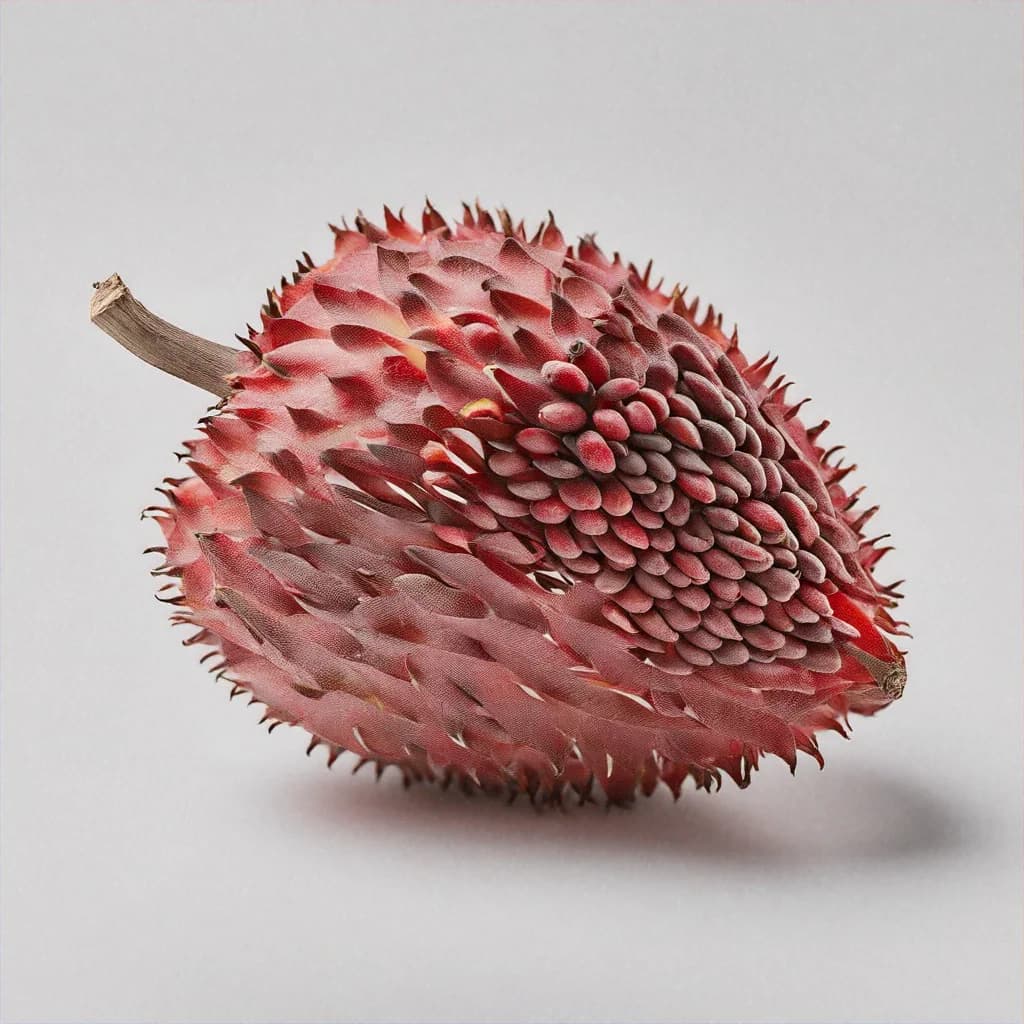
The Bush Butter Tree Fruit, scientifically known as Vitellaria paradoxa, is a treasure of the African savannah. Also referred to as 'Shea Butter Fruit,' it is prized for its rich, buttery pulp and nutrient-dense seeds. The fruit pulp is sweet and fleshy, often enjoyed fresh or fermented into beverages, while the seeds are processed into the globally renowned shea butter—a staple in cosmetics and skincare. Rich in vitamins, antioxidants, and healthy fats, the Bush Butter Tree Fruit offers both culinary and medicinal benefits. Its cultivation supports sustainable agroforestry practices, making it a valuable resource for local communities and the global market.
Explore Bush Butter Tree Fruit in stunning detail
Bush Butter Tree Fruit - Main View
Per 100g
Per 100g
Nutrition breakdown for one serving
West and Central Africa
The Bush Butter Tree has been cultivated for centuries in West Africa. Its seeds are traditionally processed into shea butter, a valuable commodity in local and global markets. The fruit itself is a staple food in many rural communities.
May to August
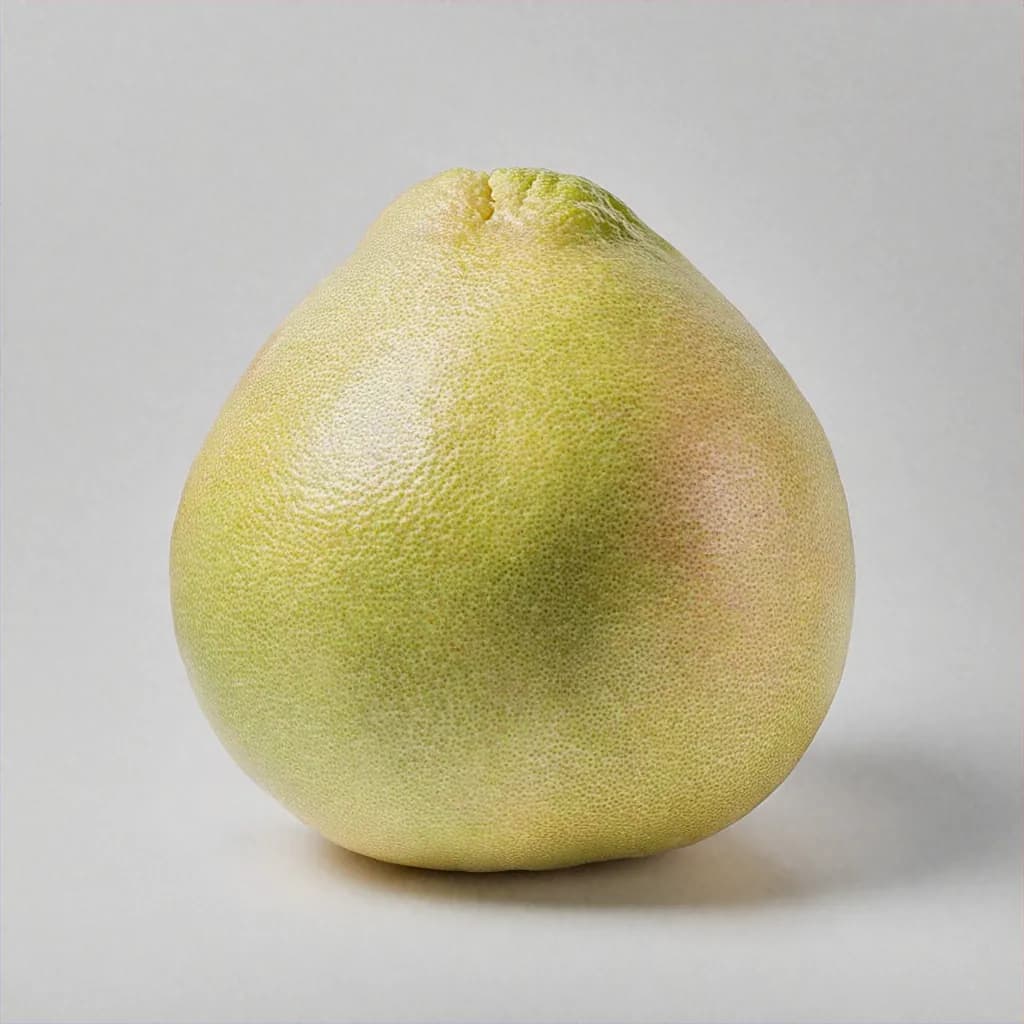
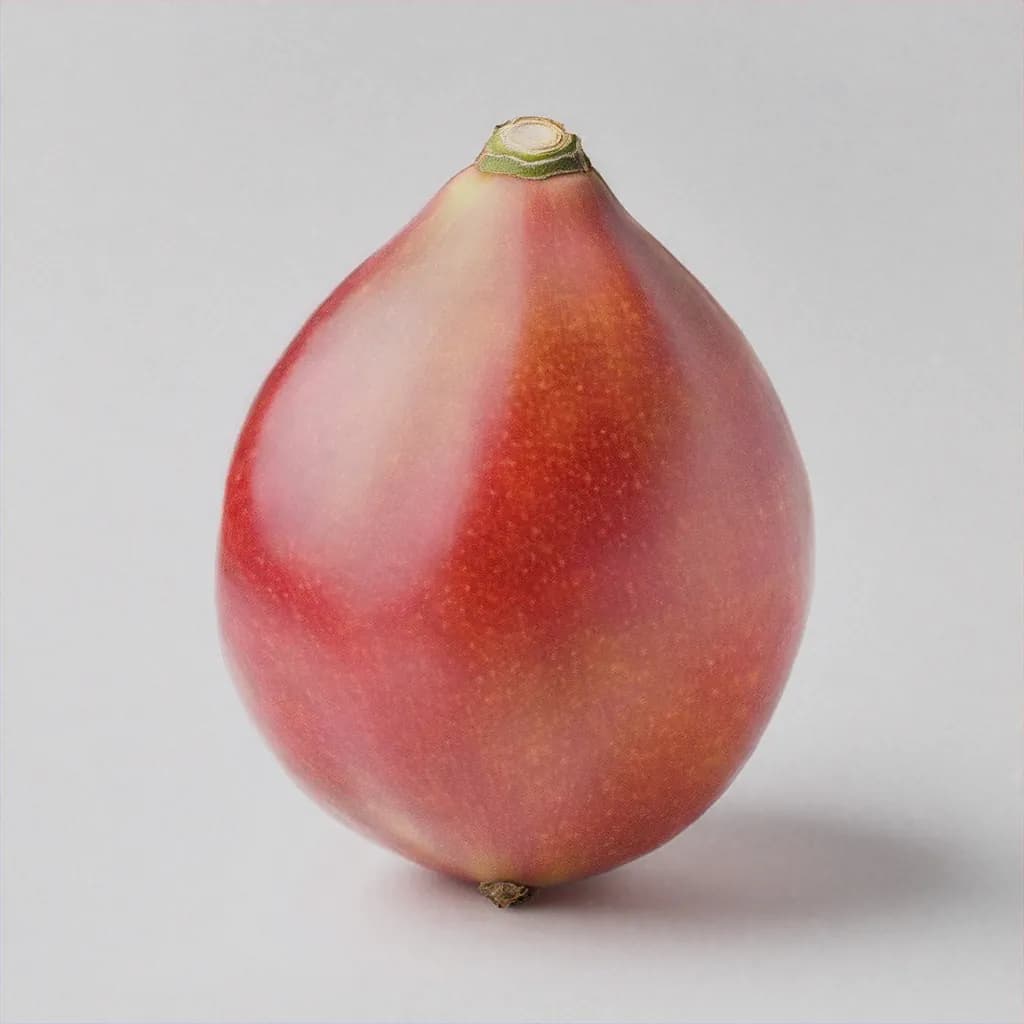
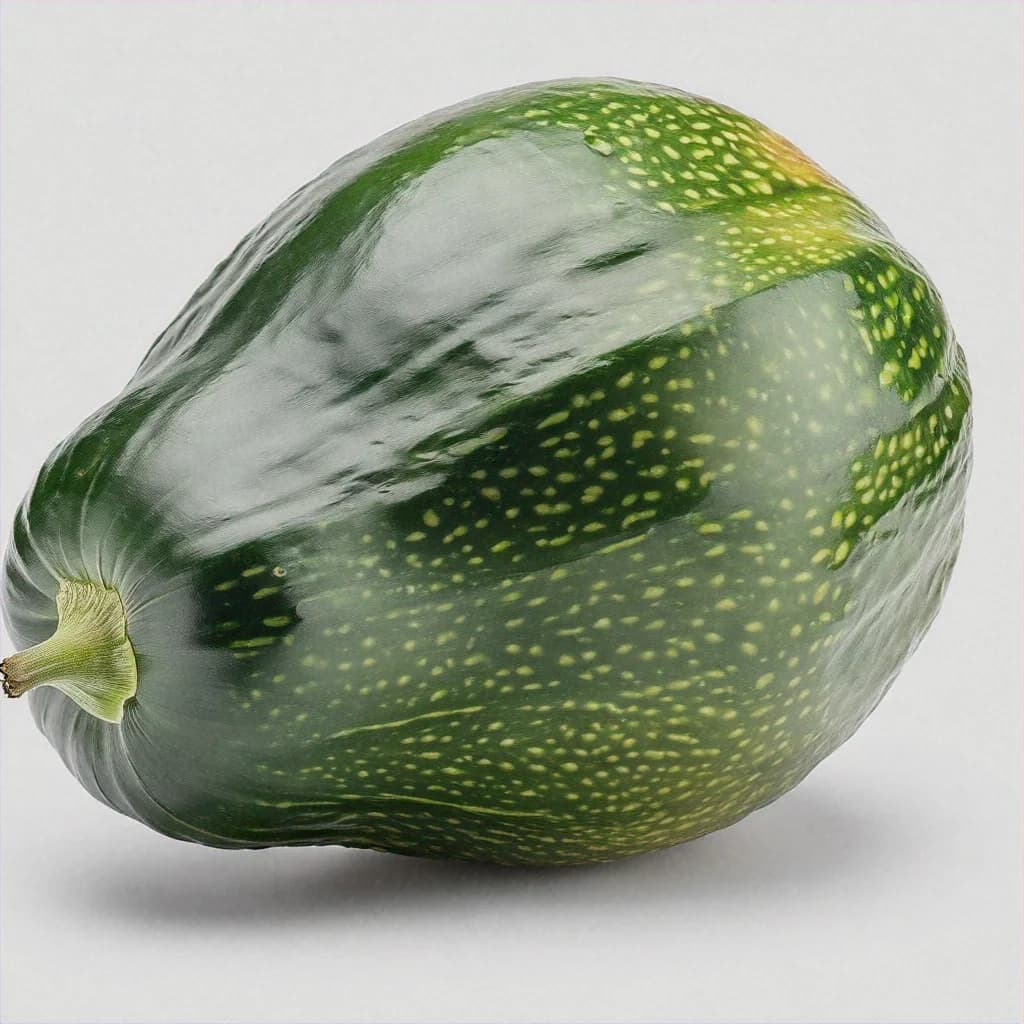
Each variety offers unique flavors, textures, and culinary applications
Keep your fruit fresh and delicious for longer
Look for fruits with a firm, unblemished skin.
Avoid fruits with soft spots or mold.
Store at room temperature for up to 3 days.
Refrigerate to extend shelf life to 1 week.
Preserve freshness for months
Freeze the pulp in an airtight container for up to 3 months.
Thaw in the refrigerator before use.
Label frozen items with the date to track freshness. Most fruits maintain quality for 2-3 months when properly frozen. For best results, use airtight containers or freezer bags to prevent freezer burn.
Discover delicious possibilities
Individuals with nut allergies should avoid consuming the seeds or products made from them.
Generally low, as the fruit is often grown organically in traditional settings.
Surprising trivia you'll love!
The Bush Butter Tree is often referred to as the 'Tree of Life' due to its numerous uses.
Shea butter, made from the fruit's seeds, is a multimillion-dollar global industry.
The Bush Butter Tree Fruit is the fruit of the Vitellaria paradoxa tree, native to West and Central Africa. It is known for its sweet pulp and seeds, which are used to make shea butter.
Ripe fruits have a firm, yellow-orange skin with no soft spots or blemishes. They should feel slightly heavy for their size.
Store at room temperature for up to 3 days or refrigerate to extend shelf life to 1 week. The pulp can also be frozen for up to 3 months.
The fruit can be eaten fresh, used in smoothies or desserts, or processed into beverages. The seeds are used to make shea butter, which is used in cooking and cosmetics.
It is rich in Vitamin C, Vitamin A, fiber, healthy fats, and minerals like potassium and magnesium.
While generally safe, individuals with nut allergies should avoid the seeds, as they are processed into shea butter.
Yes, its cultivation supports agroforestry practices, providing economic and environmental benefits to local communities.
Sustainability insights
The Bush Butter Tree supports sustainable agroforestry, providing shade for crops and preventing soil erosion.
Low, as the fruit is typically grown locally and processed using traditional methods.
Moderate, as the tree is drought-resistant and requires minimal irrigation.
Local production is preferred, as it supports community livelihoods and reduces transportation emissions.
We aim to keep this Bush Butter Tree Fruit profile accurate and easy to understand. Nutrition values and % Daily Value figures are based on established reference databases and standard daily value guidance.
Last updated: October 3, 2026
Medical disclaimer
This page is for general educational purposes and does not replace professional medical advice.
Found an issue? Contact us.