Loading Fruit Details...
Please wait while we fetch nutritional information and health benefits
Please wait while we fetch nutritional information and health benefits
Recommended Products

Stenocereus queretaroensis
Pitaya, also known as dragon fruit, is a vibrant and exotic fruit native to Central and South America. This fruit is celebrated for its striking appearance, featuring bright red or yellow skin with green scales, resembling the skin of a dragon. Inside, the flesh is speckled with tiny black seeds, similar to a kiwi. Pitaya has a mildly sweet, slightly tart flavor, often described as a blend of kiwi and pear. Rich in antioxidants, fiber, and vitamins, pitaya offers numerous health benefits. Its versatility in culinary applications makes it a favorite in smoothies, salads, and desserts, while its nutritional profile supports digestive health, immune function, and overall well-being.
Explore Pitaya in stunning detail
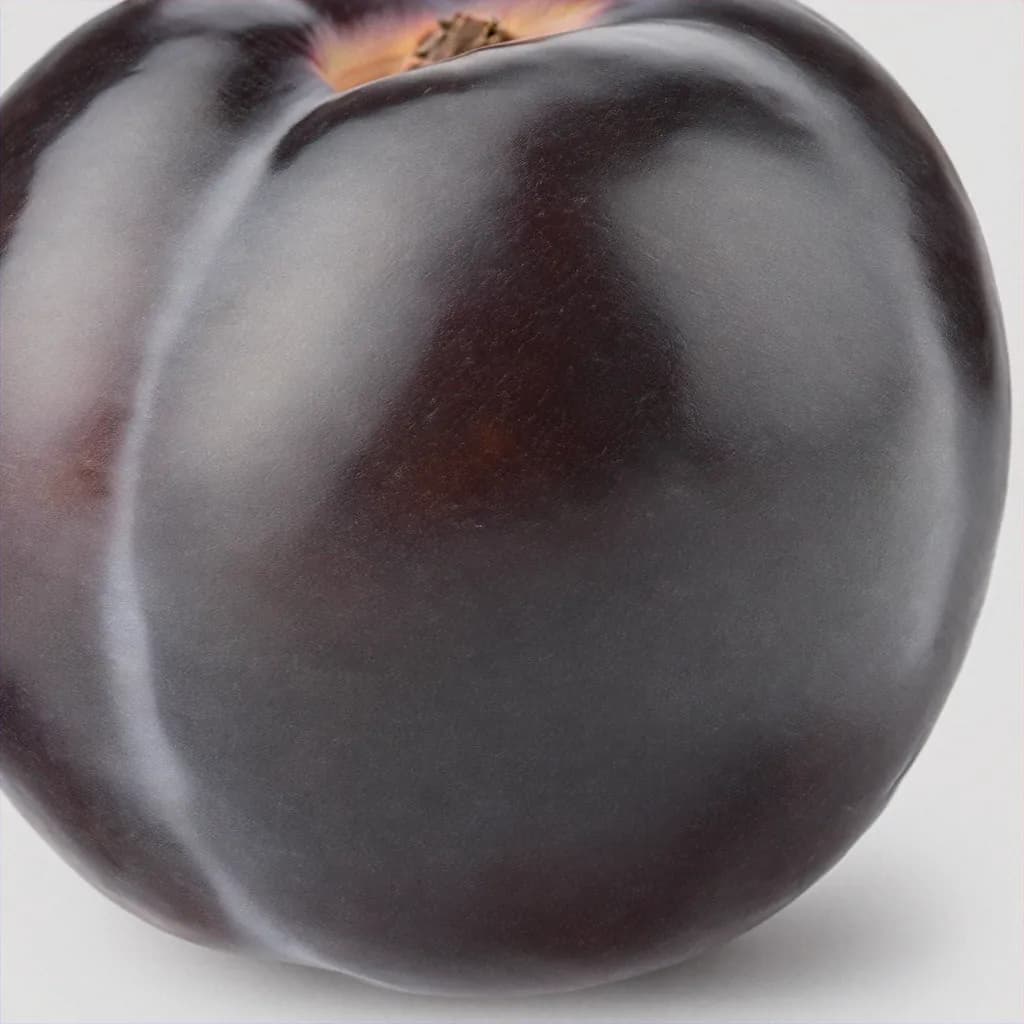
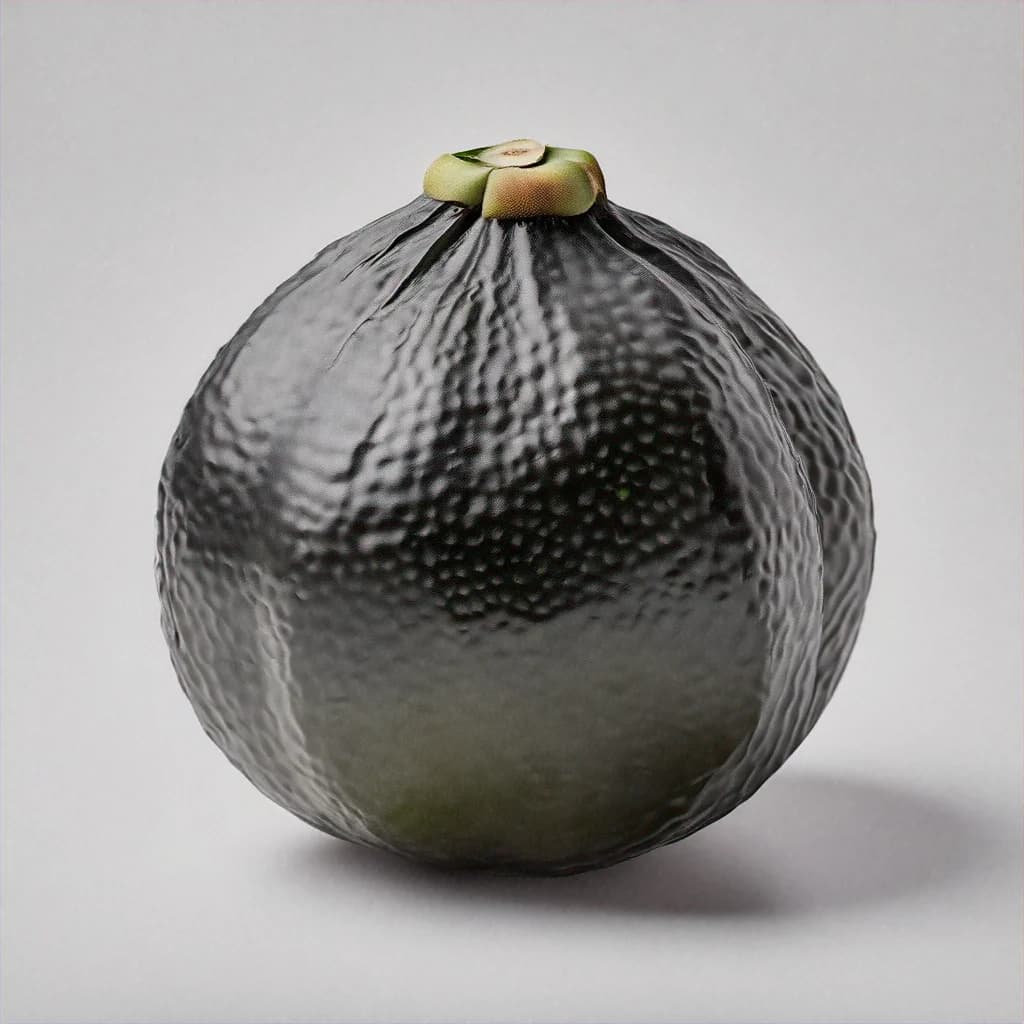
Pitaya - Main View
Per 100g
Per 100g
Nutrition breakdown for one serving
Central and South America
Pitaya has been cultivated for centuries in Central and South America. Its cultivation spread to Southeast Asia in the early 20th century, where it became a staple in many tropical regions.
Year-round in tropical regions; summer in temperate regions.
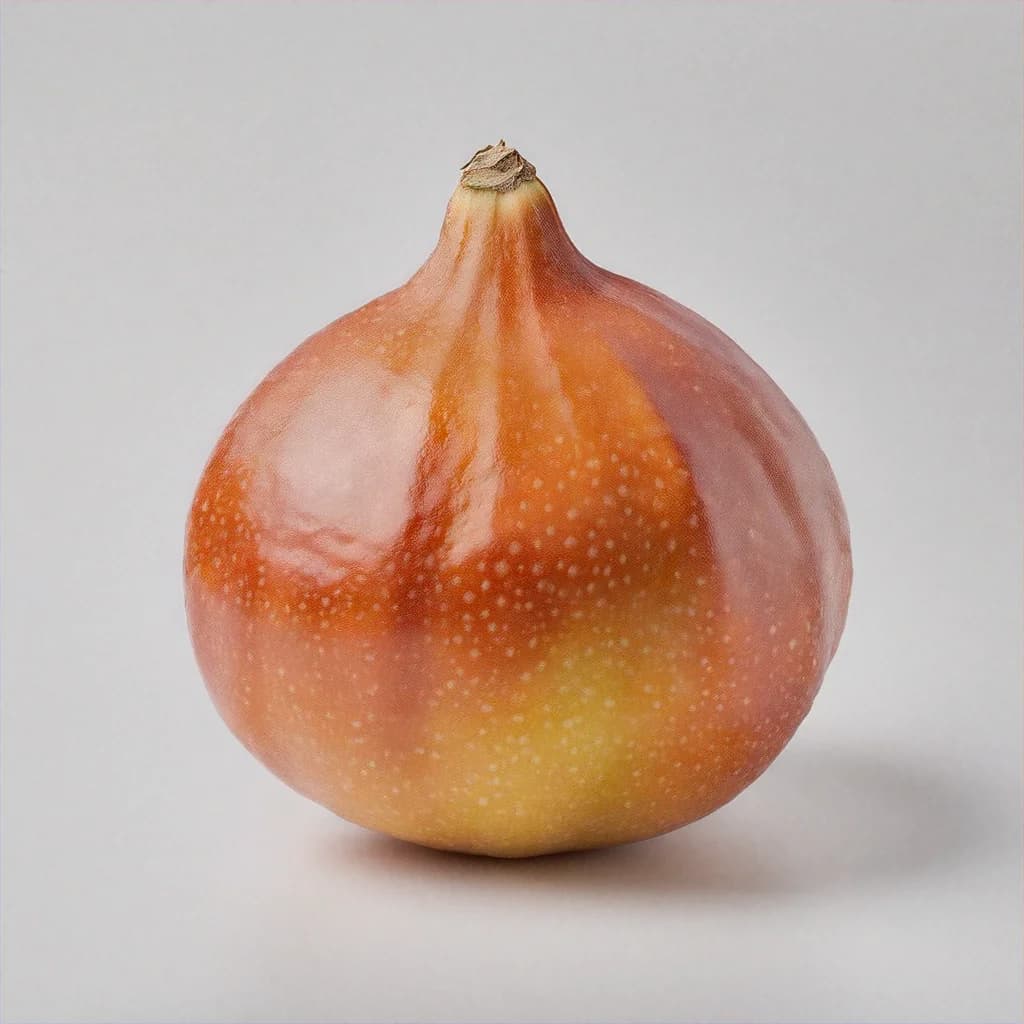
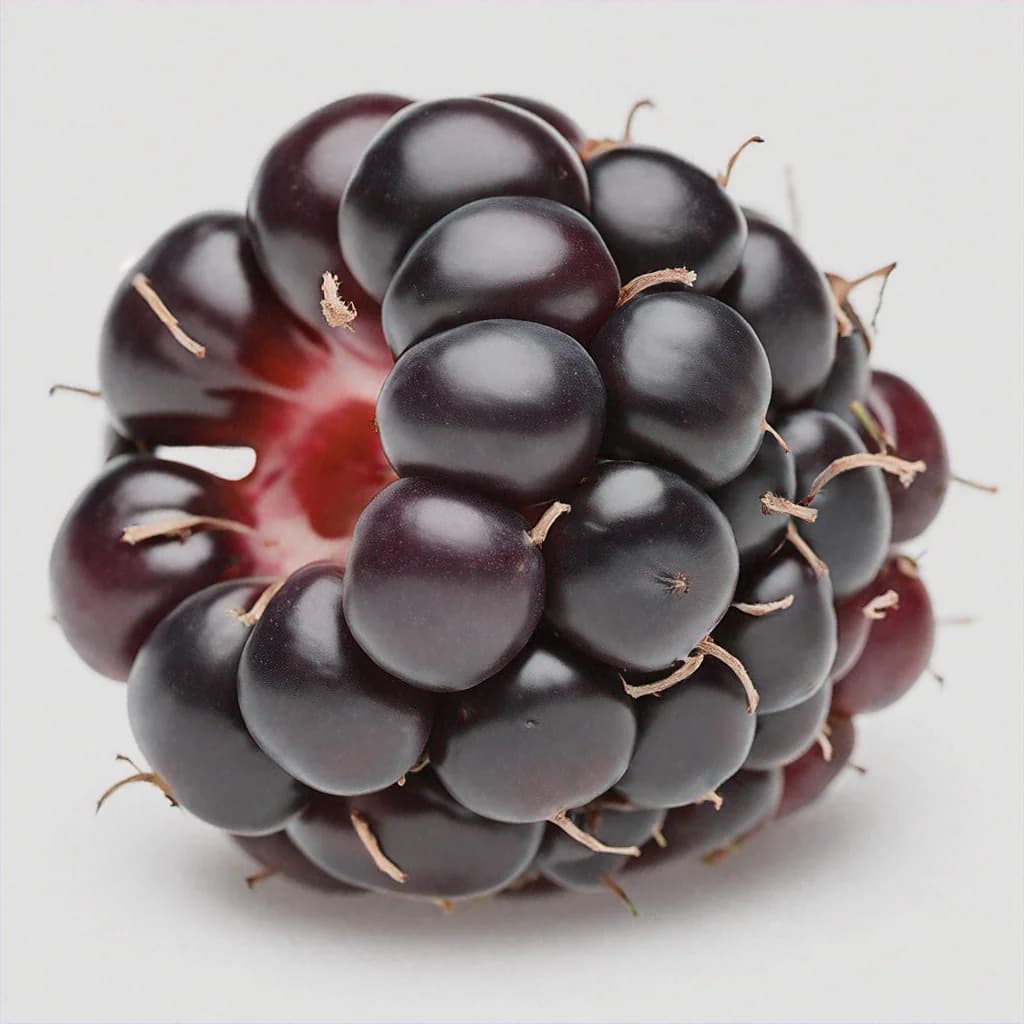
Each variety offers unique flavors, textures, and culinary applications
Keep your fruit fresh and delicious for longer
Look for bright, evenly colored skin without blemishes.
Gently press the fruit; it should give slightly but not be overly soft.
Avoid fruits with dry, shriveled skin or mold.
Store at room temperature for up to 5 days.
Refrigerate for up to 2 weeks in a sealed container.
Avoid storing near ethylene-producing fruits like bananas and apples.
Preserve freshness for months
Cut into cubes and freeze in an airtight container for up to 3 months.
Use frozen pitaya in smoothies or as a topping for desserts.
Label frozen items with the date to track freshness. Most fruits maintain quality for 2-3 months when properly frozen. For best results, use airtight containers or freezer bags to prevent freezer burn.
Discover delicious possibilities
Pitaya is generally considered hypoallergenic, but individual allergies can occur.
Pitaya is typically low in pesticide residue, but organic options are available for those concerned about pesticide exposure.
Surprising trivia you'll love!
Pitaya is often called 'dragon fruit' due to its scaly outer appearance.
The bright pink or yellow skin of pitaya makes it a popular ingredient in visually appealing dishes.
Pitaya grows on a cactus plant and is native to Central and South America.
Pitaya has a mildly sweet, slightly tart flavor, often compared to a blend of kiwi and pear.
A ripe pitaya will have bright, evenly colored skin and give slightly when pressed. Avoid overly soft or shriveled fruits.
Yes, pitaya can be stored in the refrigerator for up to 2 weeks in a sealed container.
Pitaya can be blended into smoothies, added to fruit salads, used as a topping for yogurt, or incorporated into desserts like sorbets and tarts.
Pitaya has a moderate sugar content of 7.6g per 100g, making it a balanced choice for those watching their sugar intake.
There are no known significant interactions between pitaya and medications. However, always consult a healthcare provider if you have concerns.
Pitaya has a low glycemic index and can be consumed in moderation by people with diabetes. Always monitor blood sugar levels and consult a healthcare provider.
Sustainability insights
Pitaya is a sustainable crop, as it requires minimal water and grows on cactus plants, which are drought-resistant.
Low carbon footprint due to minimal transportation and storage requirements.
Pitaya plants require minimal irrigation, making them a water-efficient crop.
Locally grown pitaya is more sustainable, but imported varieties from tropical regions are also eco-friendly due to their low water and energy requirements.
We aim to keep this Pitaya profile accurate and easy to understand. Nutrition values and % Daily Value figures are based on established reference databases and standard daily value guidance.
Last updated: October 5, 2026
Medical disclaimer
This page is for general educational purposes and does not replace professional medical advice.
Found an issue? Contact us.