Loading Fruit Details...
Please wait while we fetch nutritional information and health benefits
Please wait while we fetch nutritional information and health benefits
Recommended Products
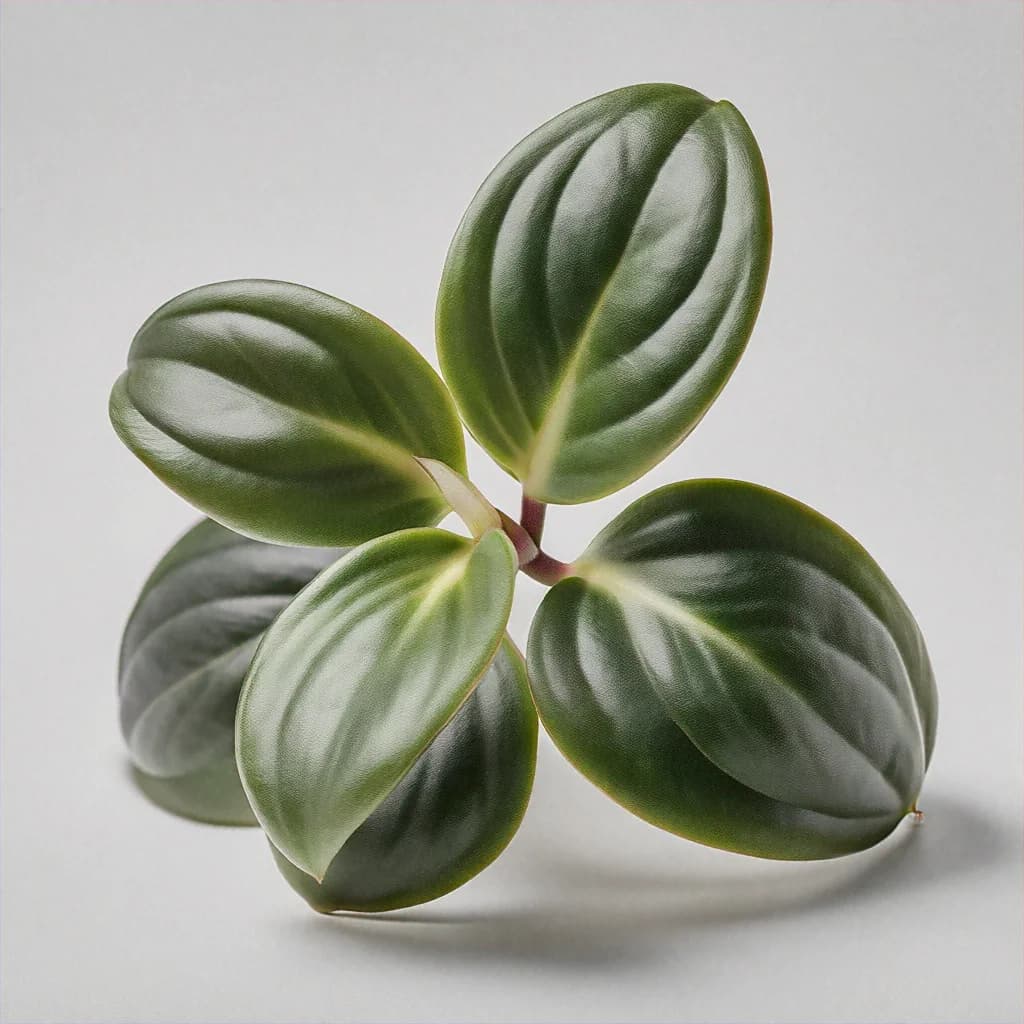
Peperomia spp.
Peperomia, a diverse genus of tropical and subtropical plants, is often cultivated for its ornamental value rather than its fruit. While not a traditional fruit in the culinary sense, some species produce small, often inedible berries. Peperomia plants are prized for their attractive foliage and adaptability to indoor environments. They thrive in bright, indirect light and require minimal care, making them popular houseplants. Peperomia species are known for their air-purifying qualities and are often used in terrariums or as decorative accents in homes and offices. While not typically consumed, the leaves and stems of certain species have been used in traditional medicine for their purported health benefits.
Explore Peperomia in stunning detail
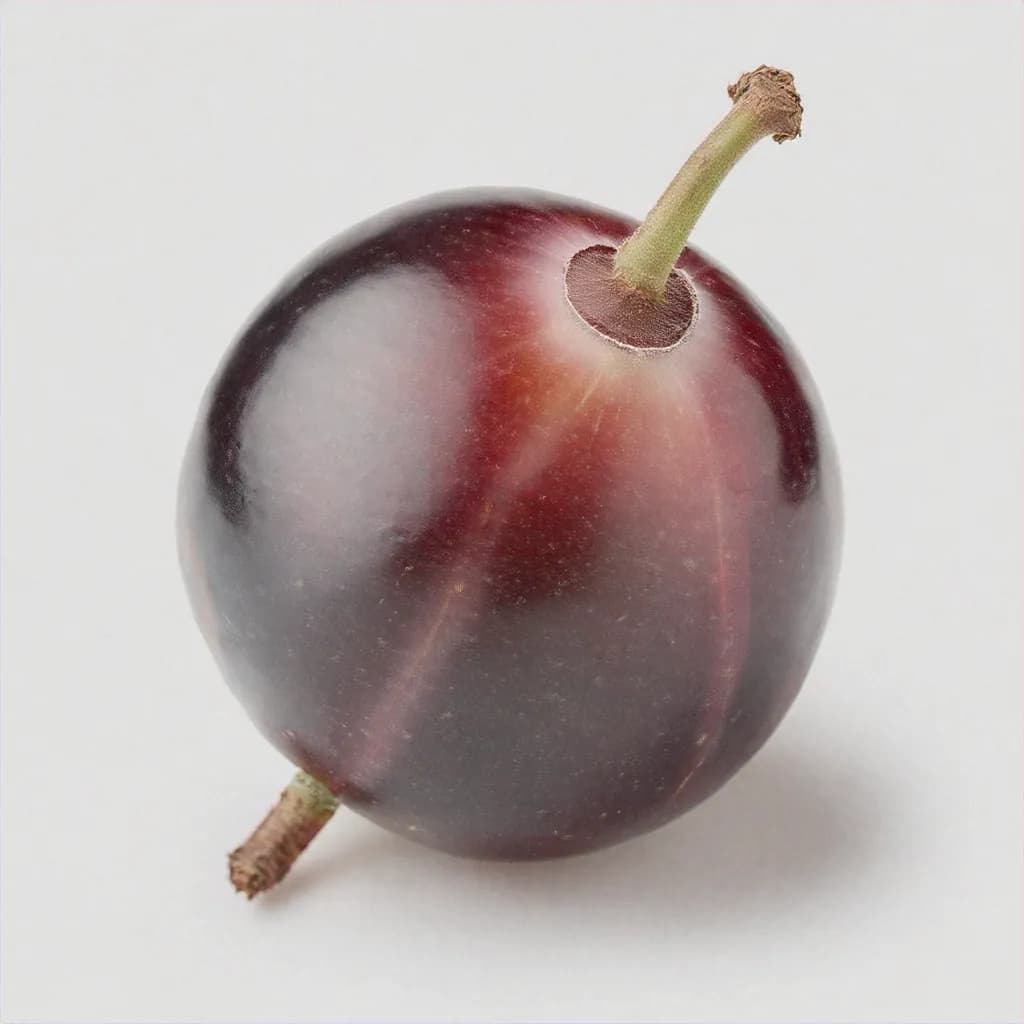
Peperomia - Main View
Per 100g
Per 100g
Nutrition breakdown for one serving
Tropical and subtropical regions of Central and South America
Peperomia plants have been cultivated for centuries for their ornamental value and medicinal properties. They were traditionally used by indigenous communities for various health remedies.
Year-round
Each variety offers unique flavors, textures, and culinary applications
Keep your fruit fresh and delicious for longer
Look for plants with vibrant, healthy leaves.
Avoid plants with yellowing or wilting leaves.
Keep in a well-lit area with indirect sunlight.
Water moderately, allowing the soil to dry slightly between waterings.
Preserve freshness for months
Not applicable for live plants.
Label frozen items with the date to track freshness. Most fruits maintain quality for 2-3 months when properly frozen. For best results, use airtight containers or freezer bags to prevent freezer burn.
Discover delicious possibilities
Some individuals may experience allergic reactions to Peperomia plants.
Peperomia plants are generally low in pesticide residues but may be treated with pesticides during cultivation.
Surprising trivia you'll love!
Peperomia plants are often referred to as 'radiator plants' due to their ability to thrive in warm, dry indoor environments.
Some Peperomia species are epiphytes, meaning they grow on other plants or surfaces.
Peperomia plants are known for their air-purifying qualities and can help remove toxins from indoor environments.
Look for plants with vibrant, healthy leaves and avoid those with yellowing or wilting foliage.
Keep them in a well-lit area with indirect sunlight and water moderately, allowing the soil to dry slightly between waterings.
Peperomia is not typically used in cooking, but some species may be used in traditional herbal teas.
Peperomia contains antioxidants, vitamin C, and fiber, which can support overall health.
While generally safe, some individuals may experience allergic reactions to Peperomia plants.
Peperomia plants should not be frozen as they are live plants and will not survive freezing temperatures.
Sustainability insights
Peperomia plants are generally sustainable and require minimal resources to grow.
Low carbon footprint due to minimal transportation and cultivation needs.
Moderate water usage, typically requiring watering once or twice a week.
Peperomia plants are often imported from tropical regions but can be locally cultivated in greenhouses.
We aim to keep this Peperomia profile accurate and easy to understand. Nutrition values and % Daily Value figures are based on established reference databases and standard daily value guidance.
Last updated: September 26, 2026
Medical disclaimer
This page is for general educational purposes and does not replace professional medical advice.
Found an issue? Contact us.