Loading Fruit Details...
Please wait while we fetch nutritional information and health benefits
Please wait while we fetch nutritional information and health benefits
Recommended Products
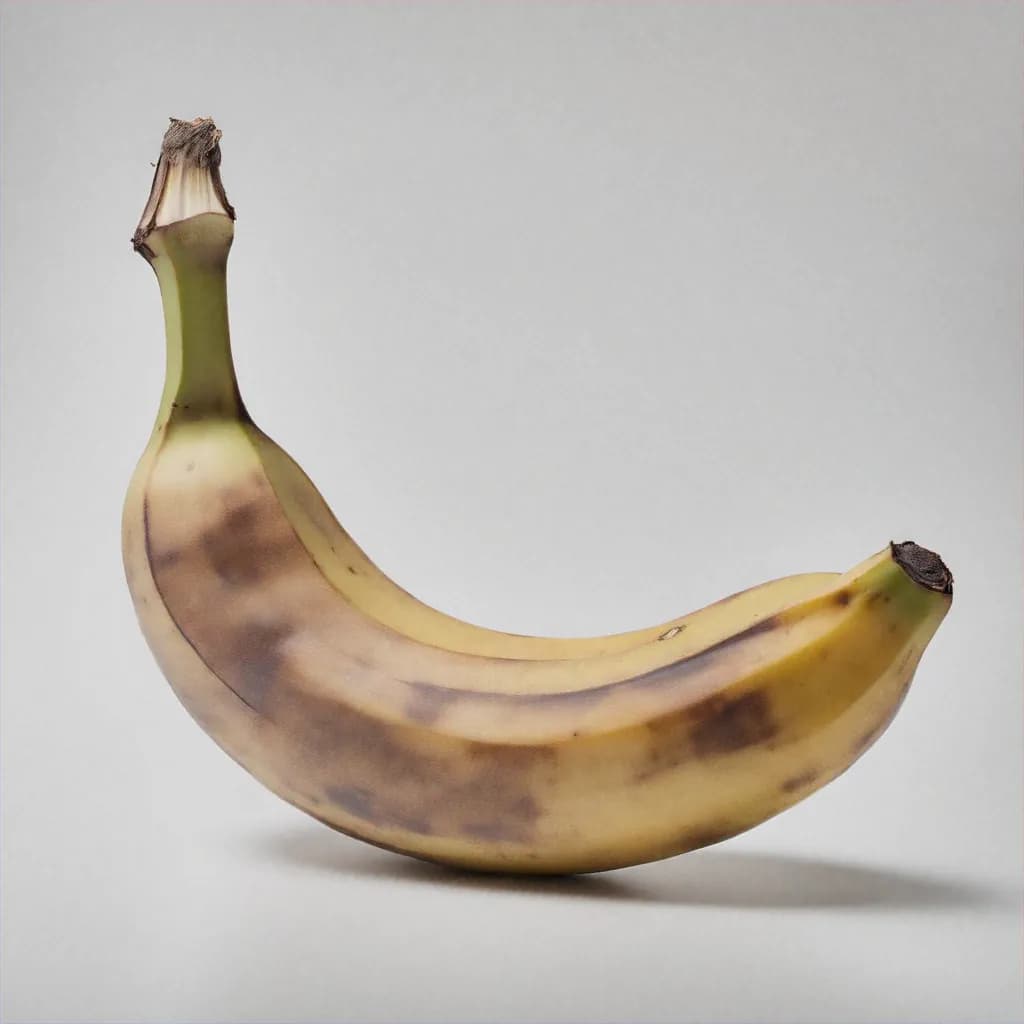
Musa × paradisiaca
Plantain is a starchy, nutrient-dense fruit closely related to bananas, widely consumed as a staple food across tropical regions. Unlike sweet bananas, plantains are typically cooked and valued for their complex carbohydrates, dietary fiber, potassium, and vitamin B6. With higher starch content and lower sugar levels when unripe, plantains provide sustained energy, digestive support, and metabolic balance. Rich in resistant starch and essential micronutrients, plantains play a vital role in traditional cuisines, food security, and modern nutrition-focused diets worldwide.
Explore Plantain in stunning detail
Plantain - Main View
Per 100g
Per 100g
Nutrition breakdown for one serving
Southeast Asia
Plantains originated in Southeast Asia and spread to Africa and the Americas through early trade routes. They became a major staple food in tropical regions due to their high energy content, versatility, and reliability as a crop. Today, plantains are essential to global food security and are deeply embedded in traditional African, Caribbean, Latin American, and South Asian cuisines.
Available year-round
Each variety offers unique flavors, textures, and culinary applications
Keep your fruit fresh and delicious for longer
Choose green plantains for savory cooking
Select yellow or blackened plantains for sweeter recipes
Avoid moldy or leaking fruit
Store at room temperature until desired ripeness
Do not refrigerate unripe plantains
Refrigerate peeled or cooked plantains
Preserve freshness for months
Peel and slice before freezing
Freeze cooked plantains for best texture
Frozen plantains keep up to 6 months
Label frozen items with the date to track freshness. Most fruits maintain quality for 2-3 months when properly frozen. For best results, use airtight containers or freezer bags to prevent freezer burn.
Discover delicious possibilities
Plantain allergies are rare.
Peel before consumption; wash outer skin thoroughly.
Surprising trivia you'll love!
Plantains are a staple food for over 400 million people
They contain more starch than bananas
Often used as a vegetable rather than a fruit
Green and ripe plantains have different culinary uses
Naturally gluten-free
Yes, plantains are rich in potassium, fiber, and complex carbohydrates that support energy, digestion, and heart health.
Plantains are typically eaten cooked, as raw plantains are very starchy and hard to digest.
Plantains are starchier, less sweet, and usually cooked, while bananas are sweeter and eaten raw.
Yes, their fiber content helps support healthy digestion and gut function.
Yes, plantains are an excellent source of slow-releasing carbohydrates for sustained energy.
Unripe plantains are starchy and savory, while ripe plantains become sweeter and softer.
Yes, when eaten in moderation, their fiber content promotes fullness.
Plantains are commonly fried, boiled, baked, roasted, or grilled in various cuisines.
Plantains are ripe when the peel turns yellow with black spots and the flesh softens.
Yes, plantains are naturally gluten-free.
Plantains are widely grown in tropical regions of Africa, Latin America, and Asia.
Yes, plantains are an excellent source of potassium, supporting muscle and nerve function.
Plantains should be stored at room temperature until ripe, then refrigerated if needed.
Yes, plantains are a staple ingredient in many traditional African, Caribbean, and Latin American dishes.
Sustainability insights
Plantains are a resilient crop supporting food security.
Low when locally grown.
Moderate water requirement.
Local sourcing reduces emissions.
We aim to keep this Plantain profile accurate and easy to understand. Nutrition values and % Daily Value figures are based on established reference databases and standard daily value guidance.
Last updated: September 8, 2026
Medical disclaimer
This page is for general educational purposes and does not replace professional medical advice.
Found an issue? Contact us.