Loading Fruit Details...
Please wait while we fetch nutritional information and health benefits
Please wait while we fetch nutritional information and health benefits
Recommended Products
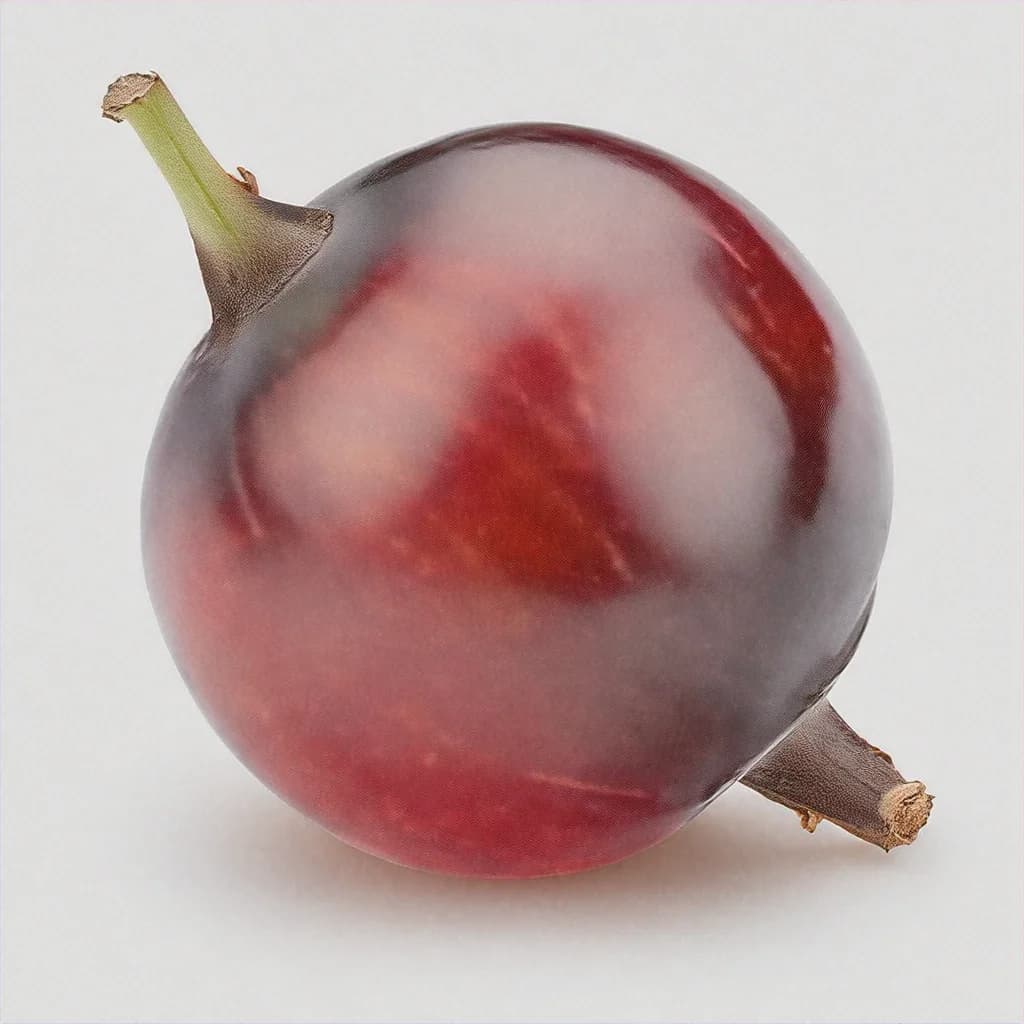
Leptomeria acida
The Native Currant, scientifically known as Leptomeria acida, is a unique and intriguing fruit native to Australia. This small, tart fruit is packed with essential nutrients and antioxidants, making it a powerhouse for health enthusiasts. Its vibrant red color and tangy flavor make it a favorite for culinary experiments, from jams and jellies to refreshing beverages. Beyond its culinary appeal, the Native Currant is valued for its medicinal properties, traditionally used by indigenous communities for its healing benefits. Whether enjoyed fresh or incorporated into recipes, the Native Currant is a delightful addition to any diet.
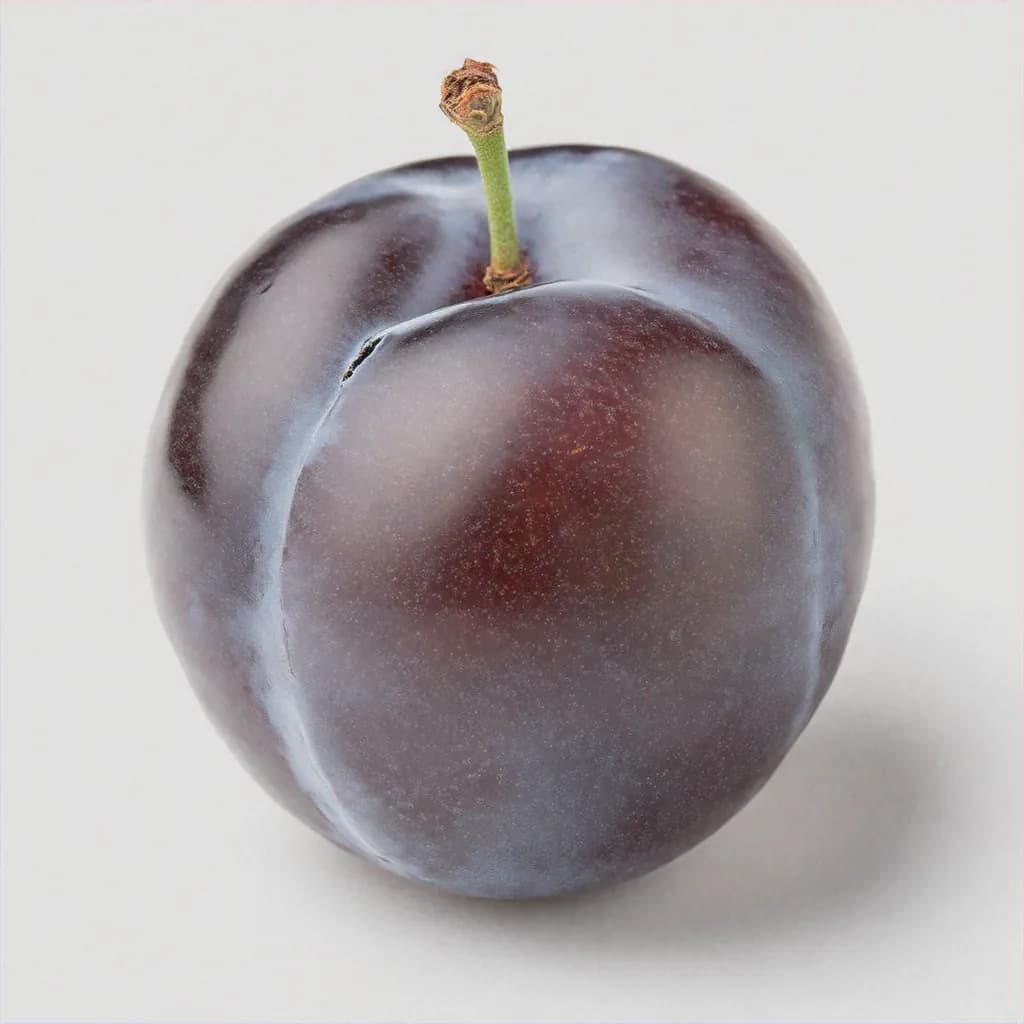
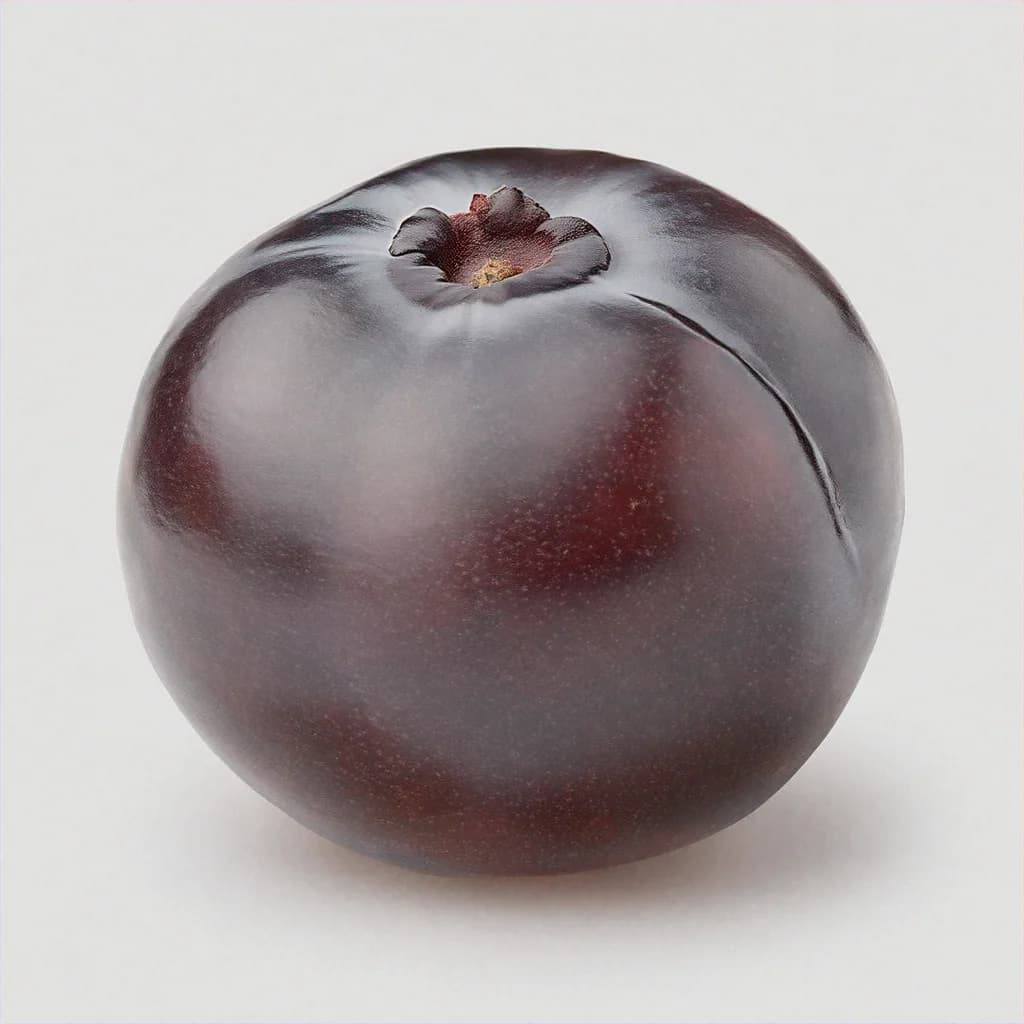
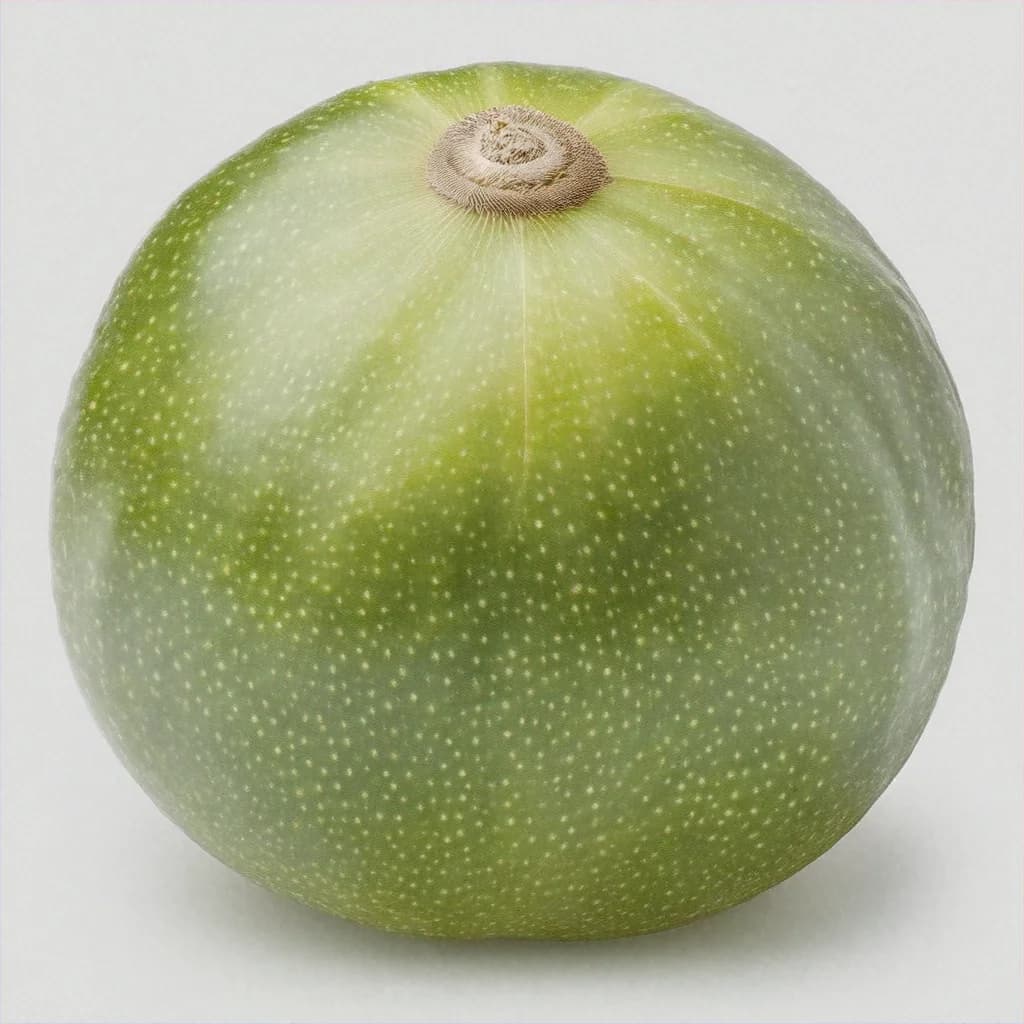
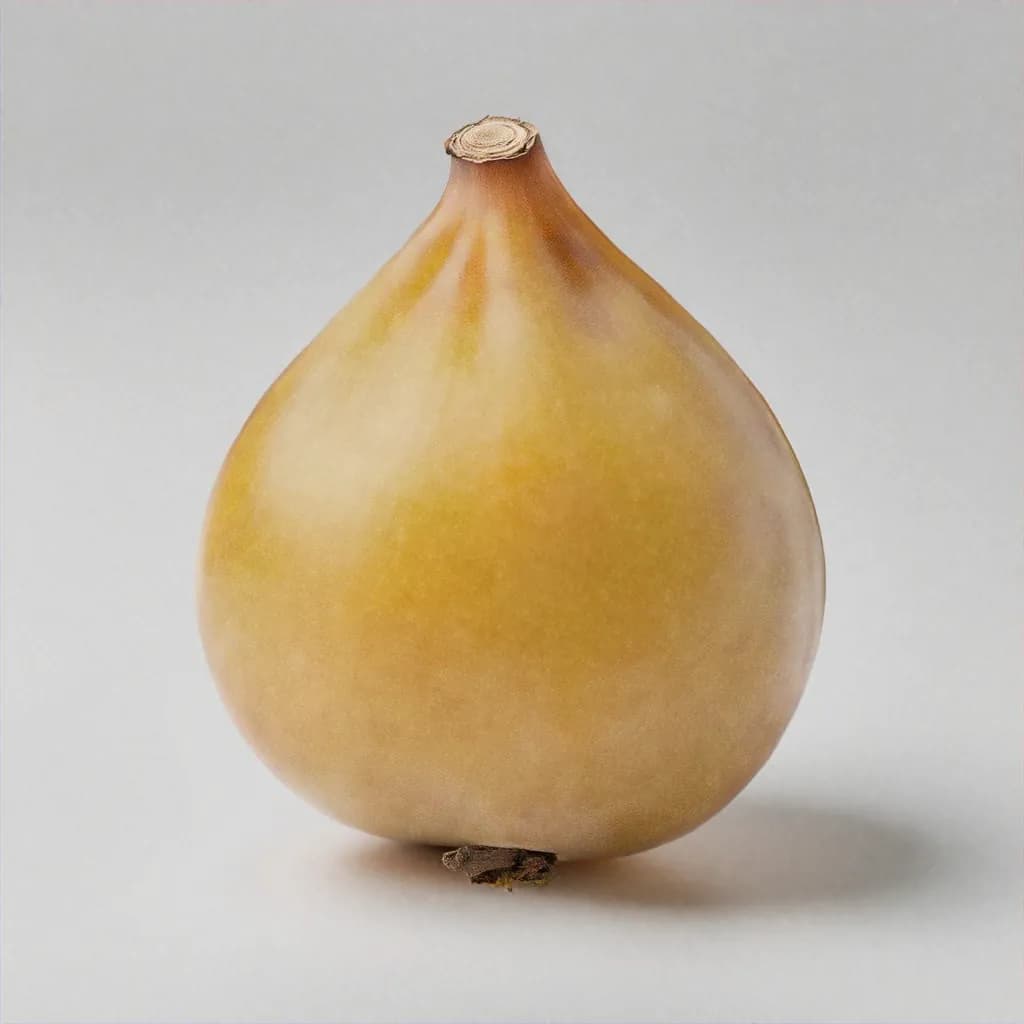
Explore Native Currant in stunning detail
Native Currant - Main View
Per 100g
Per 100g
Nutrition breakdown for one serving
Australia
The Native Currant has been a staple in the diets of indigenous Australian communities for centuries, valued for its nutritional and medicinal properties.
Spring to early summer
Each variety offers unique flavors, textures, and culinary applications
Keep your fruit fresh and delicious for longer
Look for firm, bright red currants with no signs of bruising.
Choose currants that are plump and free from mold.
Store in a cool, dry place away from direct sunlight.
Refrigerate to extend shelf life.
Preserve freshness for months
Freeze whole currants in a single layer on a baking sheet before transferring to an airtight container.
Use frozen currants within 6 months for best quality.
Label frozen items with the date to track freshness. Most fruits maintain quality for 2-3 months when properly frozen. For best results, use airtight containers or freezer bags to prevent freezer burn.
Discover delicious possibilities
No known allergies associated with Native Currants.
Native Currants are typically grown organically with minimal pesticide use.
Surprising trivia you'll love!
Native Currants have been used by indigenous Australians for centuries for their medicinal properties.
The vibrant red color of Native Currants comes from anthocyanins, powerful antioxidants.
Native Currants are often referred to as 'bush food' in Australian cuisine.
Store Native Currants in a cool, dry place or refrigerate them to extend their shelf life up to 10 days.
Ripe Native Currants are bright red, plump, and firm to the touch.
Yes, freeze them in a single layer on a baking sheet before transferring to an airtight container for up to 6 months.
Native Currants are commonly used in jams, jellies, salads, and baked goods.
Native Currants have a moderate sugar content of 7g per 100g, balanced by their high fiber content.
Yes, they are rich in antioxidants and Vitamin C, which support immune health and reduce inflammation.
Yes, their low glycemic index makes them suitable for individuals managing blood sugar levels.
Sustainability insights
Native Currants are a sustainable crop, often grown without the need for heavy irrigation or pesticides.
Low carbon footprint due to minimal processing and local cultivation.
Moderate water usage, primarily reliant on natural rainfall.
Prefer locally grown Native Currants for freshness and reduced environmental impact.
We aim to keep this Native Currant profile accurate and easy to understand. Nutrition values and % Daily Value figures are based on established reference databases and standard daily value guidance.
Last updated: September 30, 2026
Medical disclaimer
This page is for general educational purposes and does not replace professional medical advice.
Found an issue? Contact us.