Loading Fruit Details...
Please wait while we fetch nutritional information and health benefits
Please wait while we fetch nutritional information and health benefits
Recommended Products
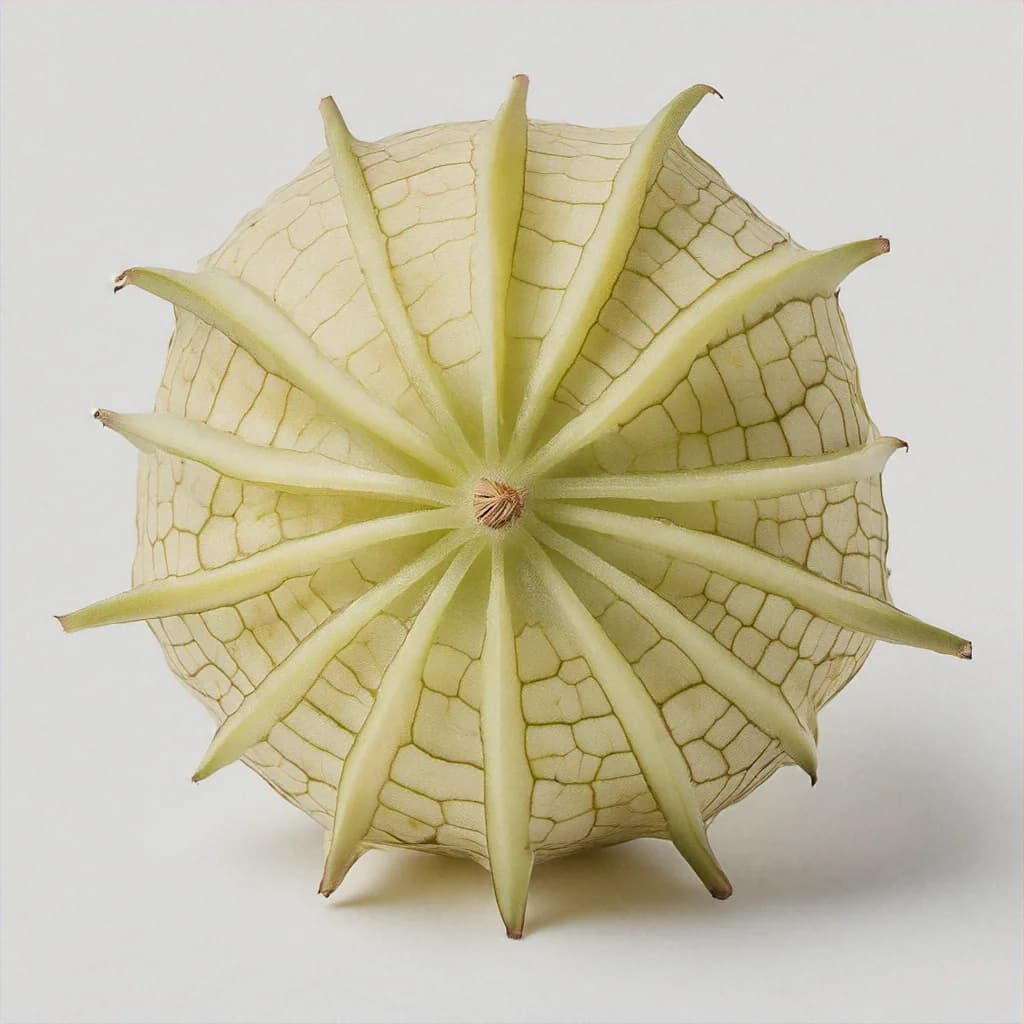
Podophyllum peltatum
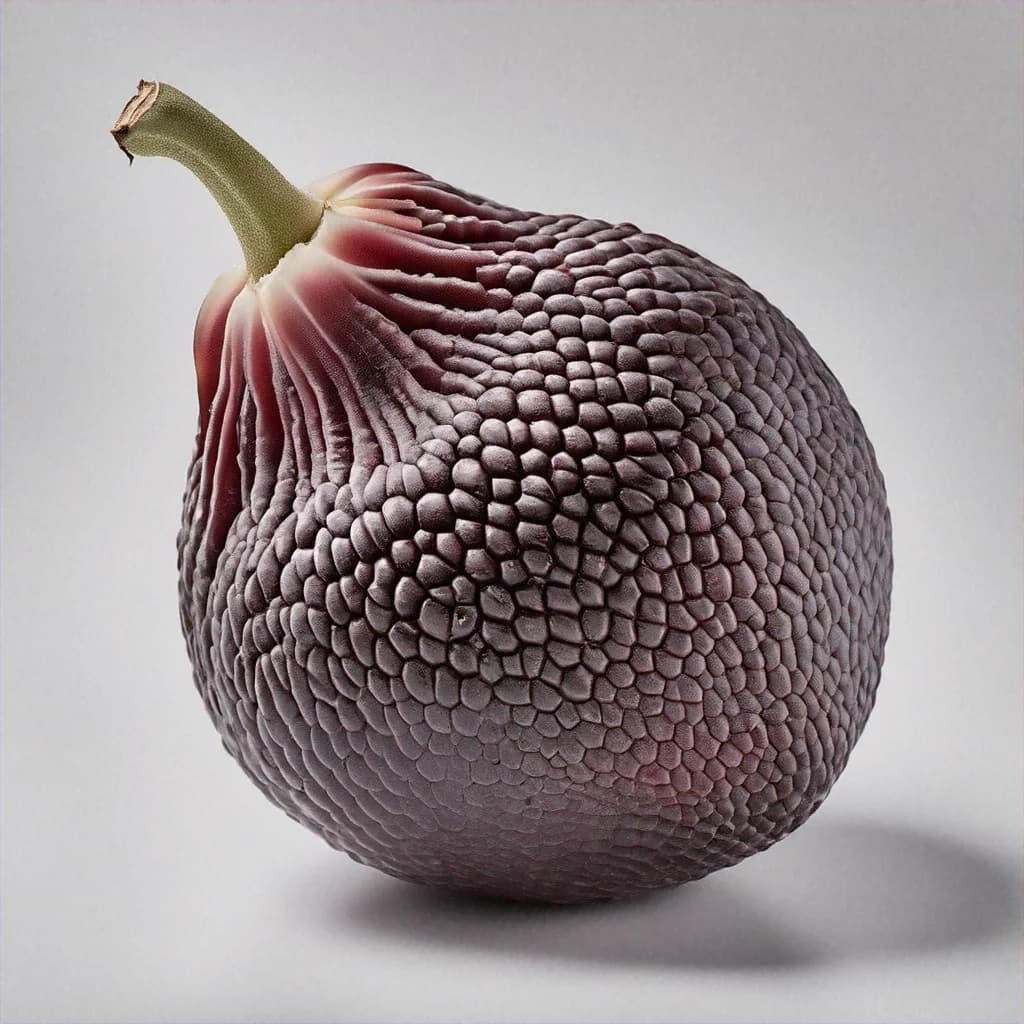
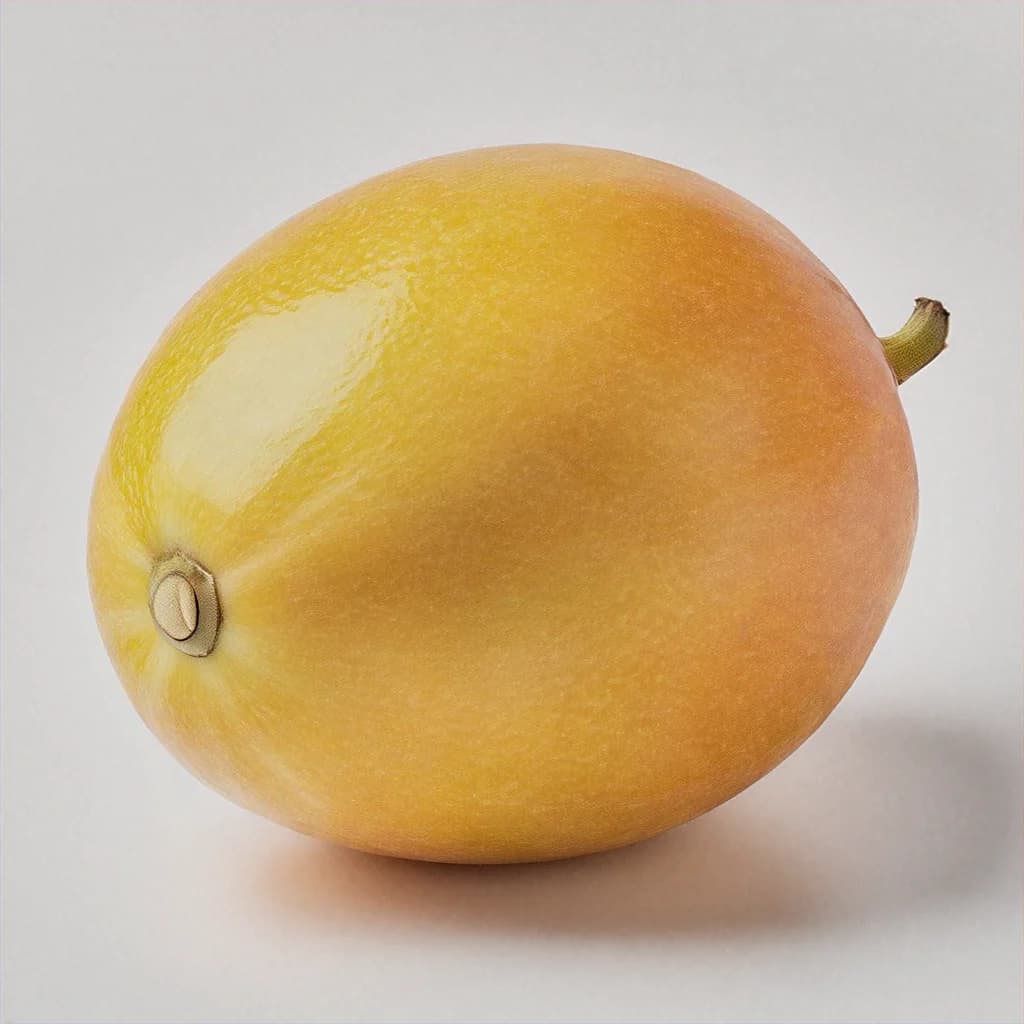
The mayapple (Podophyllum peltatum) is a fascinating and often underappreciated fruit native to the deciduous forests of North America. During spring, the plant produces a single white flower underneath its large, umbrella-like leaves, which gives way to a greenish-yellow fruit by late summer. The mayapple fruit, when ripe, is edible and has a sweet, tart flavor reminiscent of a cross between a lemon and a cucumber. While the unripe fruit, leaves, and roots are toxic due to the presence of podophyllotoxin, the fully ripe fruit is safe for consumption and offers unique culinary and medicinal uses. Traditional medicine has long valued mayapple for its potential health benefits, but caution is key when handling and consuming this enigmatic fruit.
Explore Mayapple in stunning detail
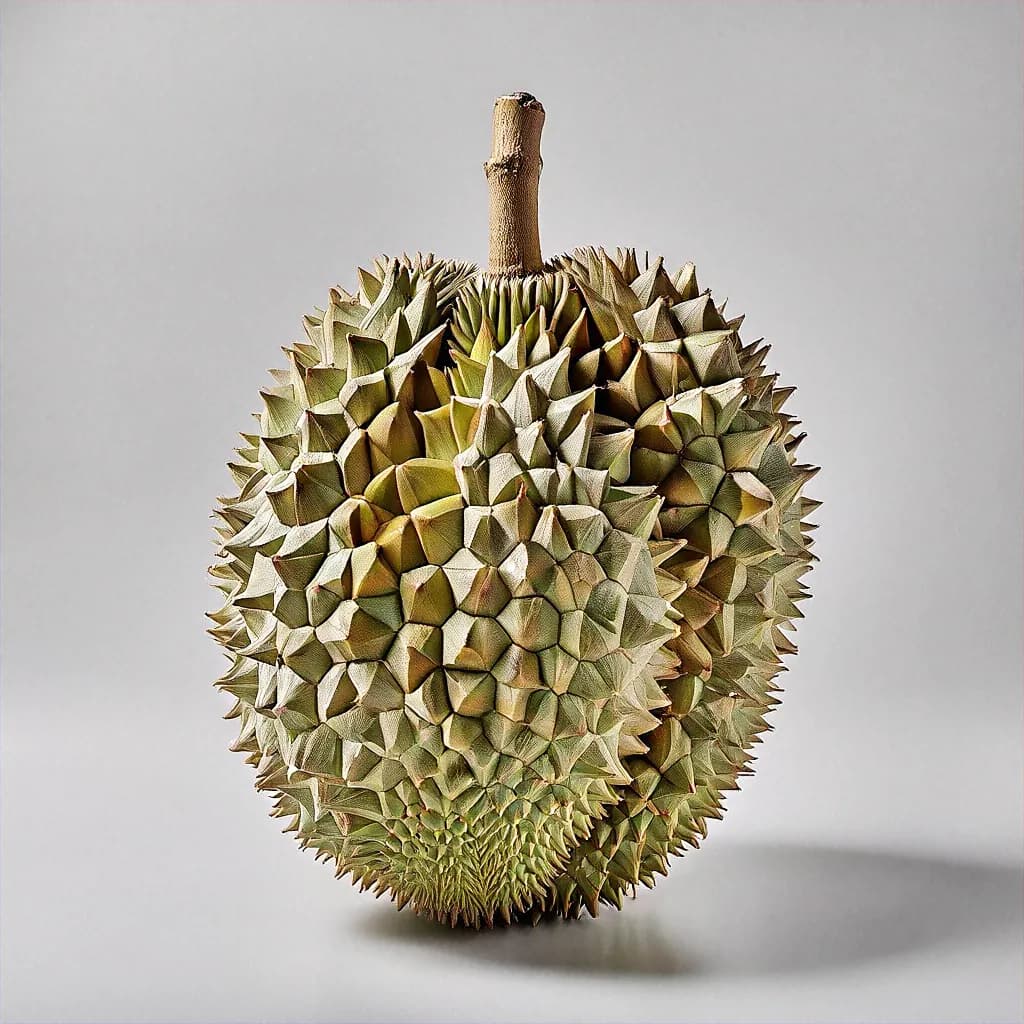
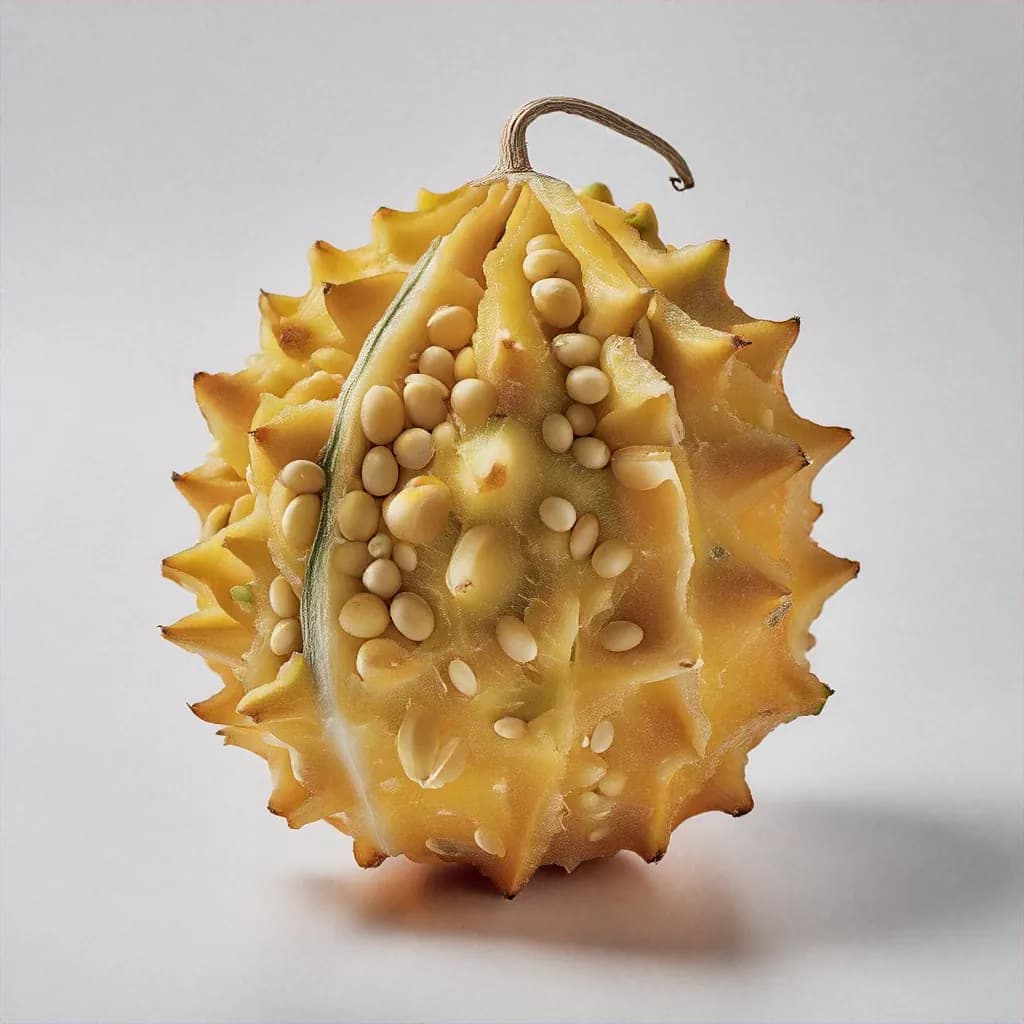
Mayapple - Main View
Per 100g
Per 100g
Nutrition breakdown for one serving
Eastern North America
The mayapple has been used for centuries by Native American tribes for its medicinal properties, particularly in treating skin conditions and gastrointestinal issues. Its unique growth pattern and toxicity in unripe stages have made it a subject of both fascination and caution in traditional and modern medicine.
Late summer to early fall
Each variety offers unique flavors, textures, and culinary applications
Keep your fruit fresh and delicious for longer
Select mayapples that are fully ripe, with a soft, yellowish-green exterior.
Avoid fruits with green patches, as they may still contain toxins.
Store ripe mayapples in a cool, dry place for up to 3 days.
Refrigerate to extend shelf life to 5-7 days.
Preserve freshness for months
Freeze ripe mayapples whole or as a puree for up to 3 months.
Thaw frozen mayapples in the refrigerator before use.
Label frozen items with the date to track freshness. Most fruits maintain quality for 2-3 months when properly frozen. For best results, use airtight containers or freezer bags to prevent freezer burn.
Discover delicious possibilities
Allergic reactions to mayapple are rare but possible. Individuals with plant allergies should exercise caution.
Mayapples are typically foraged rather than commercially grown, reducing pesticide exposure risks.
Surprising trivia you'll love!
The mayapple plant is also known as the American mandrake due to its medicinal properties.
The plant’s toxicity has led to its use in traditional remedies for warts and skin conditions.
Only the fully ripe fruit is safe to eat. Unripe fruit, leaves, and roots are toxic.
A ripe mayapple is soft to the touch and has a yellowish-green color with no green patches.
Yes, ripe mayapples can be frozen whole or as a puree for up to 3 months.
Mayapples can be eaten fresh, used in jams, or added to salads and baked goods.
Mayapples are rich in antioxidants, vitamin C, and fiber, offering immune support and digestive health benefits.
Unripe mayapples and other parts of the plant are toxic and should be avoided.
Mayapples have been used in traditional medicine for their anticancer and anti-inflammatory properties, but should be used under professional guidance.
Sustainability insights
Mayapples are a native plant species and are generally sustainable when foraged responsibly.
Low carbon footprint due to minimal commercial cultivation.
Minimal water usage, as mayapples are typically foraged in their natural habitat.
Mayapples are predominantly available locally in North America, reducing the need for importation.
We aim to keep this Mayapple profile accurate and easy to understand. Nutrition values and % Daily Value figures are based on established reference databases and standard daily value guidance.
Last updated: October 4, 2026
Medical disclaimer
This page is for general educational purposes and does not replace professional medical advice.
Found an issue? Contact us.