Loading Fruit Details...
Please wait while we fetch nutritional information and health benefits
Please wait while we fetch nutritional information and health benefits
Recommended Products
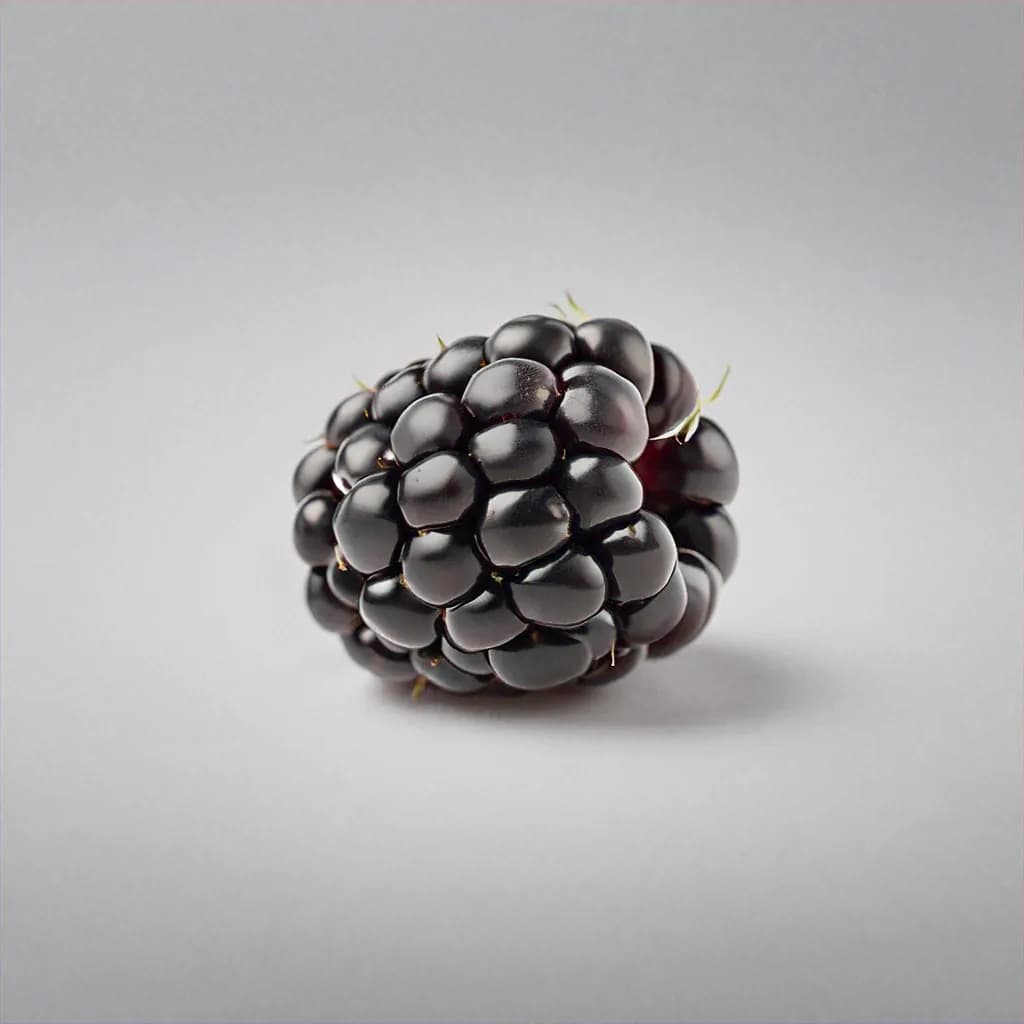
Rubus fruticosus
Blackberries are glossy, deep purple-black aggregate fruits composed of multiple tiny drupelets clustered around a central core. Known for their sweet-tart flavor and juicy texture, blackberries grow wild on thorny brambles and are also cultivated commercially. Among the most antioxidant-rich fruits available, blackberries are loaded with vitamin C, vitamin K, manganese, and powerful anthocyanins. These berries support brain health, digestive wellness, and immune function while offering anti-inflammatory and anti-cancer properties. Available fresh during summer months and frozen year-round, blackberries excel in both sweet and savory applications from jams to salads.
Explore Blackberry in stunning detail
Blackberry - Main View
Per 100g
Per 100g
Nutrition breakdown for one serving
Northern temperate regions (Europe, North America, Asia)
Blackberries have grown wild for millennia across Europe, North America, and Asia. Ancient Greeks used blackberries for medicinal purposes, particularly treating gout. Romans consumed wild blackberries and used leaves for tea. Native Americans harvested wild blackberries extensively and used roots, leaves, and berries medicinally. Commercial cultivation began in the 1800s in America when Judge Logan of California developed improved varieties. The Pacific Northwest (Oregon, Washington) emerged as prime growing regions. Modern breeding created thornless varieties in the mid-1900s, revolutionizing commercial production. Today, Mexico leads global production, followed by the United States. Wild blackberries still grow abundantly in temperate zones worldwide.
Summer months in Northern Hemisphere
Each variety offers unique flavors, textures, and culinary applications
Keep your fruit fresh and delicious for longer
Select firm, plump, deep black berries with uniform color
Avoid berries with red or purple areas - they're underripe and won't ripen after picking
Look for dry berries without moisture or juice staining the container
Check for mold, mushiness, or signs of deterioration
Berries should be glossy and have slight give when gently pressed
Avoid containers with crushed or leaking berries at the bottom
Fresh blackberries should have no white centers visible on drupelets
Smell should be fresh and fruity without fermentation odor
Do NOT wash blackberries until ready to eat - moisture promotes mold
Store unwashed berries in original container or shallow dish lined with paper towels
Keep in coldest part of refrigerator (32-35°F / 0-2°C)
Remove any moldy or damaged berries immediately to prevent spread
Store in single layer if possible to prevent crushing
Keep away from ethylene-producing fruits like apples and bananas
Best consumed within 2-3 days of purchase for optimal freshness
Once washed, pat completely dry before returning to refrigerator
Preserve freshness for months
Freeze blackberries unwashed for best results
Spread berries in single layer on parchment-lined baking sheet
Flash freeze for 2-3 hours until solid
Transfer frozen berries to freezer-safe bags or containers, removing excess air
Frozen blackberries maintain quality for 8-12 months
No need to thaw for smoothies, baking, or cooking
Thaw in refrigerator for fresh consumption applications
Expect softer texture after thawing - best used in cooked preparations
Label frozen items with the date to track freshness. Most fruits maintain quality for 2-3 months when properly frozen. For best results, use airtight containers or freezer bags to prevent freezer burn.
Discover delicious possibilities
Blackberry allergies are uncommon but can occur. Individuals with birch pollen allergies may experience cross-reactivity (oral allergy syndrome) causing mouth, lip, or throat itching. People allergic to other berries (raspberries, strawberries) may react to blackberries. Rare cases include more severe reactions like hives, digestive upset, or anaphylaxis. The salicylate content in blackberries can trigger reactions in salicylate-sensitive individuals. Cooking typically reduces allergenic proteins, allowing some sensitive individuals to tolerate cooked blackberries but not fresh.
Conventionally grown blackberries may contain pesticide residues, though typically lower than strawberries. The Environmental Working Group's testing shows moderate residue levels. Blackberries' delicate nature means chemicals can penetrate skin. Washing thoroughly under running water for 30-60 seconds removes surface residues. Consider organic blackberries, especially for children and frequent consumers. Frozen organic blackberries offer year-round pesticide-free options at reasonable prices. Wild blackberries from clean areas avoid pesticide exposure entirely.
Surprising trivia you'll love!
Blackberries are not true berries botanically - they're aggregate fruits composed of many tiny drupelets
A single blackberry can contain between 80-100 individual drupelets (tiny seed-containing fruits)
Ancient Greeks called blackberries 'gout berry' and used them medicinally to treat the condition
Wild blackberry canes can grow up to 40 feet long and spread aggressively through root systems
Oregon designated the Marion blackberry (Marionberry) as its official state berry in 2017
Blackberry leaves have been used to make tea for centuries, believed to have medicinal properties
The deepest, darkest blackberries typically have the highest antioxidant content
Blackberries have been growing wild in Europe and North America for over 2,000 years
Some blackberry varieties are called 'everbearing' and produce fruit twice per season
The thorny brambles protect berries from animals but make harvesting challenging - thornless varieties revolutionized commercial growing
While they look similar, blackberries and black raspberries are distinct fruits. Blackberries remain attached to their central core when picked, creating a solid fruit. Black raspberries are hollow when picked, leaving the core on the plant. Blackberries are larger, glossier, and have larger drupelets. Black raspberries (also called black caps) are smaller, duller, and have a more delicate flavor. Blackberries grow on upright or trailing canes, while black raspberries grow on arching canes. Nutritionally, black raspberries are higher in some antioxidants, but both are exceptionally healthy. In cooking, they're often interchangeable, though blackberries have firmer texture.
Yes, wild blackberries are safe to eat and often more flavorful than cultivated varieties! However, take precautions: ensure correct identification (avoid similar-looking poisonous berries), harvest from areas away from roads, industrial sites, or chemical applications (pesticides, herbicides), wash thoroughly to remove dirt, insects, and potential contaminants, and check for mold or spoilage. Wild blackberries typically ripen July-September depending on location. They're smaller but often sweeter and more aromatic than commercial varieties. Benefits include free food, superior flavor, and connection to nature. Always get landowner permission before foraging on private property.
What we call blackberry 'seeds' are actually tiny individual fruits called drupelets, each containing a single seed. A blackberry is an aggregate fruit - multiple drupelets clustered together around a central core. Each drupelet develops from a separate flower ovary. The seeds are completely edible and provide fiber and nutrients. Some people find seeds bothersome - straining cooked blackberries through a fine-mesh sieve removes seeds for smoother jams, sauces, and syrups. However, eating whole blackberries with seeds maximizes fiber intake (7.6g per cup). Seeds are too small to cause digestive issues for most people. This seed structure distinguishes blackberries from true berries like blueberries.
Yes, blackberries are excellent for diabetics! They have a very low glycemic index (25) and glycemic load (2), causing minimal blood sugar spikes. The exceptional fiber content (7.6g per cup) slows sugar absorption and improves glucose control. Studies show blackberries may improve insulin sensitivity and glucose metabolism. One cup contains only 7g natural sugars - far less than most fruits. The anthocyanins and polyphenols may help regulate blood sugar levels. For best results, pair blackberries with protein or healthy fats (Greek yogurt, nuts, cheese) for even more stable blood sugar. A 1-cup serving is appropriate for most diabetics. Always monitor individual response and consult healthcare providers about incorporating blackberries into meal plans.
Most adults can enjoy 1 cup of fresh blackberries daily (about 144g or 30-40 berries), providing exceptional nutrition without excessive sugar. This amount delivers 7.6g fiber (27% DV), 34% DV vitamin C, 40% DV manganese, and powerful antioxidants. One cup contains only 62 calories and 7g natural sugars. Blackberries are healthy enough to eat multiple servings if desired - there's no upper limit for most people. They fit perfectly into the recommended 5-9 servings of fruits and vegetables daily. Children can eat 1/2 to 3/4 cup daily. For weight loss, blackberries' high fiber and low calories make them ideal. The fiber promotes fullness and digestive health. Variety is important - rotate different berries for diverse phytonutrients.
Yes, blackberries should be refrigerated immediately after purchase or picking. They're highly perishable and deteriorate rapidly at room temperature - within hours, they can develop mold or fermentation. Store in the coldest part of refrigerator (32-35°F) for 2-3 days maximum. Do NOT wash until ready to eat, as moisture accelerates spoilage. Keep in original container or shallow dish lined with paper towels to absorb excess moisture. Remove any damaged berries immediately. If you can't refrigerate immediately, keep in coolest available location out of direct sunlight. For longer storage, freeze blackberries - they maintain quality for 8-12 months frozen. Once washed, consume within hours as washing removes protective coating.
Blackberries rank among the healthiest fruits available due to exceptional nutrient density. One cup provides 27% DV fiber - more than most fruits - supporting digestive health, blood sugar control, and satiety. They're loaded with vitamin C (34% DV) for immune function and collagen production. Vitamin K (24% DV) supports bone health and blood clotting. Manganese (40% DV) aids metabolism and antioxidant function. Blackberries score incredibly high on ORAC antioxidant scale, protecting cells from damage. Anthocyanins support brain health, memory, and cognitive function. Anti-inflammatory compounds reduce chronic disease risk. Ellagic acid may have anti-cancer properties. Low glycemic index (25) makes them diabetes-friendly. Only 62 calories per cup yet highly satisfying. Regular consumption supports heart health, brain function, digestive wellness, and healthy aging.
Yes, blackberries are safe and healthy for dogs in moderation! They're low in calories, high in fiber, vitamins, and antioxidants beneficial to canine health. Dogs can enjoy fresh or frozen blackberries as treats. Benefits include vitamin C, fiber for digestion, and antioxidants for immune support. Feed 2-4 berries for small dogs, 4-6 for medium dogs, 8-10 for large dogs as occasional treats (not exceeding 10% of daily calories). Introduce gradually to avoid digestive upset. Always wash berries thoroughly. Too many can cause diarrhea due to fiber content. Avoid canned blackberries (added sugar) or products with xylitol (toxic to dogs). Supervise to prevent choking, though blackberries are soft. Most dogs enjoy the sweet taste. Frozen blackberries make refreshing summer treats.
Sustainability insights
Blackberry cultivation is moderately sustainable. Perennial brambles live 10-15 years, reducing replanting frequency. They require less water than many fruit crops and thrive in temperate climates with natural rainfall. Wild blackberries require zero agricultural inputs and support biodiversity. However, conventional commercial operations may use synthetic pesticides and herbicides for disease and weed control. Organic blackberry farming is growing, particularly in the Pacific Northwest. Blackberries support pollinators with abundant flowers. Hand-harvesting supports rural employment. The plants' aggressive growth can be invasive in some ecosystems. Supporting organic, local blackberry production promotes sustainability.
Fresh blackberries from local sources during peak season (June-August) have minimal carbon footprint. Short transportation distances and seasonal availability reduce emissions. Off-season fresh blackberries require long-distance shipping from Mexico or Chile, increasing carbon footprint. Frozen blackberries, despite energy-intensive freezing, can have lower overall impact than importing fresh due to reduced spoilage and year-round availability without constant refrigerated transport. Domestic frozen blackberries (Pacific Northwest) minimize environmental impact. Choosing seasonal local fresh or domestic frozen blackberries over imported fresh maximizes sustainability.
Blackberries are relatively water-efficient compared to many fruit crops. Mature plants require approximately 25-38mm water weekly during fruiting season, typically met by natural rainfall in prime growing regions (Pacific Northwest, UK). Drip irrigation systems in commercial operations reduce water waste. Water footprint is approximately 150-200 liters per kilogram of fresh blackberries - lower than many fruits. Established brambles are moderately drought-tolerant. Regions with adequate rainfall (Oregon, Washington, British Columbia) require minimal supplemental irrigation. Mulching conserves soil moisture and reduces irrigation needs. Sustainable farms implement rainwater harvesting and soil moisture monitoring.
Buying local blackberries during peak season (June-August in Northern Hemisphere) maximizes sustainability and supports regional farmers. Pacific Northwest (Oregon, Washington), UK, and European production minimizes transportation for respective markets. Farmers markets and u-pick farms offer freshest berries with minimal carbon footprint. During off-season, domestic frozen blackberries are more sustainable than fresh imports from Mexico or Chile. Wild blackberries foraged from clean areas have zero environmental impact. Choose organic and sustainably certified blackberries when possible. Supporting local berry farms preserves agricultural land and rural economies.
We aim to keep this Blackberry profile accurate and easy to understand. Nutrition values and % Daily Value figures are based on established reference databases and standard daily value guidance.
Last updated: September 19, 2026
Medical disclaimer
This page is for general educational purposes and does not replace professional medical advice.
Found an issue? Contact us.