Loading Fruit Details...
Please wait while we fetch nutritional information and health benefits
Please wait while we fetch nutritional information and health benefits
Recommended Products
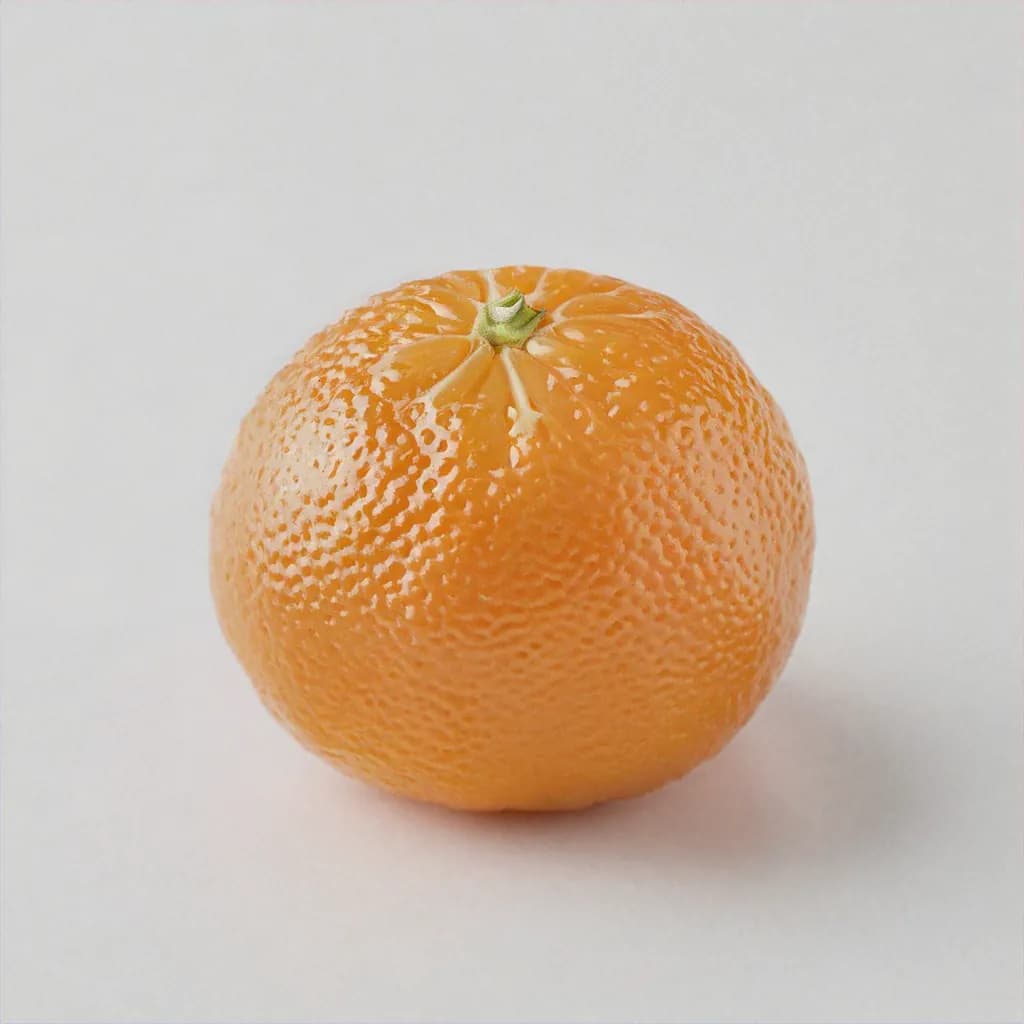
Citrus × clementina
Clementine is a premium seedless citrus fruit celebrated for its intense sweetness, easy peeling, and exceptional vitamin C density. A hybrid between mandarin and sweet orange, clementine delivers powerful immune support, antioxidant protection, and hydration benefits with minimal calories. Providing approximately 48 mg of vitamin C per 100 g (53% DV), along with flavonoids, carotenoids, and natural electrolytes, clementines are widely valued in modern nutrition, wellness routines, and daily fruit consumption. Their low glycemic load, refreshing flavor, and convenience make clementines ideal for healthy snacking, winter nutrition, and family-friendly diets worldwide.
Explore Clementine in stunning detail
Clementine - Main View
Per 100g
Per 100g
Nutrition breakdown for one serving
Mediterranean region (Algeria)
Clementine was first cultivated in the early 1900s in Algeria by Father Clément Rodier. It is a natural hybrid of mandarin and sweet orange, prized for its seedless nature, sweetness, and easy peeling. Clementines quickly gained popularity across Europe and later worldwide as a premium winter citrus fruit.
November–February
Each variety offers unique flavors, textures, and culinary applications
Keep your fruit fresh and delicious for longer
Choose firm fruits with vibrant orange color
Select heavy fruits indicating juiciness
Avoid blemishes, mold, or soft spots
Prefer smooth, glossy skin
Store in refrigerator crisper drawer
Keep in breathable container
Avoid moisture accumulation
Consume within 2–3 weeks
Preserve freshness for months
Peel and segment before freezing
Freeze on tray before bagging
Use frozen segments in smoothies
Best quality up to 4 months
Label frozen items with the date to track freshness. Most fruits maintain quality for 2-3 months when properly frozen. For best results, use airtight containers or freezer bags to prevent freezer burn.
Discover delicious possibilities
Clementine allergies are rare but possible in citrus-sensitive individuals.
Wash thoroughly or choose organic varieties.
Surprising trivia you'll love!
Clementines are naturally seedless
Named after Father Clément who discovered them
One of the sweetest citrus fruits
Popular as Christmas oranges in Europe
Easy peeling makes them kid-friendly
Clementines are lower in calories and easier to eat while providing similar vitamin C and antioxidant benefits, making them excellent for daily snacking.
Yes, clementines provide over 50% DV of vitamin C per 100 g, supporting immune defense and antioxidant protection.
Clementines are a type of small citrus fruit, a hybrid between mandarin and sweet orange, known for being seedless and easy to peel.
Yes, most clementines are naturally seedless, making them convenient for all ages.
One medium clementine contains approximately 35 calories, making it a low-calorie snack.
Yes, their low calorie count, fiber content, and natural sweetness help control appetite.
Yes, when eaten in moderation, clementines have a low glycemic load and provide fiber that helps regulate blood sugar.
Yes, vitamin C in clementines supports collagen production and helps maintain healthy skin.
Clementines are typically in season from late autumn to winter.
Clementines should be stored in a cool place or refrigerated to maintain freshness.
Yes, clementines are safe and beneficial for daily consumption as part of a balanced diet.
Yes, clementines provide dietary fiber that supports digestion and gut health.
Yes, their seedless nature, sweet taste, and easy peeling make them ideal for children.
Yes, clementines are used in salads, desserts, smoothies, and baked goods.
Sustainability insights
Clementine farming supports Mediterranean agriculture and seasonal economies.
Lower when consumed locally in peak season.
Moderate water requirements.
Local seasonal fruit has reduced emissions.
We aim to keep this Clementine profile accurate and easy to understand. Nutrition values and % Daily Value figures are based on established reference databases and standard daily value guidance.
Last updated: September 8, 2026
Medical disclaimer
This page is for general educational purposes and does not replace professional medical advice.
Found an issue? Contact us.