Loading Fruit Details...
Please wait while we fetch nutritional information and health benefits
Please wait while we fetch nutritional information and health benefits
Recommended Products
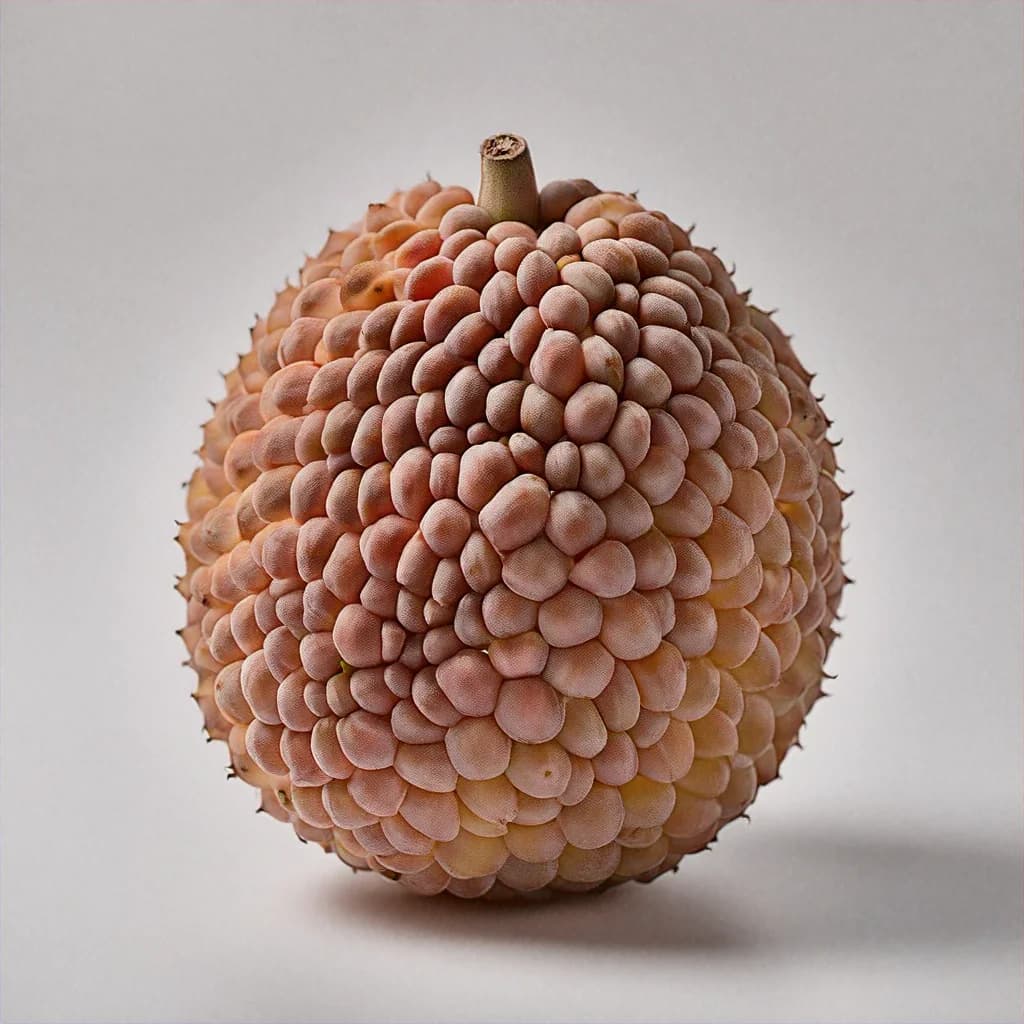
Durio kutejensis
Lai, scientifically known as Durio kutejensis, is a lesser-known but exquisite tropical fruit native to Southeast Asia. Often overshadowed by its famous relative, the Durian (Durio zibethinus), Lai boasts a unique flavor profile that is milder and less pungent than its cousin. Its flesh is creamy, slightly sweet, and has a subtle nutty undertone. The fruit is encased in a spiky, hard rind, which protects the segments of soft, custard-like pulp inside. Rich in vitamins, minerals, and antioxidants, Lai is not only a culinary delight but also a nutritional powerhouse. Its versatility in both sweet and savory dishes makes it a sought-after ingredient in regional cuisines.
Explore Lai in stunning detail
Lai - Main View
Per 100g
Per 100g
Nutrition breakdown for one serving
Southeast Asia
Lai has been cultivated in Southeast Asia for centuries, cherished for its unique flavor and nutritional value. It remains a staple in local markets and is gaining attention in global culinary circles.
June to August
Each variety offers unique flavors, textures, and culinary applications
Keep your fruit fresh and delicious for longer
Look for a firm, intact rind with no cracks or soft spots.
A slight give when gently pressed indicates ripeness.
Avoid fruits with a strong, overpowering smell, as this may indicate overripeness.
Store unopened Lai at room temperature for up to 3 days.
Refrigerate cut or opened fruit in an airtight container for up to 5 days.
Wrap individual segments in plastic wrap to preserve freshness.
Preserve freshness for months
Freeze pulp in airtight containers for up to 3 months.
Use frozen Lai in smoothies or desserts.
Label frozen items with the date to track freshness. Most fruits maintain quality for 2-3 months when properly frozen. For best results, use airtight containers or freezer bags to prevent freezer burn.
Discover delicious possibilities
While rare, some individuals may experience allergic reactions to Lai. Symptoms may include itching, swelling, or digestive discomfort.
Lai is generally low in pesticide residues, but it is always best to wash the fruit thoroughly before consumption.
Surprising trivia you'll love!
Lai is often referred to as the 'Red Durian' due to its reddish-brown husk.
Unlike Durian, Lai has a milder odor, making it more approachable for many people.
Lai has a mildly sweet, creamy flavor with subtle nutty undertones, making it less pungent than Durian.
A ripe Lai will have a slight give when gently pressed and a faint, pleasant aroma.
Cut or opened Lai can be stored in the refrigerator for up to 5 days in an airtight container.
Yes, Lai's creamy texture makes it an excellent addition to curries, stews, and soups.
Lai has about 146 calories per 100g, making it a moderate-calorie fruit with high nutritional value.
Yes, Lai is rich in potassium, which helps regulate blood pressure and supports heart health.
While rare, some individuals may be allergic to Lai. Always consult a healthcare provider if you have known fruit allergies.
Sustainability insights
Lai is typically grown sustainably in small farms across Southeast Asia, with minimal environmental impact.
Low carbon footprint due to local cultivation and minimal processing.
Moderate water usage, as Lai trees are adapted to tropical climates with abundant rainfall.
Locally grown Lai in Southeast Asia is more sustainable than imported varieties due to reduced transportation emissions.
We aim to keep this Lai profile accurate and easy to understand. Nutrition values and % Daily Value figures are based on established reference databases and standard daily value guidance.
Last updated: October 6, 2026
Medical disclaimer
This page is for general educational purposes and does not replace professional medical advice.
Found an issue? Contact us.