Loading Fruit Details...
Please wait while we fetch nutritional information and health benefits
Please wait while we fetch nutritional information and health benefits
Recommended Products
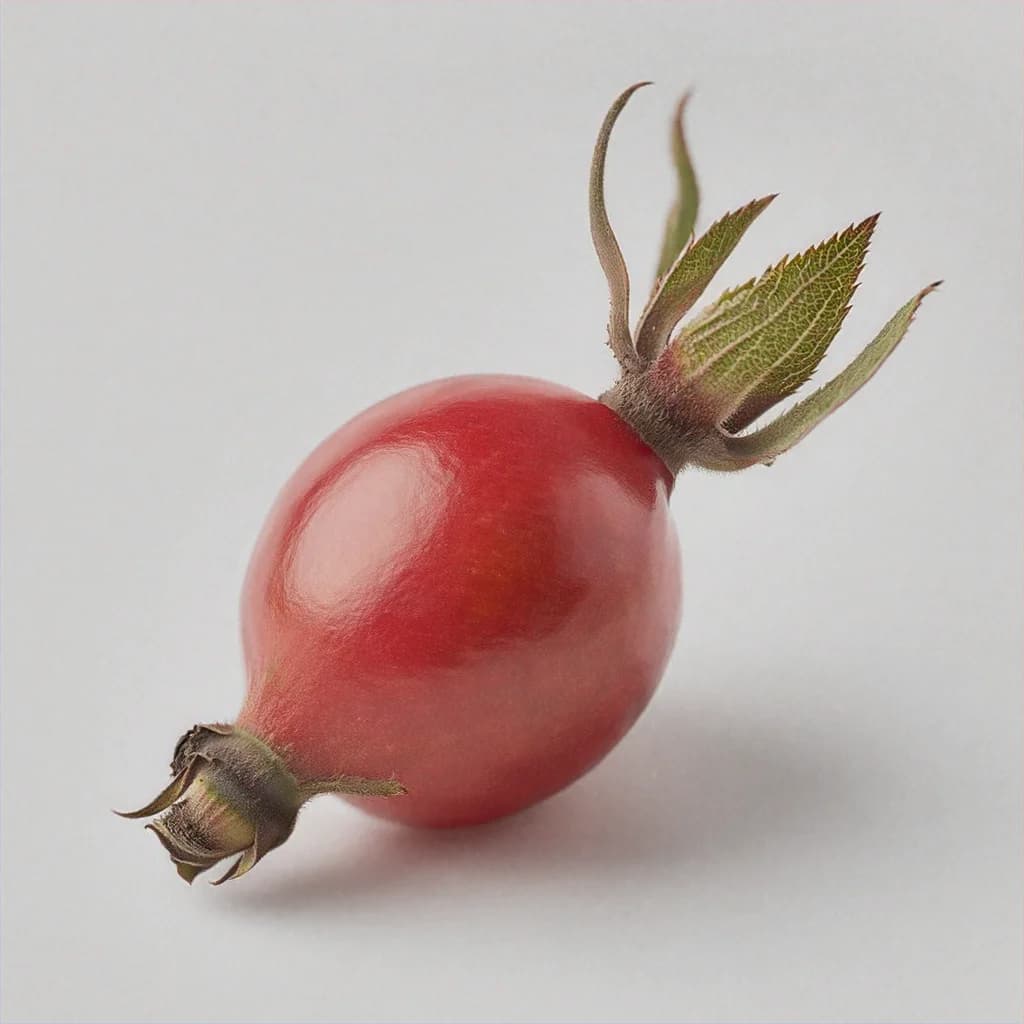
Rosa canina
Rose hips, the vibrant fruit of the rose plant, are a botanical marvel often overlooked in the world of culinary and medicinal delights. Known scientifically as Rosa canina, these small, berry-like fruits are packed with a plethora of essential vitamins, minerals, and antioxidants. Bursting with a tart, tangy flavor, rose hips have been used for centuries in traditional medicine and are a staple in herbal teas, jams, and syrups. Their rich nutritional profile, particularly their high vitamin C content, makes them a potent ally in boosting immunity and supporting overall health. Whether enjoyed fresh, dried, or in supplement form, rose hips offer a delightful blend of flavor and wellness benefits.
Explore Rose Hip in stunning detail
Rose Hip - Main View
Per 100g
Per 100g
Nutrition breakdown for one serving
Europe, Asia, and North Africa
Rose hips have been used for centuries in traditional medicine, particularly in European and Middle Eastern cultures. During World War II, rose hips were a primary source of vitamin C in Britain due to citrus fruit shortages. Today, they are widely recognized for their nutritional and medicinal properties.
Late summer to early autumn
Each variety offers unique flavors, textures, and culinary applications
Keep your fruit fresh and delicious for longer
Select rose hips that are plump, firm, and free of blemishes.
Look for a vibrant red or orange-red color, which indicates ripeness.
Avoid shriveled or overly soft rose hips, as they may be past their prime.
Store fresh rose hips in a cool, dry place for up to 2 weeks.
Refrigerate in an airtight container for extended shelf life (up to 1 month).
Dried rose hips can be stored in a sealed container at room temperature for up to 6 months.
Preserve freshness for months
Freeze fresh rose hips in a single layer on a baking sheet before transferring to an airtight container.
Frozen rose hips can be used in smoothies, teas, and baking for up to 6 months.
Label frozen items with the date to track freshness. Most fruits maintain quality for 2-3 months when properly frozen. For best results, use airtight containers or freezer bags to prevent freezer burn.
Discover delicious possibilities
Rose hips are generally safe, but some people may experience allergic reactions. Avoid consuming the seeds in large quantities, as they can cause irritation.
Rose hips are generally low in pesticide residues, but it is always best to choose organically grown varieties when possible.
Surprising trivia you'll love!
Rose hips were a primary source of vitamin C in Britain during World War II when citrus fruits were scarce.
The seeds inside rose hips are often used to make itching powder due to their tiny hairs, which can irritate the skin.
Rose hips have been used in traditional medicine for centuries to treat colds, flu, and inflammation.
The bright red color of rose hips comes from carotenoids, which are powerful antioxidants.
Rose hips are the fruit of the rose plant, typically from the Rosa canina species. They are small, berry-like, and rich in nutrients like vitamin C, antioxidants, and fiber.
Ripe rose hips are firm, plump, and have a vibrant red or orange-red color. They should be free of blemishes and not overly soft or shriveled.
Yes, rose hips can be frozen. Spread them in a single layer on a baking sheet, freeze, and then transfer to an airtight container. Frozen rose hips can be used in teas, smoothies, and baking.
Rose hips are commonly used in herbal teas, jams, syrups, baked goods, and salads. Their tart flavor pairs well with sweeteners like honey and spices like cinnamon.
Yes, rose hips are exceptionally high in vitamin C, containing about 426 mg per 100 grams, which is significantly higher than citrus fruits.
Rose hips are generally safe, but some people may experience allergic reactions. The seeds inside the fruit can cause irritation if consumed in large quantities. Always consult a healthcare provider before adding new supplements to your diet.
Yes, rose hips can be grown at home by planting rose bushes, particularly the Rosa canina variety. They thrive in well-drained soil and require full sun for optimal growth.
Sustainability insights
Rose hips are a sustainable crop, as rose bushes require minimal water and are resilient to pests and diseases.
Low carbon footprint due to minimal processing and transportation requirements.
Rose bushes are drought-tolerant and require minimal irrigation.
Locally grown rose hips are preferable due to lower transportation emissions and fresher produce.
We aim to keep this Rose Hip profile accurate and easy to understand. Nutrition values and % Daily Value figures are based on established reference databases and standard daily value guidance.
Last updated: October 4, 2026
Medical disclaimer
This page is for general educational purposes and does not replace professional medical advice.
Found an issue? Contact us.