
Loading Fruit Details...
Please wait while we fetch nutritional information and health benefits
Please wait while we fetch nutritional information and health benefits
Recommended Products
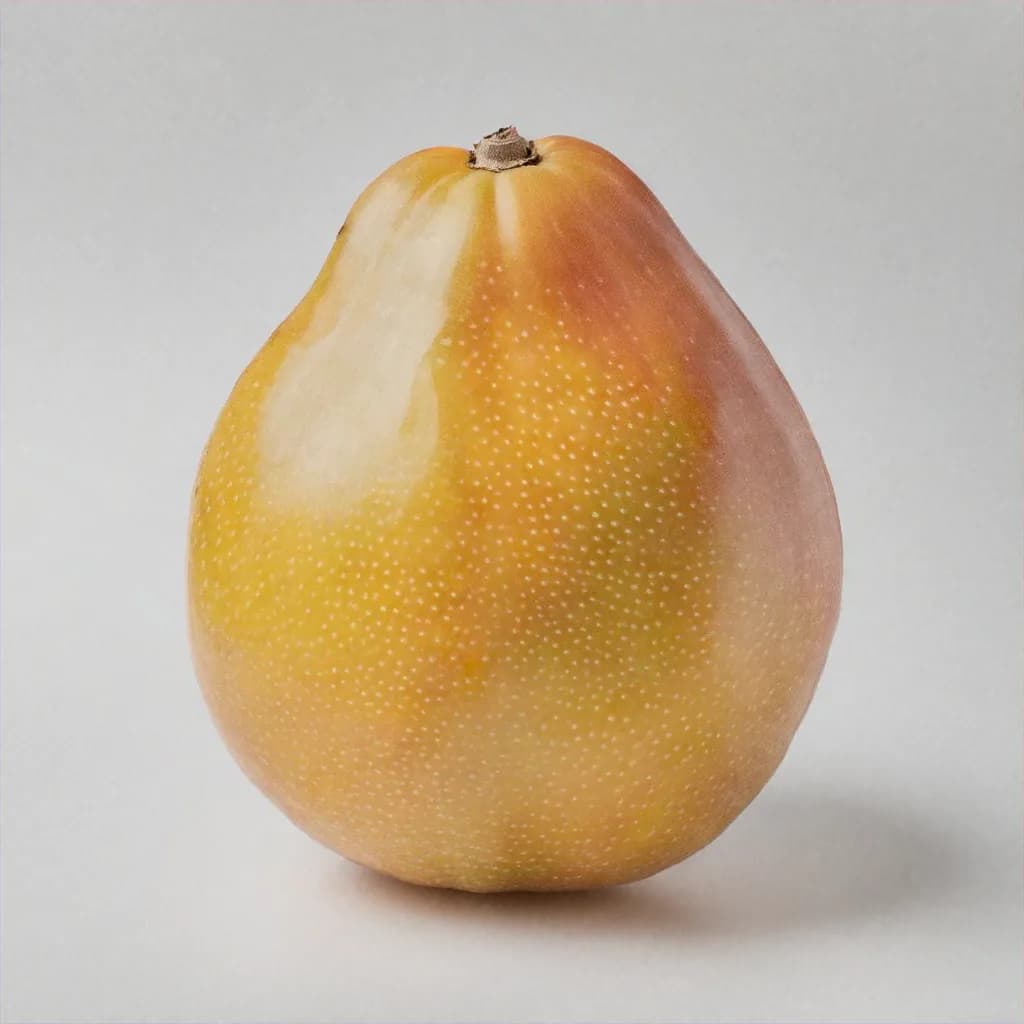
Eugenia dysenterica
The cagaita, scientifically known as *Eugenia dysenterica*, is a vibrant and exotic fruit native to the Cerrado biome of Brazil, where it thrives in the region's unique savanna-like ecosystem. This small, round fruit, typically measuring 2 to 4 centimeters in diameter, boasts a thin, smooth skin that transitions from green to a golden-yellow hue as it ripens, often with a slight blush of red. When bitten into, the cagaita reveals a juicy, translucent pulp that is both tart and subtly sweet, with a refreshing acidity reminiscent of a cross between a lime and a passionfruit. The pulp surrounds a single large seed, which is inedible but easily removed. The fruit's aroma is intensely tropical, with citrusy and floral notes that make it a standout in both raw and cooked applications. Rich in vitamin C, antioxidants, and dietary fiber, the cagaita is not only a culinary delight but also a nutritional powerhouse, offering immune-boosting and digestive benefits. Traditionally cherished by indigenous communities and local farmers, the cagaita is now gaining global recognition for its unique flavor profile and health-promoting properties, making it a must-try for adventurous food enthusiasts and health-conscious consumers alike.
Explore Cagaita in stunning detail
Cagaita - Main View
Per 100g
Per 100g
Nutrition breakdown for one serving
Cerrado biome, Brazil
The cagaita has been a staple in the diet of indigenous peoples and local communities in the Cerrado region of Brazil for centuries. The fruit was traditionally foraged from wild trees, which are deeply embedded in the cultural and agricultural heritage of the area. The name 'cagaita' is derived from the Tupi-Guarani language, reflecting its long-standing significance in indigenous cultures. With the expansion of agriculture and urbanization, the cagaita tree is now also cultivated in small orchards, though wild harvesting remains common. The fruit has gained attention in recent years due to its unique flavor and nutritional benefits, leading to increased interest in its commercialization and export. However, deforestation and habitat loss in the Cerrado pose threats to the sustainability of wild cagaita populations.
The cagaita fruit is typically harvested from September to December, coinciding with the early rainy season in the Cerrado region.
Each variety offers unique flavors, textures, and culinary applications
Keep your fruit fresh and delicious for longer
Look for fruits that are firm but yield slightly to gentle pressure, indicating ripeness. Avoid fruits that are too soft or have bruises, as they may be overripe or damaged.
Choose cagaitas with a vibrant golden-yellow color, as this indicates full ripeness. Green fruits are underripe and will be overly tart, while those with a strong red blush may be overripe.
Check the skin for a smooth, glossy texture. Wrinkled or dull skin may indicate the fruit is past its prime or has been stored improperly.
Smell the fruit near the stem end; a ripe cagaita should have a strong, tropical, citrusy aroma. Lack of aroma suggests the fruit is not fully ripe.
If purchasing in bulk, select fruits that are uniform in size and color to ensure even ripening and consistent flavor.
Store ripe cagaitas in the refrigerator to slow down further ripening and extend shelf life. Place them in a perforated plastic bag or an airtight container to maintain humidity.
Keep unripe cagaitas at room temperature until they reach the desired ripeness. Once ripe, transfer them to the refrigerator to preserve freshness.
Avoid washing the fruits until you are ready to eat them, as excess moisture can promote mold growth and spoilage.
Store cagaitas away from strong-smelling foods, as they can absorb odors easily due to their thin skin.
Preserve freshness for months
To freeze cagaitas, first wash and dry the fruits thoroughly. Remove the seeds and cut the pulp into small pieces or puree it for easier use later.
Spread the pulp or pieces on a baking sheet lined with parchment paper and freeze until solid (about 2 hours). This prevents clumping.
Transfer the frozen pulp or pieces to an airtight container or freezer bag, leaving a small gap for expansion. Label with the date and store for up to 6 months.
Frozen cagaita pulp is best used in smoothies, juices, or cooked dishes like sauces and jams, as freezing can alter the texture for fresh consumption.
Label frozen items with the date to track freshness. Most fruits maintain quality for 2-3 months when properly frozen. For best results, use airtight containers or freezer bags to prevent freezer burn.
Discover delicious possibilities
Cagaita is not commonly associated with allergic reactions, but as with any fruit, individuals with sensitivities to other members of the Myrtaceae family (such as guava, jabuticaba, or eucalyptus) may experience cross-reactivity. Symptoms of an allergic reaction may include itching, swelling, or digestive discomfort. If you have a known allergy to related fruits, consult a healthcare provider before consuming cagaita.
Wild-harvested cagaita is generally considered safe from pesticide residues, as it is often foraged from natural stands. However, commercially grown cagaita may be treated with pesticides, so it's advisable to wash the fruit thoroughly before consumption. If you're concerned about pesticide exposure, opt for organic or wild-harvested cagaita when available.
Surprising trivia you'll love!
The cagaita tree is known as the 'tree of laughter' in some indigenous cultures because its fruit was traditionally believed to induce laughter when consumed in large quantities. While this claim is anecdotal, the fruit's tartness certainly brings a smile to many faces!
Cagaita trees are highly resilient and can thrive in the nutrient-poor, acidic soils of the Cerrado biome, making them an important species for reforestation and soil conservation efforts in the region.
The fruit is often called the 'Brazilian cherry' due to its small size and bright color, though it is not botanically related to true cherries. Its appearance and tartness make it a popular ingredient in Brazilian desserts.
In traditional Brazilian medicine, cagaita leaves and bark have been used to treat digestive issues, fever, and even as a natural antiseptic. However, scientific research on these uses is limited.
Cagaita is one of the few fruits that can be fermented into a traditional alcoholic beverage, similar to wine. This 'cagaita wine' is a beloved homemade drink in rural communities of central Brazil.
The cagaita tree produces beautiful white flowers that are pollinated by bees, making it an important plant for local pollinators and contributing to the biodiversity of the Cerrado ecosystem.
Despite its popularity in Brazil, cagaita remains relatively unknown outside of South America, making it a hidden gem for fruit enthusiasts and adventurous foodies looking to explore new flavors.
Cagaita has a unique flavor profile that is both tart and subtly sweet, with a refreshing acidity reminiscent of a cross between lime and passionfruit. The pulp is juicy and slightly gelatinous, with a tropical, citrusy aroma. When fully ripe, the tartness is balanced by a mild sweetness, making it enjoyable for those who appreciate bold, tangy flavors. The fruit's flavor is often described as complex, with floral and tropical notes that set it apart from more common citrus fruits. If you enjoy tart fruits like tamarind or green mango, you'll likely appreciate cagaita's distinctive taste.
Cagaita can be eaten in a variety of ways, depending on your preference and culinary creativity. To eat it fresh, simply wash the fruit, cut it in half, and scoop out the pulp with a spoon, discarding the large seed. Some people enjoy sprinkling a pinch of salt or chili powder on the pulp to enhance its tartness. Cagaita is also commonly used in juices, smoothies, and cocktails, where its acidity adds a refreshing twist. For cooked applications, the pulp can be used in jams, sauces, desserts, and even savory dishes like chutneys or marinades. If you're new to cagaita, try it in a simple juice first to get accustomed to its bold flavor before experimenting with more complex recipes.
Yes, cagaita can be a great addition to a weight loss diet due to its low calorie content (43 kcal per 100g) and high fiber content (2.5g per 100g, or 9% of the daily value). Fiber promotes satiety, helping you feel full for longer and reducing overall calorie intake. Additionally, the fruit's tartness can satisfy cravings for sweet or tangy snacks without the added sugars found in many processed foods. Cagaita's low glycemic index (45) and glycemic load (4) also help prevent spikes in blood sugar levels, which can contribute to weight gain. However, it's important to consume cagaita as part of a balanced diet and not rely solely on it for weight loss. Pairing it with protein and healthy fats can further enhance its satiating effects.
No, the seeds of the cagaita fruit are not edible. They are large, hard, and inedible, much like the seeds of other fruits in the Myrtaceae family, such as guava or jabuticaba. The seeds should be discarded when eating the fruit fresh or using it in recipes. However, the seeds do have potential uses outside of consumption. In traditional medicine, cagaita seeds have been used in some cultures for their purported medicinal properties, though scientific research on their efficacy is limited. Additionally, the seeds can be planted to grow new cagaita trees, making them valuable for propagation. If you're processing cagaita for juices or purees, be sure to remove the seeds to avoid any unpleasant texture or potential digestive discomfort.
Cagaita is a nutritional powerhouse, offering a wide range of health benefits due to its rich content of vitamins, minerals, antioxidants, and fiber. One of its most notable benefits is its high vitamin C content (29% of the daily value per 100g), which supports immune function, collagen synthesis, and skin health. The fruit is also rich in antioxidants like flavonoids (quercetin, kaempferol), anthocyanins, and ellagic acid, which help neutralize free radicals and reduce oxidative stress, lowering the risk of chronic diseases. Additionally, cagaita's dietary fiber (9% DV) promotes digestive health by supporting regular bowel movements and fostering a healthy gut microbiome. The fruit's potassium content (3% DV) helps regulate blood pressure, while its low glycemic index (45) makes it suitable for blood sugar control. Other benefits include anti-inflammatory properties, support for eye health, and potential cancer risk reduction due to its phytonutrient content. Incorporating cagaita into your diet can be a delicious way to boost overall health and well-being.
Cagaita stands out from other tropical fruits due to its unique combination of flavor, nutritional profile, and cultural significance. Unlike more widely known fruits like mango or pineapple, cagaita has a distinct tartness that is more intense than most tropical fruits, making it a favorite among those who enjoy bold, tangy flavors. Its scientific name, *Eugenia dysenterica*, places it in the same family as guava and jabuticaba, but its taste and texture are quite different. Nutritionally, cagaita is particularly high in vitamin C (29% DV per 100g), surpassing many other tropical fruits in this regard. It also contains a unique blend of antioxidants, including ellagic acid and anthocyanins, which are less common in other fruits. Culturally, cagaita is deeply rooted in the traditions of the Cerrado region of Brazil, where it has been foraged and consumed for centuries. Its limited commercial availability outside of South America also sets it apart, making it a rare and exotic find for fruit enthusiasts. Finally, cagaita's versatility in both sweet and savory dishes, from juices to sauces, makes it a standout ingredient in tropical cuisine.
Cagaita is primarily found in South America, particularly in Brazil, where it is native to the Cerrado biome. If you're in Brazil, you can find fresh cagaita in local markets, especially in the states of Goiás, Minas Gerais, and Mato Grosso do Sul, during its peak season (September to December). Some specialty fruit vendors or health food stores may also carry it. Outside of South America, cagaita is less common but may be available in specialty Latin American or tropical fruit markets, particularly in cities with large Brazilian communities. You can also look for frozen cagaita pulp or cagaita-based products like jams, juices, or preserves online, though availability may be limited. If you're unable to find fresh cagaita, consider exploring other tart tropical fruits like tamarind, passionfruit, or green mango as alternatives. For those interested in growing their own, cagaita seeds can sometimes be found through specialty nurseries or online seed banks, though the tree requires a tropical or subtropical climate to thrive.
Sustainability insights
Cagaita is a highly sustainable fruit due to its ability to thrive in the nutrient-poor, acidic soils of the Cerrado biome without the need for extensive irrigation or chemical inputs. The tree's deep root system helps prevent soil erosion and improves water retention, making it an excellent species for reforestation and agroforestry projects. Additionally, cagaita trees support local biodiversity by providing habitat and food for pollinators, birds, and other wildlife. However, deforestation and habitat loss in the Cerrado region pose significant threats to wild cagaita populations, highlighting the need for sustainable harvesting practices and conservation efforts.
The carbon footprint of cagaita is relatively low compared to many other fruits, particularly when sourced locally in Brazil. Wild-harvested cagaita has an especially minimal carbon footprint, as it requires no cultivation, irrigation, or synthetic inputs. For commercially grown cagaita, the carbon footprint may be slightly higher due to transportation and farming practices, but it remains lower than that of fruits requiring intensive agricultural methods. To further reduce the carbon footprint, opt for cagaita sourced from sustainable farms or wild-harvested stands.
Cagaita trees are well-adapted to the dry conditions of the Cerrado biome and require minimal irrigation, making them a low-water crop. Their deep root systems allow them to access water from deeper soil layers, reducing the need for supplemental watering. This makes cagaita an environmentally friendly choice compared to water-intensive crops like almonds or avocados. However, in commercial orchards, some irrigation may be used during prolonged dry spells to ensure consistent fruit production.
For consumers in Brazil, locally sourced cagaita is the most sustainable option, as it supports local farmers and reduces the carbon footprint associated with transportation. Imported cagaita, particularly to regions outside of South America, has a higher environmental impact due to the emissions from long-distance shipping. If you're outside of Brazil and want to enjoy cagaita sustainably, consider purchasing frozen pulp or cagaita-based products, which have a lower carbon footprint than fresh fruit. Additionally, look for products certified as sustainably sourced or fair trade to support ethical and environmentally responsible practices.
We aim to keep this Cagaita profile accurate and easy to understand. Nutrition values and % Daily Value figures are based on established reference databases and standard daily value guidance.
Last updated: September 14, 2026
Medical disclaimer
This page is for general educational purposes and does not replace professional medical advice.
Found an issue? Contact us.
.webp&w=3840&q=75)