Loading Fruit Details...
Please wait while we fetch nutritional information and health benefits
Please wait while we fetch nutritional information and health benefits
Recommended Products
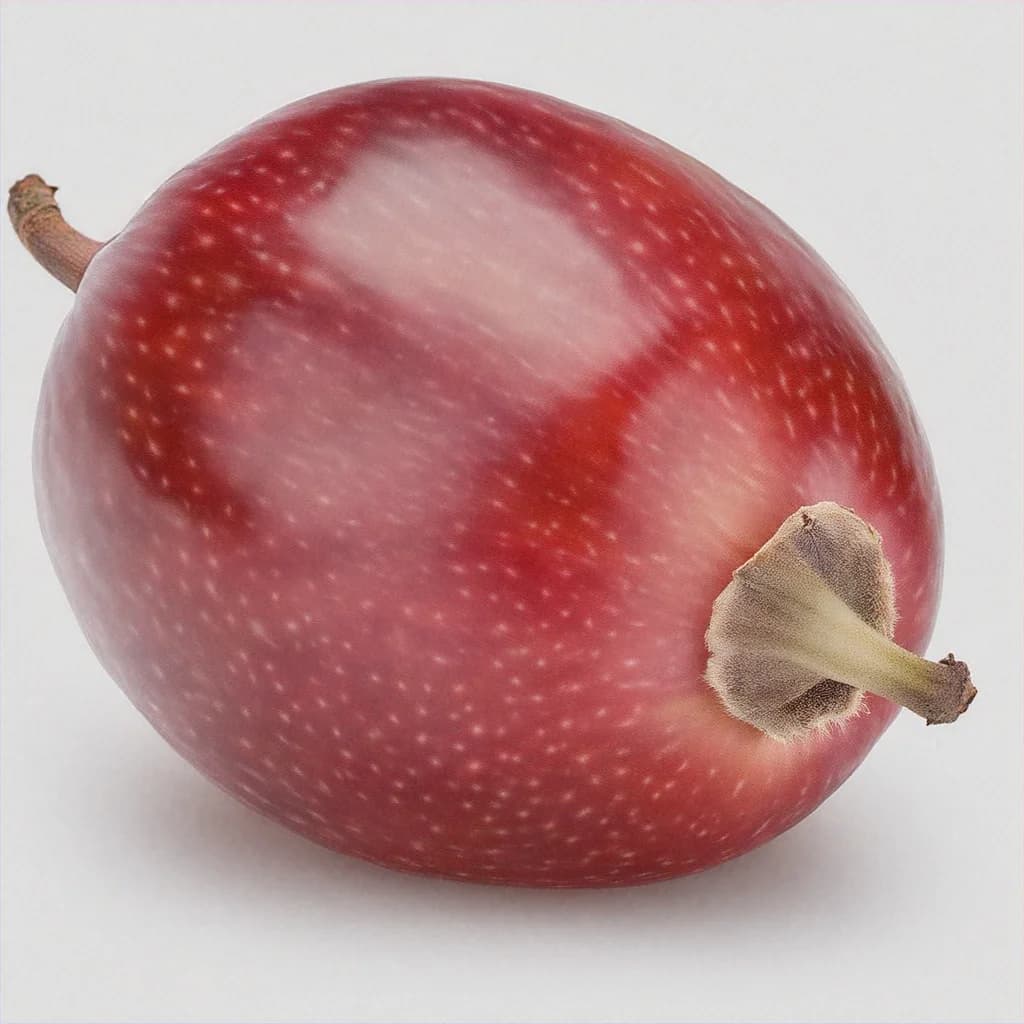
Cornus kousa
The Kousa Dogwood (Cornus kousa) is a deciduous tree native to Eastern Asia, celebrated for its ornamental beauty and edible fruit. Often used in landscaping for its showy white flowers and vibrant fall foliage, the tree produces small, reddish fruits that ripen in late summer or early fall. These berry-like fruits, also known as drupes, have a unique flavor profile—sweet with a hint of tartness—and a creamy, custard-like texture. Rich in antioxidants and essential nutrients, Kousa Dogwood fruit offers a variety of health benefits, making it a valuable addition to both culinary and medicinal traditions.
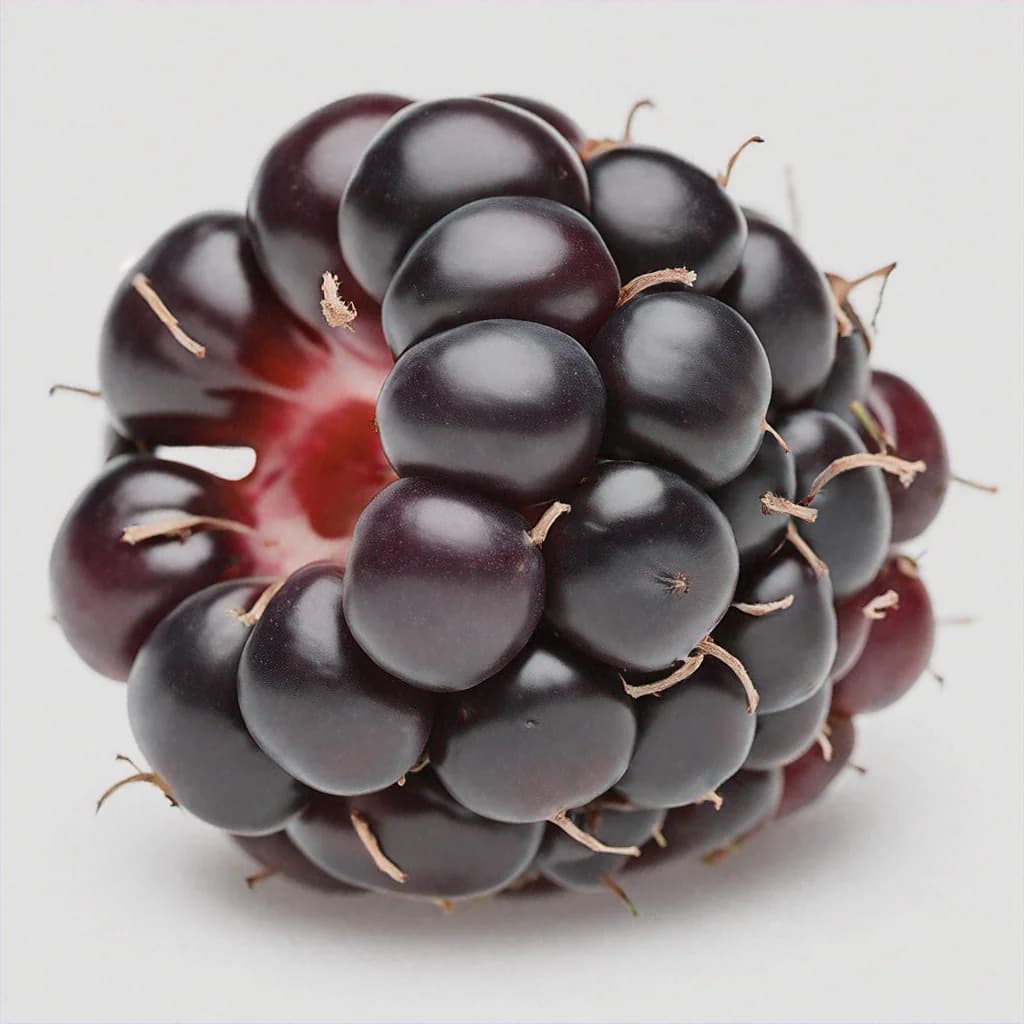
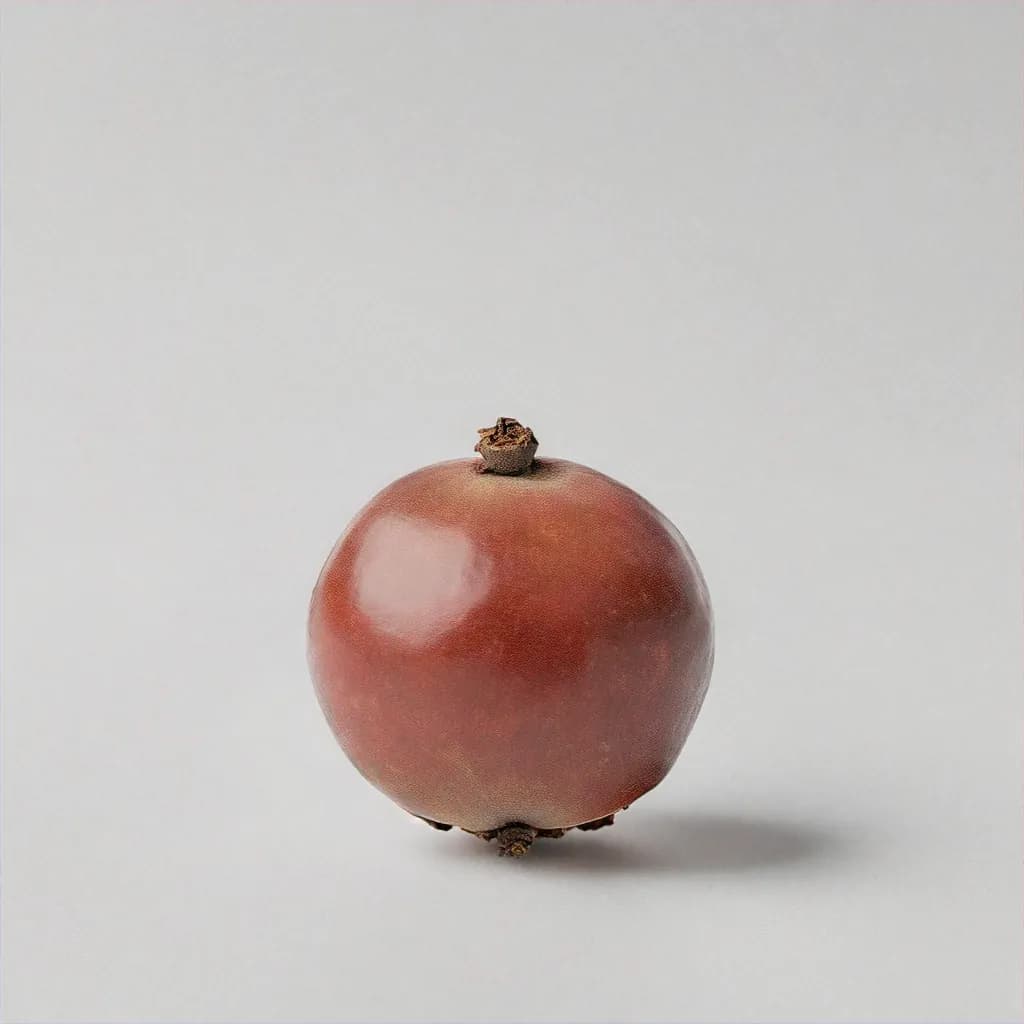
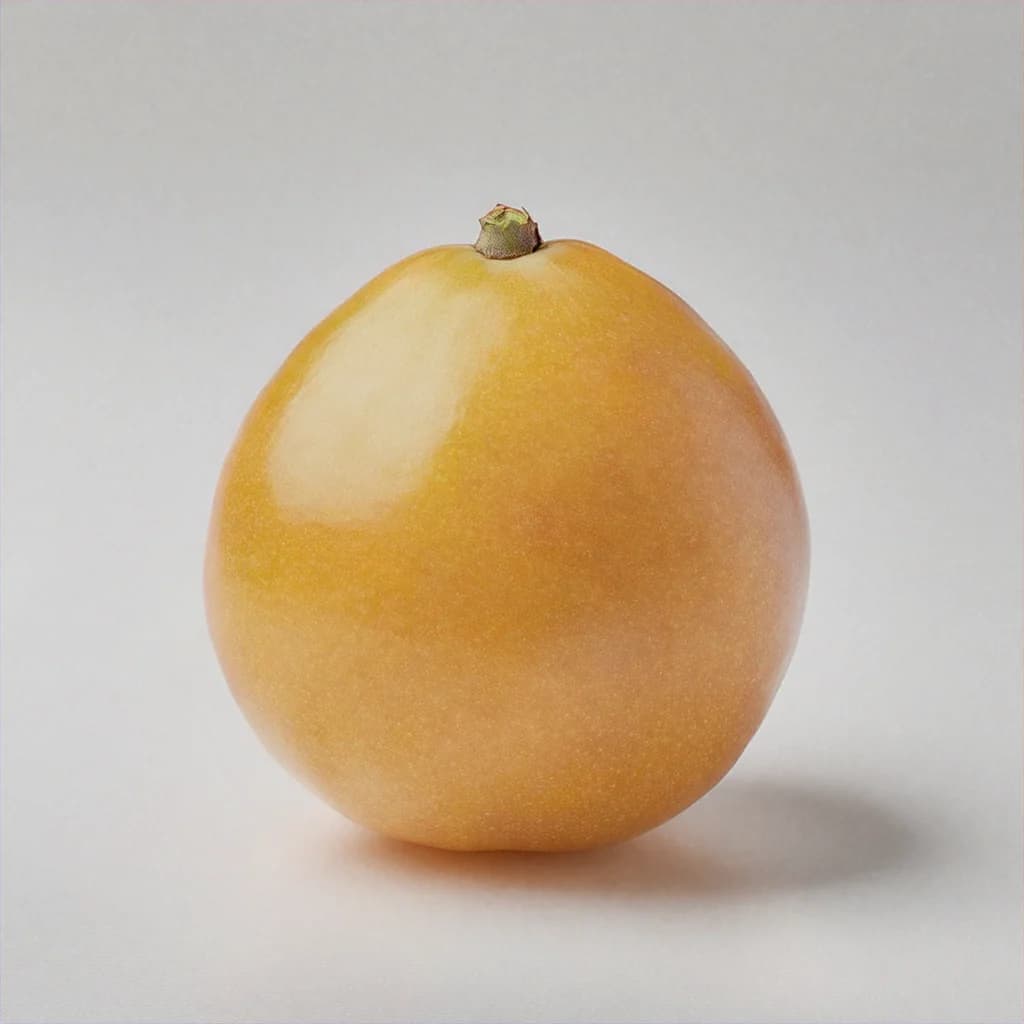
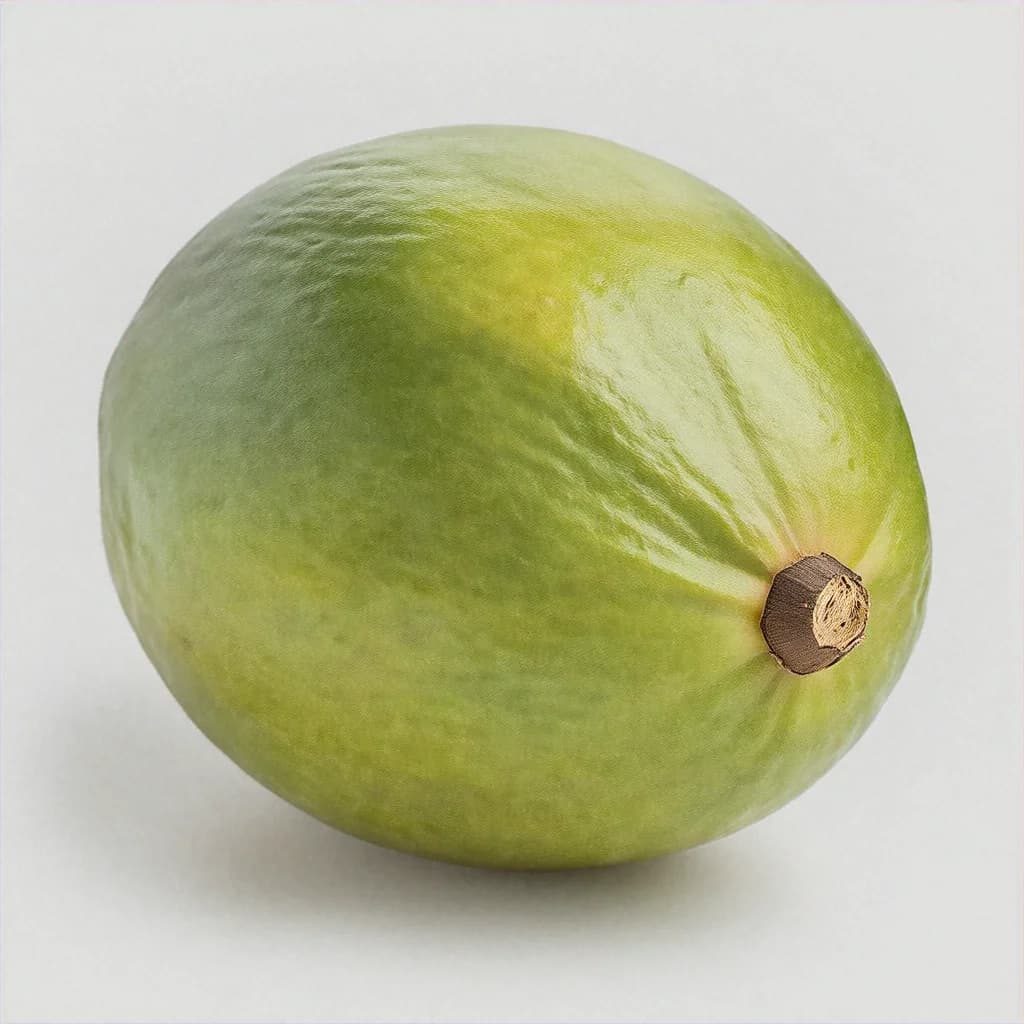
Explore Kousa Dogwood in stunning detail
Kousa Dogwood - Main View
Per 100g
Per 100g
Nutrition breakdown for one serving
Eastern Asia
The Kousa Dogwood has been cultivated for centuries in Asia for its ornamental value and edible fruit. It was introduced to Western horticulture in the 19th century and is now widely planted as an ornamental tree.
Late summer to early fall
Each variety offers unique flavors, textures, and culinary applications
Keep your fruit fresh and delicious for longer
Look for fruits that are fully reddish-pink and slightly soft to the touch.
Avoid fruits with blemishes, mold, or an overly hard texture, as they may not be ripe.
Store Kousa Dogwood fruits in a cool, dry place for up to 3 days.
Refrigerate to extend shelf life to about 7 days.
Preserve freshness for months
Freeze whole or pitted fruits in an airtight container for up to 6 months.
For easier use in recipes, puree the fruits before freezing.
Label frozen items with the date to track freshness. Most fruits maintain quality for 2-3 months when properly frozen. For best results, use airtight containers or freezer bags to prevent freezer burn.
Discover delicious possibilities
While rare, individuals allergic to similar fruits (e.g., peaches, cherries) should be cautious.
Organically grown Kousa Dogwood fruit is preferred to minimize pesticide exposure.
Surprising trivia you'll love!
Kousa Dogwood is also known as the Korean Dogwood or Chinese Dogwood.
The tree's showy white flowers are actually bracts, not true petals.
Kousa Dogwood fruit has a sweet, slightly tart flavor with a creamy, custard-like texture.
Ripe Kousa Dogwood fruit will be reddish-pink and slightly soft to the touch.
Yes, Kousa Dogwood fruit can be frozen whole or pureed for up to 6 months.
Kousa Dogwood fruit can be used in jams, baked goods, smoothies, and fruit salads.
Kousa Dogwood fruit contains about 12.1g of sugar per 100g, which is moderate compared to other fruits.
Kousa Dogwood fruit is generally safe for consumption, but individuals with allergies to similar fruits should exercise caution.
Yes, Kousa Dogwood fruit has been used in traditional Asian medicine for its antioxidant and anti-inflammatory properties.
Sustainability insights
Kousa Dogwood trees are drought-tolerant and require minimal water, making them a sustainable choice.
Low, especially when sourced locally.
Minimal, as the trees are adaptable to various soil conditions.
Locally grown Kousa Dogwood fruit is more eco-friendly than imported varieties.
We aim to keep this Kousa Dogwood profile accurate and easy to understand. Nutrition values and % Daily Value figures are based on established reference databases and standard daily value guidance.
Last updated: October 4, 2026
Medical disclaimer
This page is for general educational purposes and does not replace professional medical advice.
Found an issue? Contact us.