Loading Fruit Details...
Please wait while we fetch nutritional information and health benefits
Please wait while we fetch nutritional information and health benefits
Recommended Products
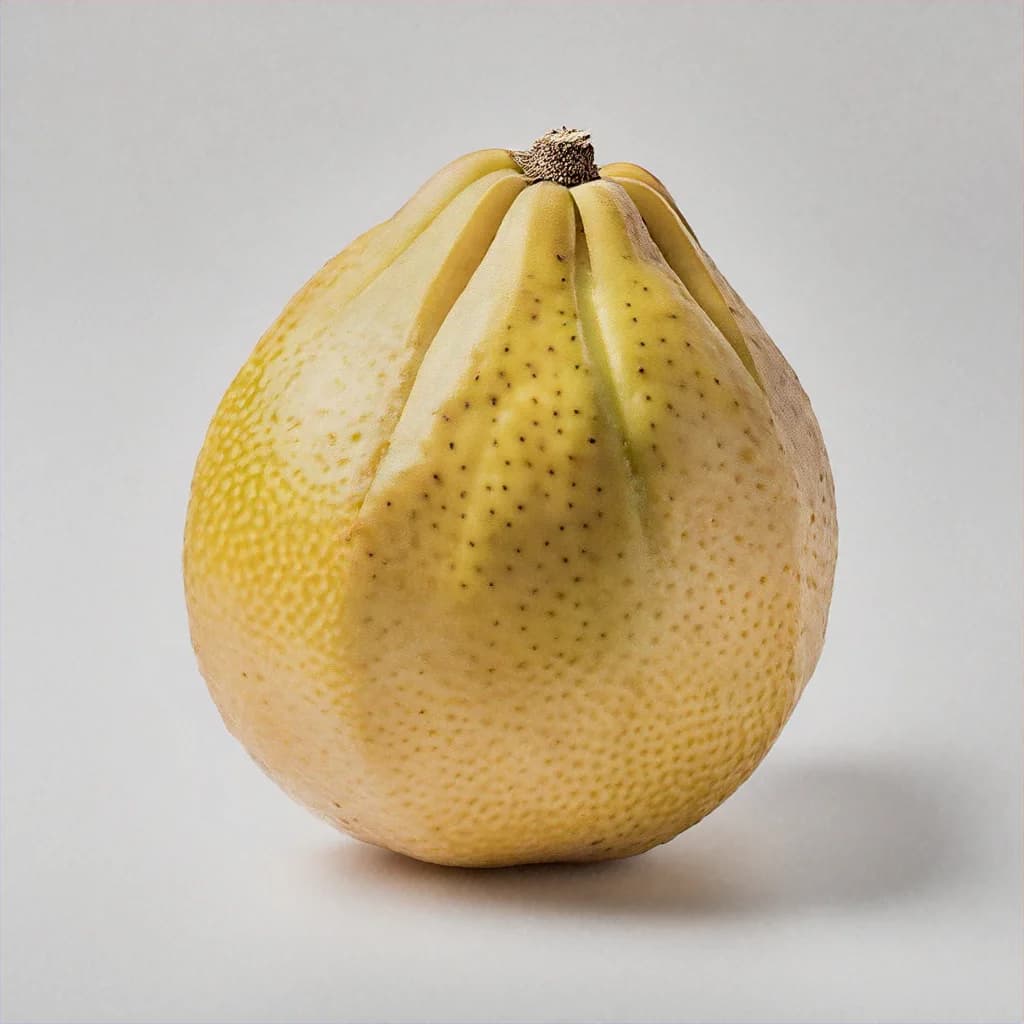
Myrcianthes pungens
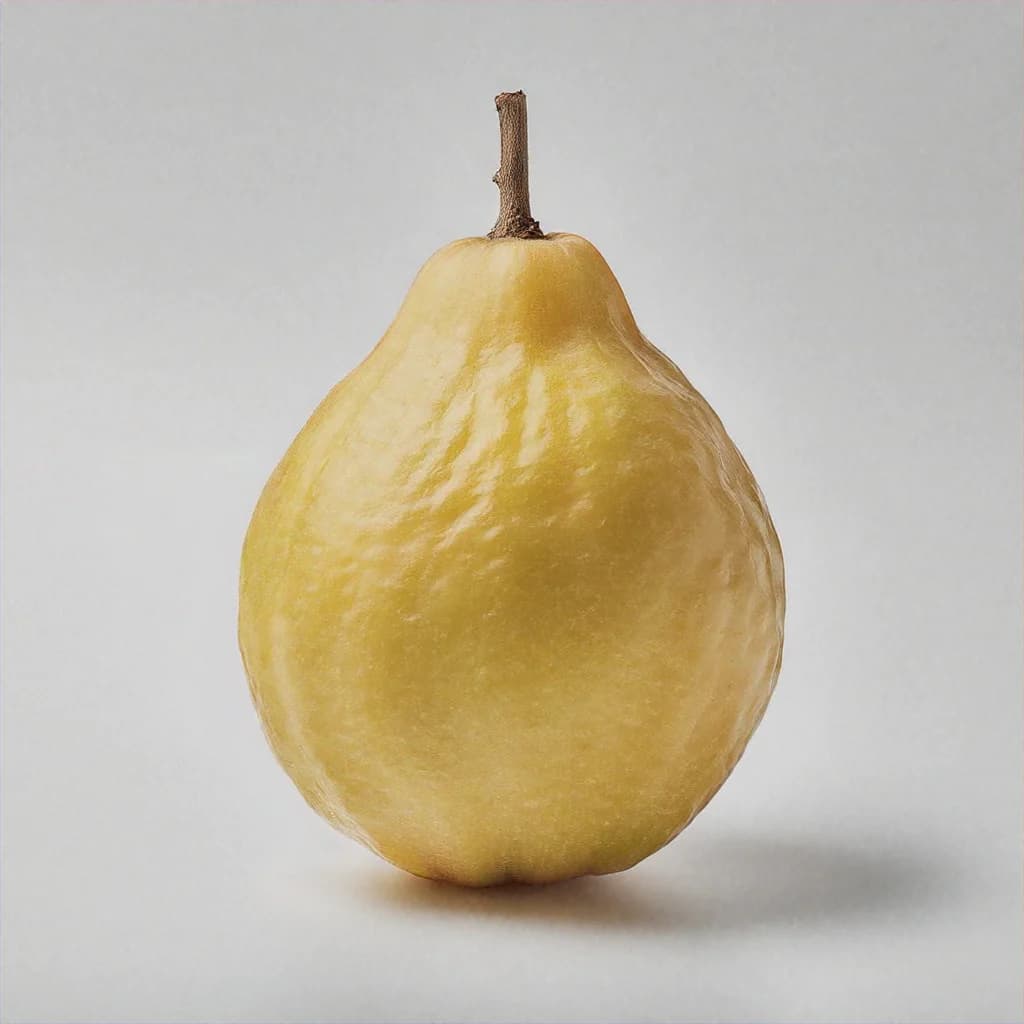
Pucá, scientifically known as Myrcianthes pungens, is a tropical fruit native to the lush regions of Central and South America. This vibrant, round fruit boasts a bright yellow-orange skin when ripe, revealing a juicy, sweet-tart pulp that tantalizes the taste buds. Pucá is often compared to a blend of mango and apricot, with a hint of tropical tanginess. Rich in antioxidants, vitamins, and minerals, it is not only a delightful culinary ingredient but also a powerhouse of nutrition. Its versatility extends from fresh consumption to jams, juices, and even liqueurs, making it a favorite among food enthusiasts and health-conscious individuals alike.
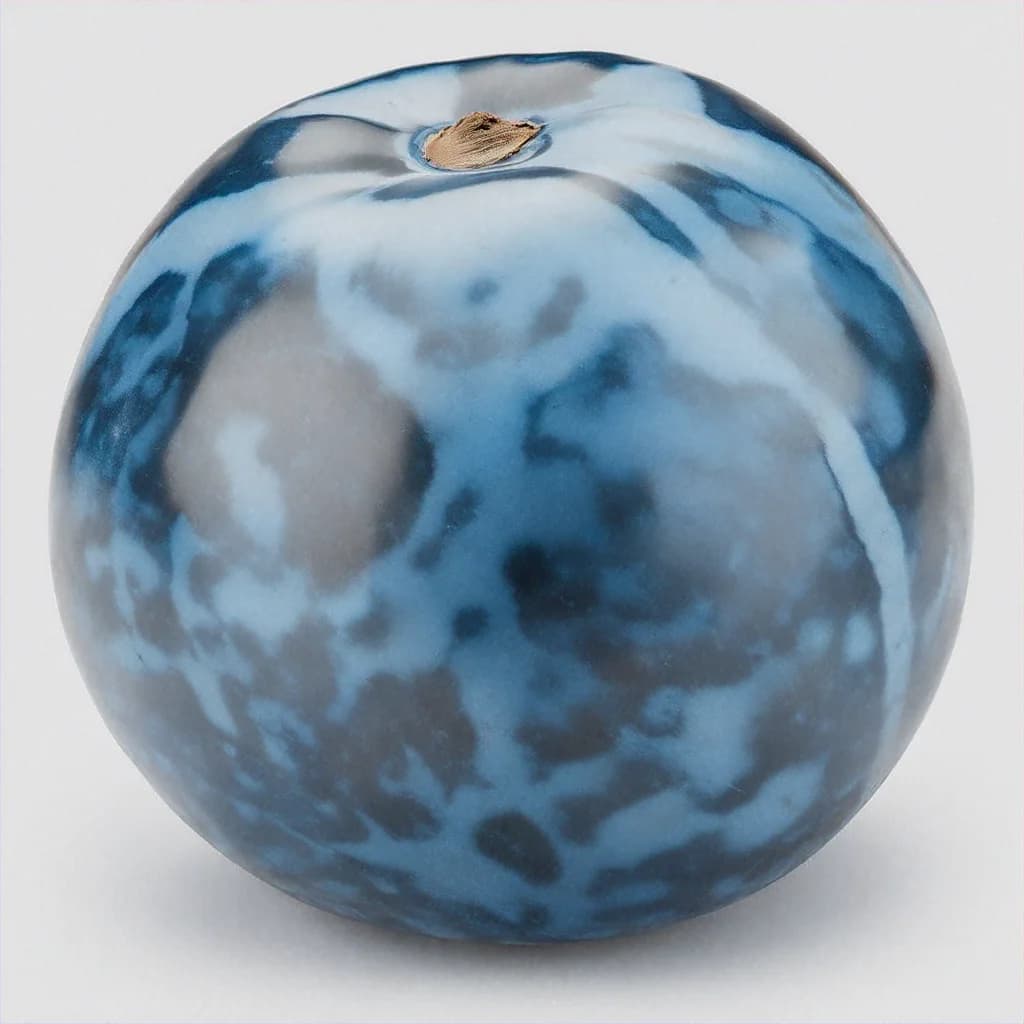
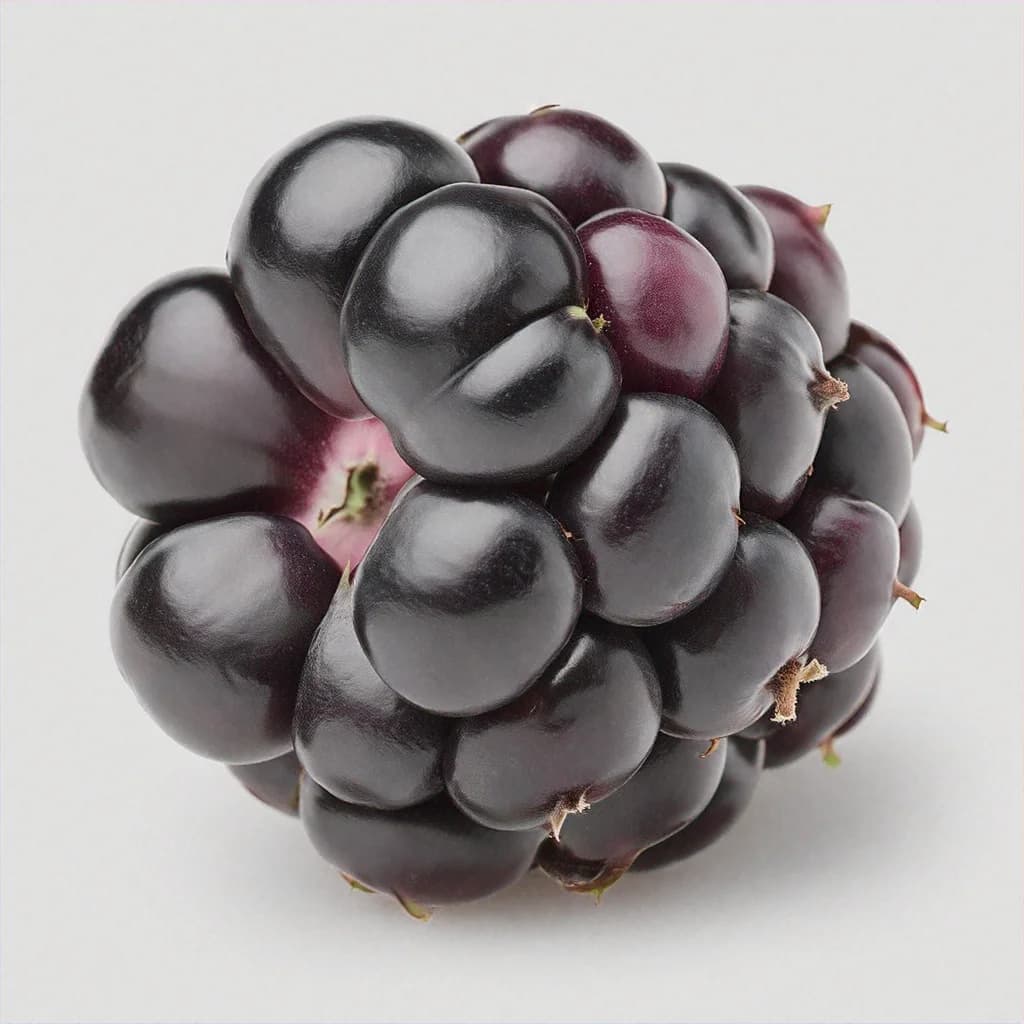
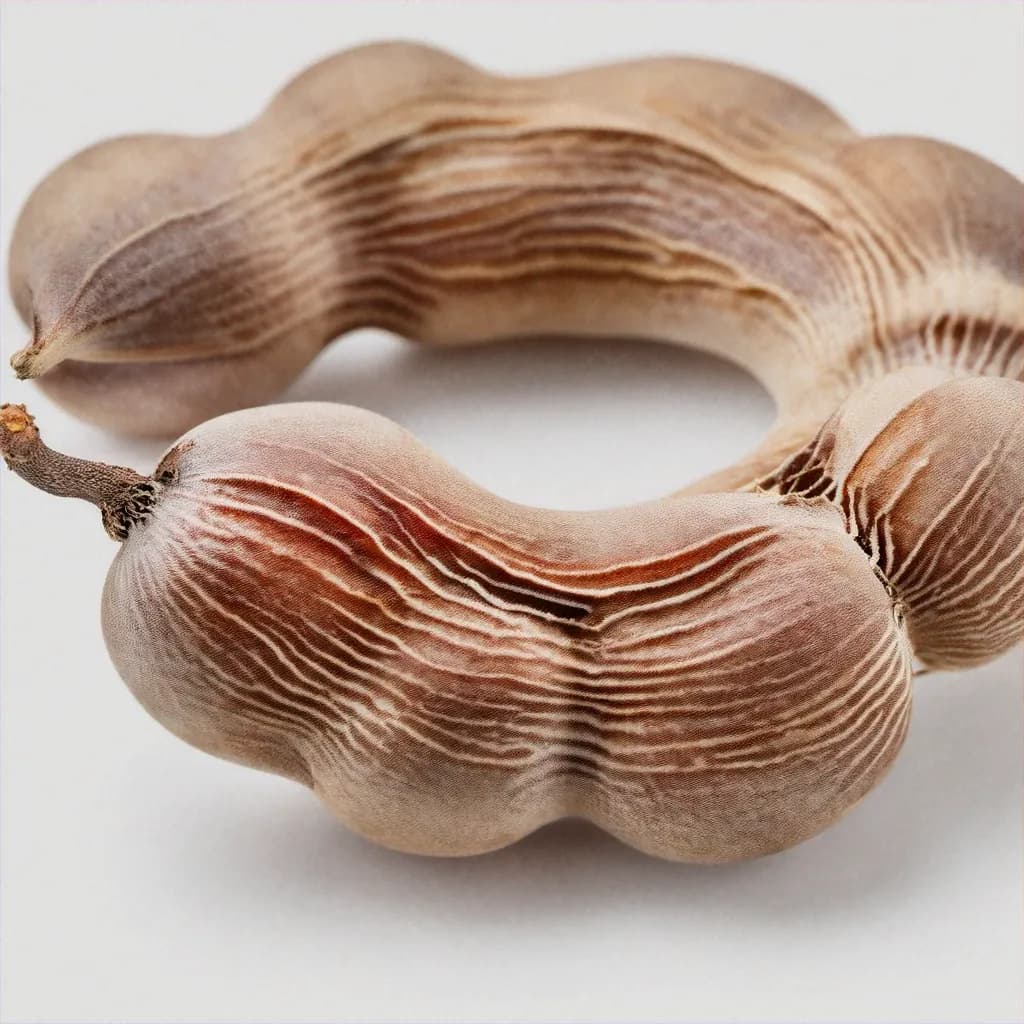
Explore Pucá in stunning detail
Pucá - Main View
Per 100g
Per 100g
Nutrition breakdown for one serving
Central and South America
Pucá has been cultivated for centuries in its native regions, valued for its unique flavor and nutritional benefits. Its cultivation has expanded to other tropical areas due to its popularity.
June to August
Each variety offers unique flavors, textures, and culinary applications
Keep your fruit fresh and delicious for longer
Select fruits with bright, unblemished skin.
Choose fruits that feel firm but yield slightly to gentle pressure.
Store at room temperature for up to 3 days.
Refrigerate to extend freshness for up to 1 week.
Preserve freshness for months
Freeze whole or sliced in airtight containers.
Use frozen Pucá within 6 months for best quality.
Label frozen items with the date to track freshness. Most fruits maintain quality for 2-3 months when properly frozen. For best results, use airtight containers or freezer bags to prevent freezer burn.
Discover delicious possibilities
Pucá is not a common allergen, but individuals with fruit allergies should exercise caution.
Pucá is generally low in pesticide residues due to its organic cultivation methods.
Surprising trivia you'll love!
Pucá is often referred to as the 'golden fruit' due to its vibrant yellow skin.
In some cultures, Pucá is believed to have medicinal properties and is used in traditional remedies.
Pucá has a unique flavor profile that combines the sweetness of mango with the tanginess of apricot.
Ripe Pucá has a bright yellow-orange skin and feels firm but slightly yielding to gentle pressure.
Yes, Pucá can be frozen whole or sliced in airtight containers for up to 6 months.
Pucá can be used in jams, juices, smoothies, desserts, and even liqueurs.
Pucá contains about 10 grams of sugar per 100 grams, which is moderate compared to other tropical fruits.
There are no known significant interactions with medications, but individuals on potassium-restricted diets should consume it in moderation.
Pucá is generally considered sustainable, as it is often grown in small-scale, eco-friendly farms in its native regions.
Sustainability insights
Pucá is often grown using sustainable farming practices, making it an eco-friendly choice.
Low, due to small-scale and organic cultivation methods.
Moderate, as Pucá requires regular irrigation during dry periods.
Locally grown Pucá is preferred for its freshness and reduced environmental impact.
We aim to keep this Pucá profile accurate and easy to understand. Nutrition values and % Daily Value figures are based on established reference databases and standard daily value guidance.
Last updated: October 1, 2026
Medical disclaimer
This page is for general educational purposes and does not replace professional medical advice.
Found an issue? Contact us.