Loading Fruit Details...
Please wait while we fetch nutritional information and health benefits
Please wait while we fetch nutritional information and health benefits
Recommended Products
Kegelia africana
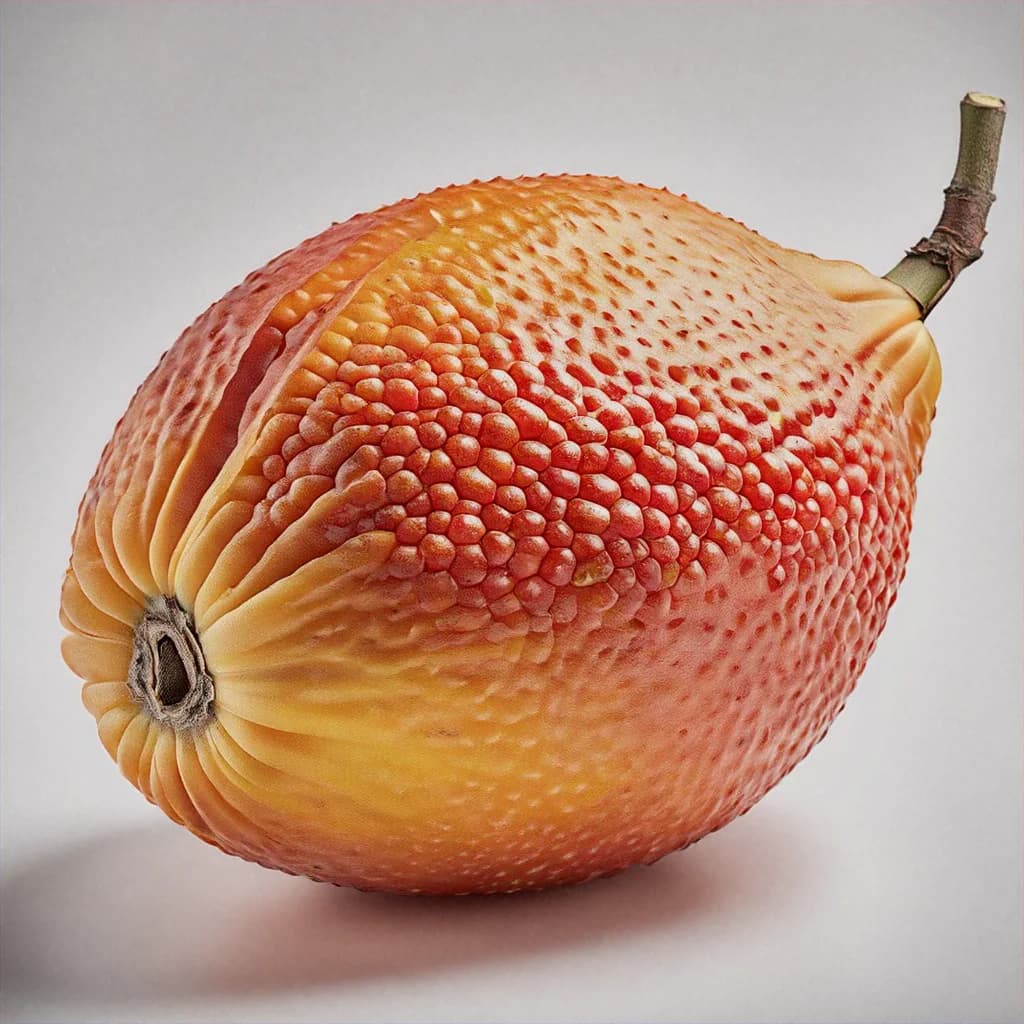
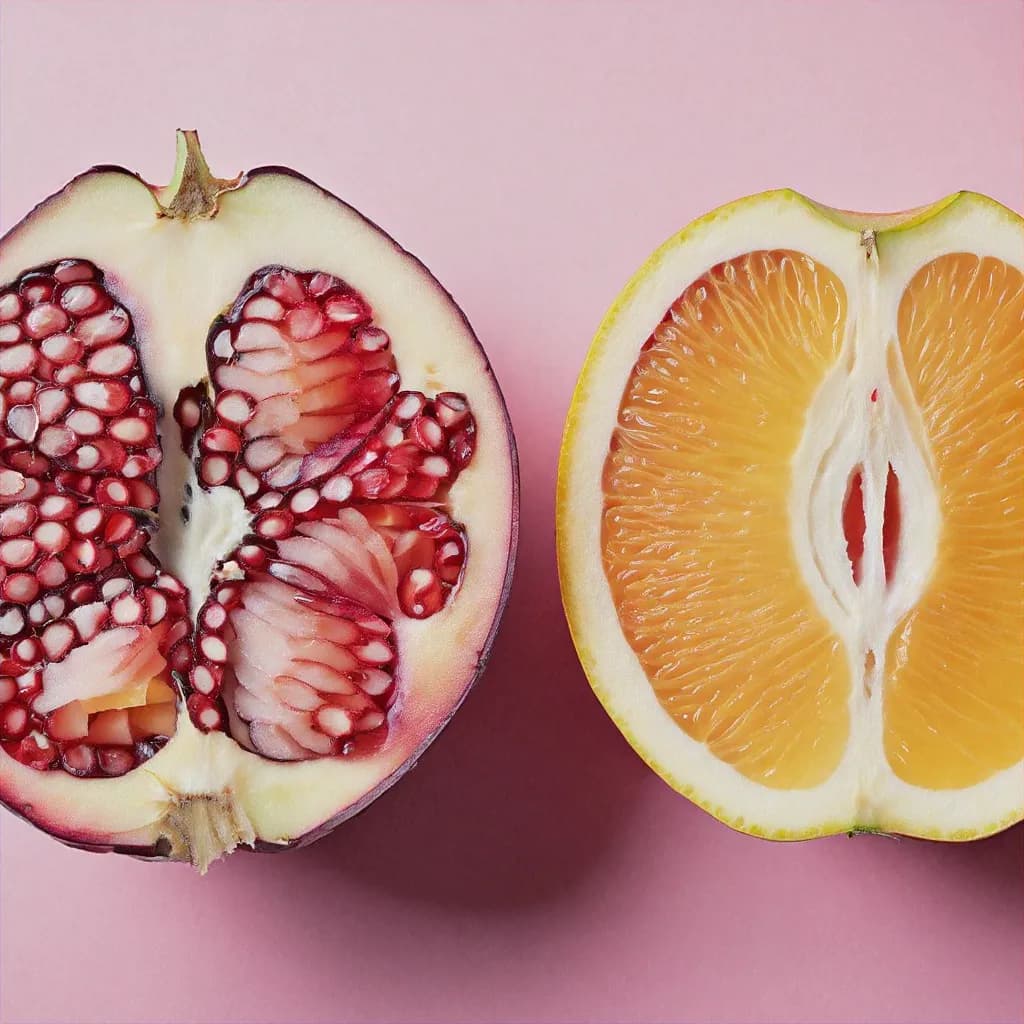
The Kegel Fruit, scientifically known as Kegelia africana, is a vibrant, tropical fruit native to the lush rainforests of West Africa. This fruit is renowned for its striking appearance, featuring a deep crimson skin that encases a juicy, pulpy interior. The taste is a delightful blend of sweet and tart, reminiscent of a cross between a pomegranate and a raspberry. Rich in antioxidants, vitamins, and minerals, the Kegel Fruit is not only a treat for the taste buds but also a powerhouse of nutrition. Its unique flavor and texture make it a versatile ingredient in various culinary applications, from fresh salads to exotic desserts.
Explore Kegel Fruit in stunning detail
Kegel Fruit - Main View
Per 100g
Per 100g
Nutrition breakdown for one serving
West Africa
The Kegel Fruit has been a staple in West African diets for centuries. It was traditionally used not only as a food source but also in various medicinal practices. The fruit was traded along ancient trade routes, spreading its popularity beyond its native region. Today, it is celebrated for its nutritional benefits and unique flavor.
Year-round
Each variety offers unique flavors, textures, and culinary applications
Keep your fruit fresh and delicious for longer
Select fruits with vibrant, deep crimson or golden yellow skin.
Avoid fruits with soft spots or wrinkles on the skin.
Choose fruits that feel heavy for their size, indicating juiciness.
Look for a slight give when gently pressed, indicating ripeness.
Check for a sweet, fruity aroma, which indicates ripeness.
Store at room temperature until fully ripe.
Once ripe, refrigerate to prolong freshness for up to a week.
Keep in a perforated plastic bag to maintain humidity.
Avoid storing near ethylene-producing fruits like bananas or apples.
Consume within a few days of ripening for the best flavor and nutrition.
Preserve freshness for months
Peel and remove seeds before freezing.
Spread pulp in a single layer on a baking sheet and freeze until solid.
Transfer frozen pulp to airtight containers or freezer bags.
Use frozen pulp within 6 months for best quality.
Label frozen items with the date to track freshness. Most fruits maintain quality for 2-3 months when properly frozen. For best results, use airtight containers or freezer bags to prevent freezer burn.
Discover delicious possibilities
Individuals with allergies to other fruits in the same family may experience allergic reactions to Kegel Fruit. Always consult with a healthcare provider if you have concerns about potential allergies.
Choose organic Kegel Fruit when possible to avoid pesticide exposure.
Surprising trivia you'll love!
Kegel Fruit gets its name from the Kegel Mountains in West Africa, where it was first discovered.
The vibrant crimson color of Kegel Fruit is due to high levels of anthocyanins, powerful antioxidants.
Kegel Fruit has been used in traditional West African medicine for its anti-inflammatory and immune-boosting properties.
The seeds of Kegel Fruit are often used to make a spicy condiment similar to pepper.
Kegel Fruit is sometimes called the 'superfruit of the rainforest' due to its high nutrient content.
The pulp of Kegel Fruit can be fermented to make a tangy, probiotic-rich beverage.
The best way to eat Kegel Fruit is to cut it open and scoop out the juicy pulp with a spoon. You can enjoy it fresh as a snack, add it to salads for a burst of flavor, or use it in smoothies, desserts, and sauces. The sweet-tart taste pairs well with a variety of ingredients, making it a versatile addition to many dishes.
Kegel Fruit is ripe when it has a vibrant, deep crimson or golden yellow skin and feels slightly soft to the touch. A ripe Kegel Fruit should also have a sweet, fruity aroma. If the fruit feels too hard, it may need more time to ripen at room temperature.
Yes, you can freeze Kegel Fruit. To freeze, peel the fruit and remove the seeds. Spread the pulp in a single layer on a baking sheet and freeze until solid. Transfer the frozen pulp to airtight containers or freezer bags. Frozen Kegel Fruit can be used within 6 months for best quality.
Kegel Fruit is rich in antioxidants, vitamins, and minerals. It provides 133% of the Daily Value for Vitamin C per 100g, which boosts immune function and acts as a powerful antioxidant. It also contains anthocyanins, flavonoids, phenolic acids, carotenoids, and Vitamin E, all of which offer various health benefits, including reducing inflammation, supporting heart health, and protecting against chronic diseases.
Kegel Fruit, scientifically known as Kegelia africana, is native to the lush rainforests of West Africa. It is commonly found in countries like Nigeria, Ghana, Ivory Coast, Cameroon, Senegal, Gabon, Congo, and Benin. The fruit has been a staple in West African diets for centuries and is celebrated for its nutritional benefits and unique flavor.
Store Kegel Fruit at room temperature until fully ripe. Once ripe, refrigerate to prolong freshness for up to a week. Keep the fruit in a perforated plastic bag to maintain humidity. Avoid storing near ethylene-producing fruits like bananas or apples. Consume within a few days of ripening for the best flavor and nutrition.
Sustainability insights
Kegel Fruit is grown in sustainable agroforestry systems in West Africa, which help preserve biodiversity and soil health.
The carbon footprint of Kegel Fruit is relatively low due to its local production and minimal transportation needs.
Kegel Fruit requires moderate water usage, making it a sustainable choice in regions with adequate rainfall.
Choosing locally sourced Kegel Fruit supports sustainable agriculture and reduces the carbon footprint associated with long-distance transportation.
We aim to keep this Kegel Fruit profile accurate and easy to understand. Nutrition values and % Daily Value figures are based on established reference databases and standard daily value guidance.
Last updated: September 14, 2026
Medical disclaimer
This page is for general educational purposes and does not replace professional medical advice.
Found an issue? Contact us.