Loading Fruit Details...
Please wait while we fetch nutritional information and health benefits
Please wait while we fetch nutritional information and health benefits
Recommended Products
Inga edulis
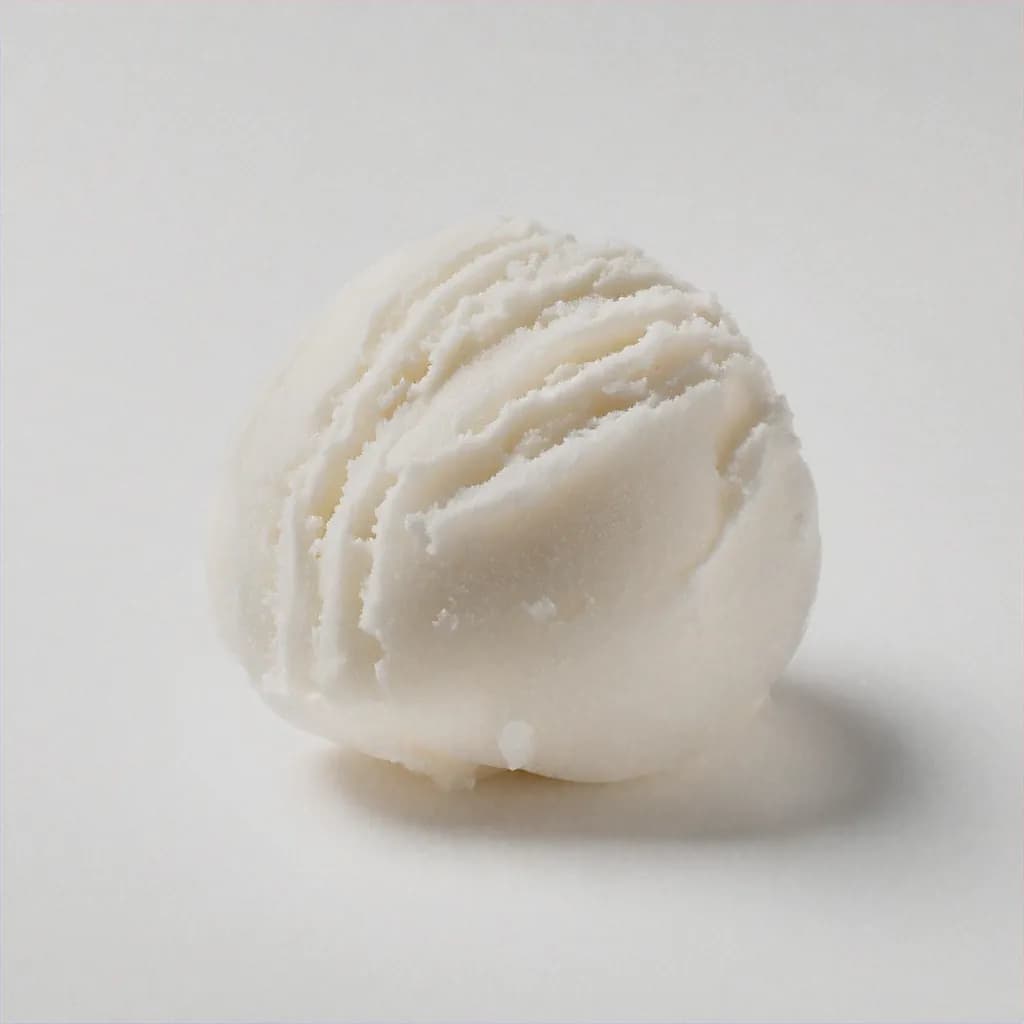
Ice Cream Bean is a unique tropical fruit known for its long green pods filled with soft, white, cottony pulp that tastes remarkably like vanilla ice cream. Native to South America, ice cream bean is a low-fat, fiber-rich fruit that provides steady energy, digestive support, and beneficial minerals such as potassium and magnesium. With moderate natural sugars, good fiber content (10% DV per 100g), and antioxidant compounds, ice cream bean is valued in traditional diets, sustainable agroforestry systems, and functional nutrition. Ideal for fresh consumption, natural desserts, and tropical wellness diets.
Explore Ice Cream Bean in stunning detail
Ice Cream Bean - Main View
Per 100g
Per 100g
Nutrition breakdown for one serving
Amazon Basin, South America
Ice cream bean (Inga edulis) has been cultivated for centuries by indigenous Amazonian communities for food, shade, and soil enrichment. The tree is widely used in agroforestry due to its nitrogen-fixing ability, improving soil fertility while producing edible pods with sweet, vanilla-like pulp.
Year-round in tropical climates
Each variety offers unique flavors, textures, and culinary applications
Keep your fruit fresh and delicious for longer
Select pods that are green and firm
Avoid pods with cracks or mold
Choose heavier pods indicating fresh pulp
Pods should have no sour odor
Consume soon after harvesting for best flavor
Store whole pods in refrigerator
Remove pulp before long storage
Avoid exposure to heat
Preserve freshness for months
Remove pulp from pod before freezing
Store pulp in airtight container
Frozen pulp lasts up to 3 months
Best used in smoothies or desserts after thawing
Label frozen items with the date to track freshness. Most fruits maintain quality for 2-3 months when properly frozen. For best results, use airtight containers or freezer bags to prevent freezer burn.
Discover delicious possibilities
Ice cream bean allergies are rare.
Wild-grown pods generally have low pesticide exposure. Wash pods before opening.
Surprising trivia you'll love!
Ice cream bean tastes like vanilla without containing vanilla
The tree improves soil fertility naturally
It is widely used as a shade tree for coffee and cacao
Pods can grow over 1 meter long
Popular among Amazonian tribes for centuries
Ice cream bean has a naturally sweet, creamy flavor similar to vanilla ice cream, despite containing no dairy.
Yes, ice cream bean provides dietary fiber, potassium, antioxidants, and moderate natural sugars that support digestion and energy levels.
Yes, the white pulp inside the pod is eaten fresh and raw. The seeds are not consumed.
Yes, its fiber content helps support gut health and regular digestion when eaten in moderation.
Ice cream bean has moderate natural sugar and fiber, so people with diabetes should consume it in controlled portions.
Ice cream bean trees fix nitrogen in the soil, improve soil fertility, and support sustainable agroforestry systems.
Yes, ice cream bean is generally safe for children when eaten fresh and in moderate portions. Only the white pulp should be consumed, and the seeds should be discarded.
No, ice cream bean contains no dairy or vanilla. Its creamy, vanilla-like flavor is entirely natural and comes from compounds in the fruit pulp.
Yes, ice cream bean provides natural carbohydrates along with fiber, offering gentle and sustained energy without the sharp blood sugar spikes associated with refined sweets.
Ice cream bean has traditionally been eaten fresh by indigenous communities in the Amazon and is also used as a shade and soil-enriching tree in sustainable agroforestry systems.
Sustainability insights
Ice cream bean trees are highly sustainable and support regenerative agriculture.
Low carbon footprint when locally grown.
Moderate water needs suited to tropical rainfall.
Local consumption greatly reduces environmental impact.
We aim to keep this Ice Cream Bean profile accurate and easy to understand. Nutrition values and % Daily Value figures are based on established reference databases and standard daily value guidance.
Last updated: September 20, 2026
Medical disclaimer
This page is for general educational purposes and does not replace professional medical advice.
Found an issue? Contact us.