Loading Fruit Details...
Please wait while we fetch nutritional information and health benefits
Please wait while we fetch nutritional information and health benefits
Recommended Products
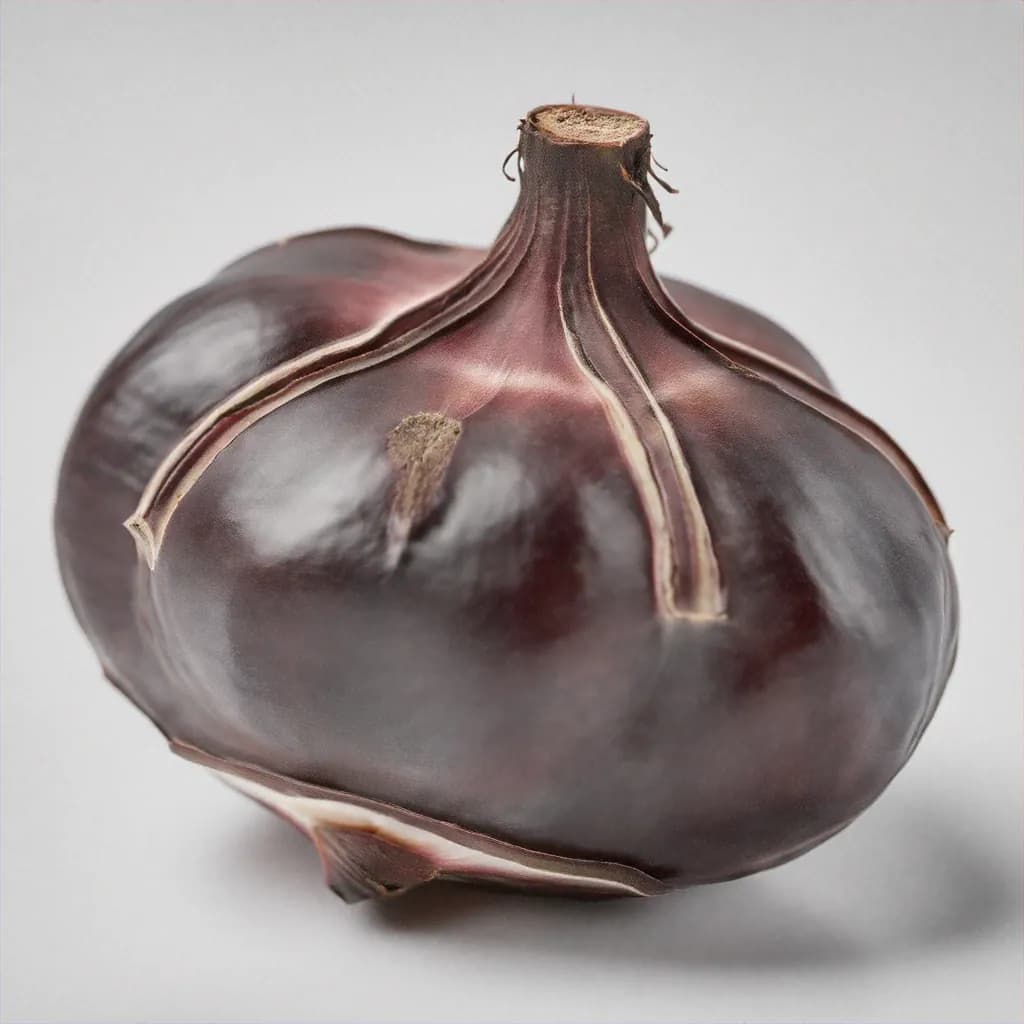
Eleocharis dulcis
Water chestnuts are aquatic vegetable tubers featuring crispy white flesh, brown papery skin, and subtle sweet flavor representing nutritional staple throughout Asian cuisine. Native to tropical Asia, water chestnuts thrive in freshwater marshes and paddy fields. Unlike true chestnuts, water chestnuts are bulbous vegetables offering exceptional nutritional profile with remarkable crispness persisting through cooking. Each serving delivers impressive nutritional benefits - exceptional copper (21% DV per 100g) supporting immune and collagen function, manganese (8% DV) for bone health, vitamin B6 (4% DV) for nervous system support, and resistant starch supporting digestive health. Crispy texture remains intact when cooked making water chestnuts ideal stir-fry ingredient, salad topper, and textural contrast element. Subtle sweet flavor complements Asian cuisine including Asian stir-fries, dumplings, spring rolls, and dim sum preparations. Water chestnuts support digestive wellness through prebiotic fiber promoting beneficial gut bacteria. Traditional Asian medicine has used water chestnuts for centuries to support respiratory and digestive health. Water chestnuts represent perfect ingredient for health-conscious Asian cooking combining nutritional density, culinary versatility, and maintained crispness through cooking.
Explore Water Chestnut in stunning detail
Water Chestnut - Main View
Per 100g
Per 100g
Nutrition breakdown for one serving
Tropical Asia, primarily China, India, Southeast Asia
Water chestnuts originated in tropical Asia cultivated for thousands of years in freshwater paddy fields. Evidence of cultivation in ancient China dates back 3,000+ years. Traditional Asian agriculture integral to rice cultivation systems. Archaeological records show water chestnut use in ancient Indian and Southeast Asian cuisine. Introduced to Western markets gradually during 20th century through Asian immigration and international trade. Commercial cultivation expanded globally post-1980s reflecting Asian cuisine popularity.
Year-round availability with seasonal variations by region
Each variety offers unique flavors, textures, and culinary applications
Keep your fruit fresh and delicious for longer
Select firm water chestnuts without soft spots or blemishes
Check for dry outer skin - indicates maturity and quality
Avoid moldy or discolored specimens
Medium-sized chestnuts preferred over extremely large ones
Fresh aroma indicates quality and freshness
Store in cool area before purchase
Purchase from stores with good turnover ensuring freshness
Refrigerate in paper bag or ventilated container 1-2 weeks
Do not store in sealed plastic - causes mold growth
Keep away from ethylene-producing fruits
Store at 5-8°C for maximum shelf life
Discard any moldy specimens immediately
Peel before storage if prepared in advance
Cooked water chestnuts store refrigerated 3-4 days
Preserve freshness for months
Blanch whole water chestnuts 5 minutes before freezing
Cool completely before freezing
Freeze on baking sheet before transferring to bags
Frozen water chestnuts keep 8-10 months
Use frozen for cooked applications
Texture becomes softer after freezing
Label frozen items with the date to track freshness. Most fruits maintain quality for 2-3 months when properly frozen. For best results, use airtight containers or freezer bags to prevent freezer burn.
Discover delicious possibilities
Water chestnut allergies uncommon but documented particularly in individuals with cross-reactivity to other tuber vegetables or pollen allergies. Allergic reactions typically mild. Severe reactions rare.
Conventionally grown water chestnuts may contain pesticide residues. Proper cleaning: Rinse thoroughly under cool running water for 15-20 seconds with vegetable brush. Peel outer skin removing residues. Organic water chestnuts eliminate synthetic pesticide concerns.
Surprising trivia you'll love!
Water chestnuts are not true chestnuts but aquatic tubers unrelated to tree chestnuts - completely different botanical families
Water chestnuts retain exceptional crispness through cooking unlike almost all other vegetables making them unique culinary ingredient
The name 'water chestnut' derives from growing habitat in freshwater marshes and bulbous shape resembling chestnut seeds
Fresh water chestnuts contain resistant starch that increases after cooking creating prebiotic benefits for digestive health
Canned water chestnuts typically cost 50-70% less than fresh but contain added sodium affecting nutritional profile
Water chestnuts feature among lowest-calorie vegetables at only 30 calories per 100g making them ideal for weight management
Traditional Chinese medicine has used water chestnuts for thousands of years to support respiratory health and digestion
Water chestnuts thrive in paddy fields alongside rice cultivation creating integrated agricultural system in Asian regions
Raw water chestnuts sweet flavor develops more when cooked through subtle starch conversion
Ancient Rome knew water chestnuts but limited cultivation occurred until Asian immigration increased Western popularity
Water chestnuts maintain crispness when cooked due to unique cell wall structure and minimal water loss. Unlike most vegetables with thin cell walls that soften quickly through water loss, water chestnuts feature reinforced cell walls resisting breakdown from heat exposure. High water content (89.63%) remains bound within cells during cooking preventing excessive drying. Crisp texture persists through standard stir-fry cooking temperatures (120-160°C). Excessive cooking above 160°C or prolonged cooking eventually softens water chestnuts. The unique structure makes water chestnuts ideal for dishes requiring maintained textural contrast.
Fresh and canned water chestnuts differ significantly in preparation, texture, and nutritional profile. FRESH WATER CHESTNUTS: Superior crispy texture, sweeter flavor, higher nutrient density, require peeling before use, shorter shelf life (10-14 days refrigerated), no added sodium, require more preparation time. CANNED WATER CHESTNUTS: Softer texture from processing, slightly blander flavor from liquid preservation, some nutrient loss during canning, ready-to-use convenience, longer shelf life (2+ years unopened), contains added sodium (consult label), minimal preparation needed. SODIUM CONTENT: Fresh water chestnuts naturally low sodium (approximately 1mg per 100g). Canned water chestnuts contain added sodium (50-150mg per 100g depending on brand) for preservation. PREFERENCE: Fresh preferred for maximum nutrition and crispness but require more effort. Canned appropriate for convenience and longer storage. Drain and rinse canned water chestnuts to reduce sodium content.
Water chestnuts accommodate numerous dietary restrictions and preferences. VEGETARIAN/VEGAN: Completely plant-based, appropriate for all plant-based diets. GLUTEN-FREE: Naturally gluten-free tuber vegetable, safe for celiac disease. LOW-CALORIE DIETS: Only 30 calories per 100g, excellent for weight management. LOW-FAT DIETS: Extremely low fat (0.14g per 100g), appropriate for low-fat dietary approaches. LOW-GLYCEMIC DIETS: Glycemic index 40 with low glycemic load, appropriate for blood sugar management. KETO DIETS: Not ideal - carbohydrate content (7.22g per 100g) inconsistent with ketogenic approach. PALEO DIETS: Acceptable as whole food tuber vegetable. KOSHER: Generally appropriate - check specific certifications. HALAL: Generally appropriate - check specific certifications. ALLERGIES: Rarely allergenic but individuals with tuber allergies should consult healthcare provider.
Water chestnut preparation is straightforward once proper technique mastered. PEELING: Rinse water chestnuts thoroughly under cool running water removing soil and debris. Use vegetable peeler or small paring knife to remove thin outer brown skin. Gentle pressure prevents excessive flesh removal. Alternatively use small kitchen knife carefully removing skin in downward strokes. Work over cutting board to manage debris. Finished peeled chestnuts feature white flesh. CUTTING: Cut peeled water chestnuts into desired sizes based on recipe requirements. Halves appropriate for salads and soups. Quarter slices ideal for stir-fries. Thin slices work for Asian preparations. Keep uniform size for even cooking. BLANCHING (optional): Briefly blanch peeled water chestnuts 2-3 minutes if removing additional exterior layer. Cools quickly in ice water. Optional but recommended for premium texture. PREPARATION TIMING: Peel water chestnuts close to cooking time to prevent browning. Brief water chestnut exposure prevents oxidation. Store peeled in water if advance preparation necessary. Store prepared water chestnuts refrigerated maximum 4 hours before cooking.
Sustainability insights
Water chestnut cultivation represents sustainable aquatic agriculture with minimal environmental impact. Benefits include integration with rice paddy systems, minimal chemical inputs in traditional cultivation, renewable annual crop, and low water pollution. Challenges include potential wetland habitat conversion in some regions and monoculture concerns in large-scale operations. Sustainable practices include traditional integrated farming systems, organic cultivation, and supporting local Asian producers.
Water chestnut carbon footprint is extremely low due to minimal processing and transportation primarily from local Asian markets. Fresh whole water chestnuts require no processing. Carbon footprint primarily from cultivation and transportation. Local cultivation dramatically reduces footprint. Support local and regional producers when available.
Water chestnut cultivation requires freshwater paddy fields representing integrated water management with rice agriculture. Water requirements moderate through integration with existing agricultural systems. Sustainable cultivation maintains watershed health.
Supporting local water chestnut cultivation maximizes sustainability. BEST PRACTICES: Purchase fresh local water chestnuts when available in appropriate regions, choose canned when necessary, support local farmers through Asian markets.
We aim to keep this Water Chestnut profile accurate and easy to understand. Nutrition values and % Daily Value figures are based on established reference databases and standard daily value guidance.
Last updated: September 6, 2026
Medical disclaimer
This page is for general educational purposes and does not replace professional medical advice.
Found an issue? Contact us.