Loading Fruit Details...
Please wait while we fetch nutritional information and health benefits
Please wait while we fetch nutritional information and health benefits
Recommended Products
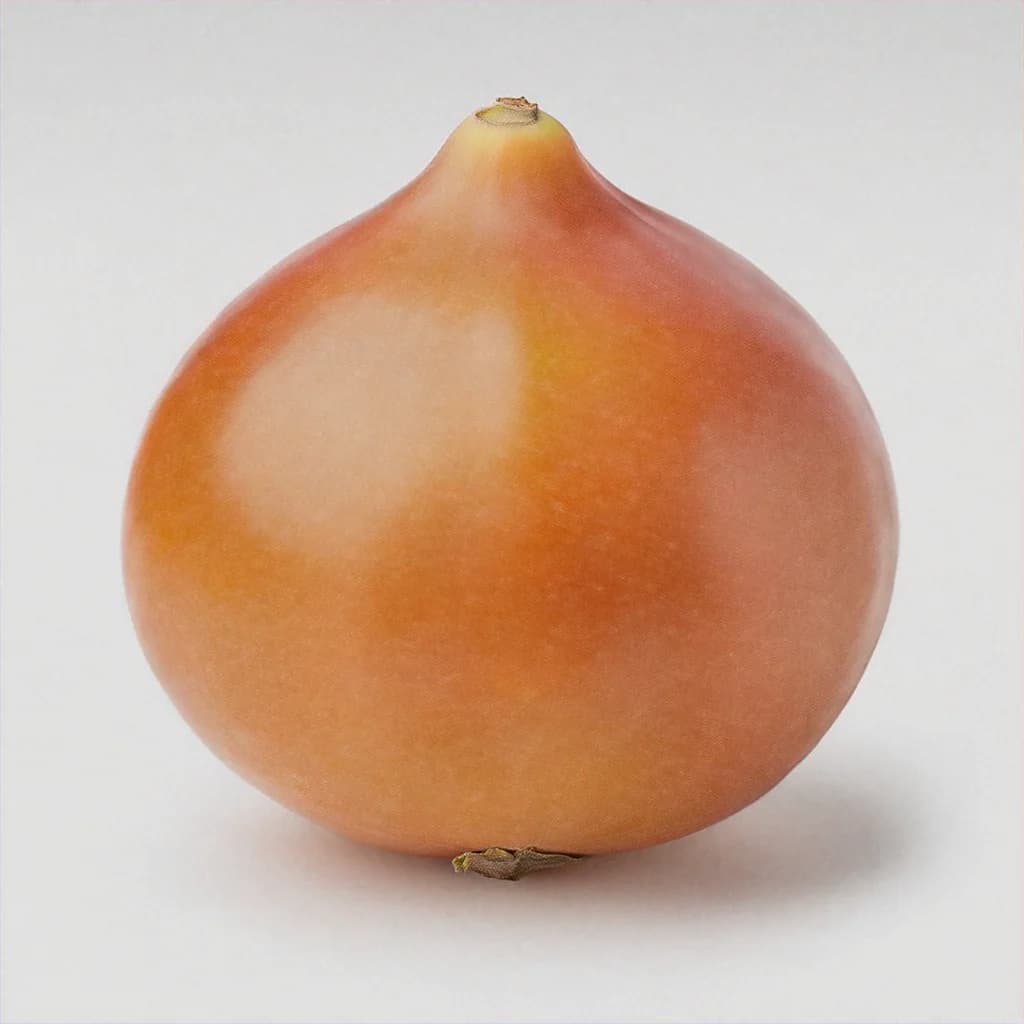
Harpephyllum caffrum
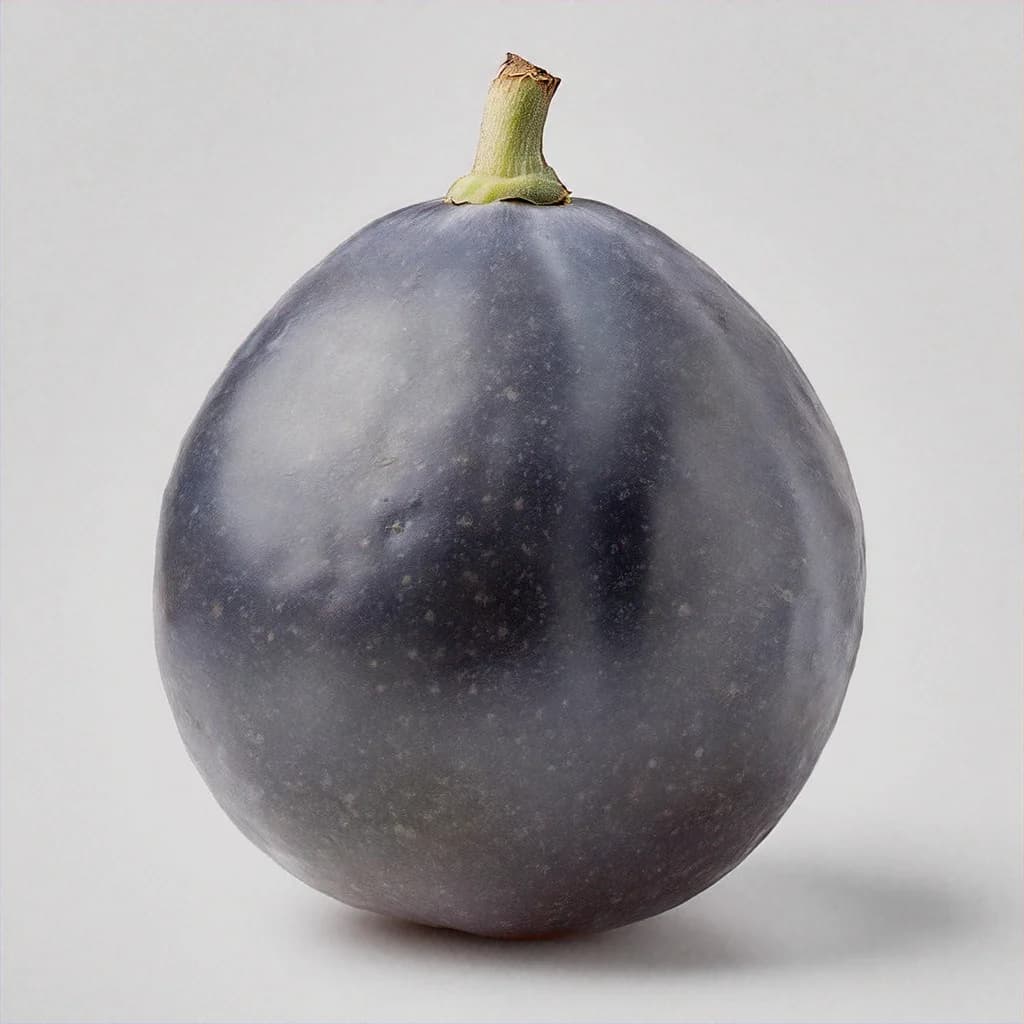
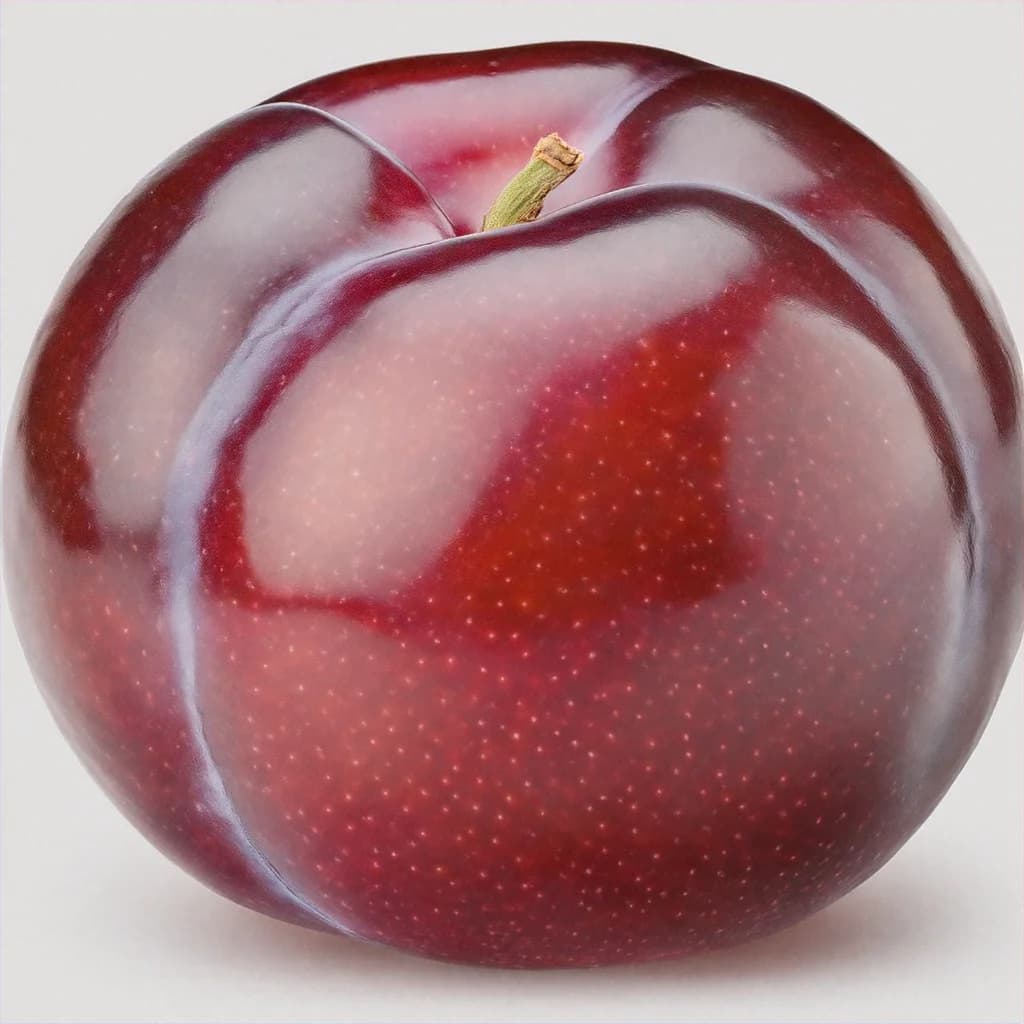
The Kaffir Plum, scientifically known as Harpephyllum caffrum, is a resilient evergreen tree native to Southern Africa. Its fruit, often referred to as the 'Wild Plum,' is small, round, and vibrant red when ripe, with a tart yet slightly sweet flavor profile. Rich in antioxidants and vital nutrients, the Kaffir Plum has been a staple in traditional African medicine and cuisine for centuries. Its dense, fibrous flesh is not only a delicious snack but also offers numerous health benefits, including immune system support and digestive health promotion. Whether enjoyed fresh, dried, or incorporated into jams and sauces, the Kaffir Plum is a versatile and nutritious addition to any diet.
Explore Kaffir Plum in stunning detail
Kaffir Plum - Main View
Per 100g
Per 100g
Nutrition breakdown for one serving
Southern Africa
The Kaffir Plum has been an integral part of Southern African culture for centuries. Traditional healers have used its leaves, bark, and fruit for medicinal purposes, while the fruit itself has been a valued food source for local communities.
Late summer to early autumn
Each variety offers unique flavors, textures, and culinary applications
Keep your fruit fresh and delicious for longer
Look for bright red, firm fruits with no visible blemishes.
Avoid fruits that feel overly soft or have wrinkled skin, as they may be overripe.
Store ripe Kaffir Plums in the refrigerator to extend their shelf life.
Keep them in a sealed container or plastic bag to prevent moisture loss.
Preserve freshness for months
Freeze whole or sliced Kaffir Plums in an airtight container for up to 6 months.
Use frozen Kaffir Plums in smoothies, jams, or baked goods.
Label frozen items with the date to track freshness. Most fruits maintain quality for 2-3 months when properly frozen. For best results, use airtight containers or freezer bags to prevent freezer burn.
Discover delicious possibilities
Allergic reactions to Kaffir Plums are rare, but individuals with known fruit allergies should exercise caution.
Kaffir Plums are generally low in pesticide residues, but it is always a good practice to wash the fruit thoroughly before consuming.
Surprising trivia you'll love!
The Kaffir Plum is also known as the 'Monkey Plum' because monkeys often feed on the fruit in the wild.
In traditional African medicine, the leaves and bark of the Kaffir Plum tree are used to treat a variety of ailments, including fever and stomach issues.
The Kaffir Plum has a tart flavor with a subtle sweetness, similar to a cross between a plum and a cranberry.
A ripe Kaffir Plum will be bright red and slightly soft to the touch, with no green patches on the skin.
Yes, Kaffir Plums can be frozen whole or sliced for up to 6 months. They are great for use in smoothies or baking.
Kaffir Plums are versatile and can be used in jams, chutneys, sauces, or even stewed with meats like venison.
Kaffir Plums have a moderate sugar content of 10.5g per 100g, making them a balanced fruit option.
Yes, Kaffir Plums have a low glycemic index and glycemic load, making them suitable for individuals managing blood sugar levels.
Yes, Kaffir Plums are safe for children and can be a healthy addition to their diet. However, monitor for any allergic reactions, as with any new food.
Sustainability insights
Kaffir Plums are a sustainable fruit choice as they are often wild-harvested and require minimal intervention to grow.
Low, as they are typically sourced locally in Southern Africa.
Moderate, as the trees are drought-tolerant and require minimal irrigation.
Locally sourced Kaffir Plums are more environmentally friendly due to reduced transportation emissions.
We aim to keep this Kaffir Plum profile accurate and easy to understand. Nutrition values and % Daily Value figures are based on established reference databases and standard daily value guidance.
Last updated: October 7, 2026
Medical disclaimer
This page is for general educational purposes and does not replace professional medical advice.
Found an issue? Contact us.