Loading Fruit Details...
Please wait while we fetch nutritional information and health benefits
Please wait while we fetch nutritional information and health benefits
Recommended Products
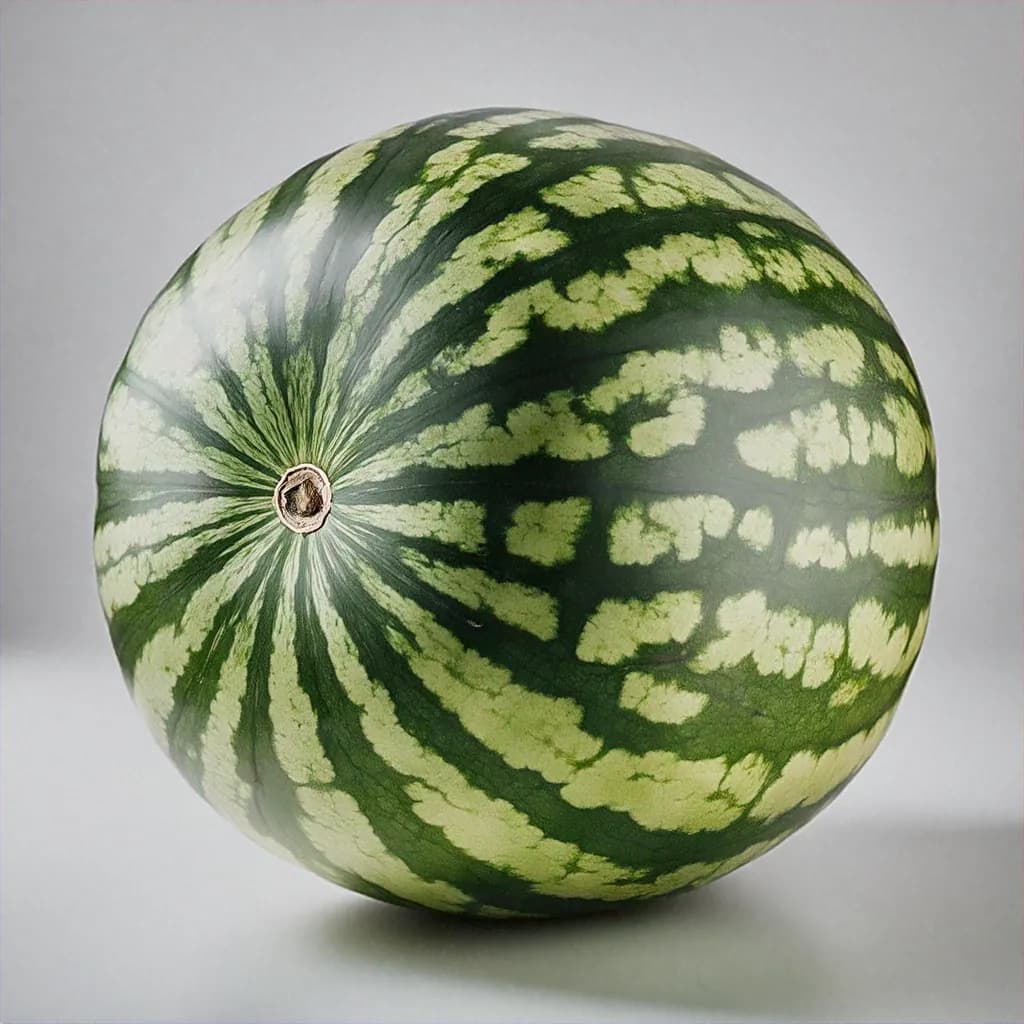
Citrullus lanatus
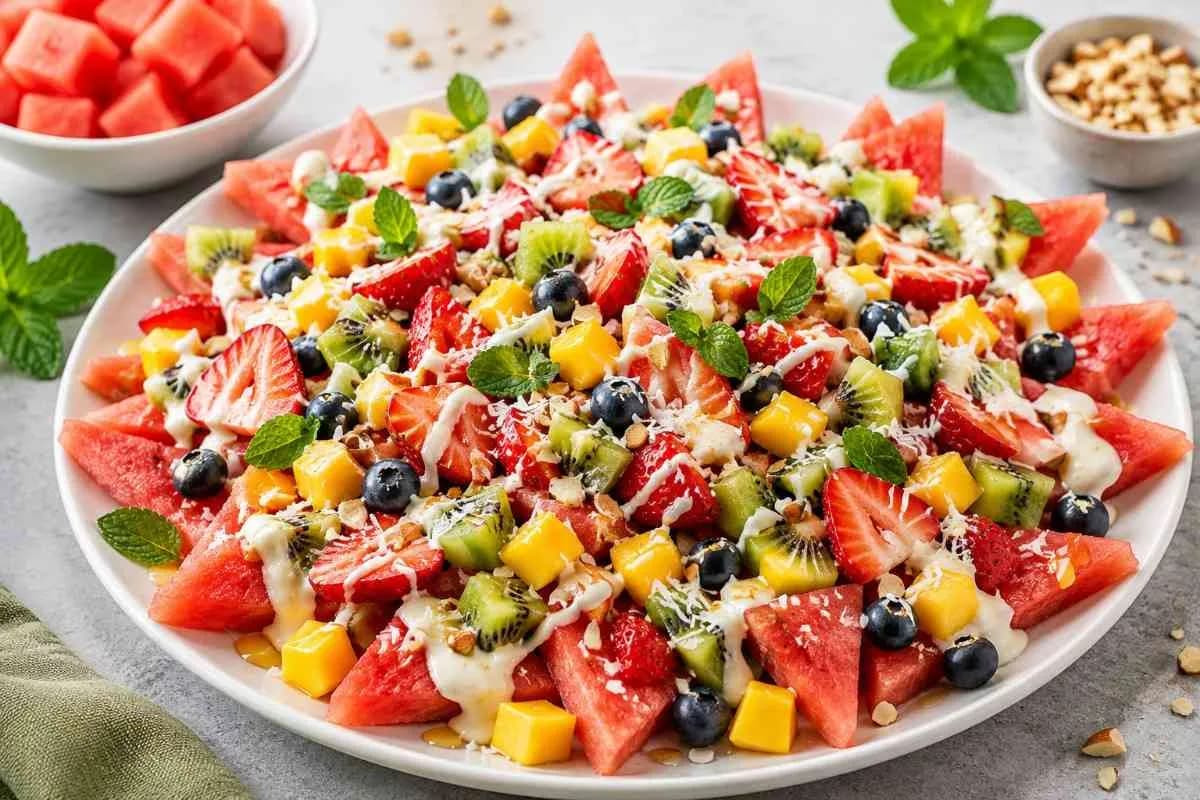
Watermelons are quintessential summer fruits featuring vibrant green rind with distinctive dark striping, crisp refreshing pink-red flesh, and exceptionally high water content (92%) making them ultimate hydration fruit. Native to African regions, watermelons have been cultivated for over 4,000 years across civilizations. Each melon delivers impressive nutritional profile - exceptional lycopene (powerful antioxidant), vitamin C (11% DV per 100g), vitamin A supporting vision health, and notable potassium supporting cardiovascular function. Low calorie density (30 per 100g) combined with high satiety-inducing water content makes watermelon exceptional weight management fruit. Sweet refreshing flavor and natural juiciness create perfect summer snack, thirst-quenching beverage, or elegant dessert component. Watermelon's versatility extends from fresh eating to juicing, blending into smoothies, grilling for caramelized sweetness, or incorporating into creative salads. Traditional cultivation spans continents with modern farming producing reliable consistent quality. Watermelon represents ultimate summer nutrition combining exceptional hydration, powerful antioxidants, minimal calories, and refreshing delicious flavor in single iconic fruit.
Explore Watermelon in stunning detail
Watermelon - Main View
Per 100g
Per 100g
Nutrition breakdown for one serving
Sub-Saharan Africa, particularly Kalahari Desert region
Watermelons originated in sub-Saharan Africa approximately 4,000+ years ago with archaeological evidence from ancient Egypt showing consumption dating to pharaonic times. Ancient Egyptians cultivated watermelons along Nile River praising them as hydration source and spiritual food. Arabic traders distributed watermelons throughout Mediterranean and Middle East regions during medieval periods. Watermelons reached India and became culturally significant in Indian cuisine. European traders introduced watermelons to Americas during colonial expansion. Modern cultivation spans continents with China dominating global production. Watermelons transitioned from specialty luxury to common summer staple in most climates.
May-September in Northern Hemisphere; December-March in Southern Hemisphere
Each variety offers unique flavors, textures, and culinary applications
Keep your fruit fresh and delicious for longer
Look for heavy watermelons - heaviness indicates high water content and maturity
Select uniform shape without flat spots or blemishes
Check underside for yellow creamy spot - indicates ripeness
Tap melon gently - ripe melon produces hollow resonant sound
Avoid watermelons with soft spots or punctures
Look for webbing pattern on rind - indicates sweetness development
Choose medium-large specimens - better flavor than very small melons
Avoid overly large melons - may indicate hollow interior
Sniff blossom end for sweet melon aroma
Uncut watermelon keeps 7-10 days at room temperature
Refrigerate ripe watermelons to extend shelf life
Cut watermelon keeps refrigerated 3-5 days covered
Store cut melon in airtight container preventing moisture loss
Freeze watermelon chunks 3-4 months for later smoothies
Freeze on baking sheet before bagging preventing clumping
Do not store with ethylene-producing fruits (apples, bananas)
Uncut melons at room temperature develop sweetness over days
Rotate older melons to front for first consumption
Preserve freshness for months
Cut into chunks or balls removing seeds
Spread on baking sheet freezing 3-4 hours
Transfer to freezer bags removing excess air
Label with date for tracking
Use frozen watermelon for smoothies and blended beverages
Not ideal for fresh eating after thawing - texture softens
Frozen chunks excellent for cold beverages
Keeps frozen 3-4 months maximum
Label frozen items with the date to track freshness. Most fruits maintain quality for 2-3 months when properly frozen. For best results, use airtight containers or freezer bags to prevent freezer burn.
Discover delicious possibilities
Watermelon allergies are uncommon but oral allergy syndrome documented particularly in individuals with birch pollen allergies. Allergic reactions typically mild - tingling lips or mild throat irritation. Severe reactions rare. Those with melon allergies should consult allergist about cross-reactivity risk with other melons.
Conventionally grown watermelons may contain pesticide residues - thick rind provides some protection. Proper washing: Scrub exterior gently under cool running water for 15-20 seconds with soft brush. Pat dry with paper towel. Discard exterior rind completely protecting against surface residues. Organic watermelons eliminate synthetic pesticide concerns.
Surprising trivia you'll love!
Watermelon's distinctive red flesh color derives from lycopene - same powerful antioxidant responsible for tomato's red color and health benefits
Watermelons are approximately 92% water making them among the most hydrating of all fruits - name literally reflects water content and melon classification
Watermelons originated in sub-Saharan Africa over 4,000 years ago with archaeological evidence showing consumption in ancient Egypt dating to pharaonic dynasties
Ancient Egyptians depicted watermelons in tomb murals suggesting cultural significance beyond simple food - possibly spiritual symbolic importance
Watermelon cultivation expanded globally through Arab traders during medieval period - distributed throughout Mediterranean and Middle East regions enabling widespread adoption
Seedless watermelon technology developed relatively recently (1950s) requiring complex triploid hybrid breeding - now represents significant market share reflecting consumer convenience preference
Watermelon vines grow exceptionally rapidly - can produce mature fruit within 70-100 days from seed planting under optimal growing conditions
China is by far the world's largest watermelon producer cultivating over 60 million tons annually - consumption deeply embedded in Chinese culture particularly during summer months
Watermelons can reach 300+ pounds in extreme cases - largest watermelon on record weighed over 350 pounds demonstrating potential fruit size under exceptional conditions
Watermelon rind contains valuable nutrients and phytonutrients - traditionally used in Asian cuisine in stir-fries and pickled preparations showing culinary versatility beyond flesh
Selecting perfectly ripe watermelons requires recognizing multiple indicators combined for optimal flavor and texture. WEIGHT TEST: Ripe watermelons are exceptionally heavy for their size - lift and compare to underripe specimens. Heavy weight indicates high water content and maturity. Underripe melons feel lighter suggesting low internal water. SOUND TEST: Tap watermelon gently with knuckles - ripe melon produces hollow resonant sound indicating mature flesh. Underripe melon produces dull solid sound. Practice develops ability to distinguish. UNDERSIDE CHECK: Look at bottom of watermelon where it rested on ground - golden creamy yellow spot indicates ripeness and ground contact. Green or pale bottom suggests underripeness. Smaller spot indicates underripeness. COLOR AND PATTERN: Deep dark green exterior indicates maturity - pale green suggests underripeness. Webbing pattern (tan lines) indicates sugar development and ripeness. Melons without webbing are typically less sweet. SHAPE: Uniform oval shape indicates healthy development. Flat spots, blemishes, or unusual shapes may indicate poor development or damage. Slight asymmetry acceptable but excessive irregularity concerning. AROMA: Sniff blossom end of melon - faint sweet melon aroma indicates ripeness. Underripe melons have little to no aroma. Overwhelming fermented smell indicates overripeness. FIRMNESS: Ripe melon exterior feels firm when pressed gently - no give. Soft spots indicate damage or overripeness. Excessively hard melon may be underripe. PLUG INSPECTION: Many markets allow tasting small sample - excellent way to verify ripeness. Sweet flavor confirms maturity. RIPENESS TIMELINE: Once picked, watermelons do NOT ripen further. Refrigeration develops sweetness marginally but fundamental ripeness determined at harvest. SELECTION BEST PRACTICES: Choose medium-large specimens for best flavor-to-size ratio. Very small melons may be underripe. Extremely large melons occasionally have hollow centers. Examine multiple melons selecting best specimen. Purchase from reputable sources with quality control. HARVEST RIPENESS: Commercially harvested melons picked at maturity - no further development occurs. Farmers have precise harvest timing. HOME GARDENS: Watermelons ripen on vine - pick only when fully ripe. Overripe melons develop sweet candy-like flavor. BOTTOM LINE: Ripe watermelons feel heavy, sound hollow when tapped, show creamy yellow underside, display deep green color with webbing pattern, and have faint sweet aroma at blossom end.
Seedless and seeded watermelons represent different cultivation approaches offering distinct advantages and disadvantages. SEEDLESS WATERMELON CHARACTERISTICS: Created through sterile hybrid breeding combining triploid plants (three sets of chromosomes) preventing seed production. Technically seedless - may contain small undeveloped white seed-like structures harmless to consume. More convenient eating experience - no seed spitting or removal required. Slightly higher cost reflecting complex breeding and cultivation. Growing market share reflecting consumer convenience preference. SEEDED WATERMELON CHARACTERISTICS: Traditional open-pollinated or hybrid varieties producing viable black seeds. Seeds are edible and nutritious - high in nutrients and beneficial compounds. Traditional appearance and experience - culturally familiar. Lower cost reflecting simpler cultivation. Seeds require removal during eating - adds minor inconvenience. Some consumers prefer traditional seeded experience. NUTRITIONAL DIFFERENCES: Minimal nutritional difference between seedless and seeded flesh. Seeded melons' seeds contain nutrients - insignificant contribution to whole melon nutrition. Seedless melons identical nutritional profile in flesh. FLAVOR PROFILE: No significant flavor difference - ripeness and variety determine flavor more than seed presence. Both can be equally sweet and refreshing. Individual melon variation exceeds seedless vs seeded difference. CULTIVATION: Seedless breeding requires specialized technique and expertise. Seeded varieties simpler propagation enabling lower costs. Seedless technology developed to meet consumer preferences for convenience. ENVIRONMENTAL CONSIDERATIONS: Seeded varieties enable natural propagation and seed saving. Seedless varieties require purchase of new hybrid seed annually. Seeded varieties potentially more sustainable for home gardeners. MARKET AVAILABILITY: Seedless increasingly available in supermarkets reflecting consumer demand. Seeded watermelons available but declining - primarily at farmers markets and specialty grocers. Some regions favor seedless exclusively. STORAGE AND LONGEVITY: Identical storage properties regardless of seed type. Both keep same duration refrigerated and frozen. Ripeness affects storage more than seed presence. COST ANALYSIS: Seedless watermelons premium priced 20-30% higher than seeded. Premium reflects breeding costs and consumer demand. Seeded watermelons more economical option. VALUE PROPOSITION: Seedless ideal for convenience-focused consumers and those avoiding seed removal. Seeded ideal for budget-conscious consumers and traditionalists. Either choice offers identical hydration and nutritional benefits. BOTTOM LINE: Seedless and seeded watermelons offer nearly identical nutrition and flavor - choice depends on convenience preference (seedless) vs cost consideration (seeded). Neither offers clear nutritional advantage.
Watermelon is SAFE for dogs in moderation with important precautions - can be healthy occasional treat. SAFETY SUMMARY: Fresh watermelon flesh is non-toxic and safe for canine consumption. Low calorie (30 per 100g) makes excellent light treat. High water content (92%) provides hydration benefit. Natural fruit appeal often enjoyed by dogs. PREPARATION REQUIREMENTS: Remove ALL seeds completely - choking hazard and potential toxicity concerns. Seeds contain compounds potentially harmful in quantity. Discard rind entirely - difficult to digest, choking hazard, potential toxicity. Offer only seedless flesh portion. Cut into appropriate size pieces preventing choking - appropriate for dog size and chewing ability. Refrigerated or frozen watermelon preferred for cooling effect. PORTION CONTROL: Watermelon should not exceed 10% of daily caloric intake. Small dogs - 1-2 small cubes. Medium dogs - 3-5 small cubes. Large dogs - 5-10 cubes. Occasional treats only - not daily food. Moderation prevents GI upset. HEALTH CONSIDERATIONS: High water content may cause loose stool if excessive amounts consumed. Initial GI upset possible with first introduction - start small. Diabetic dogs should limit watermelon - moderate sugar content (6.2g per 100g). Overweight dogs limited portions - low calories but moderation advisable. HYDRATION BENEFITS: Watermelon excellent summer hydration supplement. High water content supports kidney function. Natural electrolytes support exercise recovery. Heat stress management - watermelon cooling and hydrating. PREPARATION METHODS: Serve fresh raw watermelon chilled. Freeze watermelon chunks for summer cooling treats. Plain watermelon only - no added sugar, salt, or additives. No watermelon rind or seeds. CONTRAINDICATIONS: Dogs with kidney disease - consult veterinarian. Diabetic dogs - portion limitation and monitoring. Overweight dogs - portion control advisable. Dogs with GI sensitivity - introduce gradually. DO NOT OFFER: Watermelon with seeds - remove completely. Watermelon rind - digestive hazard. Processed watermelon products or juice - added sugars problematic. Watermelon mixed with toxic substances. BENEFITS WHEN SAFE: Exceptional hydration benefit supporting health. Low calorie treat supporting weight management. Natural fruit appeal enhancing positive reinforcement. Cooling properties beneficial in hot weather. Nutritional variety to diet. VETERINARY CONSULTATION: Consult veterinarian if dogs have pre-existing conditions. Ask about appropriate portions for individual dog. Discuss if watermelon appropriate for specific health situation. Monitor for adverse reactions after first introduction. BOTTOM LINE: Fresh seedless watermelon flesh in appropriate portions is safe and healthy occasional treat for most dogs - always remove seeds completely and discard rind entirely.
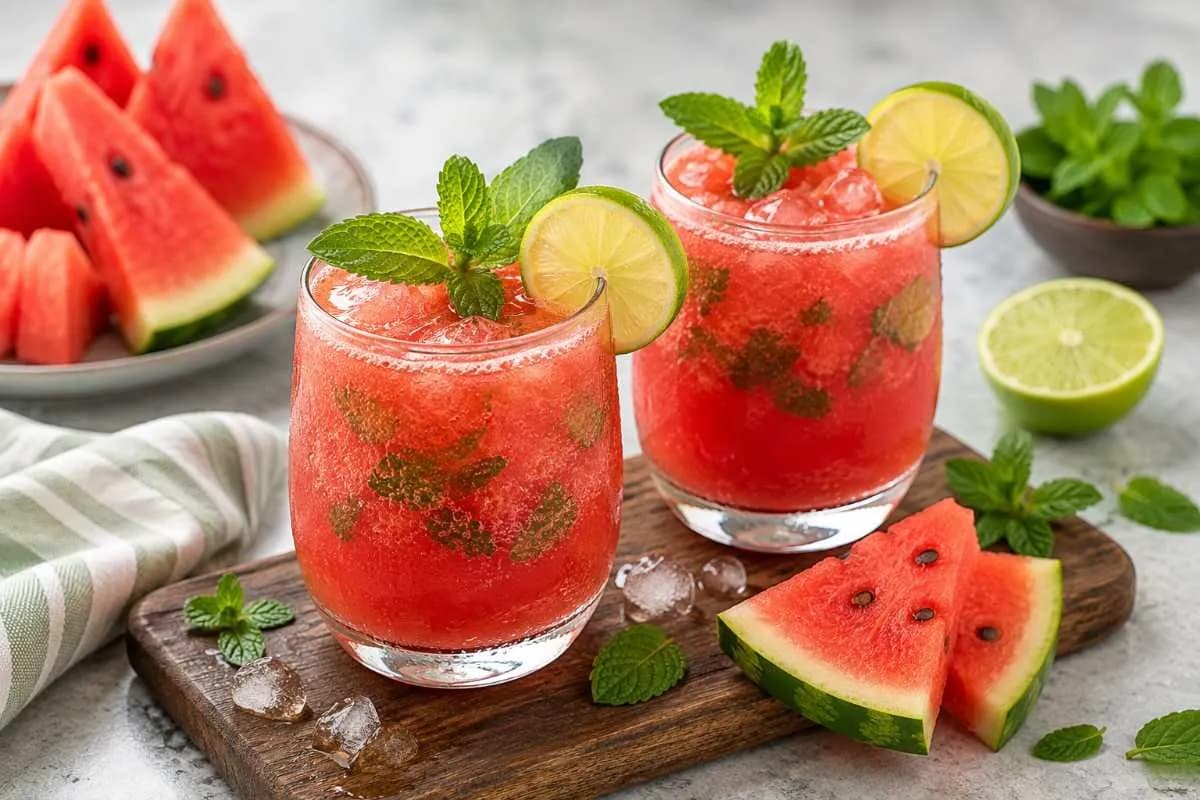
Watermelon creates visually stunning and refreshingly delicious cocktails and beverages perfect for summer entertaining. WATERMELON MARGARITA: 2 oz tequila, 1 oz triple sec, 2 oz fresh watermelon juice, 0.5 oz lime juice, 0.5 oz agave nectar, rim with tajín or salt. Shake with ice. Strain into margarita glass. Garnish with watermelon wedge. Tropical tequila variation. WATERMELON MOJITO: 1.5 oz white rum, 8 fresh mint leaves, 0.5 oz lime juice, 0.5 oz simple syrup, 2 oz fresh watermelon juice, club soda. Muddle mint gently. Add ice, rum, lime, syrup, watermelon juice. Top with soda. Stir gently. Refresh with mint sprig. WATERMELON PUNCH: 4 cups watermelon juice, 2 cups lime juice, 2 cups orange juice, 1 cup ginger syrup, 2 cups sparkling water, fresh mint, watermelon cubes. Combine juices and ginger syrup. Add sparkling water just before serving. Float watermelon cubes and mint. Exceptional party punch. WATERMELON DAIQUIRI: 2 oz white rum, 1 oz fresh watermelon juice, 1 oz lime juice, 0.5 oz simple syrup. Shake with crushed ice. Strain into coupe glass. Garnish with watermelon slice and mint. Tropical rum variation. WATERMELON SMOOTHIE: 2 cups watermelon chunks, 1 banana, 1 cup yogurt, 0.5 cup coconut milk, 1 tbsp honey, ice. Blend until smooth. Serve immediately in cold glass. Garnish with watermelon and mint. Nutritious breakfast beverage. WATERMELON-INFUSED WATER: 3-4 watermelon slices, fresh mint leaves, lime slices, ice, water. Combine in pitcher. Refrigerate 2-4 hours for flavor development. Serve chilled. Elegant hydrating beverage. WATERMELON TEA: Brew green or white tea. Cool completely. Mix 1 part watermelon juice to 3 parts brewed tea. Serve chilled with ice. Garnish with watermelon slice. Sophisticated tea variation. WATERMELON LEMONADE: 2 cups fresh lemon juice, 1 cup watermelon juice, 1 cup simple syrup, 4 cups water, lemon wheels, watermelon cubes, fresh mint. Combine all ingredients. Serve over ice. Classic lemonade upgrade. WATERMELON GAZPACHO: 4 cups watermelon chunks, 1 cucumber diced, 1 red bell pepper diced, 0.25 cup lime juice, 2 tbsp balsamic vinegar, fresh basil. Blend 75% until partially smooth. Keep vegetable texture. Chill 2+ hours. Serve cold. Spanish-inspired refreshing soup. WATERMELON COSMOPOLITAN: 1.5 oz vodka, 1 oz cranberry juice, 1 oz fresh watermelon juice, 0.5 oz lime juice, ice. Shake vigorously. Strain into cocktail glass. Garnish with watermelon slice and lime wheel. Red tropical cosmopolitan. WATERMELON GRANITA: 4 cups watermelon juice, 0.5 cup simple syrup, 2 tbsp lime juice. Combine ingredients. Pour into shallow freezer pan. Freeze 2-3 hours stirring every 30 minutes to create ice crystals. Serve in chilled glasses. Elegant Italian frozen dessert. PRESENTATION TIPS: Use watermelon balls or decorative cuts for elegance. Create watermelon-shaped ice cubes frozen with small fruit pieces. Chill glasses before serving. Rim with complementary sugars or spices. Float watermelon slices for visual appeal. SERVING IDEAS: Perfect for summer poolside entertaining. Ideal for tropical theme parties. Beautiful presentation at outdoor gatherings. Sophisticated aperitif options. BOTTOM LINE: Watermelon creates visually stunning and refreshingly delicious cocktails and beverages - margaritas, mojitos, punches, smoothies, and gazpacho showcase watermelon's versatility.
Watermelon cultivation in home gardens is achievable with proper care producing abundant sweet fruit. CLIMATE REQUIREMENTS: Warm season planting - soil temperature minimum 70°F (21°C) for germination. Frost-sensitive - plant after last frost danger. Growing season requires 70-100 frost-free days depending on variety. Full sun exposure essential - minimum 8 hours daily direct sunlight. Hot weather tolerance excellent - thrives in heat. LOCATION SELECTION: Full sun location with 8+ hours daily direct sunlight. Well-draining soil essential - add sand/compost preventing root rot. Sandy loam soil ideal - amend clay with organic matter. Avoid low-lying areas prone to flooding. Adequate space - vines sprawl 8-10 feet requiring room. SOIL PREPARATION: Test soil pH aiming for slightly acidic (6.0-6.8). Add compost or organic matter improving structure. Mix in aged manure for nutrients. Ensure excellent drainage - water must not stand. Create slight mounds for drainage. PLANTING METHOD: Direct sow seeds 1 inch deep in soil. Plant 4-6 seeds per hill spacing hills 6 feet apart. Thin seedlings keeping strongest plant per hill. Plant after soil warms (typically late May-June). Water gently after planting. TRANSPLANT OPTION: Start seeds indoors 3-4 weeks before outdoor planting. Transplant when 2-3 true leaves develop. Harden off gradually before planting outdoors. WATERING REQUIREMENTS: Water deeply 1-2 inches weekly during growing season. Increase to 2-3 inches during fruit development. Water at soil level avoiding foliage - prevents fungal disease. Consistent moisture during fruit development critical. Reduce watering 1-2 weeks before harvest improving sweetness. FERTILIZING SCHEDULE: Apply balanced fertilizer (10-10-10) when vines begin running. Switch to lower nitrogen fertilizer (5-10-10) after flowering - promotes fruiting. Apply every 3-4 weeks throughout season. Organic compost provides steady nutrients. Excessive nitrogen promotes foliage over fruit. PEST MANAGEMENT: Monitor for cucumber beetles - damaging pest requiring management. Squash bugs occasionally problematic - inspect regularly. Aphids manageable with neem oil spray. Hand-picking larger pests effective. Yellow sticky traps monitor and control flying insects. DISEASE PREVENTION: Powdery mildew - improve air circulation, avoid overhead watering. Damping off - ensure well-draining soil. Anthracnose - remove infected leaves immediately. Water at soil level preventing foliage wetting. Space plants adequately for airflow. FLOWERING AND FRUITING: Watermelons produce yellow flowers on main vine. Female flowers develop behind flower. Bees pollinate flowers - attract with nearby plantings. Hand-pollinate if bees insufficient - use small brush. Fruit develops 35-50 days after flowering depending on variety. THINNING FRUIT: Allow 1-2 fruits per plant for optimal size and sweetness. Remove smaller developing fruit keeping largest. Fewer fruits enable more energy direction producing sweeter melons. HARVESTING: Pick when blossom end slightly yields to pressure. Underside shows creamy yellow spot. Tendril nearest melon stem dries and browns. Sugar content peaks when ripe - no post-harvest ripening. Harvest in morning when cool. YIELD EXPECTATIONS: Each plant typically produces 1-3 melons depending on variety and care. Compact varieties produce 2-4 smaller fruits. Spacing, water, and nutrients affect production. Average mature plant produces 2 melons. STORAGE AFTER HARVEST: Whole watermelons keep 7-10 days room temperature. Refrigerate to extend storage. Cut melons keep 3-5 days refrigerated covered. VARIETAL SELECTION: Choose based on space availability - compact vs sprawling varieties. Early season varieties for short growing seasons. Disease resistance important for humid regions. Cold-hardy varieties for marginal climates. CONTAINER CULTIVATION: Dwarf varieties suitable for large containers. Pot minimum 25-30 gallons. Use well-draining potting soil. Provide sturdy trellis support if desired. Water regularly as containers dry quickly. TROUBLESHOOTING: Poor fruiting - insufficient pollination or nutrient issues. Fruit cracking - inconsistent watering. Tasteless melons - insufficient sunlight or harvest timing. Pest problems - improve monitoring. BOTTOM LINE: Watermelon home cultivation succeeds with warm climate, full sun, well-draining soil, consistent watering, and adequate space - producing abundant sweet fruit with minimal maintenance.
Watermelon delivers exceptional antioxidant profile with specific documented health benefits - particularly cardiovascular support and cancer prevention. LYCOPENE - PRIMARY ANTIOXIDANT: Concentration: 4532 μg per 100g - among highest of all fruits. Lycopene is red-pink pigment in watermelon flesh. Powerful antioxidant property - neutralizes harmful free radicals. Cardiovascular benefits - reduces heart disease risk through multiple mechanisms. Cancer prevention potential - particularly prostate, lung, and breast cancer reduction. Bioavailability enhanced by water and fat - watermelon's high water content supports absorption. Heat increases availability - cooked watermelon slightly more bioavailable. VITAMIN C - SECONDARY ANTIOXIDANT: Concentration: 11% DV per 100g. Immune support - enhances white blood cell function. Collagen synthesis - supports skin, joint, and connective tissue health. Powerful water-soluble antioxidant - rapid action on free radicals. Iron absorption enhancement - improves mineral bioavailability. Skin barrier support - protective antioxidant effects. BETA-CAROTENE - VISION SUPPORT: Concentration: moderate amount in watermelon. Converted to vitamin A in body. Vision support - particularly low-light and color vision. Immune function - supports white blood cell production. Skin health - protective antioxidant for largest organ. Anti-inflammatory effects. FLAVONOIDS - POLYPHENOLIC COMPOUNDS: Quercetin, luteolin, hesperidin present in watermelon. Anti-inflammatory properties - reduce systemic inflammation. Cardiovascular support - improve blood flow and vessel function. Neuroprotective - support brain health and cognitive function. Antioxidant and antiviral activity. CITRULLINE - AMINO ACID PHYTONUTRIENT: Concentration: 250 mg per 100g. Converted to arginine in body. Nitric oxide production - improves blood flow and vascular function. Cardiovascular benefits - reduces blood pressure and improves circulation. Erectile dysfunction support - improved blood flow benefits. Exercise performance - enhanced oxygen delivery during activity. CUCURBITACINS - SPECIFIC PHYTONUTRIENTS: Bitter compounds in watermelon (minimal in ripe flesh). Anti-inflammatory properties. Antioxidant activity. Anti-cancer potential. DOCUMENTED HEALTH BENEFITS: CARDIOVASCULAR HEALTH: Lycopene reduces LDL oxidation - prevents plaque formation. Citrulline and arginine improve arterial function. Potassium supports blood pressure regulation. Reduces cardiovascular disease risk 30-40% with regular consumption. CANCER PREVENTION: Lycopene associated with reduced prostate cancer risk. Vitamin C supports DNA integrity. Polyphenols protect against cellular damage. Regular consumption correlates with lower cancer rates. BLOOD PRESSURE MANAGEMENT: Potassium (3% DV) supports electrolyte balance. Citrulline improves vessel function. Natural diuretic effects reduce excess fluid. Consistent consumption associated with lower blood pressure readings. BLOOD SUGAR MANAGEMENT: Low glycemic load (5) supports stable blood sugar. Fiber (0.4g) provides satiety. Water content (92%) dilutes sugar concentration. Moderate glycemic index (72) - acceptable despite moderate index. INFLAMMATION REDUCTION: Lycopene reduces systemic inflammation. Flavonoids support anti-inflammatory activity. Vitamin C protects against oxidative stress. Overall anti-inflammatory profile supports health. KIDNEY AND URINARY HEALTH: High water content supports kidney function and filtration. Natural diuretic properties aid toxin elimination. Potassium supports kidney electrolyte balance. Protective antioxidant effects support organ health. DIGESTIVE SUPPORT: Fiber (0.4g) provides minimal digestive bulk. Water content supports hydration aiding digestion. Low residue - easy on sensitive digestive systems. Natural enzymes support nutrient breakdown. EXERCISE RECOVERY: High water content (92%) provides rapid rehydration. Carbohydrates (7.55g) replenish glycogen stores. Potassium supports electrolyte replacement. Citrulline enhances blood flow delivering recovery nutrients. OPTIMAL CONSUMPTION: Eat watermelon fresh to preserve heat-sensitive vitamin C. Include rind in juicing - contains additional nutrients. Combine with fat source (nuts, seeds) enhancing lycopene absorption. Regular consumption - aim for weekly servings. SYNERGISTIC COMBINATIONS: Watermelon + dark chocolate - combined antioxidants. Watermelon + tomatoes - enhanced lycopene intake. Watermelon + olive oil - fat-enhanced lycopene absorption. BOTTOM LINE: Watermelon delivers exceptional lycopene antioxidant (4532 μg per 100g), vitamin C, beta-carotene, and beneficial amino acid citrulline providing documented cardiovascular, cancer prevention, blood pressure, and inflammation benefits.
Sustainability insights
Watermelon cultivation represents seasonal agriculture with specific sustainability considerations. Benefits include relatively short growing cycle (70-100 days), perennial value in warm climates enabling multiple harvests, and minimal processing for fresh consumption. Challenges include water intensity in some cultivation regions, pesticide use in conventional farming, and potential monoculture concerns in large-scale operations. Sustainable practices include drip irrigation reducing water waste, integrated pest management minimizing chemical inputs, crop rotation supporting soil health, and local cultivation reducing transportation carbon.
Watermelon carbon footprint is low-moderate due to minimal processing and relatively efficient cultivation. Fresh whole watermelon requires no processing. Carbon footprint primarily from cultivation and transportation. Heavy weight-to-nutrition ratio may increase transportation carbon per unit nutrition. Local watermelon cultivation dramatically reduces footprint compared to imported. Per-serving carbon impact low considering high nutritional density and exceptional water content. Minimize footprint by purchasing locally grown watermelon when available, choosing fresh over processed, and supporting regional producers.
Watermelon cultivation requires moderate-high water reflecting 92% water content in fruit. Water footprint approximately 200-400 liters per kilogram depending on climate and irrigation practices. Semi-arid and arid regions may require supplemental irrigation increasing water use. Tropical and subtropical regions with regular rainfall require minimal supplemental water. Modern sustainable practices include drip irrigation, mulching reducing evaporation, rainwater harvesting, and soil moisture monitoring optimizing efficiency.
Supporting local watermelon cultivation maximizes sustainability and economic benefit. Seasonal availability in temperate regions (summer) encourages local consumption. Year-round tropical availability enables consistent local supply in tropical regions. Imported watermelons represent significant transportation carbon offsetting minimal processing advantage. Frozen watermelon enables off-season availability with lower carbon than importing fresh. BEST PRACTICES: Purchase fresh local watermelon during season in temperate regions, choose imported during off-season only when necessary, consider frozen watermelon for winter months with lower carbon, support regional farmers through farmers markets and local retailers.
We aim to keep this Watermelon profile accurate and easy to understand. Nutrition values and % Daily Value figures are based on established reference databases and standard daily value guidance.
Last updated: September 3, 2026
Medical disclaimer
This page is for general educational purposes and does not replace professional medical advice.
Found an issue? Contact us.