Loading Fruit Details...
Please wait while we fetch nutritional information and health benefits
Please wait while we fetch nutritional information and health benefits
Recommended Products
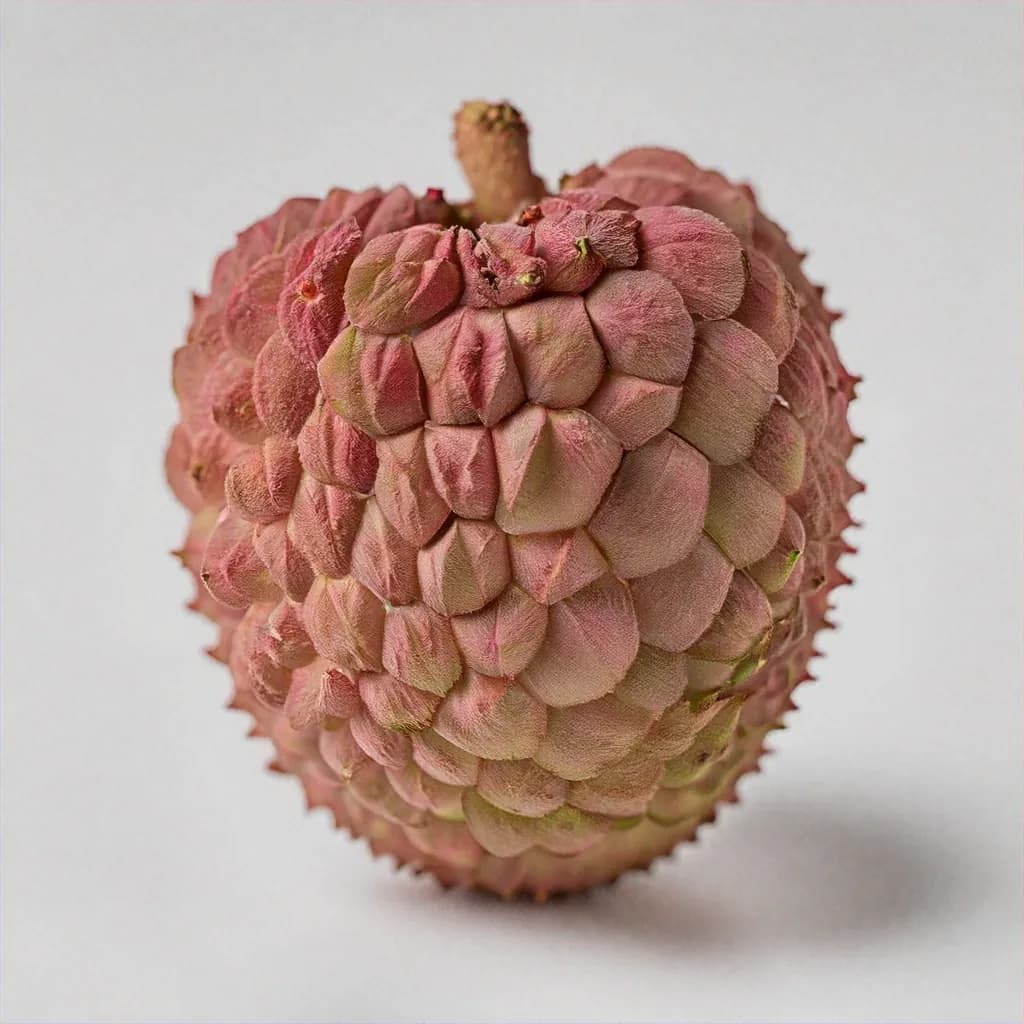
Litchi chinensis
A tropical delicacy with a distinctive bumpy red shell and translucent white flesh, lychee is prized for its sweet, floral flavor reminiscent of rose and grape. This exotic fruit, also spelled litchi, offers a unique combination of juicy texture and aromatic sweetness that has captivated fruit lovers for thousands of years. Native to southern China, lychee is now cultivated in tropical and subtropical regions worldwide. Rich in vitamin C, antioxidants, and polyphenols, lychee supports immune health, skin vitality, and cardiovascular wellness while providing a refreshing burst of natural energy.
Explore Lychee in stunning detail
Lychee - Main View
Per 100g
Per 100g
Nutrition breakdown for one serving
Southern China (Guangdong and Fujian provinces)
Lychee has been cultivated in southern China for over 4,000 years and was considered a delicacy reserved for the imperial court. Ancient Chinese poems and literature frequently reference lychee as a symbol of romance and beauty. The fruit was so prized that Emperor Wu Di of the Han Dynasty (206 BC - 220 AD) had lychee trees transported hundreds of miles to his palace. Chinese nobility would send fresh lychees as precious gifts via fast horseback relay. The fruit spread to neighboring Asian countries along trade routes and was introduced to the Western world in the 17th century. Today, lychee remains deeply embedded in Chinese culture and is celebrated during festivals and special occasions.
Late spring to early summer in most regions
Each variety offers unique flavors, textures, and culinary applications
Keep your fruit fresh and delicious for longer
Select lychees with bright red to deep rose-pink colored skin without brown patches
Look for firm fruit that feels slightly heavy for its size, indicating juiciness
The bumpy skin should be intact without cracks, splits, or leaking juice
Avoid lychees with brown, dark, or blackened skin which indicates overripeness or decay
Fresh lychees should have a sweet, floral aroma - avoid any with fermented smells
Check that the stem end is not moldy or excessively dried out
Clusters on branches stay fresher longer than individual fruits
Slight browning on the bumps is normal and doesn't affect quality
Store fresh lychees in the refrigerator in a perforated plastic bag or container
Keep in the crisper drawer to maintain humidity and prevent drying
Do not wash until ready to eat to prevent moisture buildup and mold
Store away from ethylene-producing fruits like bananas and apples
Lychees on stems/branches stay fresh longer than individual fruits
Once peeled, consume immediately or store in airtight container for up to 2 days
Frozen lychees maintain quality for several months and work well in drinks
Canned lychees in syrup last 1-2 years unopened; refrigerate after opening
Preserve freshness for months
Peel lychees and remove seeds before freezing
Place peeled fruit in a single layer on a parchment-lined tray
Flash freeze for 2-3 hours until solid
Transfer to freezer-safe bags or containers, removing excess air
Frozen lychees keep for 3-6 months without significant quality loss
Use frozen lychees directly in smoothies, cocktails, or sorbets
Can also freeze in simple syrup to prevent freezer burn
Thawed lychees are softer but perfect for cooking or blending
Label frozen items with the date to track freshness. Most fruits maintain quality for 2-3 months when properly frozen. For best results, use airtight containers or freezer bags to prevent freezer burn.
Discover delicious possibilities
Lychee allergies are relatively rare but possible. Allergic reactions may include oral allergy syndrome (itching or tingling in the mouth), hives, digestive discomfort, or in rare cases, anaphylaxis. Cross-reactivity may occur with latex (latex-fruit syndrome) or other tropical fruits like mango or banana. People allergic to birch pollen may also react to lychee. Symptoms typically appear within minutes to hours after consumption.
Fresh lychees may have moderate pesticide residues on the skin from conventional farming. The thick, inedible shell provides some protection to the flesh inside. Wash lychees thoroughly under running water before peeling to remove surface residues. Organic lychees are available but may be more expensive and harder to find. Since you don't eat the skin, pesticide exposure is lower than with thin-skinned fruits.
Surprising trivia you'll love!
Lychee has been cultivated in China for over 4,000 years and appears in ancient Chinese poetry as a symbol of romance
Chinese emperors had fresh lychees delivered by fast horseback relay from southern China, traveling hundreds of miles
The famous imperial concubine Yang Guifei loved lychees so much that the emperor arranged special deliveries for her
Lychee trees can live and produce fruit for over 100 years with proper care
A single mature lychee tree can produce 100-300 pounds of fruit per year
The lychee's distinctive bumpy skin protects the delicate fruit inside from pests and damage
Lychee flowers bloom in clusters but only about 3% develop into mature fruit
The name 'litchi' or 'lychee' comes from the Chinese word 'lizhi' (荔枝)
Lychees are mentioned in Chinese literature dating back to 1059 AD
Fresh lychees must be picked ripe as they do not continue to ripen after harvest
The pink-red color of lychee skin comes from anthocyanin pigments, the same compounds in berries
Lychee trees are evergreen and produce beautifully fragrant small white or greenish flowers
To eat fresh lychee, pinch and peel away the rough red skin starting from the stem end - it comes off easily like peeling a hard-boiled egg. Inside, you'll find translucent white flesh surrounding a dark brown seed. Pop the whole fruit in your mouth, enjoy the sweet flesh, and spit out the inedible seed. Alternatively, you can cut the lychee in half and remove the seed before eating. The skin and seed are not edible - only eat the white flesh. Fresh lychee is best enjoyed chilled.
Lychee has a unique, sweet flavor that's often described as a cross between a grape and a rose with floral notes. The taste is sweet, fragrant, and slightly perfumed with a hint of tartness. The texture is juicy and similar to a firm grape, with a slight crunch when biting into fresh fruit. Some compare the flavor to a combination of strawberry, watermelon, and pear with a distinctive floral aroma. The taste can vary by variety, with some being sweeter and others having more complex flavor profiles.
Lychee seeds are not typically eaten and contain compounds that can be toxic if consumed in very large quantities, especially on an empty stomach. The seeds contain hypoglycin A and MCPG (methylenecyclopropylglycine), which can lower blood sugar levels. However, accidentally swallowing one or two seeds is not dangerous for most people - they'll pass through undigested. It's best practice to simply remove and discard the seed when eating lychee. Never eat large amounts of lychee seeds intentionally, and children should be supervised when eating lychees.
No, lychee skin is not edible. The rough, bumpy red shell is tough, leathery, and not palatable. It should always be removed before eating the fruit. While not toxic, the skin is difficult to digest and has an unpleasant texture and taste. Simply peel away the skin to reveal the edible white flesh inside. The skin is easily removed by pinching it and pulling it away from the flesh. Discard the peel and enjoy only the translucent white fruit inside.
While both are tropical fruits with similar white flesh and a seed, they differ significantly in appearance and taste. Lychee has a bumpy, scaly red skin that's relatively smooth, while rambutan has a hairy, spiky red or yellow exterior covered in soft tendrils. Lychee is generally sweeter and more fragrant with floral notes, while rambutan is slightly less sweet and creamier. Lychee is native to China, while rambutan originates from Southeast Asia (Malaysia/Indonesia). Both are nutritious, but lychee typically has higher vitamin C content.
Yes, lychee can support weight loss as part of a balanced diet. With only 66 calories per 100g (about 6-7 calories per fruit), lychees are relatively low in calories despite their sweet taste. They contain fiber that promotes fullness and natural sugars that satisfy sweet cravings without added sugar. The high water content (82%) helps with hydration and satiety. However, portion control is important since the natural sugars can add up. Stick to 5-10 lychees (about one cup) as a serving. Lychees work well as a healthy dessert alternative or sweet snack.
Diabetics can enjoy lychee in moderation, but should be cautious due to its sugar content and moderate glycemic index (57). While lychees contain natural sugars (15g per 100g), they also provide fiber, antioxidants, and have been shown to have some blood sugar regulating properties in studies. Portion control is crucial - limit intake to 4-5 lychees at a time and pair with protein or healthy fats to slow sugar absorption. Never eat lychees on an empty stomach, especially unripe ones, as they contain compounds that can cause dangerous drops in blood sugar (hypoglycemia). Always monitor your individual blood sugar response and consult your healthcare provider.
Lychees turn brown due to natural enzymatic processes after harvest. The red pigments in the skin (anthocyanins) degrade over time, causing the shell to darken from bright red to brown or black. This browning is accelerated by exposure to air, light, warm temperatures, and moisture. While the skin may look less appealing when brown, the fruit inside is often still perfectly edible if it remains firm and fragrant. However, extensive browning combined with soft texture, leaking juice, or fermented smell indicates spoilage and the fruit should be discarded. Store lychees refrigerated to slow browning.
Lychee season varies by region but generally occurs in late spring to early summer. In the Northern Hemisphere (China, India, USA), peak season is May through July, with the best quality usually in June. In the Southern Hemisphere (Australia, South Africa, Madagascar), season runs from December through February. The exact timing depends on the variety and local climate. Fresh lychees are only available for a limited window each year, making them a special seasonal treat. Outside of season, you can find frozen or canned lychees year-round in most Asian grocery stores.
Most people can safely enjoy 5-10 lychees per day (about one cup or 190g) as part of a balanced diet. This provides excellent vitamin C (over 200% DV) and beneficial antioxidants without excessive sugar or calories. However, there are important considerations: never eat lychees on an empty stomach, especially unripe ones, as they contain compounds that can cause dangerous blood sugar drops (hypoglycemia). This condition, called 'lychee disease' or acute encephalitis syndrome, has been reported in children eating large amounts of unripe lychees without adequate nutrition. Always eat lychees after a meal, ensure they're ripe, and don't exceed 300g (about 30 lychees) in one day.
Canned lychees are convenient but less nutritious than fresh. The canning process and storage in heavy syrup significantly reduce vitamin C content (heat-sensitive), and the added sugar increases calories substantially. A serving of canned lychees can contain 2-3 times more sugar than fresh. However, canned lychees still provide some minerals, fiber, and antioxidants. If using canned, look for varieties packed in water or light syrup rather than heavy syrup, and rinse before eating to reduce sugar content. Fresh or frozen lychees without added sugar are always the healthier choice when available.
Yes, lychee trees can be grown in suitable climates (USDA zones 10-11), particularly in subtropical regions with distinct seasons. Trees need warm summers, cool winters (but frost-free), high humidity, and well-draining acidic soil. Growing from seed is possible but takes 5-10 years to fruit, and seedlings may not produce quality fruit. Air-layered or grafted trees from nurseries produce fruit in 3-5 years and ensure quality. Lychee trees require patience, consistent watering, fertilization, and proper pollination. They can reach 30-40 feet tall but can be maintained smaller with pruning. Container growing is possible in cooler climates if moved indoors during winter.
The translucent white flesh inside lychee is the edible part of the fruit - the aril or fruit pulp. It's perfectly normal and is what you're meant to eat. The semi-transparent, glossy appearance is characteristic of fresh lychee. This juicy flesh contains all the nutrients, natural sugars, and that distinctive sweet, floral flavor. Inside the white flesh is a shiny dark brown seed that should be removed and not eaten. If the white flesh appears yellowish, mushy, or has an off smell, the fruit has spoiled and should not be consumed.
Lychees are expensive for several reasons: they have a very short growing season (6-8 weeks), are highly perishable and require careful handling and rapid transport, cannot be picked unripe (they don't ripen off the tree), have limited growing regions requiring specific climate conditions, and trees take 5-10 years to reach full production. Additionally, the delicate fruit is harvested by hand, shipped refrigerated or air-freighted to maintain freshness, and has high demand with limited supply. Fresh lychees typically cost $8-15 per pound, with prices varying by location and season. Buying during peak season or choosing frozen/canned options can reduce cost.
Lychee disease, officially called acute hypoglycemic encephalopathy or AES (acute encephalitis syndrome), is a serious condition caused by eating unripe or improperly stored lychees on an empty stomach, particularly in malnourished children. Unripe lychees contain hypoglycin A and MCPG toxins that block glucose production, causing dangerous drops in blood sugar (hypoglycemia). Symptoms include vomiting, seizures, altered consciousness, and in severe cases, coma or death. This condition primarily affects undernourished children in lychee-growing regions who eat large quantities of unripe fruits without adequate meals. Prevention: only eat ripe lychees, never on an empty stomach, limit intake, and ensure children are well-nourished before eating lychees.
Sustainability insights
Lychee cultivation can be sustainable when managed properly with integrated pest management and organic practices. However, conventional farming often involves pesticide use. The trees are long-lived perennials that sequester carbon and provide habitat. Water requirements are moderate to high during fruit development.
High carbon footprint when air-freighted long distances due to the fruit's high perishability. Sea shipping is more sustainable but still involves significant transportation. Locally grown lychees (in suitable climates like Florida, Hawaii, or California) have much lower environmental impact.
Moderate to high water requirements, especially during flowering and fruit development. Lychee trees need consistent moisture but are somewhat drought-tolerant once established. Drip irrigation systems can reduce water waste in commercial orchards.
Buying locally grown lychees during peak season is most sustainable and ensures maximum freshness. If buying imported, look for sea-shipped over air-freighted options. Consider frozen lychees as an alternative to fresh imports outside of season, as freezing is energy-intensive but less impactful than air freight.
We aim to keep this Lychee profile accurate and easy to understand. Nutrition values and % Daily Value figures are based on established reference databases and standard daily value guidance.
Last updated: September 6, 2026
Medical disclaimer
This page is for general educational purposes and does not replace professional medical advice.
Found an issue? Contact us.