Loading Fruit Details...
Please wait while we fetch nutritional information and health benefits
Please wait while we fetch nutritional information and health benefits
Recommended Products
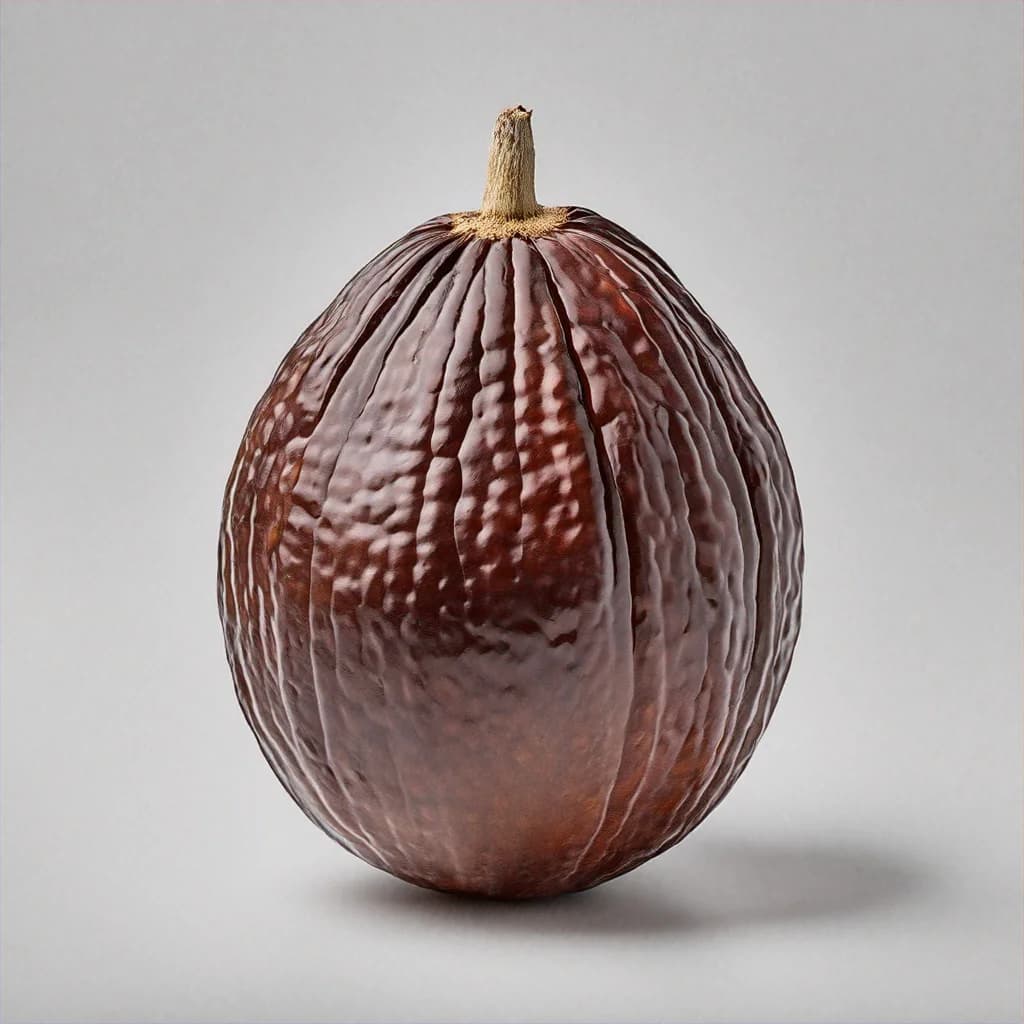
Euterpe edulis
Juçara, scientifically known as Euterpe edulis, is a tropical fruit native to the Atlantic Forest of Brazil. Often referred to as the 'Brazilian blueberry,' Juçara is celebrated for its deep purple-black color and rich, slightly tart flavor. This palm fruit is packed with antioxidants, vitamins, and minerals, making it a nutritional powerhouse. Its flesh is soft and juicy, with a texture similar to that of açai. Juçara is not only prized for its culinary versatility but also for its potential health benefits, including boosting heart health, aiding digestion, and supporting the immune system. Its vibrant color and unique taste make it a beloved ingredient in smoothies, jams, and desserts, while its sustainable cultivation aligns with modern eco-conscious practices.
Explore Juçara in stunning detail
Juçara - Main View
Per 100g
Per 100g
Nutrition breakdown for one serving
Atlantic Forest, Brazil
Juçara has been harvested by indigenous communities in Brazil for centuries. Its recent rise in popularity is due to its nutritional profile and sustainability, as it thrives in its natural habitat without requiring intensive farming practices.
Year-round in tropical regions
Each variety offers unique flavors, textures, and culinary applications
Keep your fruit fresh and delicious for longer
Look for deep purple-black berries with no signs of mold or shriveling.
Choose berries that are plump and firm to the touch.
Store fresh Juçara in the refrigerator to maintain freshness.
Freeze pulp or whole berries for long-term storage.
Preserve freshness for months
Freeze the pulp in airtight containers for up to 6 months.
Freeze whole berries in a single layer on a baking sheet before transferring to a freezer bag.
Label frozen items with the date to track freshness. Most fruits maintain quality for 2-3 months when properly frozen. For best results, use airtight containers or freezer bags to prevent freezer burn.
Discover delicious possibilities
Individuals with allergies to berries or palm fruits should exercise caution when consuming Juçara.
Juçara is typically cultivated sustainably without the use of pesticides.
Surprising trivia you'll love!
Juçara is often called the 'Brazilian blueberry' due to its deep purple-black color and similar nutritional profile.
The fruit is harvested from the Juçara palm, which is native to the Atlantic Forest of Brazil.
Juçara is a tropical fruit native to the Atlantic Forest of Brazil. It is scientifically known as Euterpe edulis and is often referred to as the 'Brazilian blueberry.'
Ripe Juçara berries are deep purple-black in color, plump, and firm to the touch. Avoid berries with signs of mold or shriveling.
Yes, Juçara berries can be frozen for long-term storage. Freeze the pulp in airtight containers or freeze whole berries in a single layer on a baking sheet before transferring to a freezer bag.
Juçara is commonly used in smoothies, açai bowls, jams, jellies, and baked goods like muffins or pancakes.
Yes, Juçara is rich in antioxidants like anthocyanins, which help combat oxidative stress and reduce the risk of chronic diseases.
Juçara is generally safe for consumption, but individuals with allergies to berries or palm fruits should exercise caution. It is also advisable to consume in moderation due to its fiber content.
Yes, Juçara thrives in its natural habitat without requiring intensive farming practices, making it a sustainable choice.
Sustainability insights
Juçara is a sustainable fruit, as it thrives in its natural habitat without requiring intensive farming practices.
Low, due to minimal intervention in cultivation.
Moderate, as it relies on natural rainfall.
Local consumption in Brazil is more environmentally friendly, but imported Juçara has a higher carbon footprint.
We aim to keep this Juçara profile accurate and easy to understand. Nutrition values and % Daily Value figures are based on established reference databases and standard daily value guidance.
Last updated: October 4, 2026
Medical disclaimer
This page is for general educational purposes and does not replace professional medical advice.
Found an issue? Contact us.