Loading Fruit Details...
Please wait while we fetch nutritional information and health benefits
Please wait while we fetch nutritional information and health benefits
Recommended Products
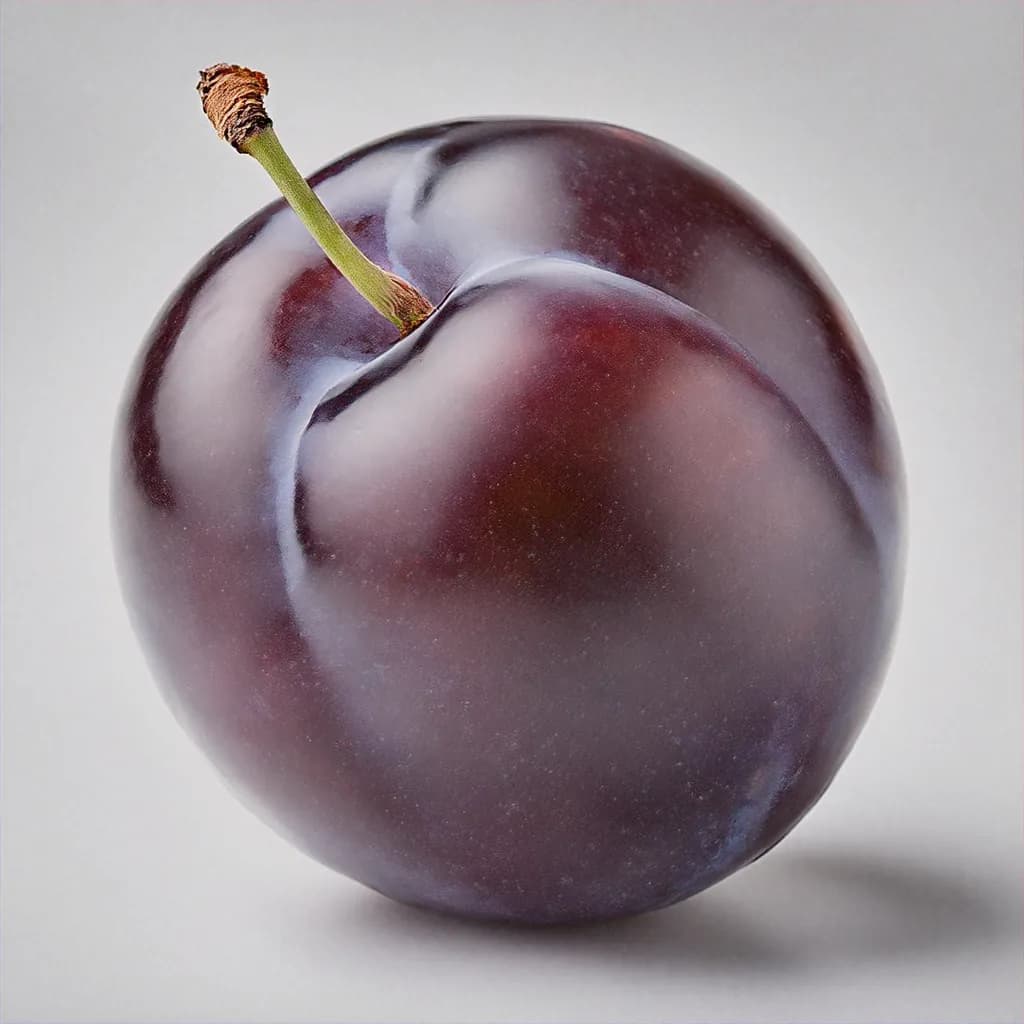
Prunus domestica (European), Prunus salicina (Asian), and related species
Plums are vibrant stone fruits with smooth shiny skin, juicy sweet flesh, and distinctive central pit - offering delicious summer flavor and impressive nutritional profile. These Rosaceae family members (1-3 inches diameter) originating from Central Asia and cultivated globally thrive in temperate regions, becoming beloved fresh eating fruit and culinary staple. Plums deliver significant nutritional density - exceptional vitamin C (10% DV) supporting immune function and antioxidant protection, valuable vitamin A (3% DV) promoting eye health, copper (6% DV) supporting collagen formation, and powerful polyphenolic antioxidants including anthocyanins with disease-preventing potential. The distinctive jewel-toned colors, juicy sweet-tart flavor balance, smooth texture, and refreshing taste make plums quintessential summer fruit deserving celebration and regular consumption. Traditional cultures recognize plums as digestive-supporting and laxative fruit with applications in wellness practices. Modern research increasingly validates traditional applications and identifies plum compounds supporting bone health, antioxidant protection, and disease prevention. The integration of plums into fresh consumption, baking, jams, and sophisticated cuisine reflects the fruit's universal appeal and exceptional characteristics.
Explore Plum in stunning detail
Plum - Main View
Per 100g
Per 100g
Nutrition breakdown for one serving
Central Asia (Caucasus, Tian Shan mountains), China
Plums originate from Central Asia with cultivation dating back over 2,000 years. Chinese evidence shows plum cultivation alongside peach production. Plums traveled ancient Silk Road establishing cultivation across Asia, Persia, and Mediterranean. Romans cultivated plums extensively establishing European varieties. Medieval Europe developed sophisticated plum cultivation. Asian plum varieties developed independently from European types. Colonists brought plum trees establishing American cultivation. Modern production spans multiple continents with diverse varieties. Chinese prune development created dried plum industry. Plums transformed from specialty to common fruit through cultivation and selective breeding.
Peak June-August in Northern Hemisphere; December-February in Southern Hemisphere
Each variety offers unique flavors, textures, and culinary applications
Keep your fruit fresh and delicious for longer
Select plums that yield slightly to gentle pressure (firmness indicator)
Choose plums with vibrant color appropriate to variety
Avoid large bruises or cracks (minor blemishes acceptable)
Plums should feel heavy for their size indicating juice content
Fragrant aroma indicates ripeness and quality
Avoid hard plums - ripen at home for optimal flavor
Smooth unblemished skin preferred
Check for soft spots or decay
Ripe plums keep refrigerated 3-5 days in crisper drawer
Room temperature storage acceptable 2-3 days for ripe plums
Underripe plums ripen at room temperature in paper bag (2-4 days)
Do not wash before storage - moisture accelerates spoilage
Store separately to improve air circulation and prevent bruising
Cut plums consume quickly or refrigerate - exposed flesh oxidizes rapidly
Frozen plum slices preserve quality excellently for 6-12 months
Plum juice keeps refrigerated 1-2 days
Dried plums (prunes) keep several months in airtight container
Plums sensitive to ethylene - store away from other ripening fruits
Preserve freshness for months
Wash, pit, and halve or slice plums
Freeze on baking sheet (1-2 hours)
Transfer frozen pieces to freezer bags or containers
Label with date for tracking
Frozen plums preserve well for 6-12 months
Use for smoothies, baking, and cooking
Thaw in refrigerator before using if desired
Label frozen items with the date to track freshness. Most fruits maintain quality for 2-3 months when properly frozen. For best results, use airtight containers or freezer bags to prevent freezer burn.
Discover delicious possibilities
Plum allergies are uncommon but documented particularly in individuals with birch pollen allergies through cross-reactivity mechanism. Allergic reactions typically present as oral allergy syndrome - itching, tingling, or swelling of mouth, lips, and throat particularly with fresh plums. Heat processing (cooking, canning, baking) denatures allergenic proteins making cooked plums tolerable for some individuals. Severe reactions rare.
Conventionally grown plums may contain pesticide residues. Proper washing: Rinse plums gently under cool running water for 15-20 seconds before eating or cooking. Pat dry with clean towel. This removes surface pesticides and contaminants. Organic plums eliminate synthetic pesticide concerns. Peeling removes some residues but also removes fiber-rich skin.
Surprising trivia you'll love!
Plum trees produce fruit relatively quickly - approximately 2-3 years after planting compared to 5-8 years for many fruit trees
California produces approximately 99% of United States prunes - making dried plum a major American agricultural product despite plums originating from Central Asia
Plums come in remarkably diverse colors including purple, red, yellow, and green - offering visual variety unusual for single fruit species
Japanese plum varieties developed independently from European types - creating distinct flavor and textural characteristics through separate evolutionary path
Sorbitol in plums provides gentle natural laxative effect - scientific research validates traditional digestive support applications used for centuries
Anthocyanins in purple plums are among most powerful antioxidants in fruits - providing exceptional cellular protection from oxidative stress
Plum trees have exceptional longevity - some cultivated trees producing fruit for 50+ years or more making long-term agricultural investment
Prune consumption has documented history spanning millennia - dried plums traded along Silk Road and valued in ancient Mediterranean civilizations
Green gage plums are exceptionally rare and specialty fruit - limited cultivation and availability make them premium delicacy commanding premium prices
Medieval monasteries extensively cultivated plums - preserving knowledge and varieties through centuries as part of monastic horticultural heritage
Determining plum ripeness is essential for optimal flavor - ripe plums offer superior taste and texture compared to underripe fruit. FIRMNESS: Most reliable ripeness indicator is gentle pressure response. Ripe plum yields slightly to gentle pressure between palms. Underripe feels hard and unyielding. Overripe becomes mushy. The slight give indicates perfect readiness. SKIN COLOR: Vibrant color appropriate to variety indicates ripeness. Purple plums: deep purple to black. Red plums: bright red. Green plums: golden-green. Color should be saturated not dull. FRAGRANCE: Ripe plums have pleasant sweet fragrant aroma. Underripe has minimal fragrance. Strong aroma indicates ripeness and quality. Smell from distance when ripe. RIPENING AT HOME: Underripe (hard) plums ripen at room temperature over 2-4 days. Paper bag accelerates ripening by concentrating ethylene. Check daily for readiness. Once ripe, refrigerate to slow further aging. STEM END: Check stem end for slight give when gently pressed - indicates ripeness. Hard stem end indicates underripeness. OPTIMAL RIPENESS: Vibrant color, slight yield to pressure, and pleasant fragrance indicate maximum flavor and juice. STORAGE AFTER RIPENING: Once ripe, refrigerate to extend shelf life 3-5 days. Cold temperature preserves ripeness but slows further aging. BOTTOM LINE: Ripe plums are determined by vibrant color, slight yield to gentle pressure, and pleasant sweet fragrance. The combination indicates maximum flavor and ripeness.
European and Asian plums are distinct varieties with significant differences in flavor, texture, size, and culinary applications. FLAVOR: European: Rich complex flavor, higher acidity, more tartness, sophisticated taste. Asian: Very sweet, juicy, mild tartness, floral notes, straightforward sweetness. TEXTURE: European: Firmer, denser flesh, holds shape during cooking. Asian: Crisper texture when ripe, juicier, more tender. SIZE: European: Smaller (1-2 inches), more manageable portion. Asian: Larger (2-3 inches), substantial fruit. SIZE ADVANTAGE: Larger Asian plums provide more pulp per fruit. COLOR: European: Deep purple-black predominant. Asian: Red, red-purple predominant. Distinct visual difference. ACIDITY: European: Higher acid content making tartness pronounced. Asian: Lower acid, sweeter overall profile. CULINARY USE: European: Excellent for processing, drying (prunes), canning, jam, cooking. Asian: Superior fresh eating, premium markets, less ideal for processing. DRYING QUALITY: European (Italian plums particularly): Ideal for prune production due to firm flesh and high sugar. Asian: Less commonly dried; different dried characteristics. SWEETNESS LEVEL: Asian: Considerably sweeter than European. European: More balanced sweet-tart profile. FRESHNESS PREFERENCE: European: Can be underripe and ripened at home. Asian: Preferred ripe at purchase, ready to eat. STORAGE: European: Better storage quality when ripe. Asian: More delicate, shorter fresh storage. MARKET AVAILABILITY: European: More common in most markets. Asian: Specialty markets, premium pricing, seasonal availability. TRADITIONAL ORIGIN: European: Eurasia, Mediterranean cultivation developed. Asian: China, Japan, Asia-Pacific cultivation developed independently. SUBSTITUTION: Not perfect substitutes. Each optimal for specific purpose - European for processing and cooking, Asian for premium fresh eating. BOTTOM LINE: European plums are smaller, richer, higher acid, excellent for processing and cooking. Asian plums are larger, sweeter, juicier, superior for fresh eating and premium markets.
Plums are exceptionally beneficial for digestive health and antioxidant protection through multiple mechanisms making them among best fruits for overall wellness. ANTHOCYANINS: Purple and red plums contain powerful anthocyanins (polyphenols) providing exceptional antioxidant capacity. Anthocyanins are among most powerful antioxidants in fruit. Purple plums particularly rich in anthocyanins. ANTIOXIDANT POWER: Polyphenolic compounds provide broad cellular protection. Multiple antioxidant types work synergistically. Diverse antioxidant profile more protective than single compound. CELLULAR PROTECTION: Antioxidants neutralize free radicals preventing cellular damage. Free radical reduction decreases oxidative stress. Protection supports cellular health and longevity. Disease prevention mechanisms prevent DNA damage. DISEASE PREVENTION: High antioxidant consumption associated with reduced cancer risk. Cardiovascular disease prevention through antioxidant effects. Age-related disease reduction through cellular protection. Anti-inflammatory effects reduce chronic disease risk. DIGESTIVE HEALTH: Traditional cultures recognized plums as digestive-supporting fruit. Modern science validates digestive benefits. Fiber supports regularity and healthy bowel function. Sorbitol and other compounds support gentle laxative effect. GENTLE LAXATIVE: Plums (especially dried as prunes) provide gentle natural laxative support. Sorbitol supports water retention in digestive tract. Effect supports regularity without harsh action. Traditional remedy for constipation support. POLYPHENOLIC ANTIOXIDANTS: Polyphenolic compounds demonstrate anti-inflammatory activity. Chronic inflammation reduction through regular consumption. Anti-inflammatory benefits support overall health. BONE HEALTH: Vitamin K (5% DV) supports bone health and bone density. Polyphenolic compounds may support bone remodeling. Traditional use for bone health support. CARDIOVASCULAR SUPPORT: Antioxidants protect cholesterol from oxidation. Arterial inflammation reduction through polyphenols. Potassium supports blood pressure management. IRON ABSORPTION: Vitamin C supports iron absorption enhancement. Copper (6% DV) supports iron metabolism. Combined benefit for iron-status support. MICROBIOME SUPPORT: Fiber and polyphenolic compounds support beneficial bacteria. Enhanced microbiome supports immunity and metabolism. Prebiotic properties support probiotic effectiveness. BOTTOM LINE: Plums with powerful anthocyanins, diverse polyphenolic antioxidants, gentle digestive support, and fiber provide exceptional antioxidant protection, disease prevention, and digestive health benefits through multiple synergistic mechanisms.
Dogs can safely eat fresh plum flesh in moderation as occasional treat - plums are non-toxic and generally safe though critical precautions must be observed. SAFETY: Fresh plum flesh is non-toxic to dogs - no compounds inherently poisonous. Pulp alone is safe in appropriate amounts. PIT SAFETY: Plum pits are extremely hazardous - contain cyanogenic glycosides that break down into cyanide. Pits present serious choking hazard and toxicity concern. ALWAYS remove pit completely before offering plums to dogs. Never allow dogs access to pits. CRITICAL: Plum pits smaller and harder than peach pits increasing choking risk and GI obstruction risk. PIT DAMAGE: Crushed or chewed pit fragments release cyanogenic glycosides creating toxicity. Never allow dogs to crack or chew pits. FLESH SAFETY: Flesh without pit is generally safe for moderate consumption. SKIN SAFETY: Skin is generally safe but can cause digestive upset. Some dogs prefer skin removed. Wash skin thoroughly if included. BENEFITS: Vitamins support immune function. Fiber supports digestive health in moderation. Water content provides hydration. CONCERNS: SUGAR CONTENT: Fresh plums contain 9.92g sugar per 100g - significant for dogs. High sugar contributes to obesity, dental problems, and diabetes - major canine health concerns. FIBER CONTENT: While beneficial, moderate fiber, excessive amounts cause digestive upset. PORTION GUIDELINES: Small dogs (under 20 lbs): 1-2 small plum slices maximum. Medium dogs (20-50 lbs): 2-3 small slices maximum. Large dogs (over 50 lbs): 3-4 small slices maximum. Frequency: No more than 2-3 times weekly as occasional treat. PREPARATION: Remove pit completely and carefully. Wash skin to remove pesticides. Peel if desired for sensitivity. Slice into small pieces. Offer directly or mix with regular food. Start with tiny amount to test tolerance. WHEN TO AVOID: Dogs with diabetes must avoid (sugar content). Overweight dogs should minimize (sugar and calories). Dogs with sensitive digestive systems should avoid. Puppies should avoid until mature. DIGESTIVE CONSIDERATIONS: Fresh plums generally well-tolerated in small amounts. Individual tolerance varies significantly. Monitor for adverse reactions. Diarrhea or upset stomach warrant discontinuation. BOTTOM LINE: Dogs can safely eat fresh plum flesh in moderation as occasional treat with strict precautions. ALWAYS remove pit completely - critical safety concern. Limit portions and frequency. Better alternatives exist for dogs.
Prunes are dried plums (typically Italian prune plums) offering concentrated nutrition, remarkable shelf stability, and distinctive health benefits particularly for digestive support. DRYING PROCESS: Fresh plums dried through sun-drying or dehydration removing water. Drying concentrates nutrients and flavors. Italian plums preferred for superior prune quality. High sugar and firm flesh ideal for drying. CONCENTRATION: Drying concentrates all nutrients into smaller volume. Nutritional density increases dramatically. Calories become more concentrated. Sugar becomes more concentrated. SHELF STABILITY: Prunes keep several months or longer in airtight container. Remarkable shelf stability compared to fresh plums. No refrigeration required. Convenient shelf-stable snack. DIGESTIVE BENEFITS: Prunes exceptionally recognized for digestive support. Sorbitol content provides gentle natural laxative effect. Fiber (particularly insoluble) supports regularity. Traditional remedy for constipation support - scientifically validated. NUTRIENT CONTENT: Potassium (concentrated), boron (unique concentration), vitamin K, fiber all significantly increased through drying. Antioxidants remain stable or concentrate. BONE HEALTH: Boron concentration in prunes exceptionally high - supports bone health and density. Vitamin K supports bone health. Polyphenolic antioxidants may support bone remodeling. ANTIOXIDANT CONCENTRATION: Antioxidant compounds concentrated through drying. Phenolic compounds particularly concentrated. Exceptional antioxidant capacity per serving. ENERGY PROVISION: Natural sugars provide quick energy. Calorie density higher than fresh. Portable convenient energy source. PORTION CONSIDERATION: Much smaller serving provides substantial nutrition. Standard serving approximately 5-6 prunes. This modest quantity provides significant benefits. LAXATIVE EFFECT: Gentle natural laxative without harshness. Sorbitol and fiber work synergistically. Regular consumption supports natural regularity. Individual response varies - some find effect more pronounced. CONSUMPTION: Eat as standalone snack. Mix with nuts for balanced nutrition. Add to oatmeal or breakfast cereals. Incorporate into baking and cooking. Soak in water to soften if desired. MODERATION: Prunes high in natural sugars - consume in moderation. Daily consumption modest quantities recommended. Individual tolerance varies. DIABETIC CONSIDERATION: Sugar concentration in prunes substantial - diabetics should moderate intake. BOTTOM LINE: Prunes are dried plums offering concentrated nutrition, exceptional shelf stability, and remarkable digestive support particularly for constipation relief through sorbitol, fiber, and polyphenolic compounds making them convenient portable wellness food.
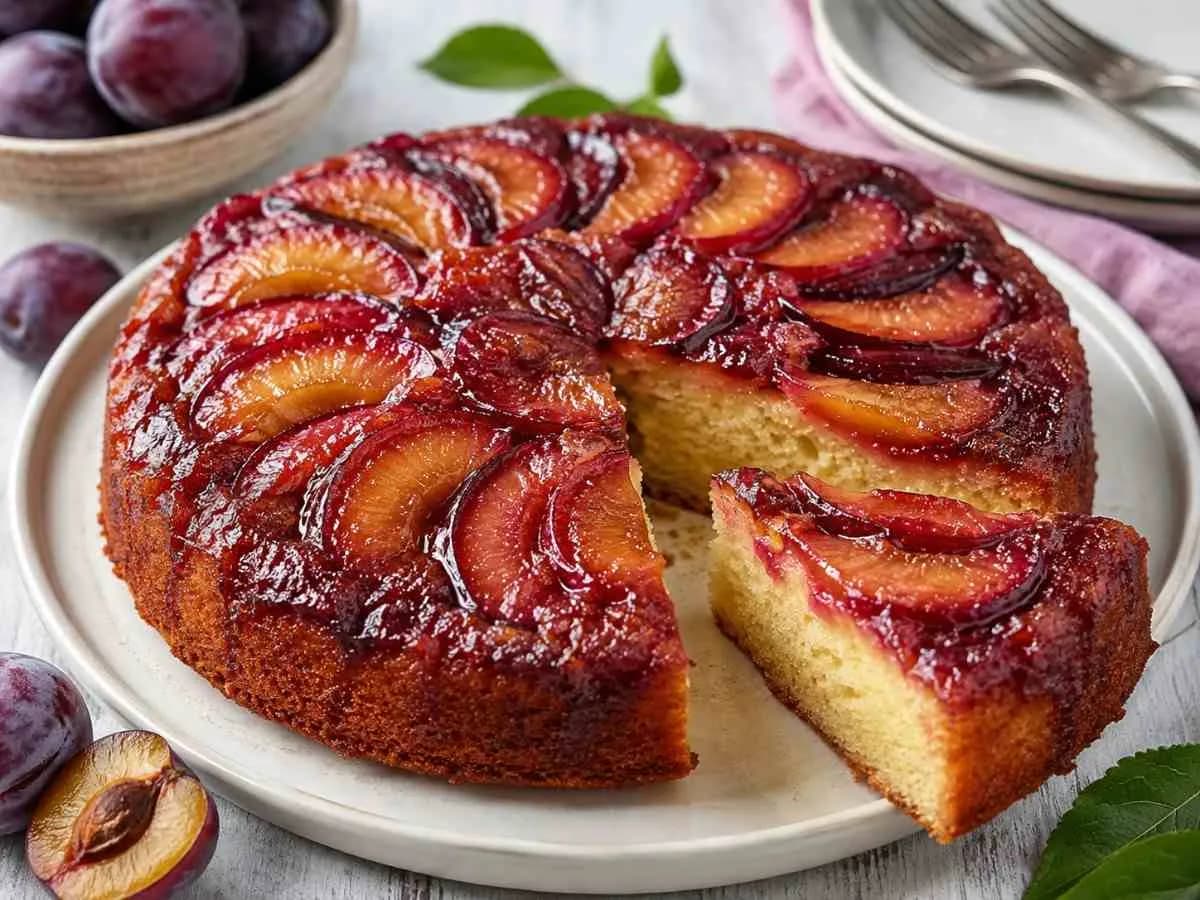
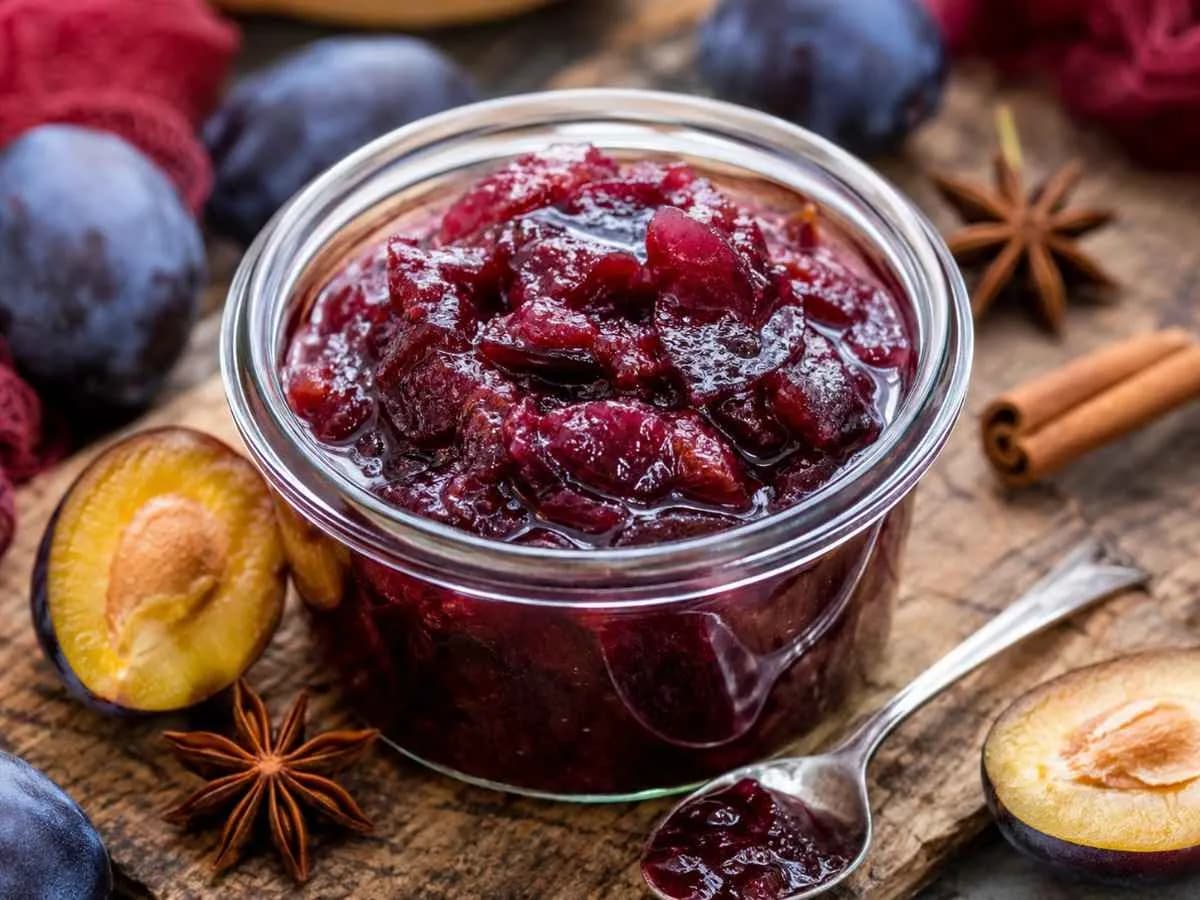
Plum jam and preserves transform fresh plums into shelf-stable delicious preparations through traditional preservation methods. PLUM JAM MAKING: Select slightly underripe plums (better pectin content) or mix ripe and underripe. Wash, pit, and chop plums into small pieces. Combine with sugar (standard ratio approximately 1 pound plums to 3/4 pound sugar) and lemon juice (2-3 tablespoons per batch). Simmer until gel point reached (220 degrees F on candy thermometer). Skim foam during cooking. Pour into sterilized jars. Process in water bath (10 minutes for half-pints). Cool completely. Shelf stable 1-2 years when properly processed. Yields approximately 4-5 jars from 4 pounds plums. PLUM COMPOTE: Similar to jam but chunky texture. Cook plums less to maintain pieces. Sweeten moderately. Serve warm or cold. Compote less shelf-stable than jam (refrigerate or freeze). CANNING WHOLE PLUMS: Wash and halve plums, remove pits. Pack into sterilized jars. Prepare light syrup (water and sugar) or use plum juice. Pour hot syrup over plums leaving 1/2-inch headspace. Remove air bubbles. Wipe jar rims. Process in water bath (25-30 minutes for quarts). Shelf stable when properly processed. FREEZING PLUMS: Wash, pit, slice plums. Freeze on baking sheet (1-2 hours). Transfer frozen slices to freezer bags or containers. Label with date. Frozen plums preserve well 6-12 months. Use for smoothies, baking, cooking. DRYING PLUMS (PRUNES): Wash and dry plums. Slice in half or leave whole. Dry in dehydrator at 135-140 degrees F for 12-24 hours until leathery. Store in airtight containers. Dried plums keep several months indefinitely when stored properly. USE FOR PRESERVATION: Ripe plums ideal for jam (higher pectin and flavor). Slightly underripe acceptable for processing. Overripe unsuitable. EQUIPMENT: Large pot, candy thermometer, sterilized jars, canning utensils, food mill optional for chunky preparations. SAFETY CONSIDERATIONS: Follow tested recipes from reliable sources (USDA guidelines). Proper sterilization prevents contamination. Correct processing times essential. Gel point critical for jam safety. When in doubt consult tested canning resources. BOTTOM LINE: Plums preserve excellently through multiple methods - jam offers concentrated sweet spread, compote provides chunky topping, freezing enables off-season use, and drying creates shelf-stable prunes. Each method allows year-round plum enjoyment.
Plums have profound historical importance and cultural meaning spanning over 2,000 years with deep roots across multiple ancient civilizations and continents. CENTRAL ASIAN ORIGINS: Plums originate from Central Asia particularly Caucasus and Tian Shan mountain regions. Archaeological evidence shows cultivation dating over 2,000 years. Ancient Central Asian cultures recognized plum nutritional and medicinal value. CHINESE HERITAGE: China cultivated plums extensively over millennia developing Asian varieties. Chinese emperors valued plums as premium fruit. Classical Chinese texts extensively reference plums. Plums symbolize perseverance and resilience in Chinese culture. SILK ROAD EXPANSION: Plums traveled ancient Silk Road trade routes establishing cultivation across Asia, Persia, and Mediterranean. Trade networks distributed plum cultivation globally. Cultural exchange accompanied fruit distribution. MEDITERRANEAN CULTIVATION: Romans cultivated plums extensively establishing European cultivation. Plum cultivation integrated into Roman diet. Mediterranean expansion spread plums through Greek and Italian regions. Medieval Europe inherited Roman plum cultivation. MEDIEVAL PERIOD: Medieval monasteries maintained plum orchards preserving cultivation knowledge. Monks recognized digestive benefits. Plum preservation as jam and dried preparations developed. European selective breeding created improved varieties. ASIAN DEVELOPMENTS: Asian plum varieties developed independently from European types. Japanese cultivation created distinctive Asian plum characteristics. Modern Asian varieties reflect centuries selective breeding. Asian traditions integrated plums into cultural practices. COLONIAL EXPANSION: European colonizers brought plum trees establishing American cultivation. Prune industry developed in California becoming major production center. American cultivation developed distinct regional varieties. Plums became accessible beyond specialty status. PRUNE DEVELOPMENT: Dried plum industry developed through intentional breeding for drying quality. Italian prune plums optimized for drying. Prune production became significant agricultural industry. Digestive benefits of prunes widely recognized. CULTURAL SYMBOLISM: Plums symbolize perseverance and resilience in Asian traditions. Represent abundance in Western symbolism. Cultural significance reflected in art, literature, festivals. LITERARY SIGNIFICANCE: Plums appear in classical literature across cultures. Asian literature extensively features plums. Metaphorical significance reflects cultural values. TRADITIONAL MEDICINE: Plums recognized in traditional medicine systems. Digestive support applications documented. Modern research validates traditional applications. MODERN CULTIVATION: Global production spans multiple continents with diverse varieties. China remains dominant producer. California major prune producer. Mediterranean significant production region. BOTTOM LINE: Plums represent 2,000+ year cultural heritage spanning Central Asia, China, Mediterranean, Europe, and Americas with cultivation reflecting perseverance and resilience symbolism. Digestive support traditionally recognized and scientifically validated. Prune industry reflects centuries plum processing refinement.
Sustainability insights
Plum cultivation represents deciduous stone fruit agriculture with specific environmental considerations. Benefits include perennial trees producing for 50+ years eliminating annual replanting, moderate water requirements, cultivation integration into diverse orchard systems, and minimal processing for fresh consumption. Challenges include conventional agriculture pesticide use, pest management complexity, temperature requirements limiting geography, and tree-care inputs. Sustainable practices include organic plum production, integrated pest management reducing chemical inputs, water-efficient irrigation, regional production promoting local supply, and preserving heritage varieties.
Plum carbon footprint is low-moderate due to temperate cultivation, minimal processing, and regional distribution possibilities. Fresh whole plums require no processing - carbon footprint primarily from cultivation and transportation. Regional cultivation enables local supply reducing transportation carbon significantly. Long-distance export generates moderate carbon. Per-serving carbon impact is low considering nutritional density. Dried plums require energy for dehydration but maintain carbon efficiency through shelf stability and transportation concentration. To minimize carbon footprint: Purchase fresh plums during season when available locally, choose dried plums for off-season with lower transportation carbon per calorie, support regional producers, and appreciate seasonal plum availability.
Plum tree cultivation requires moderate water with water footprint approximately 450-800 liters per kilogram - reasonable for fruit production. Mature trees develop extensive root systems allowing good drought tolerance once established. Temperate regions with adequate rainfall minimize supplemental irrigation. Modern sustainable practices include drip irrigation reducing waste, mulching decreasing evaporation, soil moisture monitoring, and efficient water management. Plums represent moderate water-use cultivation with efficiency comparable to established orchards.
Supporting local plums maximizes sustainability when available. Plums are cultivated globally in temperate regions including China, United States, Mediterranean Europe, Turkey, Serbia, and many other locations. For residents in plum-growing regions, local fruit provides minimal transportation carbon and superior freshness. Regional farmers markets and direct-from-orchard options support local economies. Dried plums provide excellent off-season option with lower transportation carbon per nutritional unit. BEST PRACTICES: Buy fresh local plums during season when available, purchase dried plums (prunes) for off-season with lower transportation carbon, support regional farmers and direct sources, and appreciate seasonal plum availability.
We aim to keep this Plum profile accurate and easy to understand. Nutrition values and % Daily Value figures are based on established reference databases and standard daily value guidance.
Last updated: September 20, 2026
Medical disclaimer
This page is for general educational purposes and does not replace professional medical advice.
Found an issue? Contact us.