Loading Fruit Details...
Please wait while we fetch nutritional information and health benefits
Please wait while we fetch nutritional information and health benefits
Recommended Products
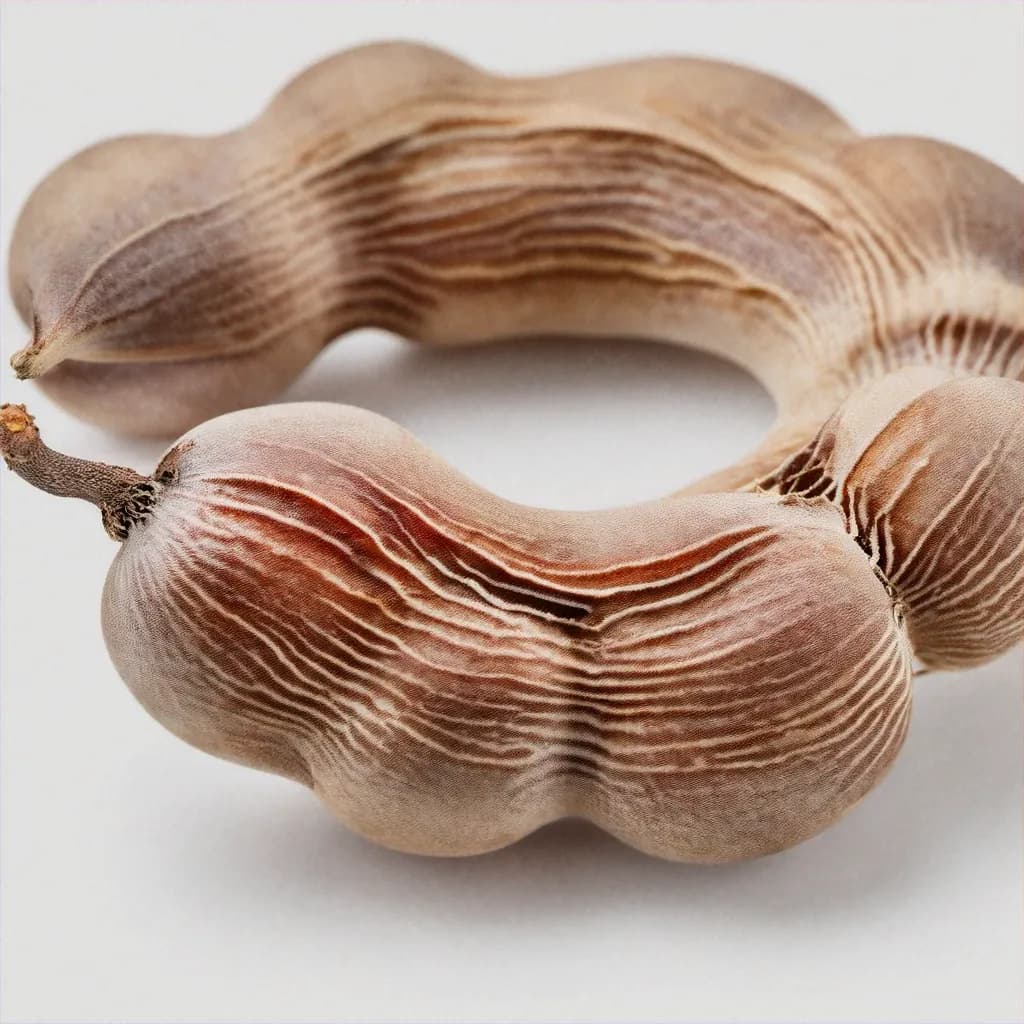
Dialium indum
Velvet tamarind is a nutrient-rich tropical fruit known for its sweet-tangy flavor, chewy pulp, and impressive antioxidant profile. Rich in dietary fiber (13% DV per 100g), vitamin C (30% DV), iron (20% DV), and polyphenols, velvet tamarind supports digestive health, immunity, and energy metabolism. Also called black tamarind or forest tamarind, this low-fat fruit delivers sustained energy with moderate natural sugars and excellent micronutrient density. Traditionally consumed across Asia and Africa, velvet tamarind is prized for gut health, mineral replenishment, and antioxidant wellness.
Explore Velvet Tamarind in stunning detail
Velvet Tamarind - Main View
Per 100g
Per 100g
Nutrition breakdown for one serving
South and Southeast Asia
Velvet tamarind (Dialium indum) has been traditionally consumed for centuries across Asia and Africa. It was valued as a natural energy source for travelers and forest dwellers due to its long shelf life and mineral richness. In traditional medicine, it has been used to support digestion, relieve fatigue, and replenish minerals.
Late summer to winter
Each variety offers unique flavors, textures, and culinary applications
Keep your fruit fresh and delicious for longer
Select pods with intact hard shells
Avoid cracked or moldy shells
Choose heavier pods indicating fuller pulp
Store in dry, cool conditions
Keep in airtight container after shelling
Avoid moisture exposure
Preserve freshness for months
Shell and freeze pulp in airtight bags
Retains quality for up to 1 year
Ideal for smoothies and drinks
Label frozen items with the date to track freshness. Most fruits maintain quality for 2-3 months when properly frozen. For best results, use airtight containers or freezer bags to prevent freezer burn.
Discover delicious possibilities
Allergies are rare but possible in sensitive individuals.
Wild-harvested varieties have minimal pesticide exposure.
Surprising trivia you'll love!
Velvet tamarind can be stored for months without refrigeration
Traditionally used as a travel food in forests
Known as 'black tamarind' due to its shell color
Consumed both as food and traditional medicine
Naturally low in fat
Velvet tamarind (Dialium indum) is a tropical fruit with a hard black shell and sweet-tangy pulp, traditionally consumed for digestion and energy.
Yes, its high fiber and tannin content supports digestive health and gut comfort.
Yes, it provides about 20% DV of iron per 100g, supporting healthy energy levels.
Yes, in moderation due to its moderate glycemic load and fiber content.
Yes, velvet tamarind can support weight management when consumed in moderation due to its high fiber content, which promotes satiety and helps control appetite.
Yes, children can eat velvet tamarind under supervision. The seeds should be removed to prevent choking, and portion sizes should be kept moderate due to natural sugars.
Velvet tamarind supports gut health through its dietary fiber and tannins, which help regulate digestion and promote a balanced gut microbiome.
Yes, velvet tamarind can be consumed daily in small to moderate portions as part of a balanced diet, providing fiber, minerals, and antioxidants.
Yes, velvet tamarind contains vitamin C and polyphenol antioxidants that help strengthen immune defenses and protect cells from oxidative stress.
Velvet tamarind (Dialium indum) has a dry, chewy pulp with a sweet-tangy flavor, while regular tamarind (Tamarindus indica) has moist, sticky pulp and stronger acidity. Their nutritional profiles and culinary uses also differ.
Sustainability insights
Often wild-harvested with minimal environmental impact.
Low when sourced locally
Low water requirement tree
Prefer locally sourced for freshness
We aim to keep this Velvet Tamarind profile accurate and easy to understand. Nutrition values and % Daily Value figures are based on established reference databases and standard daily value guidance.
Last updated: September 16, 2026
Medical disclaimer
This page is for general educational purposes and does not replace professional medical advice.
Found an issue? Contact us.