Loading Fruit Details...
Please wait while we fetch nutritional information and health benefits
Please wait while we fetch nutritional information and health benefits
Recommended Products
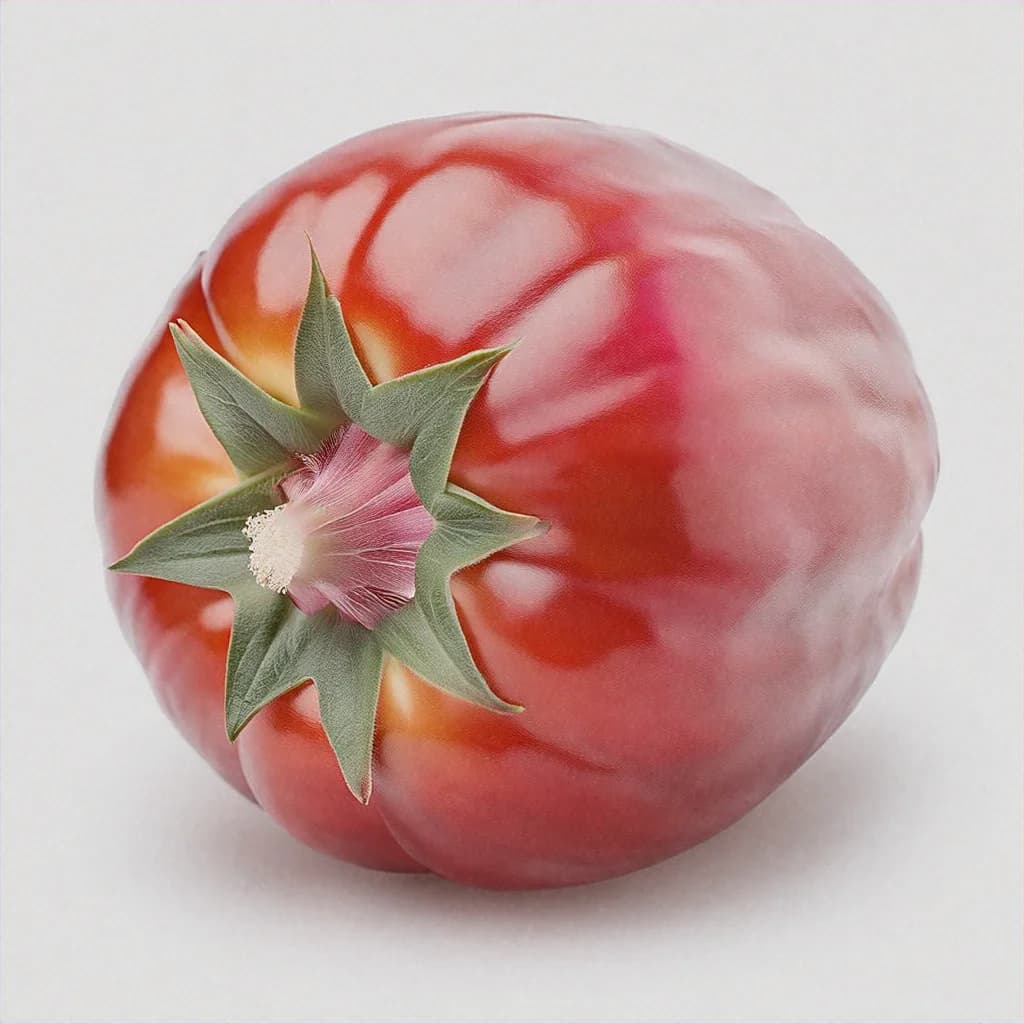
Corchorus olitorius
Jew’s Mallow, scientifically known as Corchorus olitorius, is a leafy vegetable widely appreciated for its delicate texture and mild, slightly mucilaginous flavor. Originating from tropical regions, it is commonly used in African, Middle Eastern, and Asian cuisines. Rich in vitamins, minerals, and dietary fiber, Jew’s Mallow offers numerous health benefits, making it a valuable addition to soups, stews, and salads. Its leaves are tender and succulent, often compared to spinach but with a more subtle taste. Beyond its culinary versatility, Jew’s Mallow is celebrated for its medicinal properties, including its ability to soothe digestive issues and support respiratory health. Whether enjoyed fresh or cooked, this nutrient-dense plant is a hidden gem in the world of greens.
Explore Jew’s Mallow in stunning detail
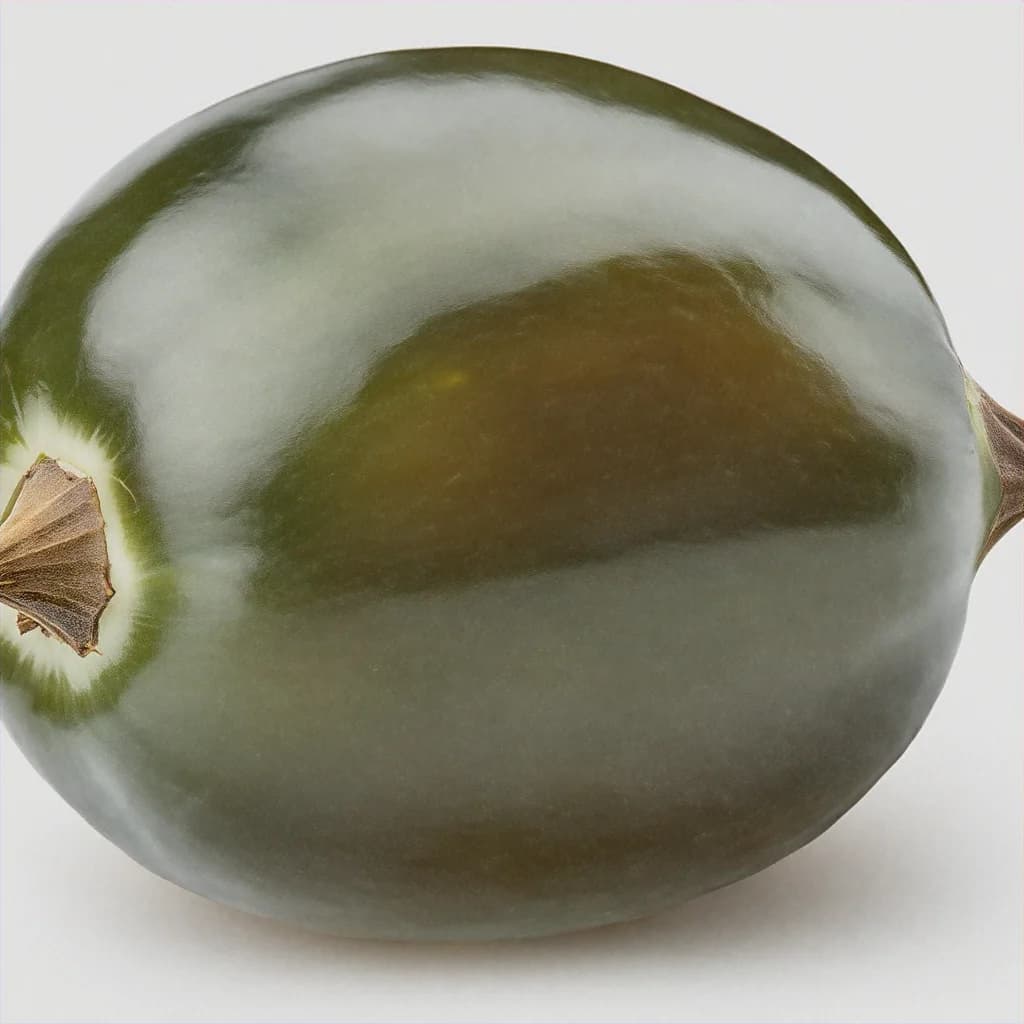
Jew’s Mallow - Main View
Per 100g
Per 100g
Nutrition breakdown for one serving
Tropical Africa and Asia
Jew’s Mallow has been cultivated for thousands of years in Africa and Asia. It is known by various names, such as 'molokhia' in Egypt and 'saluyot' in the Philippines. Historically, it was used for its medicinal properties and as a staple food in many cultures.
Year-round in tropical regions; summer to early fall in temperate climates
Each variety offers unique flavors, textures, and culinary applications
Keep your fruit fresh and delicious for longer
Select fresh, bright green leaves with no signs of wilting or yellowing.
Avoid leaves with holes, discoloration, or a slimy texture.
Store fresh Jew’s Mallow in a plastic bag or airtight container in the refrigerator.
Wrap the leaves in a damp paper towel to maintain freshness.
Preserve freshness for months
Blanch the leaves briefly before freezing to preserve color and texture.
Store in an airtight freezer bag for up to 6 months.
Label frozen items with the date to track freshness. Most fruits maintain quality for 2-3 months when properly frozen. For best results, use airtight containers or freezer bags to prevent freezer burn.
Discover delicious possibilities
Jew’s Mallow is generally considered safe for consumption, but individuals with allergies to mallow plants should exercise caution.
Jew’s Mallow is generally grown with minimal pesticide use, but it is advisable to wash thoroughly before consuming.
Surprising trivia you'll love!
Jew’s Mallow is known as 'molokhia' in Egypt, where it is a staple in traditional cuisine.
The leaves are often compared to spinach but have a more delicate texture and flavor.
Jew’s Mallow has a mild, slightly mucilaginous flavor similar to spinach but with a more subtle taste.
Look for bright green leaves with no signs of wilting, yellowing, or discoloration.
Fresh Jew’s Mallow can be stored in the refrigerator for up to 7 days if wrapped in a damp paper towel.
Popular dishes include Egyptian Molokhia Stew, Nigerian Efo Riro, and Philippine Saluyot Soup.
No, Jew’s Mallow is low in calories, with only 49 calories per 100 grams.
Yes, its mucilaginous properties soothe the digestive tract and may alleviate conditions like ulcers and irritable bowel syndrome.
Yes, blanch the leaves briefly before freezing to preserve color and texture, and store in an airtight freezer bag for up to 6 months.
Sustainability insights
Jew’s Mallow is a sustainable crop that requires minimal water and nutrients, making it an eco-friendly choice.
Low carbon footprint due to minimal processing and transportation requirements.
Low water usage compared to other leafy greens.
Locally grown Jew’s Mallow is more sustainable and supports local farmers.
We aim to keep this Jew’s Mallow profile accurate and easy to understand. Nutrition values and % Daily Value figures are based on established reference databases and standard daily value guidance.
Last updated: October 2, 2026
Medical disclaimer
This page is for general educational purposes and does not replace professional medical advice.
Found an issue? Contact us.