Loading Fruit Details...
Please wait while we fetch nutritional information and health benefits
Please wait while we fetch nutritional information and health benefits
Recommended Products
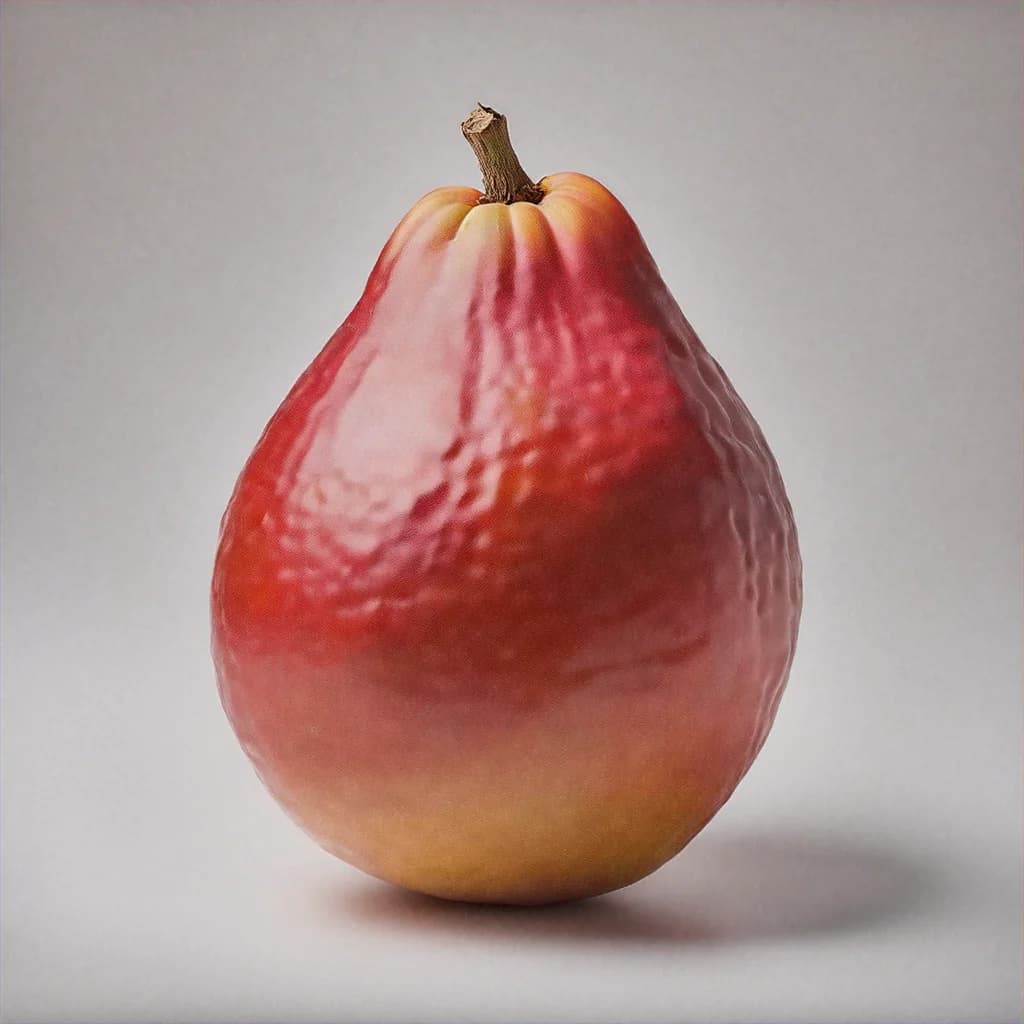
Caryocar villosum
Piquiá, scientifically known as Caryocar villosum, is a tropical fruit native to the Amazon rainforest. It is renowned for its unique flavor profile, which combines a creamy texture with a slightly acidic tang. The fruit is encased in a hard, woody shell that protects the edible pulp inside. Piquiá is not only a culinary delight but also offers a rich nutritional profile, high in essential vitamins, minerals, and antioxidants. Its pulp is often used in traditional Amazonian cuisine, adding depth to savory dishes and desserts alike. Beyond its culinary uses, Piquiá has been valued for centuries in traditional medicine for its potential health benefits, including anti-inflammatory and antioxidant properties.
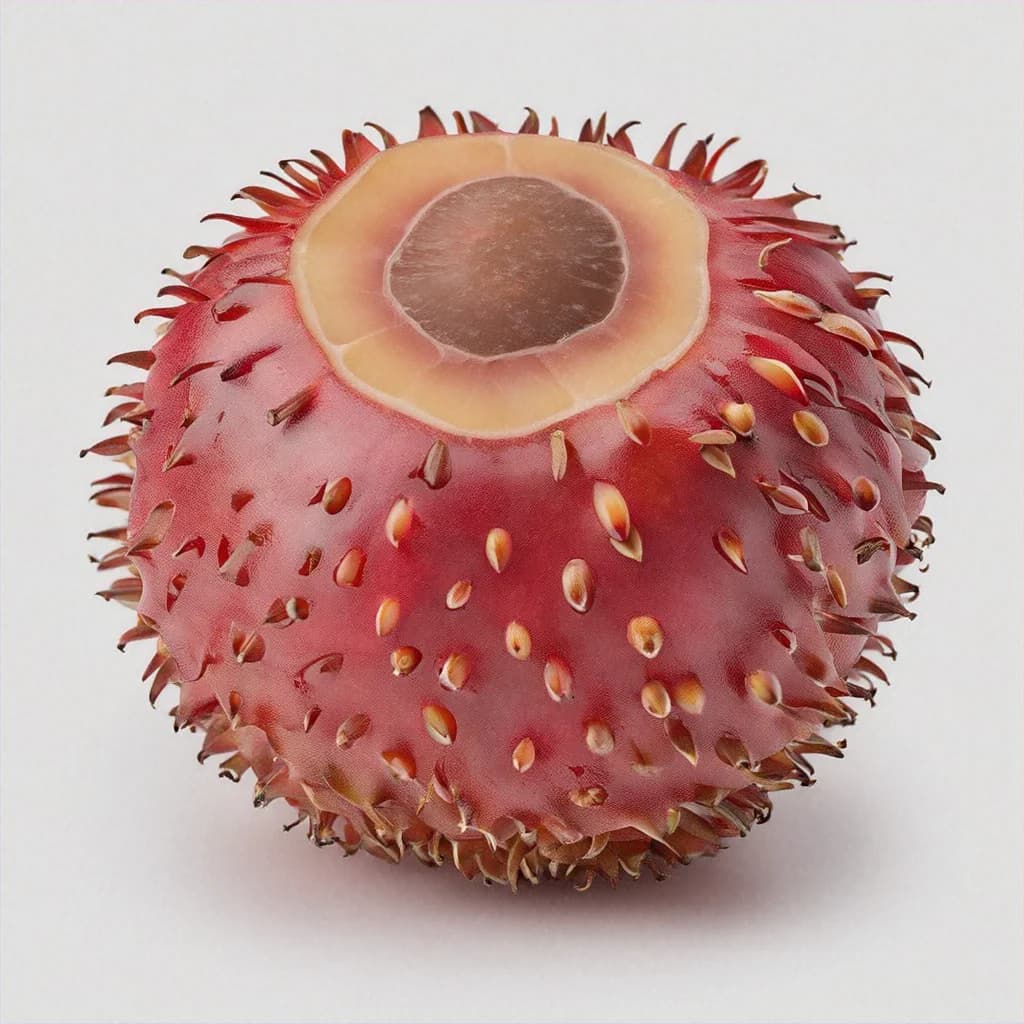
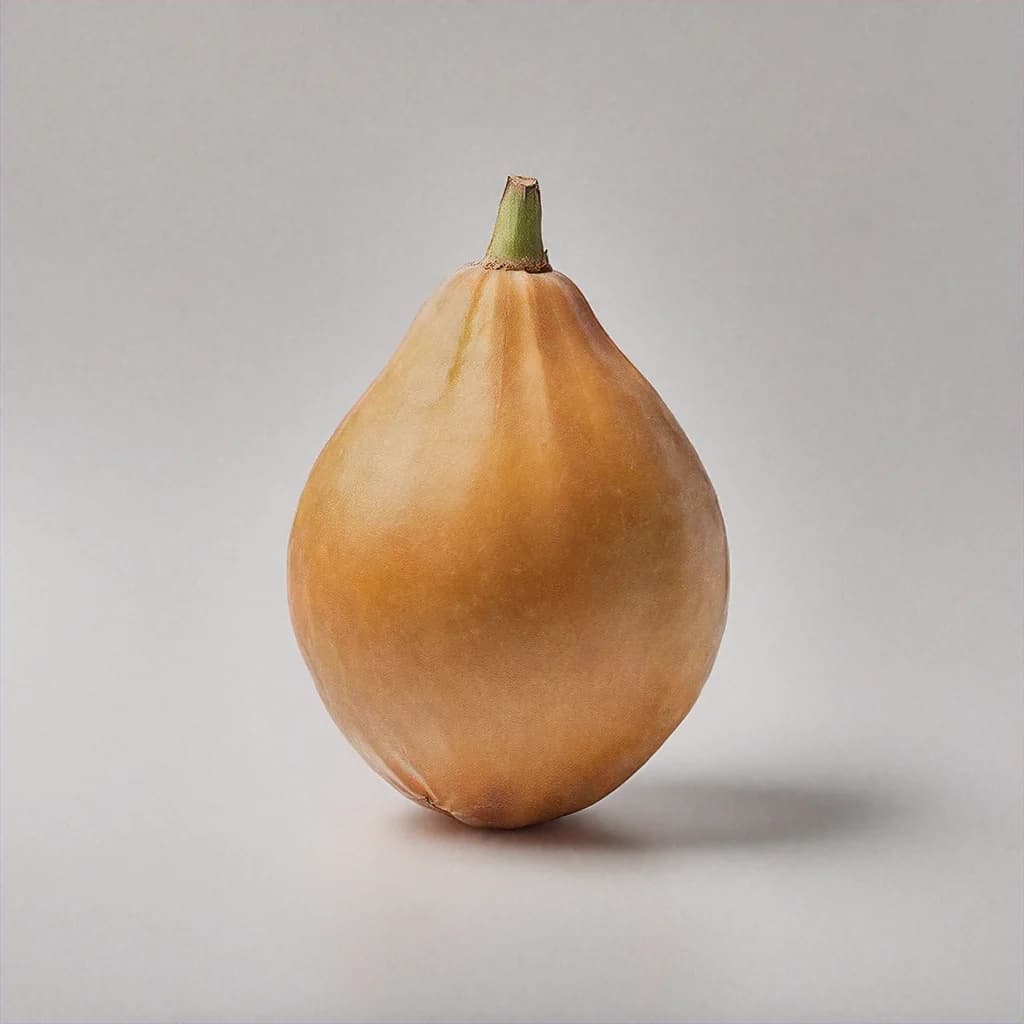
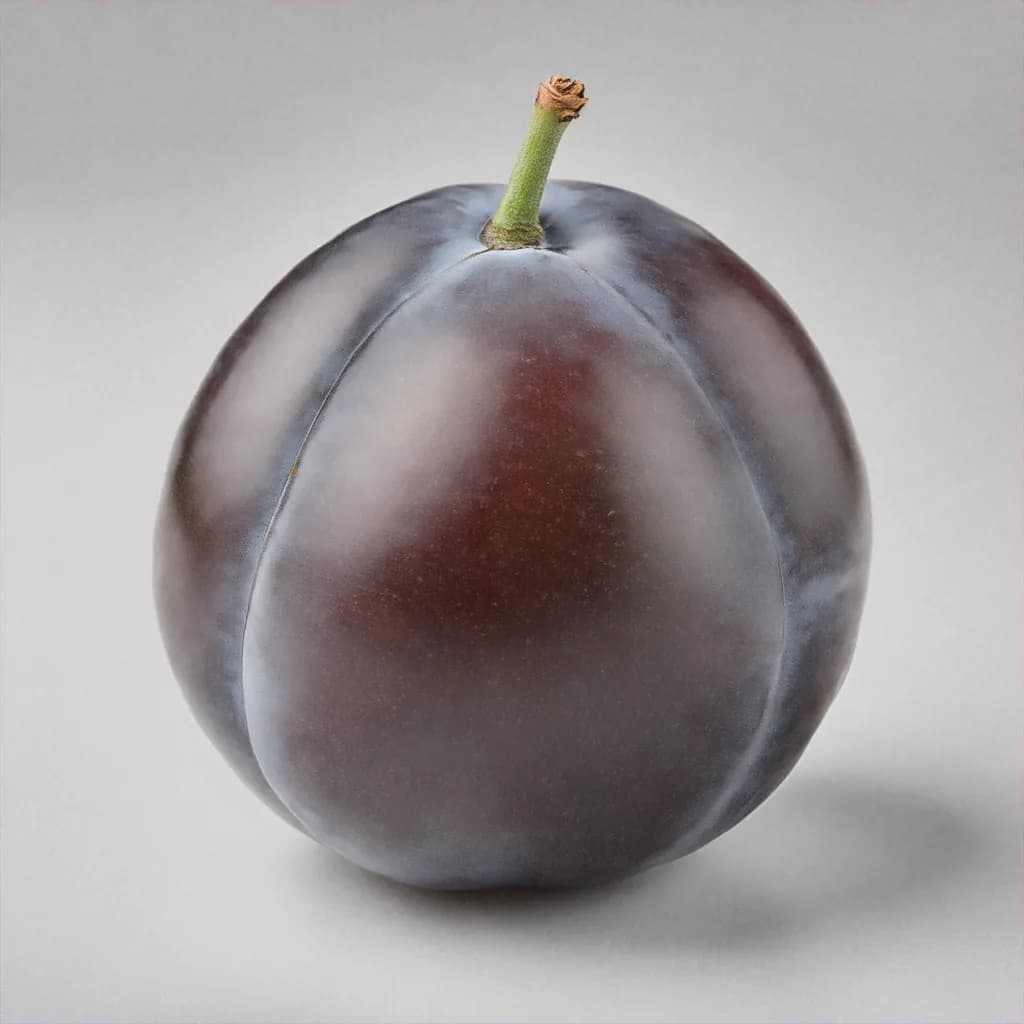
Explore Piquiá in stunning detail
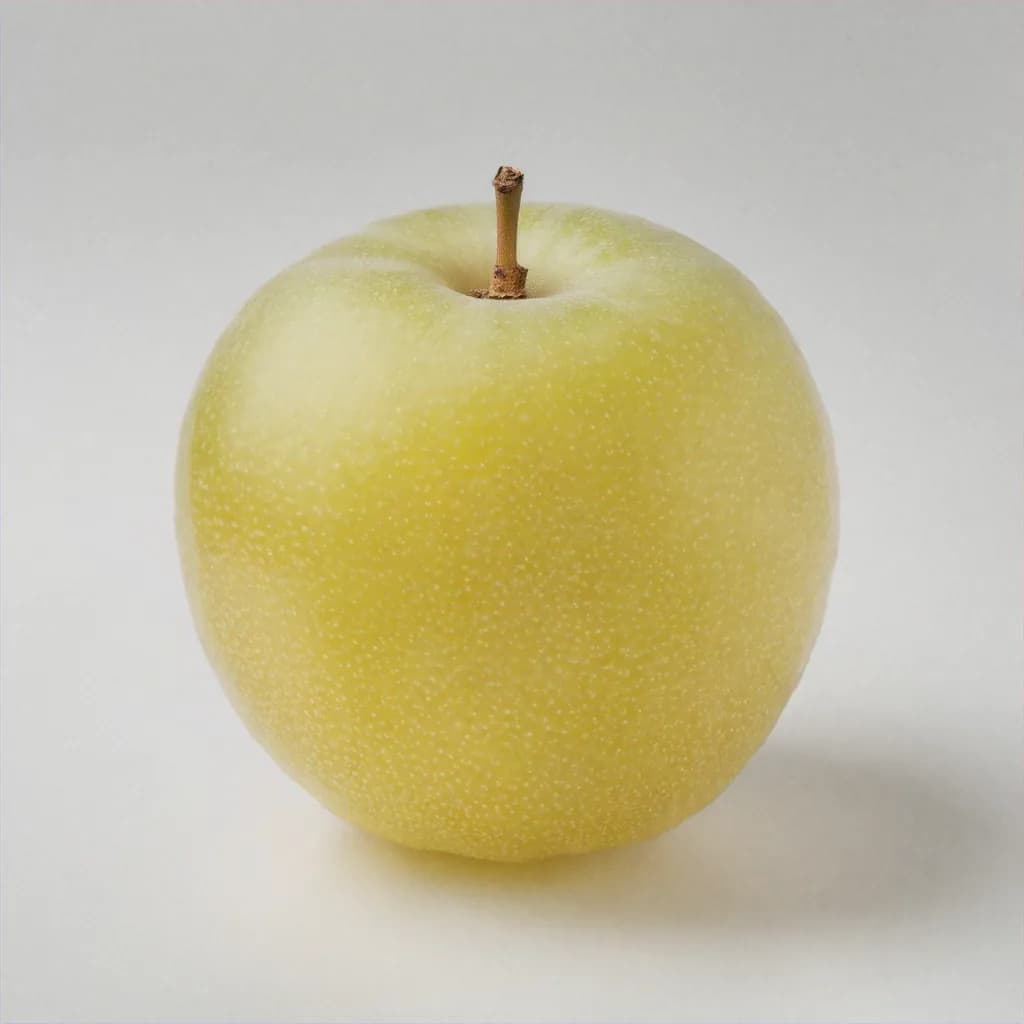
Piquiá - Main View
Per 100g
Per 100g
Nutrition breakdown for one serving
Amazon Rainforest
Piquiá has been a staple in Amazonian diets for centuries, valued for its nutritional content and versatility in cooking. It is deeply rooted in the cultural and culinary traditions of the region.
Year-round in tropical regions
Each variety offers unique flavors, textures, and culinary applications
Keep your fruit fresh and delicious for longer
Look for fruits with a firm, intact shell.
Avoid fruits with cracks or signs of mold.
Store whole fruits at room temperature for up to 5 days.
Refrigerate extracted pulp in an airtight container for up to 3 days.
Preserve freshness for months
Freeze the pulp in airtight containers or freezer bags for up to 6 months.
Thaw in the refrigerator before use.
Label frozen items with the date to track freshness. Most fruits maintain quality for 2-3 months when properly frozen. For best results, use airtight containers or freezer bags to prevent freezer burn.
Discover delicious possibilities
Allergic reactions to Piquiá are rare but possible. Individuals with nut allergies should exercise caution.
Piquiá is generally grown without heavy pesticide use, but it is advisable to wash the fruit thoroughly before consumption.
Surprising trivia you'll love!
Piquiá is often referred to as the 'Amazonian olive' due to its creamy texture and unique flavor.
The fruit is a significant part of the diet for many indigenous communities in the Amazon.
Piquiá has a creamy texture with a slight acidic tang, making it versatile for both savory and sweet dishes.
A ripe Piquiá will have a firm shell with no cracks or soft spots. The pulp inside should be yellow to orange in color.
Store whole fruits at room temperature for up to 5 days. Extracted pulp can be refrigerated for up to 3 days or frozen for longer storage.
Piquiá is commonly used in Amazonian stews, desserts like ice cream, and beverages such as smoothies and juices.
Yes, Piquiá is calorie-dense due to its high fat content, with approximately 340 calories per 100 grams.
Piquiá is rich in antioxidants, magnesium, iron, and healthy fats, offering benefits such as cell protection, improved nerve function, and heart health.
Yes, the pulp can be frozen in airtight containers or freezer bags for up to 6 months.
Sustainability insights
Piquiá is often harvested sustainably from wild trees in the Amazon, supporting biodiversity and local economies.
Low, as it is typically sourced locally in the Amazon region.
Minimal, as Piquiá trees are adapted to the natural rainfall of the rainforest.
Prefer locally sourced Piquiá for fresher taste and reduced environmental impact.
We aim to keep this Piquiá profile accurate and easy to understand. Nutrition values and % Daily Value figures are based on established reference databases and standard daily value guidance.
Last updated: October 7, 2026
Medical disclaimer
This page is for general educational purposes and does not replace professional medical advice.
Found an issue? Contact us.