Loading Fruit Details...
Please wait while we fetch nutritional information and health benefits
Please wait while we fetch nutritional information and health benefits
Recommended Products
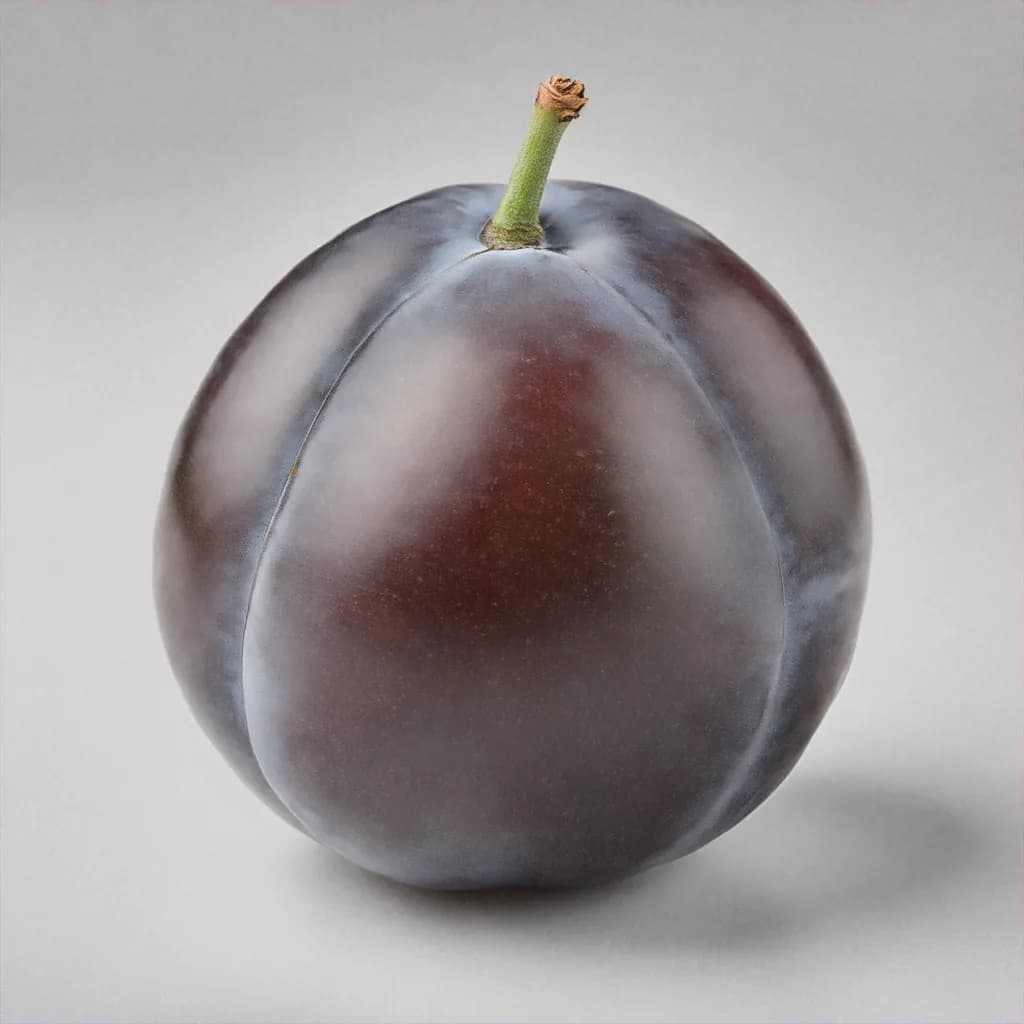
Spondias mombin
Hog plums are tropical stone fruits with distinctive tart-sweet flavor and golden-yellow color. Exceptional source of vitamin C (32% DV) supporting immune function and antioxidant defense. Rich in fiber (3.9g) supporting digestive health and regularity. Contains phenolic compounds with antioxidant and anti-inflammatory benefits. Low calorie (46 per 100g) ideal for weight management. High water content (85%) supporting hydration. Native to Central and South America, hog plums thrive in tropical climates providing versatile culinary applications with distinctive tropical flavor.
Explore Hog Plum in stunning detail
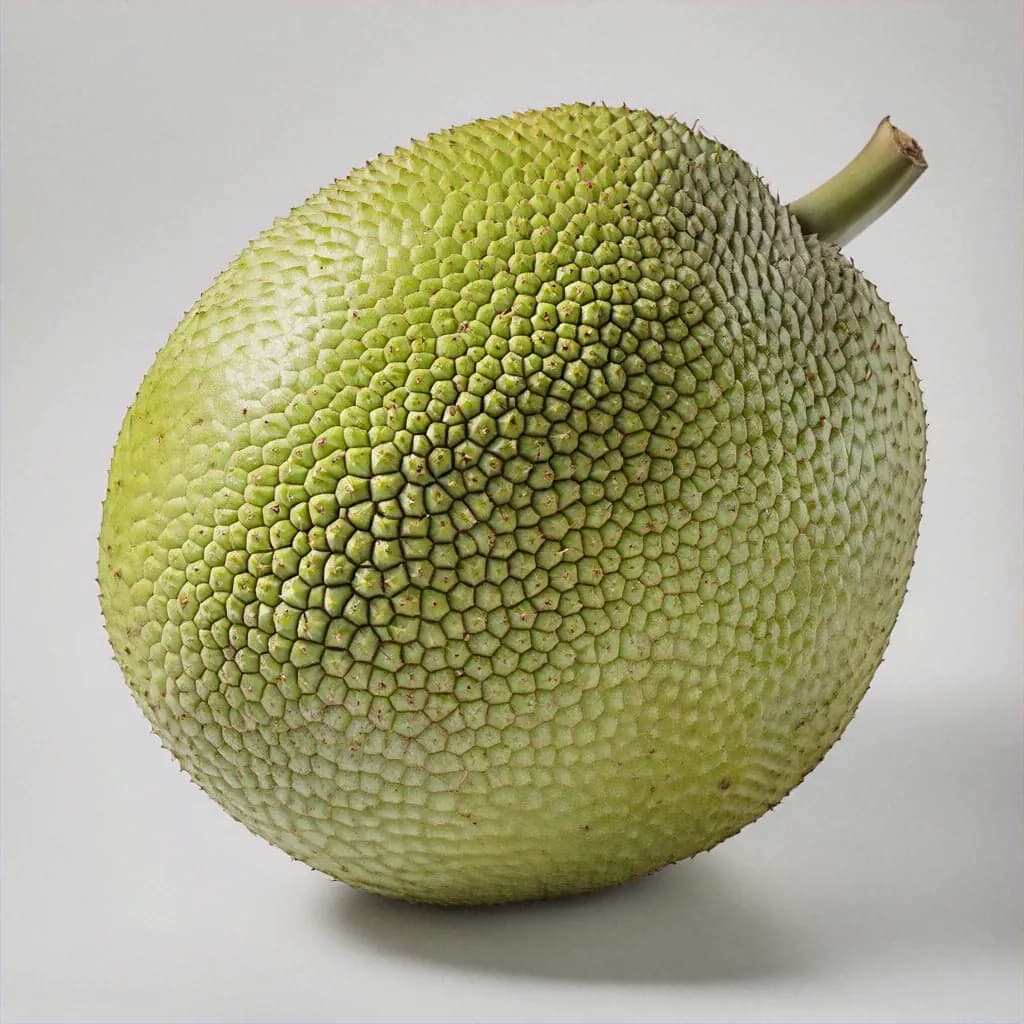
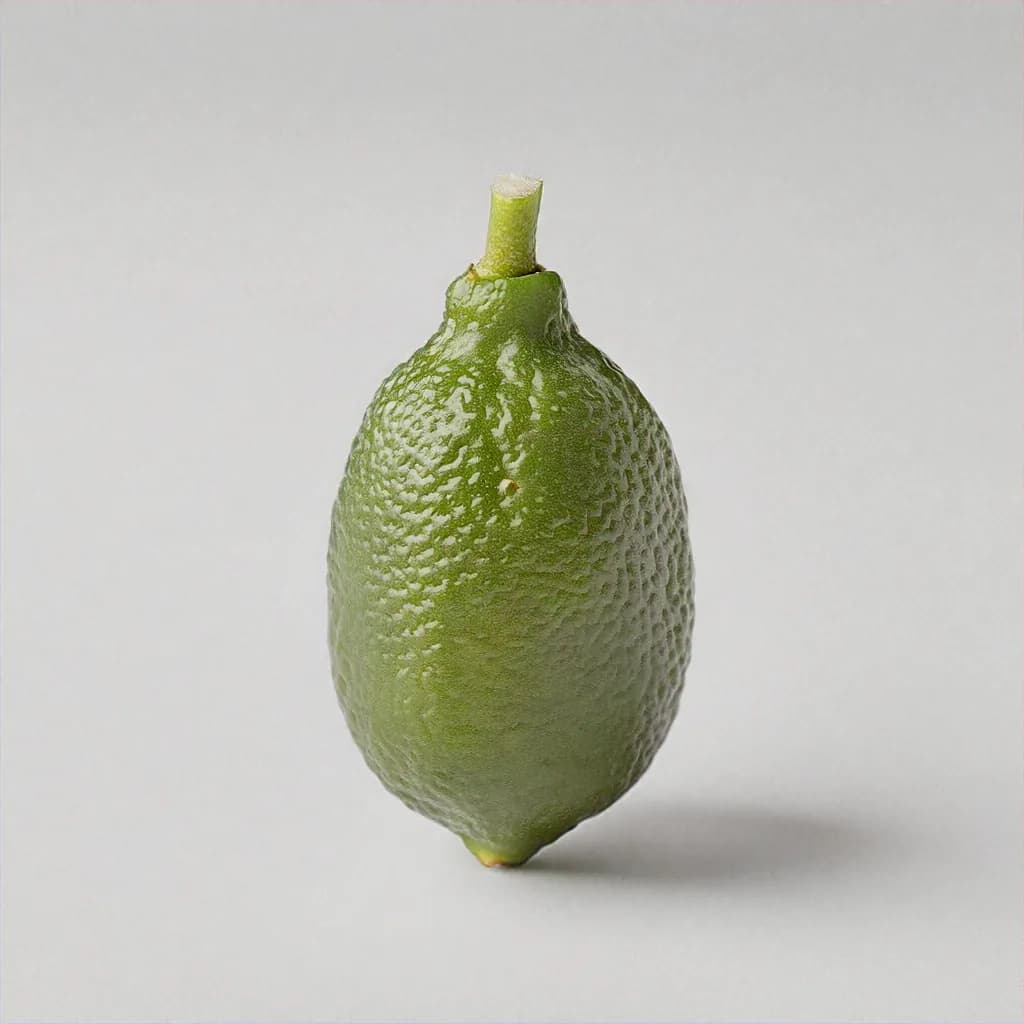
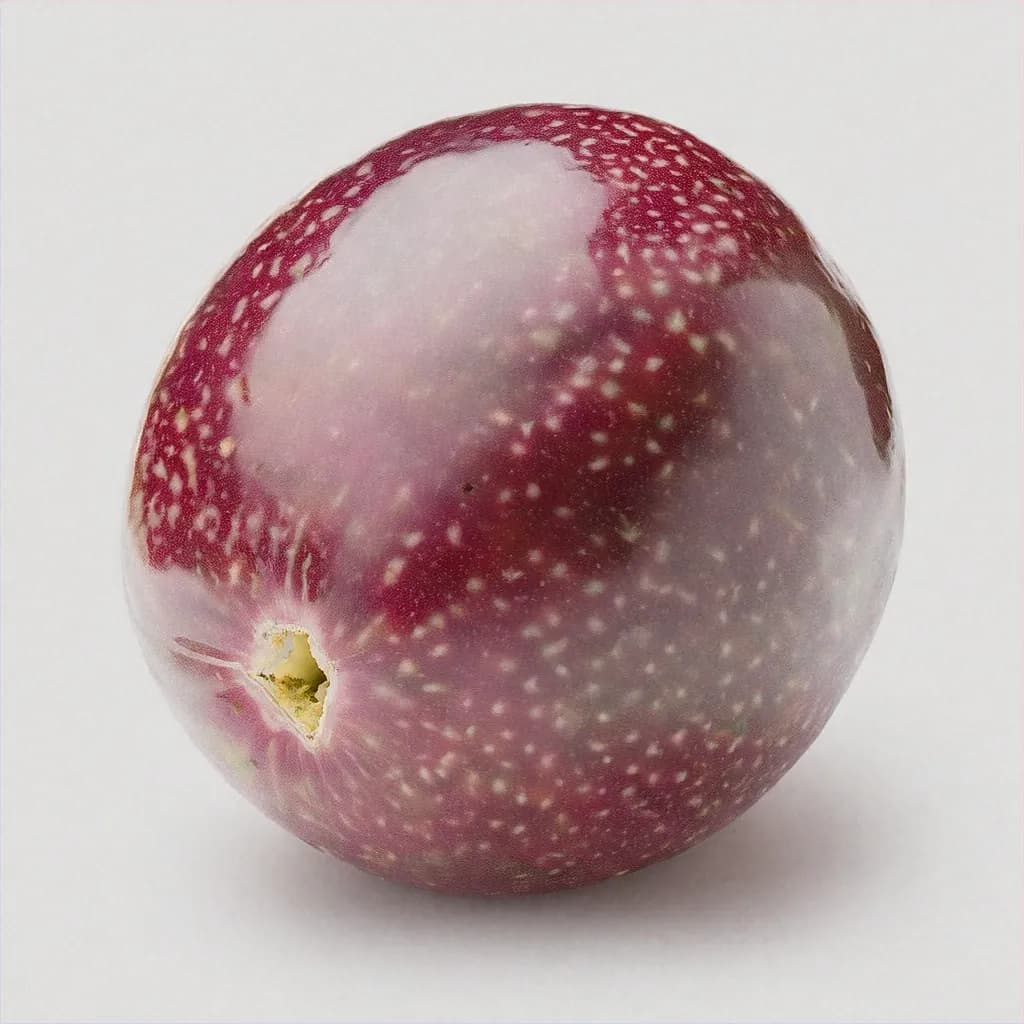
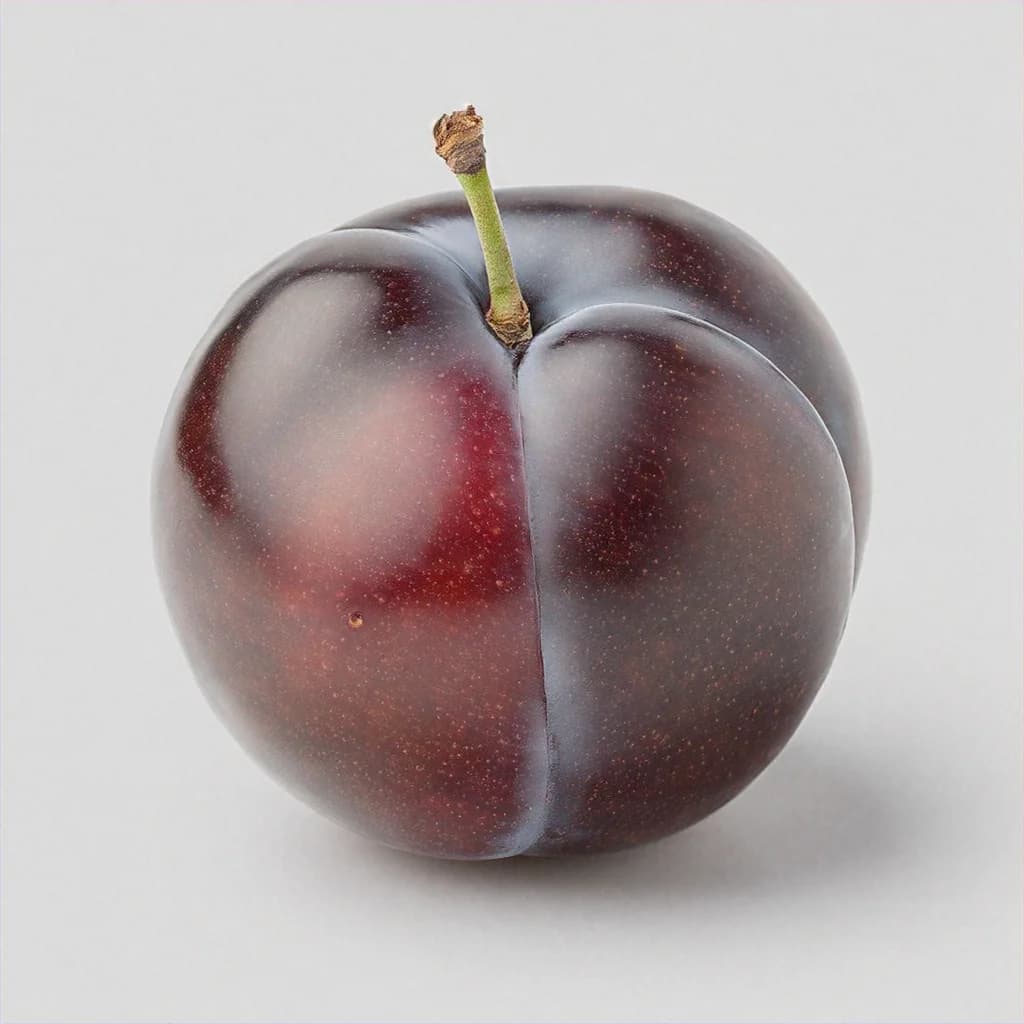
Hog Plum - Main View
Per 100g
Per 100g
Nutrition breakdown for one serving
Central America, South America, tropical Caribbean
Hog plums originated in Central and South America with pre-Columbian cultivation. Indigenous communities utilizing fruits for food and traditional medicine. Spanish conquistadors introducing fruits to Caribbean and West Africa. African cultivation expanding hog plums throughout tropical regions. Indian subcontinent adoption establishing commercial cultivation. Modern cultivation developing throughout tropical zones with increasing international recognition.
Peak season May-September in tropical regions
Each variety offers unique flavors, textures, and culinary applications
Keep your fruit fresh and delicious for longer
Select hog plums with golden-yellow color indicating ripeness
Choose firm fruits without bruising or soft spots
Look for plump, uniform size indicating quality
Avoid fruits with mold or discoloration
Fresh fruity aroma indicates optimal ripeness
Purchase during peak season May-September for best flavor
Source from tropical markets or specialty fruit suppliers
Refrigerate in sealed container 7-10 days
Keep in coolest section of refrigerator
Do not wash until ready to eat preventing moisture
Room temperature ripening 2-3 days if needed
Separate from ethylene-producing fruits
Can be frozen for 6-8 months maintaining quality
Preserve freshness for months
Hog plums freeze reasonably well for cooking applications
Maintain quality for 6-8 months when frozen properly
Use airtight containers or freezer bags
Thaw before consuming fresh or use directly in cooking
Frozen fruits ideal for juice and sauce preparation
Texture changes when frozen so best for cooking
Label frozen items with the date to track freshness. Most fruits maintain quality for 2-3 months when properly frozen. For best results, use airtight containers or freezer bags to prevent freezer burn.
Discover delicious possibilities
Hog plum allergies extremely rare with minimal documented cases. Tropical fruit allergies uncommon in general population. Allergic reactions very uncommon. Generally safe for most individuals. Those with severe tropical fruit allergies should consult allergist. Cross-reactivity with stone fruits possible but rare.
Hog plums cultivated with varying pesticide practices. Organic hog plums available from certified producers. Conventional fruits acceptable with normal washing. Tropical suppliers often emphasizing sustainable practices. Natural pest resistance in some growing regions.
Surprising trivia you'll love!
Hog plums originated in Central and South America with pre-Columbian cultivation by indigenous communities for thousands of years
Spanish conquistadors introduced hog plums to Caribbean islands establishing widespread tropical cultivation
Brazil produces majority of world's hog plums with cultivation expanding throughout tropical regions
Vitamin C content (32% DV) supports immune function rivaling many tropical citrus fruits
High fiber content (3.9g) supports digestive health while remaining low in calories (46 per 100g)
Golden-yellow color indicates ripeness and relates to tropical sunlight exposure during growing season
Traditional Caribbean and Central American cultures utilized hog plums for food security and natural medicine
High water content (85%) makes hog plums exceptionally hydrating tropical fruit perfect for hot climates
Hog plum juice served fresh or fermented provides traditional tropical beverage throughout growing regions
Multiple names across regions including 'mombin plum', 'golden apple', and 'hog apple' reflecting cultural diversity
Hog plums exceptional tropical fruits with comprehensive nutritional benefits supporting digestive wellness and overall health. VITAMIN C CONTENT: Vitamin C 32% DV providing substantial immune support. Antioxidant defense protecting cells from damage. Collagen synthesis support. Iron absorption enhancement. Combined with polyphenols creating synergistic antioxidant effect. FIBER BENEFITS: High fiber content (3.9g) supporting digestive health. Promotes healthy bowel movements and regularity. Prebiotic compounds supporting gut microbiome. Beneficial bacteria feeding fiber. Digestive comfort support. DIGESTIVE HEALTH: Traditional use supporting digestive function. Natural enzymes aiding digestion. Gentle on stomach. Anti-inflammatory compounds reducing digestive inflammation. Soothing properties supporting gut lining health. HYDRATION: High water content (85%) supporting cellular hydration. Electrolyte content supporting fluid balance. Low calorie hydrating snack. Summer consumption refreshing. Tropical climate adaptation. POLYPHENOL PROFILE: Phenolic compounds providing antioxidant protection. Anti-inflammatory benefits. Disease prevention support. Cellular health supporting. Chronic disease risk reduction. WEIGHT MANAGEMENT: Low calorie (46 per 100g) ideal for weight control. High fiber promoting satiety. Water content supporting fullness. Nutrient-dense despite low calories. Weight management support. BLOOD SUGAR: Moderate glycemic index (55) with low glycemic load (6). Suitable for blood sugar management. Fiber content moderating glucose response. Whole fruit consumption optimal. Balanced nutrition integration. CARDIOVASCULAR HEALTH: Potassium (5% DV) supporting heart function. Blood pressure regulation support. Antioxidants protecting cardiovascular tissue. Polyphenols supporting arterial health. Heart disease prevention. TRADITIONAL USE: Indigenous knowledge validating benefits. Traditional medicine applications. Digestive remedy support. Natural healing tradition. Cultural significance. PRACTICAL CONSUMPTION: Fresh fruit consumption optimal. Juice providing concentrated nutrients. Smoothies incorporating benefits. Desserts enhancing nutrition. Regular consumption building benefits. BOTTOM LINE: Hog plums exceptional tropical fruits with vitamin C, high fiber, polyphenols, hydrating water content, and traditional digestive benefits supporting immune function, digestive wellness, weight management, cardiovascular health, and overall nutrition through fresh consumption or culinary applications.
Hog plums versatile tropical ingredient with diverse recipe applications from fresh juices to gourmet desserts. FRESH JUICE: Simple juice extraction. Strain for pulp-free beverage. Serve chilled tropical refreshment. Natural sweetness without added sugar. Hydrating tropical drink. JUICE BLENDS: Combine with other tropical fruits. Mango and hog plum blend. Pineapple combination. Coconut juice pairing. Citrus enhancement. JAM AND PRESERVE: Traditional preserve making. Pectin content enabling gel formation. Sugar combination creating conserve. Bread topping spread. Yogurt mixing. MARMALADE: Hog plum marmalade classic preparation. Bitter-sweet flavor profile. Toast topping. Cheese pairing. Gourmet preserve. SAUCE PREPARATION: Fresh hog plum sauce. Cooking reduces tartness. Honey sweetening optional. Dessert topping. Savory dish glaze. TROPICAL SALAD: Fresh hog plum salad component. Mixed greens combination. Citrus dressing pairing. Walnut addition. Cheese inclusion. COCKTAILS: Rum-based hog plum drinks. Tropical cocktail foundation. Margarita variation. Punch preparation. Party beverage. SMOOTHIE BOWLS: Blended hog plum base. Granola topping. Coconut flakes. Honey drizzle. Superfruit breakfast. DESSERT TOPPINGS: Ice cream topping fresh fruits. Cake decoration. Pastry filling. Pudding topping. Premium presentation. COMPOTE: Gentle cooking preserving flavor. Warm dessert preparation. Pancake topping. Waffle accompaniment. Yogurt swirl. ROASTING: Caramelization bringing out sweetness. Baking application. Flavor intensification. Texture modification. PICKLING: Spiced hog plum preserves. Vinegar preservation. Sweet-spicy profile. Accompaniment to meals. Condiment application. BASIC JUICE RECIPE: Hog plums 2 pounds, water 1 cup, honey 2 tablespoons, lime juice 1 tablespoon, blend and strain for smooth juice. BASIC JAM RECIPE: Hog plums 3 pounds, sugar 2 pounds, lemon juice 2 tablespoons, simmer 45 minutes until set, jar and refrigerate. STORAGE: Jams lasting 1 year refrigerated. Frozen preparations lasting 6-8 months. Sauces lasting 2 weeks refrigerated. Juice best consumed within 2-3 days. BOTTOM LINE: Hog plums versatile tropical ingredient with juice preparation, jam making, sauce creation, salad incorporation, cocktail applications, smoothie bowl use, dessert toppings, and traditional beverage preparation supporting diverse tropical recipes from refreshing summer drinks to gourmet desserts.
Hog plums safe and nutritious for children supporting immune development, digestive health, and hydration. NUTRITIONAL BENEFITS: Vitamin C (32% DV) exceptional support for immune system development. Fiber (3.9g) supports digestive health and regular bowel function. Low calorie (46 per 100g) supporting healthy growth. Hydrating properties ideal for active children. Micronutrients supporting development. LOW ALLERGEN: Tropical fruit allergies uncommon in children. Hog plum allergies extremely rare. Generally well-tolerated when introduced. Severe allergic reactions very rare. Safe introduction for most children. INTRODUCTION GUIDELINES: Introduce gradually starting with small quantities. Begin with small amount observing reactions. Increase quantity as child demonstrates tolerance. Watch for any unusual reactions initially. Supervise first consumptions. PREPARATION FOR CHILDREN: Soft texture easy for children to consume. Stone requires removal for safety. No choking hazard with proper preparation. Age-appropriate for all children. Simple consumption requiring minimal prep. FLAVOR APPEAL: Sweet-tart flavor introducing diverse tastes. Tropical flavor encouraging exploration. Fresh brightness appealing to children. Unique fruit experience. Novel fruit supporting nutritional variety. PORTION SIZES: Young children - 1/2 medium fruit (50g) daily. Older children - 1-2 medium fruits (100-200g) daily. Include with balanced diet. Supplement with water consumption. DEVELOPMENT SUPPORT: Vitamin C supports immune development and collagen formation. Fiber supports digestive system development. Polyphenols support cellular health. Micronutrients supporting growth. Vision-supporting compounds. IMMUNE SUPPORT: Vitamin C strengthens immune response. Polyphenols support immune function. Antioxidants protect immune cells. Disease prevention supported. Natural immunity enhancement. DIGESTIVE HEALTH: Fiber supports healthy digestion and regularity. Natural fruit supporting digestive wellness. Smooth digestion well-tolerated. Gut health development important. Prebiotic properties supporting beneficial bacteria. HYDRATION: High water content (85%) supports hydration. Electrolytes supporting fluid balance. Summer fruit refreshment. Active children needs. Natural hydrating food. PRACTICAL TIPS: Introduce as favorite tropical fruit. Involve children in juice preparation. Serve as dessert or snack. Pack in lunch boxes - portable fruit. Make tropical smoothies together. TEXTURE APPEAL: Soft texture appealing to children. Easy consumption after stone removal. Low preparation needs. Non-threatening format. Fun factor encouraging consumption. BOTTOM LINE: Hog plums safe and nutritious for children supporting immune development, digestive health, hydration, and growth through vitamin C, fiber, polyphenols, and hydrating water content with soft texture and tropical appeal encouraging healthy eating and nutritional variety exploration.
Hog plums exceptional cultural significance reflecting Central American, South American, and Caribbean heritage spanning centuries. INDIGENOUS ORIGINS: Hog plums originated in Central and South America. Pre-Columbian cultivation by indigenous peoples. Traditional food source providing nutrition. Indigenous knowledge documenting uses. Traditional medicine applications. Cultural significance in regional traditions. MESOAMERICAN HERITAGE: Maya and Aztec cultivation documented. Indigenous agricultural systems. Food security support. Traditional preparation methods. Cultural food traditions. CARIBBEAN ADOPTION: Spanish colonization introducing hog plums to Caribbean islands. Jamaican cultivation expanding. Trinidad and Tobago adoption. Dominican Republic cultivation. Puerto Rican traditions. Regional culinary integration. BRAZILIAN SIGNIFICANCE: Brazil major producer and cultural center. Tropical agricultural development. Local market prevalence. Regional cuisine integration. Commercial production expanding. TRADITIONAL MEDICINE: Indigenous healing traditions utilizing hog plums. Digestive support remedies. Tropical medicine applications. Natural healing practices. Traditional knowledge preservation. CULINARY TRADITIONS: Caribbean cuisine incorporating hog plums. Tropical fruit market staple. Juice and beverage preparation traditional. Jam and preserve making. Festival and celebration foods. AFRICAN DIASPORA: Slave trade introducing hog plums to West Africa. African cultivation developing. Regional cuisine adoption. Food security contribution. Cultural fusion. SOUTHEAST ASIAN INTEGRATION: Indian subcontinent adoption. Commercial cultivation expanding. Regional market development. Culinary tradition integration. GLOBAL RECOGNITION: Emerging superfruit status. International culinary interest. Health-conscious consumer adoption. Tropical fruit marketing. SUSTAINABILITY APPEAL: Tropical native reducing transportation in regions. Local cultivation environmental benefit. Traditional sustainable practices. NUTRITIONAL SCIENCE: Vitamin C research validating benefits. Antioxidant studies. Health benefit documentation. Scientific credibility. MARKET DEVELOPMENT: Specialty market availability increasing. Premium tropical fruit positioning. International trade expansion. CULTURAL PRIDE: Caribbean communities maintaining traditions. Tropical heritage celebration. Indigenous knowledge respect. Festival and celebration significance. CULINARY TOURISM: Farm visits and tropical tours. Culinary experience offerings. Educational opportunities. Cultural exchange. BOTTOM LINE: Hog plums exceptional cultural significance reflecting pre-Columbian Central and South American origins through indigenous traditions, Spanish colonial expansion, Caribbean regional integration, African diaspora adoption, Brazilian commercial development, Southeast Asian cultivation, traditional medicine practices, Caribbean and tropical culinary integration, and emerging global recognition supporting market development and cultural heritage preservation.
Sustainability insights
Hog plum cultivation represents tropical agricultural practice with environmental implications. Benefits include native tropical tree reducing cultivation modification needs, potential agroforestry integration with native species, and traditional sustainable practices. Challenges include tropical deforestation in some regions, pesticide use in conventional cultivation, and long-distance transportation carbon footprint. Sustainable practices include organic farming, native agroforestry, water conservation, and fair trade certification supporting tropical regions.
Hog plum carbon footprint varies by cultivation region and transportation method. Tropical cultivation enabling local production in growing regions reducing relative transportation. Long-distance international shipping increasing carbon impact. Processing into juices and preserves adding emissions. Organic cultivation reducing overall environmental footprint. Regional sourcing significantly reducing footprint versus imported alternatives.
Hog plum cultivation requires moderate water with tropical rainfall providing primary source. Tropical climate natural precipitation abundant. Supplemental irrigation as needed in dry periods. Reasonable water requirements for tropical regions. Sustainable water practices possible. Established trees accessing deeper moisture.
Supporting tropical region hog plum producers maximizes environmental benefit. Local cultivation in tropical regions reducing transportation emissions. Organic and sustainable farming preferred. Seasonal purchasing when available. Local processing reducing carbon footprint. Supporting tropical agricultural communities. BEST PRACTICES: Choose locally-grown hog plums, support organic producers, source from fair-trade suppliers, purchase seasonally when available, minimize processing and packaging.
We aim to keep this Hog Plum profile accurate and easy to understand. Nutrition values and % Daily Value figures are based on established reference databases and standard daily value guidance.
Last updated: August 28, 2026
Medical disclaimer
This page is for general educational purposes and does not replace professional medical advice.
Found an issue? Contact us.