Loading Fruit Details...
Please wait while we fetch nutritional information and health benefits
Please wait while we fetch nutritional information and health benefits
Recommended Products
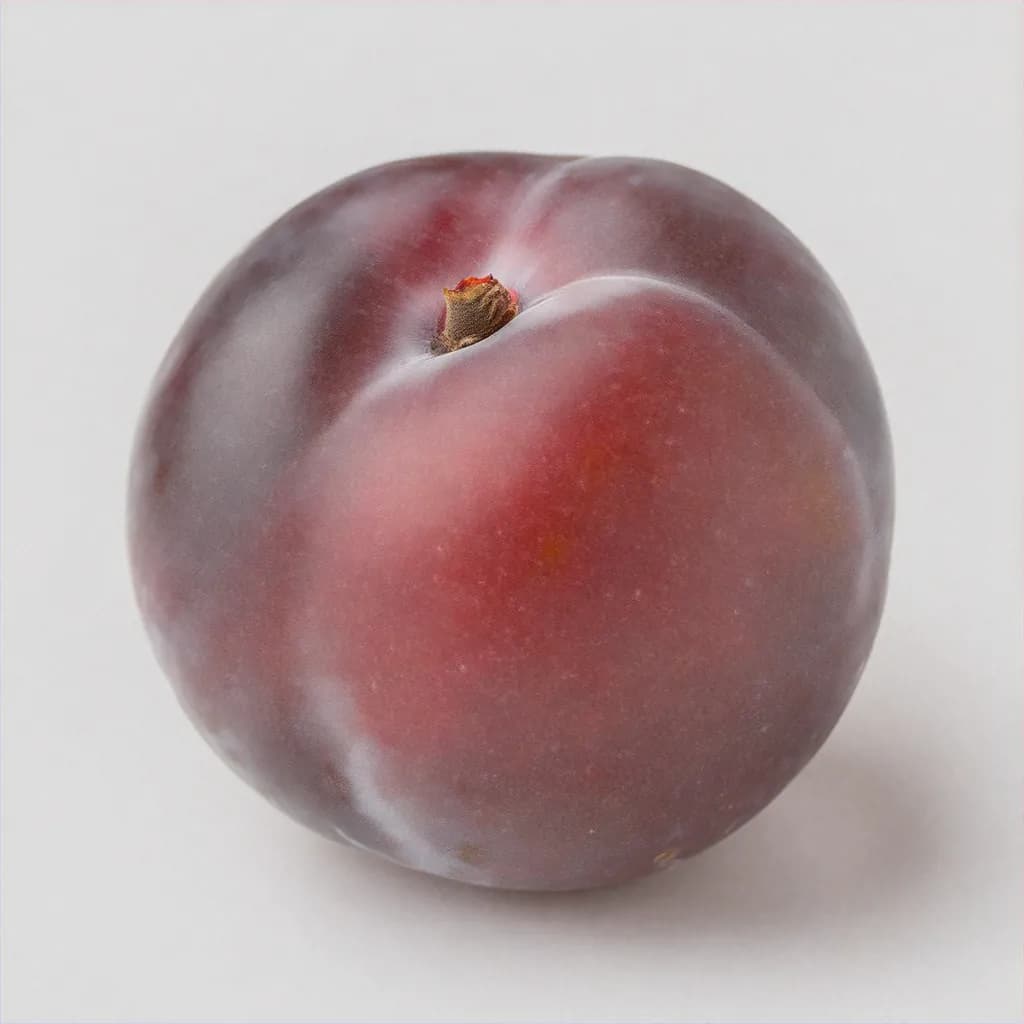
Prunus salicina × Prunus armeniaca
Pluot is a premium hybrid stone fruit that combines the juiciness of plum with the sweetness and aroma of apricot. Known for its exceptionally high natural sugar content, vibrant skin colors, and intensely flavorful flesh, pluot delivers a dessert-like eating experience with valuable nutrition. Rich in vitamin C, vitamin A (beta-carotene), potassium, and protective polyphenols, pluot supports immune health, skin vitality, and antioxidant defense. With approximately 46 calories per 100g, good fiber content, and a low-to-moderate glycemic load, pluot is prized in modern wellness nutrition, gourmet fruit markets, and seasonal fresh snacking.
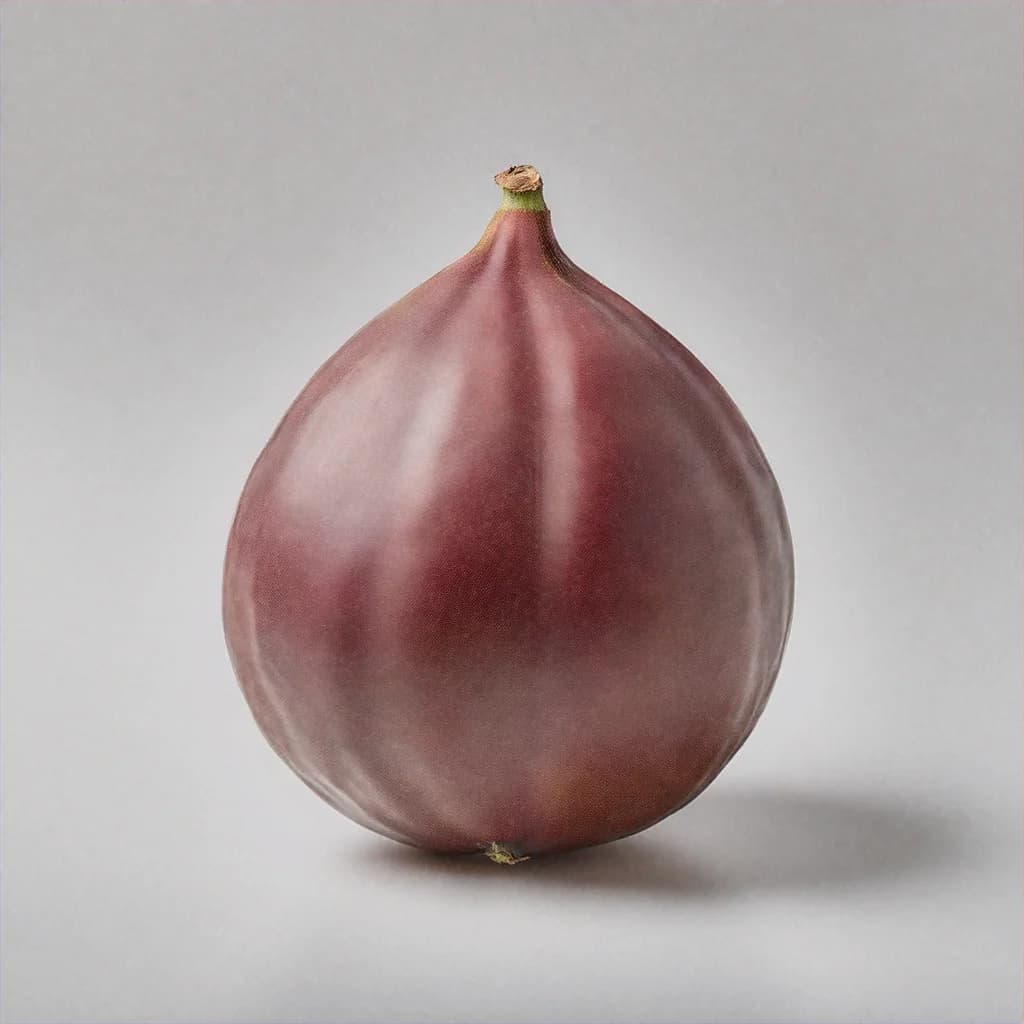
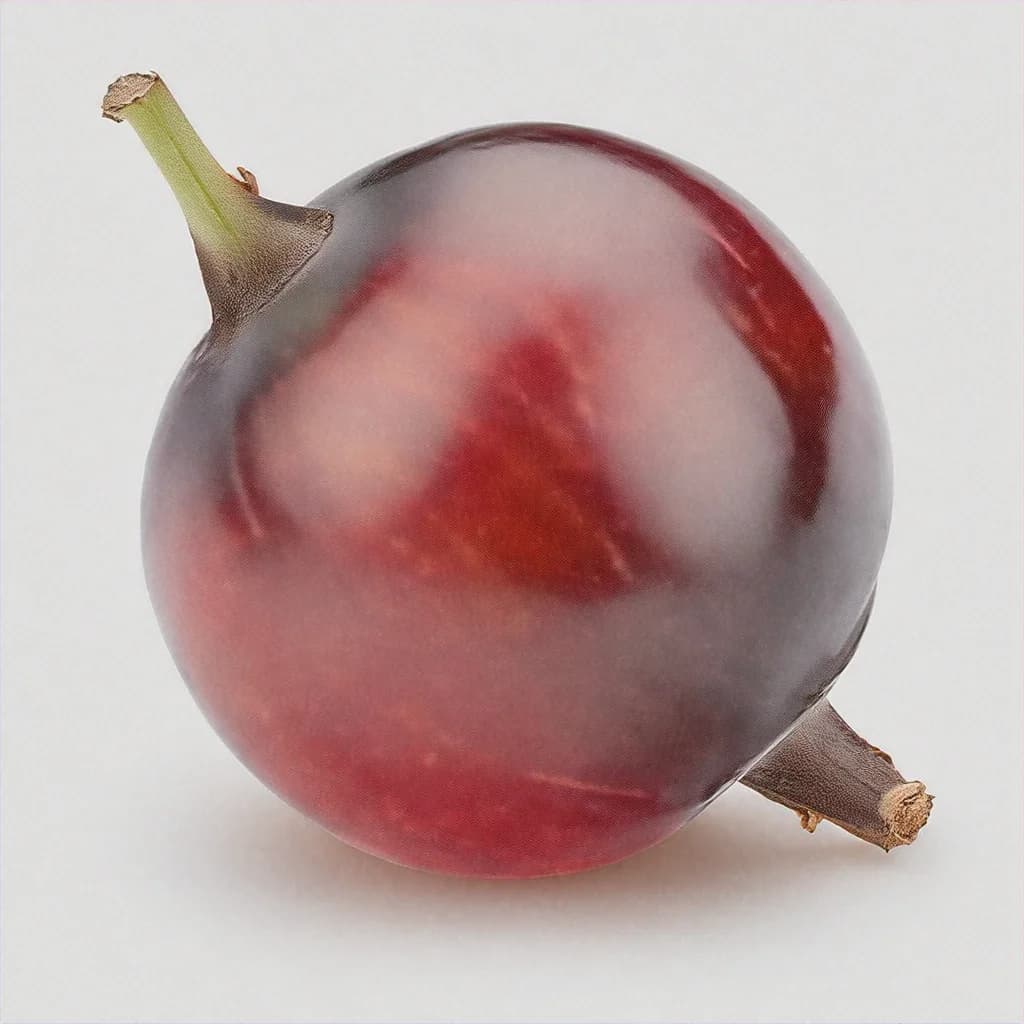
Explore Pluot in stunning detail
Pluot - Main View
Per 100g
Per 100g
Nutrition breakdown for one serving
United States (California)
Pluot is a modern hybrid fruit developed in California in the late 20th century by horticulturist Floyd Zaiger. Genetically closer to plum than apricot, pluots are known for their extreme sweetness, smooth skin, and vibrant interior colors. They are protected cultivars primarily grown for premium fresh fruit markets and are now enjoyed worldwide during summer months.
Late May to September
Each variety offers unique flavors, textures, and culinary applications
Keep your fruit fresh and delicious for longer
Select pluots with vibrant color and slight softness
Fruits should feel heavy for their size
Avoid wrinkled skin or bruises
A fragrant aroma indicates ripeness
Ripen pluots at room temperature
Refrigerate ripe pluots to extend freshness
Store unwashed until ready to eat
Consume within a few days for peak flavor
Preserve freshness for months
Slice and remove pit before freezing
Freeze slices on a tray before storing
Use frozen pluots in smoothies or baking
Quality maintained for up to 3 months
Label frozen items with the date to track freshness. Most fruits maintain quality for 2-3 months when properly frozen. For best results, use airtight containers or freezer bags to prevent freezer burn.
Discover delicious possibilities
Stone fruit allergies are possible but uncommon
Wash thoroughly before consumption; organic options preferred
Surprising trivia you'll love!
Pluots are genetically about 75% plum and 25% apricot
They are often sweeter than either parent fruit
Pluots come in dozens of color combinations
Most pluots are grown in California
Pluots have smooth, edible skin with no fuzz
Pluot is a hybrid fruit created by crossing plum and apricot, genetically closer to plum and known for its intense sweetness and juiciness.
Yes, pluot provides vitamin C, antioxidants, fiber, and potassium while being relatively low in calories.
Pluots are extremely sweet, juicy, and aromatic with a flavor closer to plum than apricot.
Yes, pluots are developed through traditional cross-breeding and are not genetically modified.
Pluots have more plum genetics and smoother skin, while apriums have more apricot traits and fuzzier skin.
Yes, their dietary fiber helps support digestion and bowel regularity.
Yes, pluot skin is edible and contains beneficial antioxidants.
Pluots are typically available from late spring through summer.
Yes, they are low in calories and high in fiber, helping promote fullness.
Yes, pluots are most commonly eaten fresh when ripe.
Yes, pluots work well in salads, desserts, jams, and baked goods.
Ripe pluots should be refrigerated and consumed within a few days.
Yes, like plums and apricots, pluots contain a single pit.
Pluots were developed in California through specialized hybrid breeding programs.
Sustainability insights
Pluot cultivation supports orchard-based agriculture with seasonal harvesting
Lower when consumed locally during peak season
Moderate irrigation requirement
Locally grown pluots have reduced environmental impact
We aim to keep this Pluot profile accurate and easy to understand. Nutrition values and % Daily Value figures are based on established reference databases and standard daily value guidance.
Last updated: September 18, 2026
Medical disclaimer
This page is for general educational purposes and does not replace professional medical advice.
Found an issue? Contact us.