Loading Fruit Details...
Please wait while we fetch nutritional information and health benefits
Please wait while we fetch nutritional information and health benefits
Recommended Products
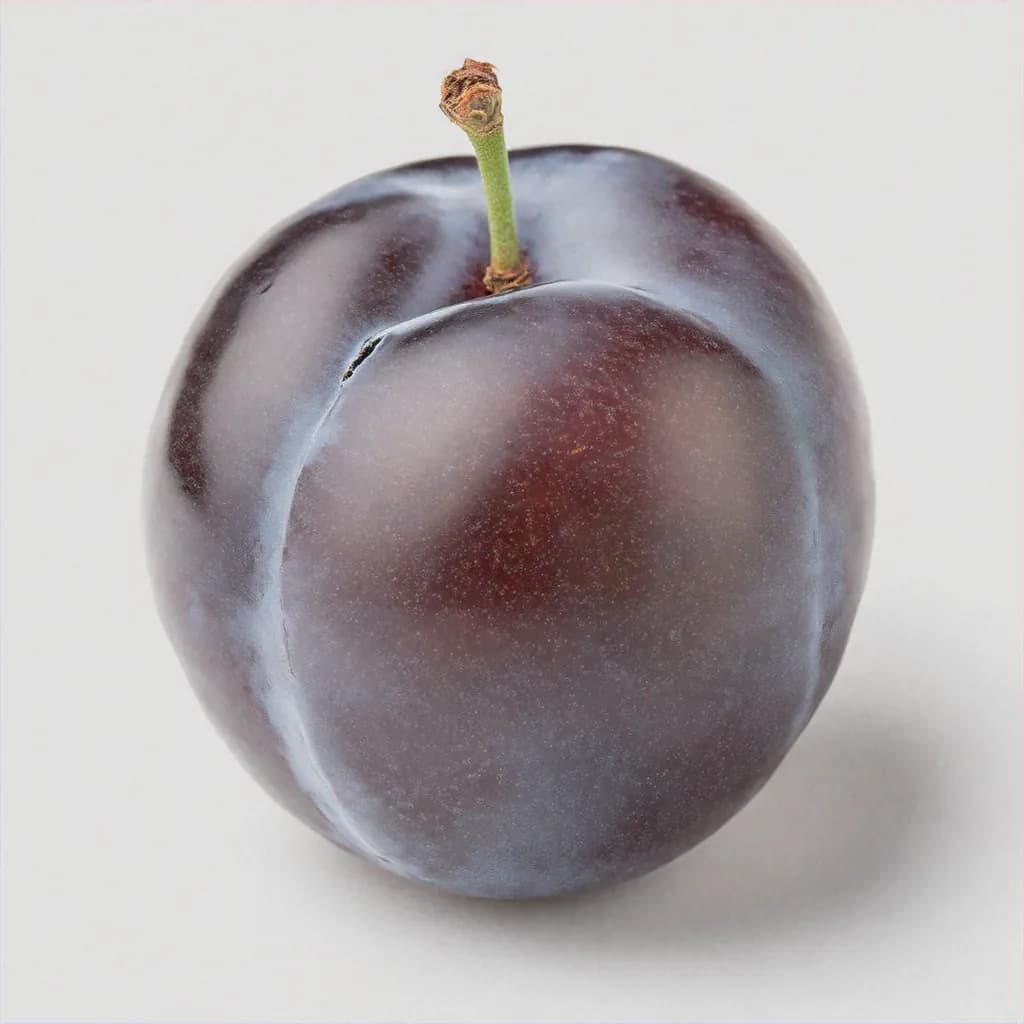
Davidsonia jerseyana
Davidson plum is a rare Australian rainforest superfruit celebrated for its intense tart flavor, deep purple color, and exceptional antioxidant density. Native to eastern Australia, Davidson plum delivers high vitamin C (50% DV per 100g), outstanding anthocyanins, and powerful polyphenols that support immune health, cardiovascular function, and cellular protection. With low sugar, moderate fiber, and a very low glycemic load, Davidson plum is widely used in functional foods, gourmet cuisine, sauces, and wellness formulations. Ideal for antioxidant support, metabolic health, and inflammation management.
Explore Davidson Plum in stunning detail
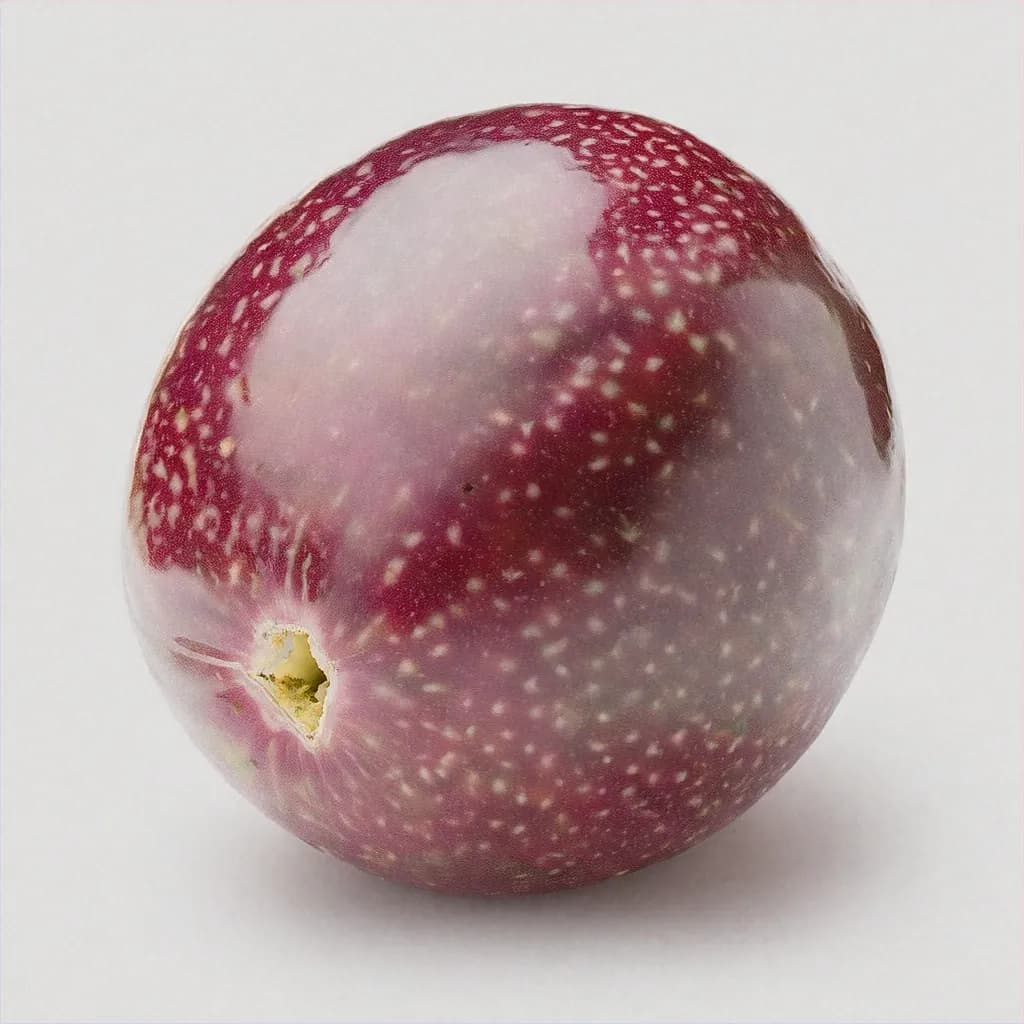
Davidson Plum - Main View
Per 100g
Per 100g
Nutrition breakdown for one serving
Eastern Australia (Queensland and New South Wales rainforests)
Davidson plum has long been consumed by Indigenous Australians for its nutritional and medicinal value. Traditionally used fresh or cooked into pastes, it later gained attention from chefs for its intense color and sharp flavor. Today, it is cultivated sustainably and valued in gourmet foods, nutraceuticals, and antioxidant-rich formulations.
Harvested January–April
Each variety offers unique flavors, textures, and culinary applications
Keep your fruit fresh and delicious for longer
Choose deep purple fruits with firm skin
Avoid shriveled or moldy plums
Frozen pulp should be vibrant in color
Refrigerate fresh fruit immediately
Use within a few days of harvest
Frozen pulp stores best for long-term use
Preserve freshness for months
Freeze pulp or whole fruit
Frozen Davidson plum lasts up to 12 months
Ideal for sauces and smoothies
Label frozen items with the date to track freshness. Most fruits maintain quality for 2-3 months when properly frozen. For best results, use airtight containers or freezer bags to prevent freezer burn.
Discover delicious possibilities
Allergic reactions are rare.
Most Davidson plums are wild-harvested or sustainably farmed.
Surprising trivia you'll love!
Davidson plum is native only to Australian rainforests
Its deep purple color comes from high anthocyanin levels
Widely used by gourmet chefs despite being little known globally
Often compared to sour cherry in culinary use
Davidson plum has an intensely tart, sour flavor, making it unsuitable for raw eating but ideal for cooking, sauces, and desserts.
Yes, Davidson plum is rich in antioxidants, vitamin C, and anthocyanins that support immune health, heart health, and cellular protection.
No, Davidson plum is low in natural sugars and has a low glycemic load, making it suitable for balanced diets.
Davidson plum is technically edible raw but extremely sour, so it is typically cooked or processed.
Yes, Davidson plum contains anthocyanins and polyphenols that support cardiovascular health by reducing oxidative stress and supporting healthy blood vessels.
Yes, the polyphenols and flavonoids in Davidson plum have anti-inflammatory properties that may help reduce chronic inflammation in the body.
Yes, Davidson plum has low natural sugar content and a low glycemic load, making it suitable for people with diabetes when consumed in moderation.
Davidson plum is naturally high in organic acids, which give it an intensely tart flavor. This acidity also contributes to its antioxidant and preservative qualities.
Yes, due to its high antioxidant and vitamin C content, Davidson plum is increasingly used in natural skincare products to support skin protection and anti-aging.
Davidson plum has traditionally been used by Indigenous Australians in cooked forms such as pastes and sauces, and today it is widely used in gourmet cooking and functional foods.
Sustainability insights
Cultivation supports native Australian biodiversity and rainforest conservation.
Low when sourced locally
Moderate rainfall-dependent cultivation
Best sourced from Australian producers
We aim to keep this Davidson Plum profile accurate and easy to understand. Nutrition values and % Daily Value figures are based on established reference databases and standard daily value guidance.
Last updated: September 10, 2026
Medical disclaimer
This page is for general educational purposes and does not replace professional medical advice.
Found an issue? Contact us.
.webp&w=3840&q=75)