Loading Fruit Details...
Please wait while we fetch nutritional information and health benefits
Please wait while we fetch nutritional information and health benefits
Recommended Products
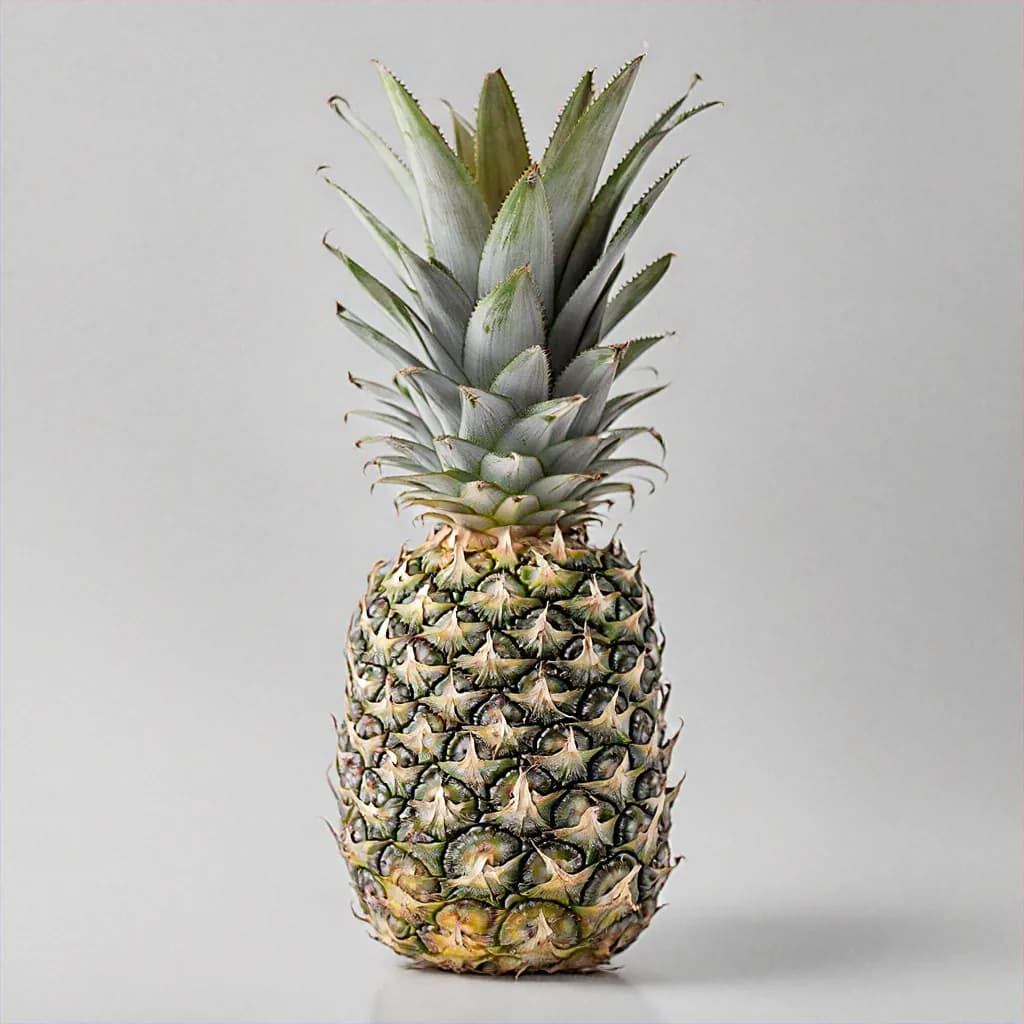
Ananas comosus
A tropical, spiny fruit known for its vibrant yellow flesh, intense sweetness, and unique tangy flavor. Pineapples are the only known source in nature of the enzyme bromelain, making them a digestive powerhouse. Symbolizing hospitality and warmth, this composite fruit (technically a cluster of berries) is a refreshing staple in cuisines ranging from Asian stir-frys to Caribbean desserts.
Explore Pineapple in stunning detail
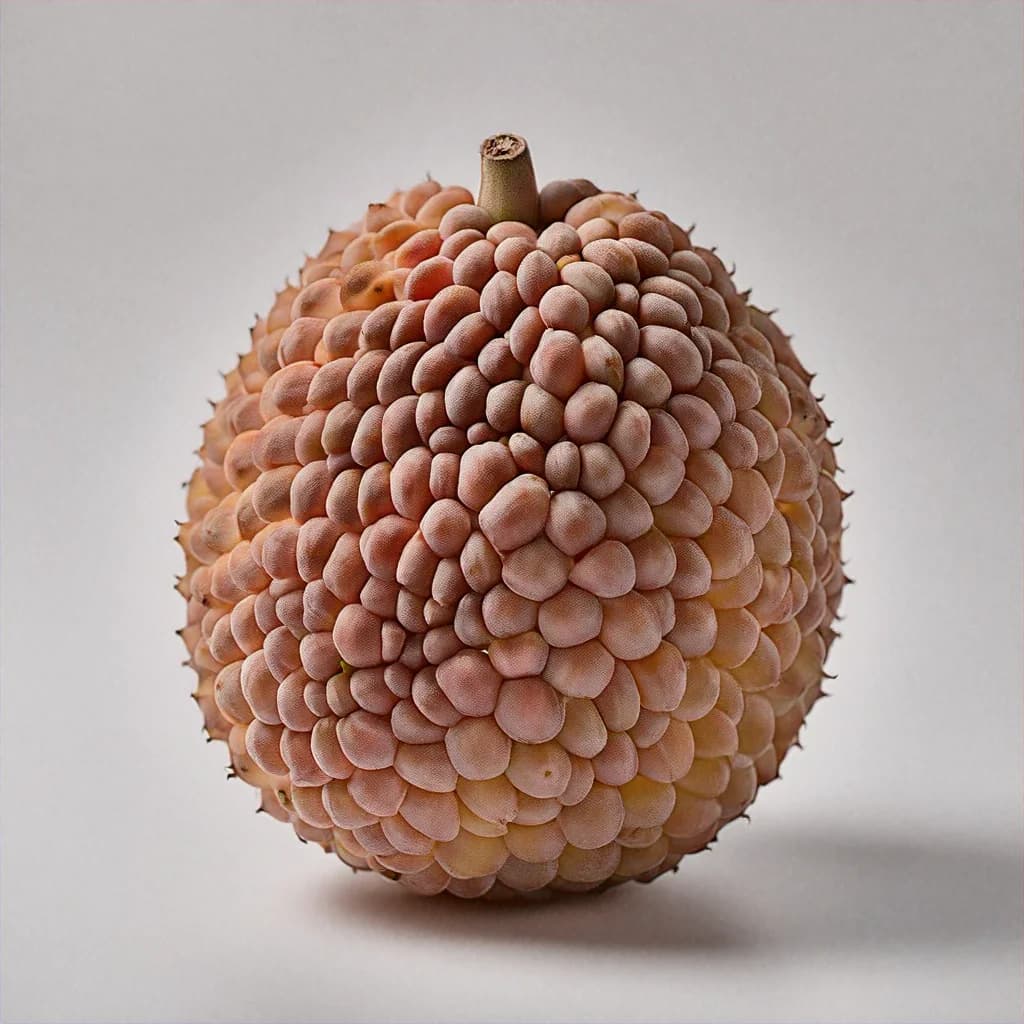
Pineapple - Main View
Pineapple - View 1
Per 100g
Per 100g
Nutrition breakdown for one serving
South America (Paraguay and Brazil)
Pineapples originated in the Paraná-Paraguay River drainage between southern Brazil and Paraguay. Indigenous peoples domesticated them and spread them throughout South and Central America. Columbus encountered them in Guadeloupe in 1493 and brought them back to Spain. The name 'pineapple' comes from 17th-century European explorers who thought the fruit looked like a pinecone but tasted like an apple (flesh).
Available year-round, peak season March to July
Each variety offers unique flavors, textures, and culinary applications
Keep your fruit fresh and delicious for longer
Smell the base; it should have a sweet, fresh pineapple aroma
Look for fresh, green leaves (avoid dry or brown crowns)
Choose a fruit that feels heavy for its size (indicates juice)
Squeeze gently; it should have a slight give but not be mushy
Avoid fruit with soft spots, dark eyes, or fermented (vinegar) smell
Don't rely solely on color; a green pineapple can still be ripe
The 'leaf pull' test is a myth and not a reliable indicator of ripeness
Store at room temperature for 1-2 days to soften slightly (won't get sweeter)
Refrigerate whole pineapples for 3-5 days to keep fresh
Once cut, store in an airtight container in the fridge
Keep cut pineapple submerged in its own juice to retain flavor
Store away from raw meat to prevent enzymatic activity on the meat
Preserve freshness for months
Core and cut into chunks
Flash freeze on a baking sheet before bagging to prevent clumping
Freeze for up to 12 months
Ideal for smoothies as frozen chunks act as flavorful ice cubes
Label frozen items with the date to track freshness. Most fruits maintain quality for 2-3 months when properly frozen. For best results, use airtight containers or freezer bags to prevent freezer burn.
Discover delicious possibilities
Pineapple allergy is less common but can occur. It is often linked to Latex-Fruit Syndrome; people allergic to latex may also react to pineapple, avocado, and bananas due to similar protein structures.
Pineapples generally have low pesticide residues in the edible flesh because of their thick, protective skin. They are often on the 'Clean Fifteen' list, meaning buying organic is less critical than for apples.
Surprising trivia you'll love!
A pineapple is not a single fruit, but a cluster of hundreds of berries fused together
Pineapples take 18 to 24 months to grow and mature
Each pineapple plant produces only one fruit at a time
In the 18th century, pineapples were so expensive and rare they were rented out for parties as a status symbol
Pineapples ripen faster upside down (helps sugars distribute)
The world's largest pineapple weighed over 17 pounds (8kg)
Hawaii was once the world's largest producer, but now produces less than 2%
You can make fabric from pineapple leaves (Piña cloth, traditional in the Philippines)
Pollination by hummingbirds is forbidden in Hawaii to prevent seed formation
The enzymes in pineapple are used in medicine to debride burns
It is scientifically a 'sorosis' fruit
SpongeBob SquarePants lives in one
This sensation is caused by bromelain, an enzyme that digests protein. Essentially, while you eat the pineapple, the pineapple is 'eating' the tender layer of cells in your mouth. This is temporary and harmless. To prevent it, you can grill the pineapple (heat destroys the enzyme) or eat it with a dairy product like yogurt, which gives the enzyme something else to act on.
Pineapples do not ripen (get sweeter) after they are harvested, though they may soften and change color. The best indicator is smell—sniff the bottom of the fruit; it should smell sweet and fragrant. If it has no smell, it's not ready or lacks flavor. If it smells fermented or like vinegar, it's overripe. A slight give when squeezed is also a good sign.
Yes, the core is edible and very nutritious. It is harder and more fibrous than the flesh, but it contains the highest concentration of bromelain. You can slice it very thinly to eat raw, blend it into smoothies where the texture won't be noticed, or use it to flavor water.
Canned pineapple retains many vitamins and minerals, but the heat processing destroys the bromelain enzyme. Additionally, canned pineapple is often packed in heavy syrup, which adds significant added sugar. If buying canned, look for options packed in 100% juice or water to minimize sugar intake.
Twist or cut off the crown (top) and slice off the base. Stand the fruit up and slice off the skin in downward strips, following the curve of the fruit. Remove the 'eyes' (brown spots) using a small paring knife or by making diagonal V-shaped cuts. Slice the fruit into rounds or quarters, and remove the tough core if desired.
This is a common old wives' tale. The theory is that bromelain softens the cervix. However, there is no scientific evidence to support this. The stomach acid likely breaks down the bromelain before it could reach the cervix. You would likely need to eat a dangerous amount of pineapple (causing severe heartburn/diarrhea) to have any systemic effect.
Yes! You can grow a new plant from the crown of a store-bought pineapple. Twist off the leafy top, strip the bottom few leaves to expose the stem, let it dry for a few days, and then plant it in soil or root it in water. It is a slow process—it can take 18-24 months for the plant to produce a new fruit, but it makes a beautiful houseplant in the meantime.
Pineapple contains bromelain, a proteolytic enzyme that breaks down protein chains. When used in marinades, it effectively softens tough cuts of meat. However, if left too long (over 2 hours), it can turn the meat mushy or mealy. It works best on beef, pork, and chicken.
Fresh pineapple is safe for dogs in small quantities as a treat. It provides vitamins and fiber. However, avoid feeding them the spiny skin or the tough core, which can cause choking or blockages. Cats can eat it but usually dislike the sweet taste. Never feed pets canned pineapple in syrup due to the high sugar content.
Once cut, pineapple ferments quickly. Store chunks in an airtight container in the coldest part of your refrigerator. It's best consumed within 3-5 days. If you can't eat it that fast, freeze it immediately.
Pineapple is a sweeter fruit, with about 10g of natural sugar per 100g. However, it has a medium glycemic index (around 59). While it can fit into a balanced diet, people with diabetes should monitor portions and pair it with protein or fat to blunt the blood sugar response.
Not necessarily. While a golden-yellow shell often indicates ripeness, a green pineapple can also be ripe and sweet, depending on the variety and growing conditions. Always rely on smell and touch over color.
'Pine mouth' is a term sometimes used for the temporary dysgeusia (taste disturbance) caused by eating pine nuts, but it can be confused with the irritation caused by pineapple. The irritation from pineapple is strictly due to bromelain and acidity physically irritating the mucosa, whereas pine nut syndrome is a metallic taste reaction.
No. The bromelain enzyme in fresh pineapple breaks down gelatin proteins, preventing the dessert from setting. It will remain a liquid slush. You must use canned pineapple or cooked fresh pineapple (boiled to destroy the enzyme) if you want to make gelatin desserts.
Early European explorers thought the fruit resembled a pinecone (from pine trees) in appearance, but had the firm, juicy flesh of an apple. The word combined these two descriptions.
Sustainability insights
Monoculture pineapple farming can lead to soil erosion and biodiversity loss if not managed well. However, organic farms often use intercropping.
Moderate. Pineapples are heavy and often shipped by sea (lower carbon) rather than air, but transport distance is usually long.
Pineapples are CAM plants (Crassulacean Acid Metabolism), meaning they are highly water-efficient and drought-tolerant compared to other tropical fruits.
Almost always imported for non-tropical regions; look for Fair Trade certifications to support ethical labor practices.
We aim to keep this Pineapple profile accurate and easy to understand. Nutrition values and % Daily Value figures are based on established reference databases and standard daily value guidance.
Last updated: September 8, 2026
Medical disclaimer
This page is for general educational purposes and does not replace professional medical advice.
Found an issue? Contact us.