Loading Fruit Details...
Please wait while we fetch nutritional information and health benefits
Please wait while we fetch nutritional information and health benefits
Recommended Products
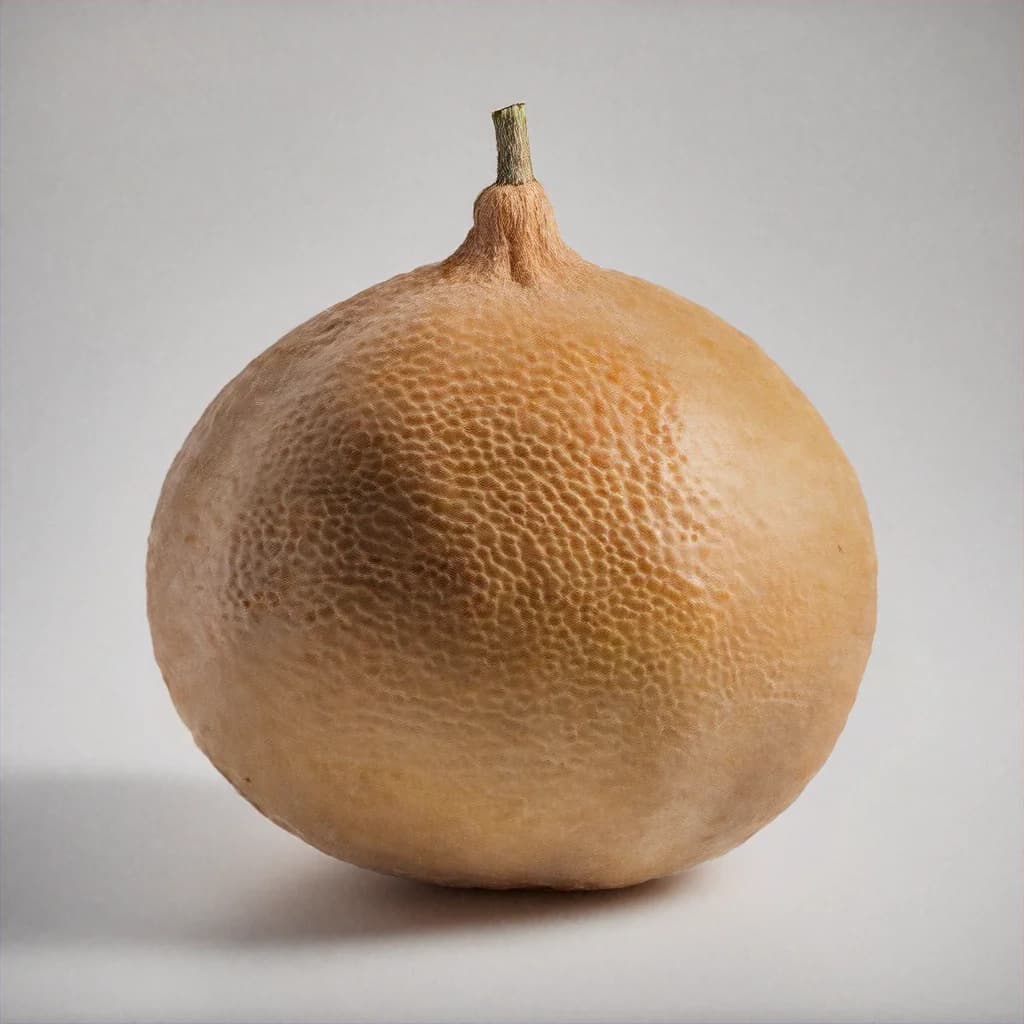
Lansium parasiticum
Duku, scientifically known as Lansium parasiticum, is a tropical fruit native to Southeast Asia. With its translucent, grape-like flesh and slightly tangy, sweet flavor, it is often compared to lychee or longan. The fruit grows in clusters on evergreen trees and is encased in a thin, leathery skin that is easy to peel. Duku is not only prized for its refreshing taste but also for its rich nutritional profile, which includes vitamins, minerals, and antioxidants. Its juicy texture and mild aroma make it a popular snack and a versatile ingredient in desserts, beverages, and traditional dishes. Whether enjoyed fresh or incorporated into recipes, Duku offers both culinary delight and health benefits, making it a beloved fruit in tropical regions.
Explore Duku in stunning detail
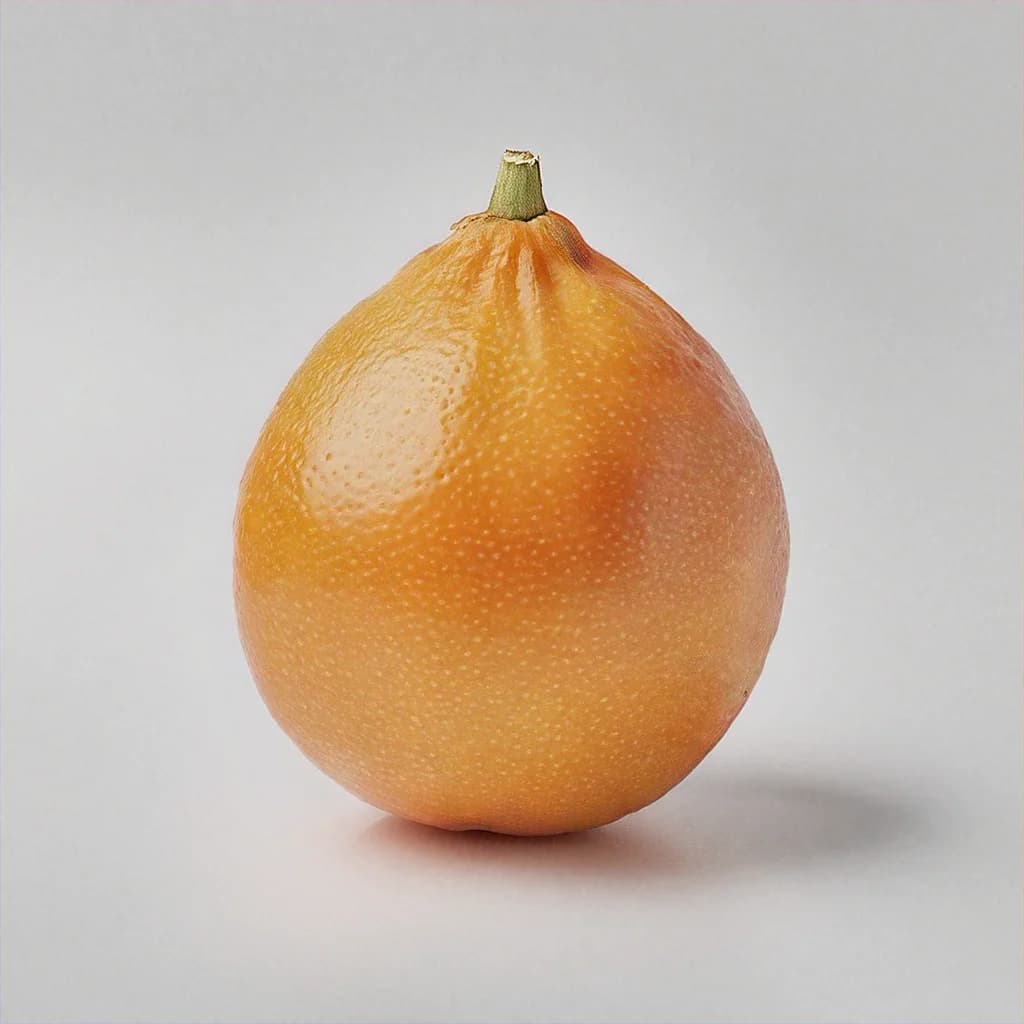
Duku - Main View
Per 100g
Per 100g
Nutrition breakdown for one serving
Southeast Asia
Duku has been cultivated in Southeast Asia for centuries, valued for its refreshing taste and medicinal properties. It is deeply rooted in local traditions and is often enjoyed during festivals and celebrations.
Year-round in tropical regions, with peak seasons varying by location.
Each variety offers unique flavors, textures, and culinary applications
Keep your fruit fresh and delicious for longer
Look for fruits with smooth, unblemished skin.
Choose fruits that feel firm but slightly yield to gentle pressure.
Store at room temperature for up to 3 days.
Refrigerate to extend shelf life to 7 days.
Preserve freshness for months
Freeze peeled and deseeded segments in an airtight container.
Use frozen Duku within 3 months for best quality.
Label frozen items with the date to track freshness. Most fruits maintain quality for 2-3 months when properly frozen. For best results, use airtight containers or freezer bags to prevent freezer burn.
Discover delicious possibilities
Duku is not a common allergen, but individuals with sensitivities to tropical fruits should exercise caution.
Duku is generally grown with minimal pesticides, but it is always a good idea to wash the fruit thoroughly before consuming.
Surprising trivia you'll love!
Duku is often called the 'tropical grape' due to its translucent flesh and grape-like texture.
In some Southeast Asian cultures, Duku is believed to have cooling properties and is used to treat fever and inflammation.
Duku has a sweet, slightly tangy flavor similar to lychee or longan, with a juicy, grape-like texture.
Ripe Duku has smooth, unblemished skin and feels slightly soft to the touch.
Yes, you can freeze peeled and deseeded Duku segments in an airtight container for up to 3 months.
Duku can be used in fruit salads, desserts like sorbets, or blended into smoothies and juices.
Duku contains about 12.5g of sugar per 100g, which is moderate compared to other fruits.
While Duku is generally safe, its high Vitamin C content may interact with certain medications. Consult a healthcare provider if you are on medication.
Duku is a sustainable fruit as it grows naturally in tropical climates and requires minimal water or pesticides.
Sustainability insights
Duku is a sustainable fruit as it thrives in tropical climates with minimal water and pesticide usage.
Low, as it is typically grown locally in tropical regions.
Minimal, as Duku trees are drought-resistant.
Locally grown Duku is more sustainable and fresher than imported varieties.
We aim to keep this Duku profile accurate and easy to understand. Nutrition values and % Daily Value figures are based on established reference databases and standard daily value guidance.
Last updated: October 5, 2026
Medical disclaimer
This page is for general educational purposes and does not replace professional medical advice.
Found an issue? Contact us.