Loading Fruit Details...
Please wait while we fetch nutritional information and health benefits
Please wait while we fetch nutritional information and health benefits
Recommended Products
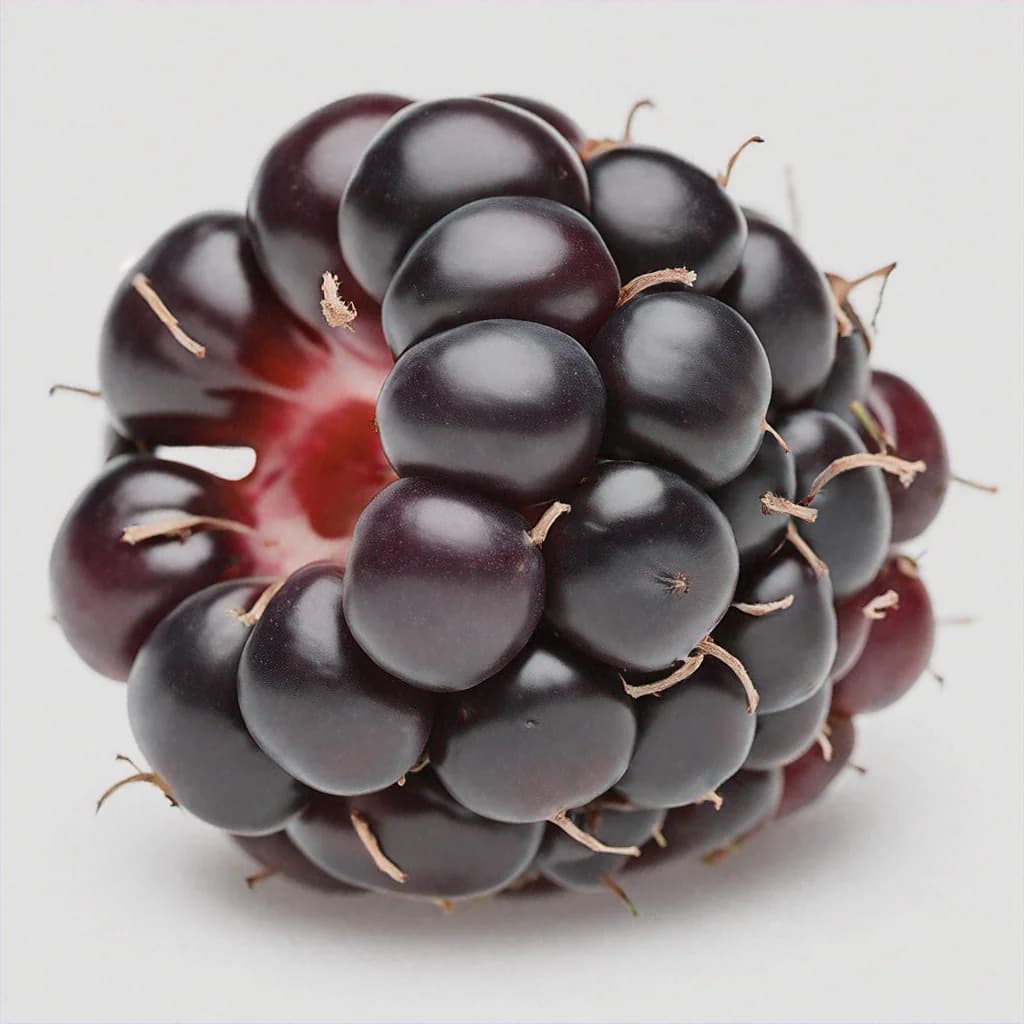
Rubus caesius
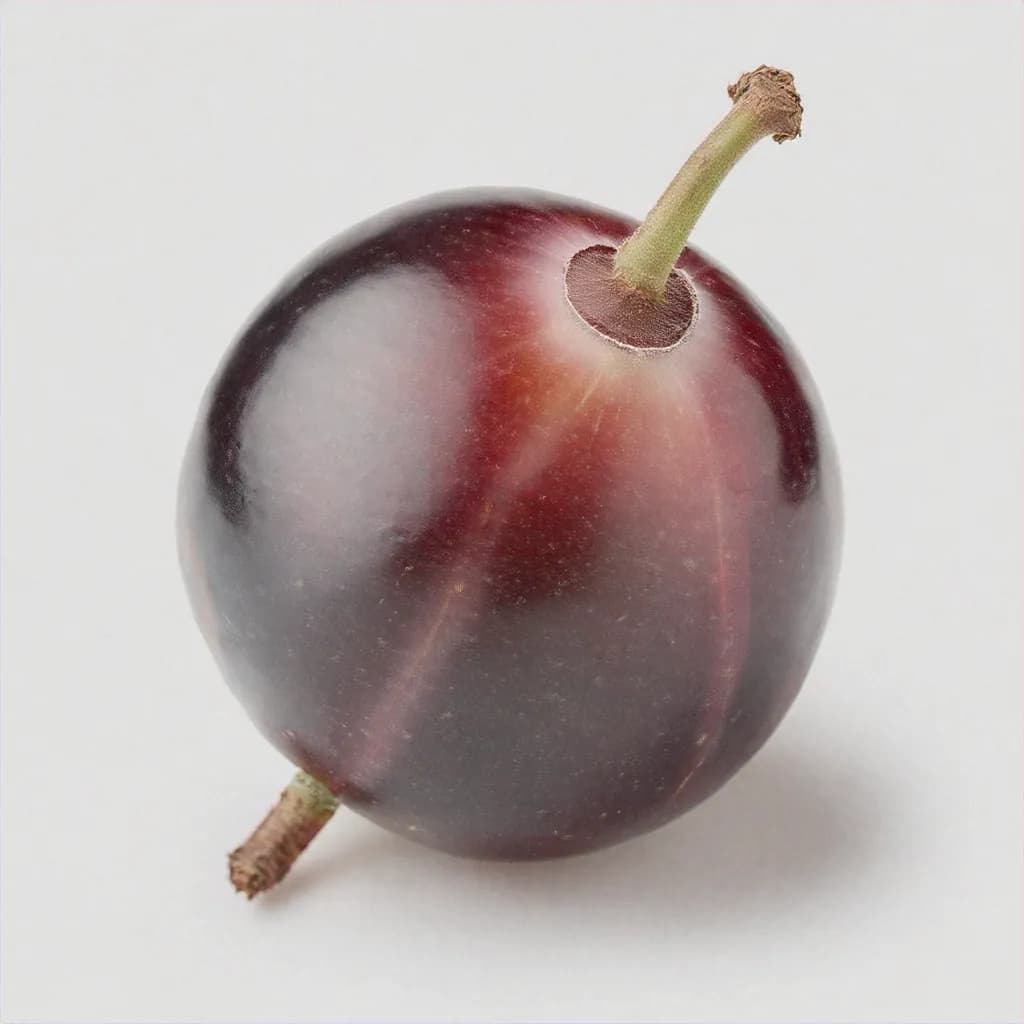
Dewberry, scientifically known as Rubus caesius, is a lesser-known member of the Rubus genus, closely related to blackberries and raspberries. This fruit is native to Europe and Asia, where it thrives in temperate climates. Dewberries are small, dark purple to black fruits with a glossy appearance and a delicate, slightly tart flavor that balances sweetness with a hint of acidity. They are often described as having a subtle, earthy undertone, making them distinct from their more familiar cousins. Rich in antioxidants, vitamins, and minerals, dewberries offer a range of health benefits, from boosting immunity to supporting digestive health. Their culinary versatility is evident in jams, pies, and even wines, making them a hidden gem in the world of berries.
Explore Dewberry in stunning detail
Dewberry - Main View
Per 100g
Per 100g
Nutrition breakdown for one serving
Europe and Asia
Dewberries have been consumed for centuries in Europe, particularly in rural communities where they grow wild. Historically, they were used in traditional medicine and as a natural dye for fabrics.
Late spring to early summer
Each variety offers unique flavors, textures, and culinary applications
Keep your fruit fresh and delicious for longer
Look for plump, firm dewberries with a deep purple or black color.
Avoid berries that are mushy, moldy, or have a shriveled appearance.
Store dewberries in a single layer on a paper towel in the refrigerator to prevent moisture buildup.
Avoid washing dewberries until ready to use, as excess water can accelerate spoilage.
Preserve freshness for months
Wash and dry dewberries thoroughly before freezing.
Spread them on a baking sheet and freeze for 2 hours, then transfer to an airtight container.
Label frozen items with the date to track freshness. Most fruits maintain quality for 2-3 months when properly frozen. For best results, use airtight containers or freezer bags to prevent freezer burn.
Discover delicious possibilities
Dewberries may cause allergic reactions in individuals sensitive to berries or related plants.
Dewberries may be treated with pesticides during cultivation. Opt for organic varieties when possible.
Surprising trivia you'll love!
Dewberries were traditionally used as a natural dye for fabrics in Europe.
The name 'dewberry' comes from the fruit's tendency to accumulate morning dew on its surface.
Dewberries are smaller, darker, and have a more delicate flavor compared to blackberries. They also tend to be less tart.
Ripe dewberries are deep purple to black, plump, and slightly soft to the touch. Unripe berries will be firm and lighter in color.
Yes, dewberries freeze well. Wash, dry, and freeze them individually on a baking sheet before transferring to an airtight container.
Dewberries are often used in jams, pies, and desserts. They can also be blended into smoothies or added to fruit salads.
Dewberries are relatively low in sugar, with only 4.2 grams per 100 grams, making them a healthier fruit option.
Dewberries are generally safe for most people. However, individuals with berry allergies should avoid them. Consult a healthcare provider if you have concerns.
Yes, dewberries can be grown in temperate climates. They prefer well-drained soil and partial shade.
Sustainability insights
Dewberries are often foraged or grown in small-scale, sustainable farms, reducing their environmental impact.
Low, especially when locally sourced.
Moderate, as dewberries require regular watering but are drought-tolerant once established.
Locally grown dewberries are more sustainable and have a lower carbon footprint compared to imported varieties.
We aim to keep this Dewberry profile accurate and easy to understand. Nutrition values and % Daily Value figures are based on established reference databases and standard daily value guidance.
Last updated: October 6, 2026
Medical disclaimer
This page is for general educational purposes and does not replace professional medical advice.
Found an issue? Contact us.