Loading Fruit Details...
Please wait while we fetch nutritional information and health benefits
Please wait while we fetch nutritional information and health benefits
Recommended Products
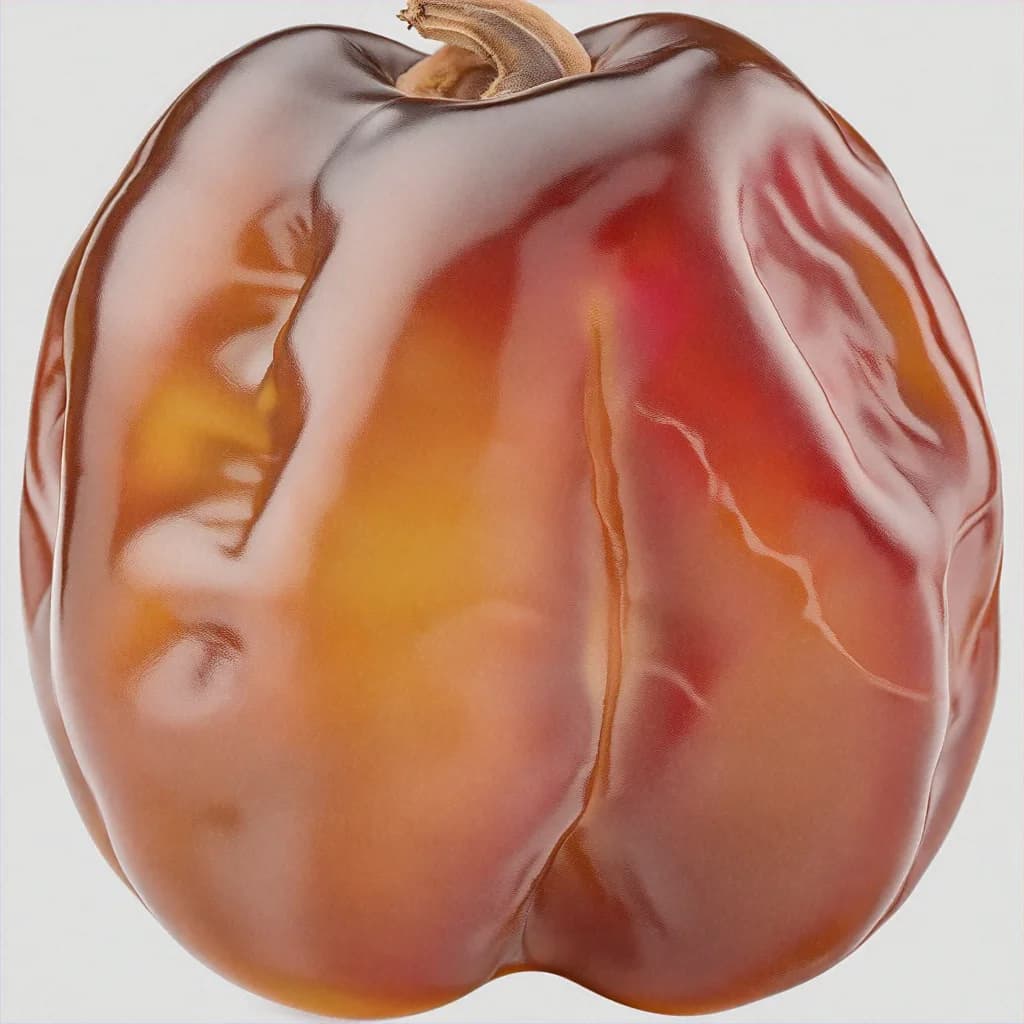
Solanum centrale
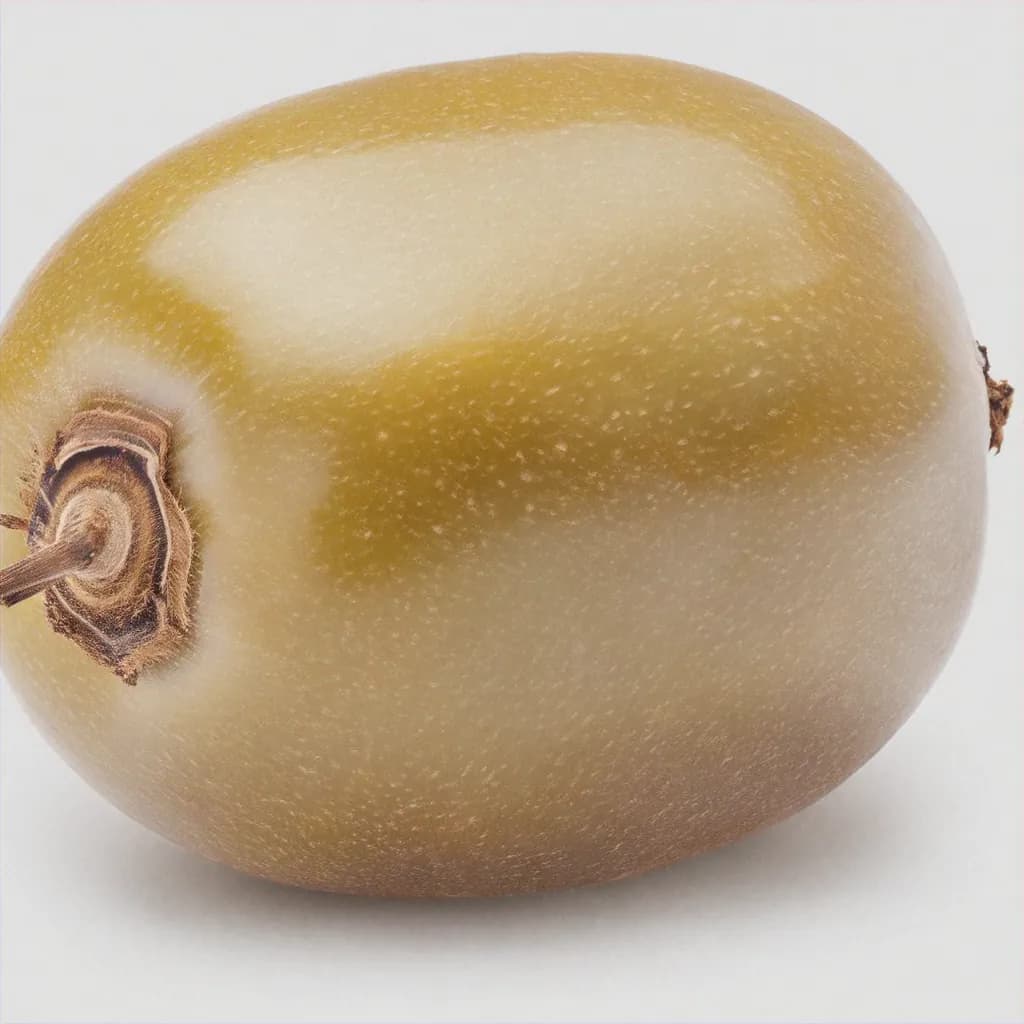
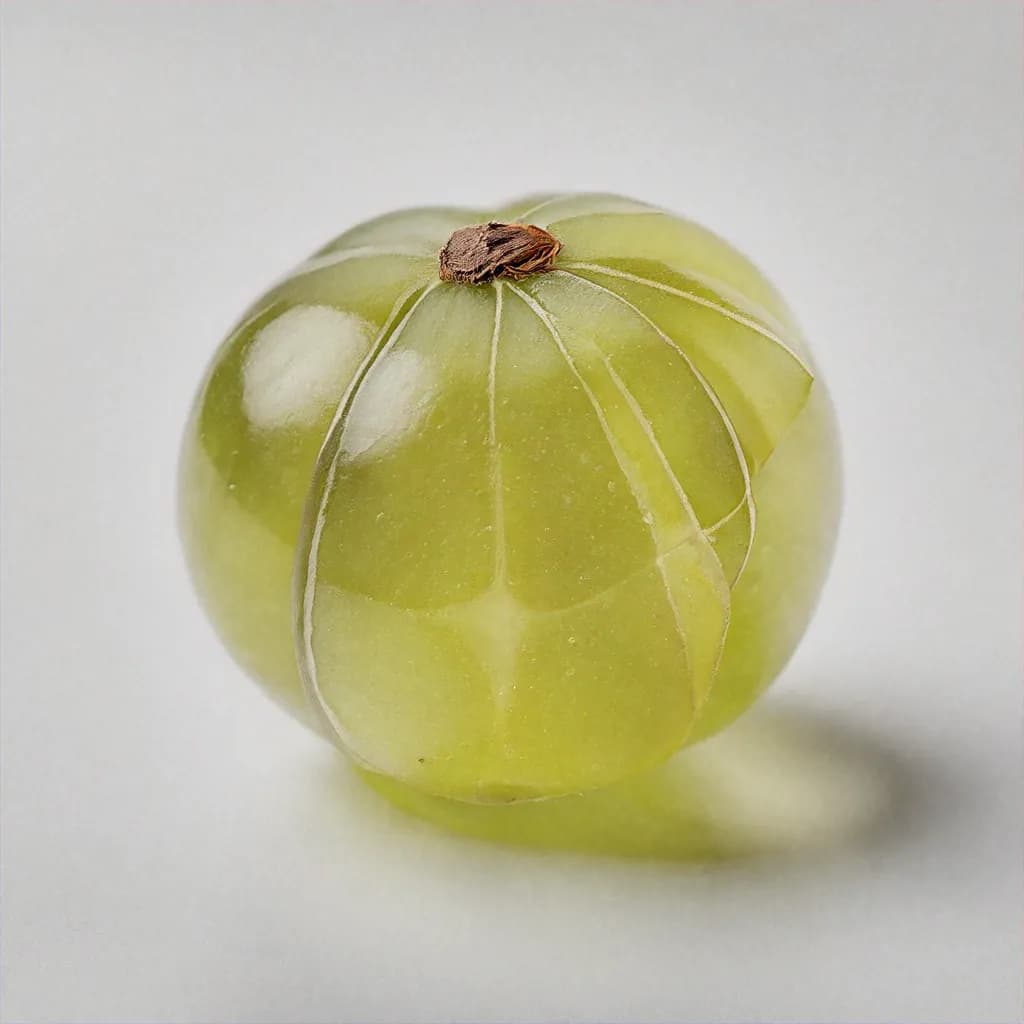
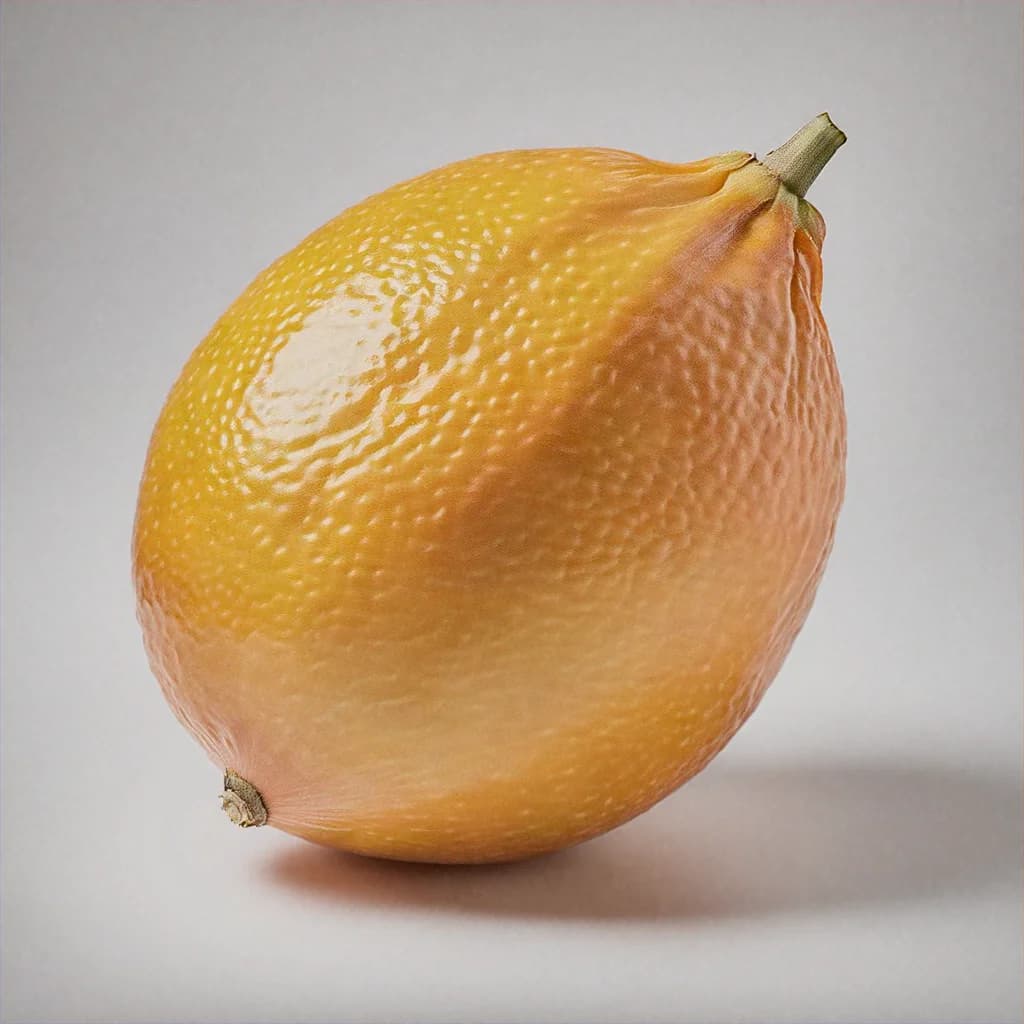
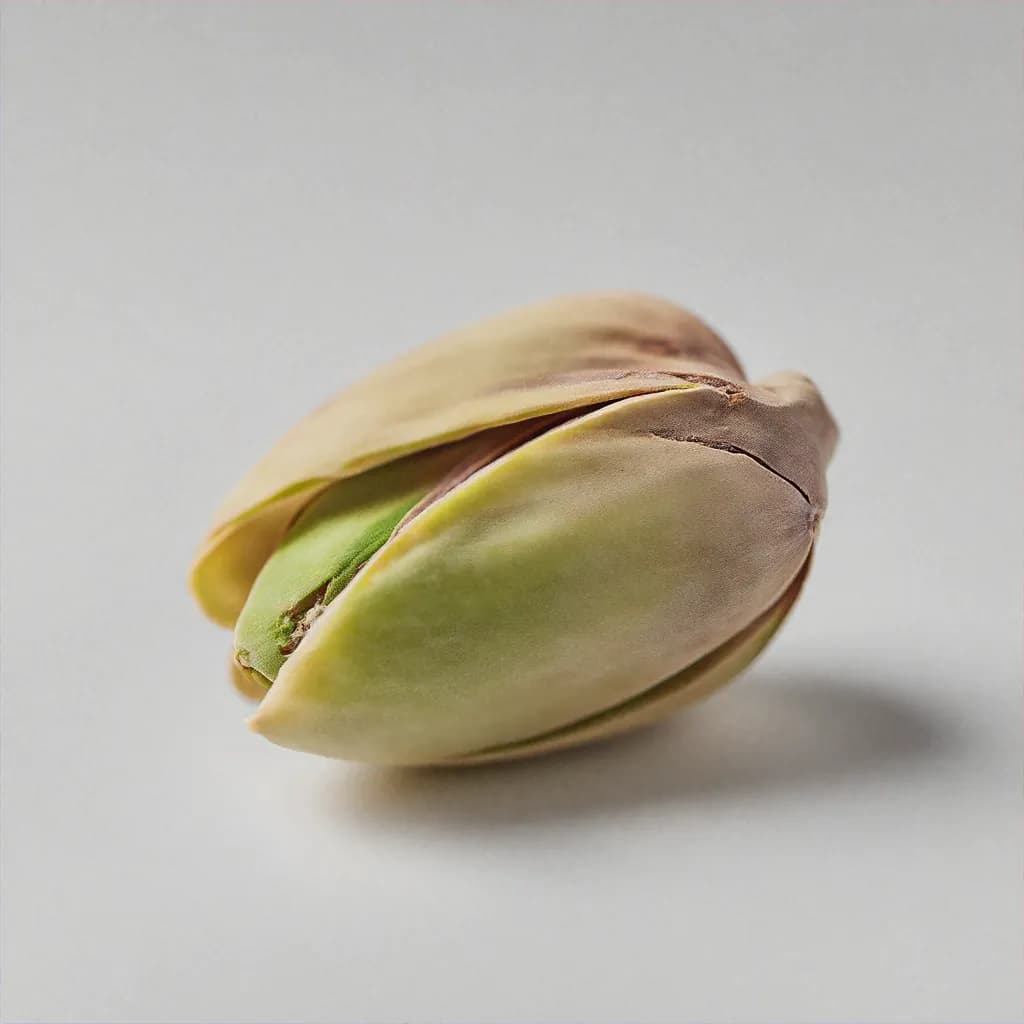
The Desert Raisin, scientifically known as Solanum centrale, is a small, tart fruit native to the arid regions of central Australia. Also known as the bush tomato, this wild fruit is a staple in the diet of Indigenous Australians. It grows on a small shrub and produces round, green fruits that turn golden-brown when dried, resembling raisins. The fruit is rich in antioxidants, vitamins, and minerals, making it a nutritional powerhouse. Its unique flavor profile, a blend of sweet and savory notes with a slightly tangy finish, adds depth to both traditional and modern dishes. The Desert Raisin is not only a culinary delight but also a symbol of resilience, thriving in harsh desert conditions while offering numerous health benefits.
Explore Desert Raisin in stunning detail
Desert Raisin - Main View
Per 100g
Per 100g
Nutrition breakdown for one serving
Central Australia
The Desert Raisin has been a traditional food source for Indigenous Australians for thousands of years. It was often dried and stored for long periods, providing a reliable source of nutrition in the harsh desert environment. Today, it is gaining popularity in modern cuisine for its unique flavor and nutritional benefits.
Year-round, but peak harvesting occurs in late summer to early autumn.
Each variety offers unique flavors, textures, and culinary applications
Keep your fruit fresh and delicious for longer
Look for firm, unblemished fruits with a vibrant green color if buying fresh.
For dried Desert Raisins, choose plump, golden-brown fruits with no signs of mold.
Store fresh Desert Raisins in a cool, dry place for up to 2 weeks.
Dried Desert Raisins can be stored in an airtight container at room temperature for up to 6 months.
Preserve freshness for months
Fresh Desert Raisins can be frozen for up to 6 months. Wash and dry them thoroughly before freezing.
Store in an airtight container or freezer bag to prevent freezer burn.
Label frozen items with the date to track freshness. Most fruits maintain quality for 2-3 months when properly frozen. For best results, use airtight containers or freezer bags to prevent freezer burn.
Discover delicious possibilities
Desert Raisins are generally considered hypoallergenic, but individuals with known allergies to plants in the Solanaceae family (e.g., tomatoes, potatoes) should exercise caution.
Desert Raisins are typically grown in the wild and are less likely to be exposed to pesticides. However, always wash fresh fruits thoroughly.
Surprising trivia you'll love!
The Desert Raisin is also known as the 'bush tomato' due to its tomato-like appearance and flavor.
Indigenous Australians have been consuming Desert Raisins for thousands of years, often drying them for long-term storage.
The Desert Raisin has a unique flavor profile that is tart, slightly sweet, and savory. It is often described as a blend of tomato and raisin flavors.
Fresh Desert Raisins are ripe when they are firm and have a vibrant green color. Dried Desert Raisins should be plump and golden-brown.
Yes, fresh Desert Raisins can be frozen for up to 6 months. Ensure they are washed, dried, and stored in an airtight container.
Desert Raisins can be used in salads, stews, soups, and as a snack. They pair well with meats, grains, and other fruits and nuts.
Desert Raisins contain natural sugars, with approximately 12 grams per 100 grams. However, they are also rich in fiber and nutrients, making them a healthier option compared to processed sugary snacks.
While Desert Raisins are generally safe, their high vitamin K content may interact with blood-thinning medications like warfarin. Consult a healthcare provider if you are on such medications.
Desert Raisins are considered sustainable as they are native to arid regions and require minimal water and resources to grow. They are often harvested sustainably by Indigenous communities.
Sustainability insights
Desert Raisins are highly sustainable as they thrive in arid environments with minimal water and resources.
Low, due to minimal cultivation and processing requirements.
Minimal, as Desert Raisins are adapted to survive in desert conditions.
Desert Raisins are primarily sourced locally in Australia, reducing the need for long-distance transport and supporting local economies.
We aim to keep this Desert Raisin profile accurate and easy to understand. Nutrition values and % Daily Value figures are based on established reference databases and standard daily value guidance.
Last updated: October 1, 2026
Medical disclaimer
This page is for general educational purposes and does not replace professional medical advice.
Found an issue? Contact us.