Loading Fruit Details...
Please wait while we fetch nutritional information and health benefits
Please wait while we fetch nutritional information and health benefits
Recommended Products
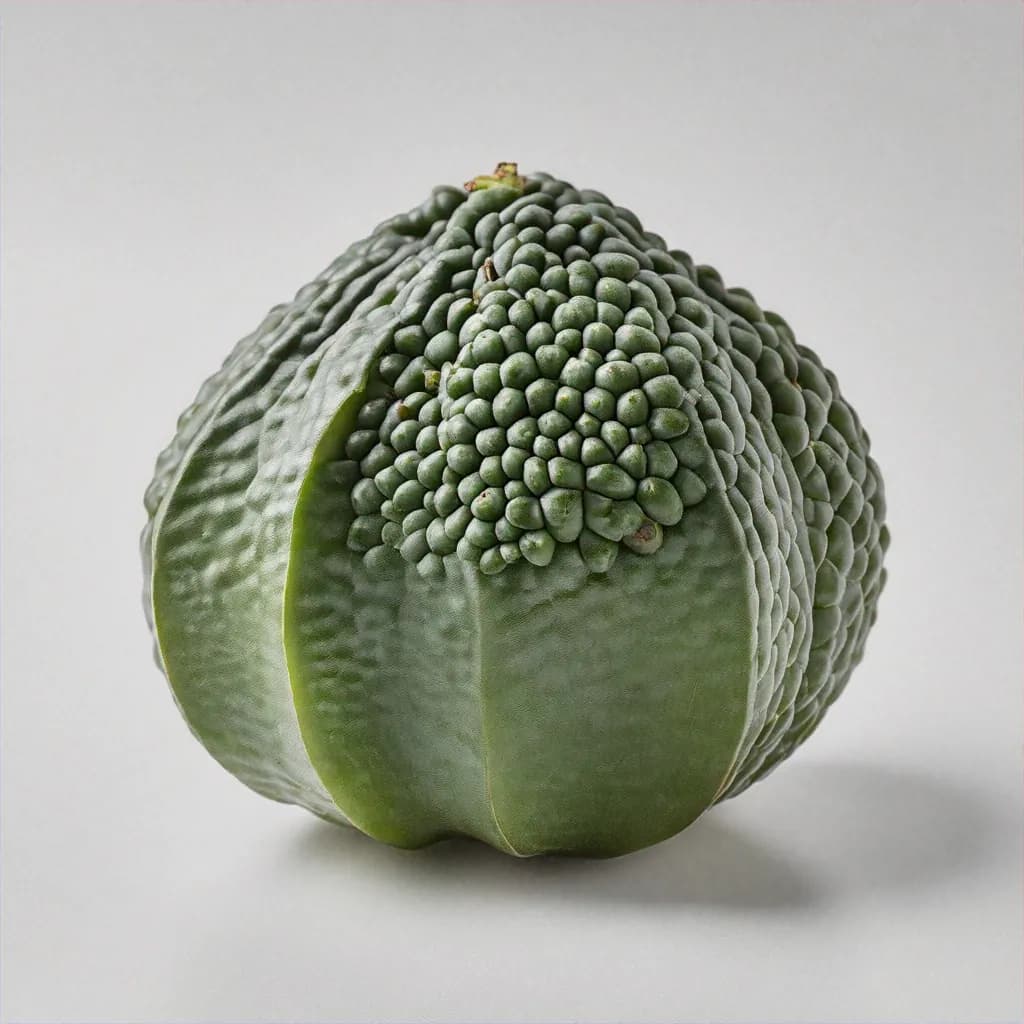
Citrus × japonica
Sudachi is a prized Japanese citrus fruit with bright green color, distinctive aromatic qualities, and bright, complex flavor. Rich in vitamin C (60% DV), limonene, and citric acid, sudachi offers powerful immune support and unique culinary applications. With only 31 calories per 100g and distinctive tartness, sudachi elevates Japanese dishes with its fresh, herbaceous aroma. Prized for both juice and zest, it's essential in authentic Japanese cuisine. Perfect for those seeking premium, authentic Asian flavoring.
Explore Sudachi in stunning detail
Sudachi - Main View
Per 100g
Per 100g
Nutrition breakdown for one serving
Japan, particularly Tokushima Prefecture
Sudachi originated in Japan and has been cultivated for centuries in Shikoku. Named after the region where it thrives, sudachi is a treasured ingredient in Japanese cuisine with deep cultural significance.
Peak season August-October
Each variety offers unique flavors, textures, and culinary applications
Keep your fruit fresh and delicious for longer
Select firm sudachi with bright green color (for green variety)
Look for heavy fruit indicating juice content
Avoid soft spots, cuts, or discoloration
Store at room temperature for 1-2 weeks
Refrigerate in crisper drawer for up to 3 weeks
Freeze juice in ice cube trays for 6 months
Keep zest frozen in airtight containers
Preserve freshness for months
Extract and freeze juice in ice cubes for 6 months
Zest and freeze separately for up to 1 year
Whole fruit can be frozen for up to 3 months
Label frozen items with the date to track freshness. Most fruits maintain quality for 2-3 months when properly frozen. For best results, use airtight containers or freezer bags to prevent freezer burn.
Discover delicious possibilities
Citrus allergies are rare but possible. Symptoms include itching or mouth irritation.
Sudachi may have pesticide residues. Wash thoroughly before juicing or zesting.
Surprising trivia you'll love!
Sudachi is one of Japan's three famous citrus varieties
The name 'su-dachi' means 'vinegar fruit' in Japanese due to its tartness
Tokushima Prefecture produces over 70% of Japan's sudachi
Sudachi has more vitamin C than regular limes
The fruit is prized for its fragrant aroma, not just juice
Sudachi is smaller, more tart, and more floral than yuzu. Sudachi is used primarily for juice, while yuzu is often used for zest. Both are essential in Japanese cuisine.
You can eat the flesh, but sudachi is primarily valued for its juice and aroma. The peel is rarely eaten due to bitterness.
Typically just a squeeze or small amount is used for flavoring dishes. One sudachi yields about 1-2 tablespoons of juice.
Found in Japanese markets, specialty Asian stores, and online retailers. Availability peaks August-October when fresh sudachi is in season.
Sustainability insights
Sudachi cultivation supports traditional Japanese agriculture. Support fair-trade and local growers.
Imported sudachi from Japan has moderate transportation carbon footprint. Look for sustainable sourcing.
Sudachi trees require moderate water typical of Japanese citrus cultivation.
Supporting Japanese sudachi growers helps preserve traditional cultivation and supports local communities in Tokushima.
We aim to keep this Sudachi profile accurate and easy to understand. Nutrition values and % Daily Value figures are based on established reference databases and standard daily value guidance.
Last updated: September 19, 2026
Medical disclaimer
This page is for general educational purposes and does not replace professional medical advice.
Found an issue? Contact us.