Loading Fruit Details...
Please wait while we fetch nutritional information and health benefits
Please wait while we fetch nutritional information and health benefits
Recommended Products
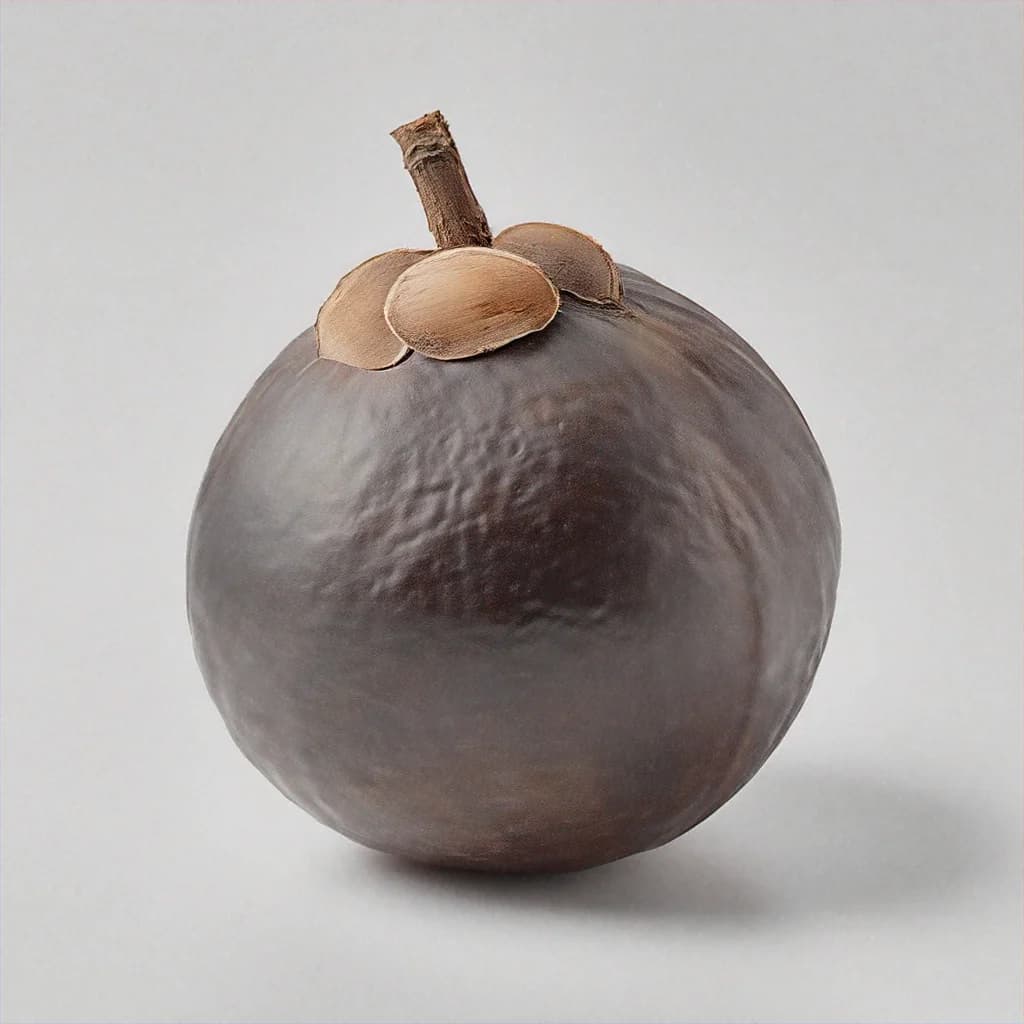
Chrysobalanus icaco
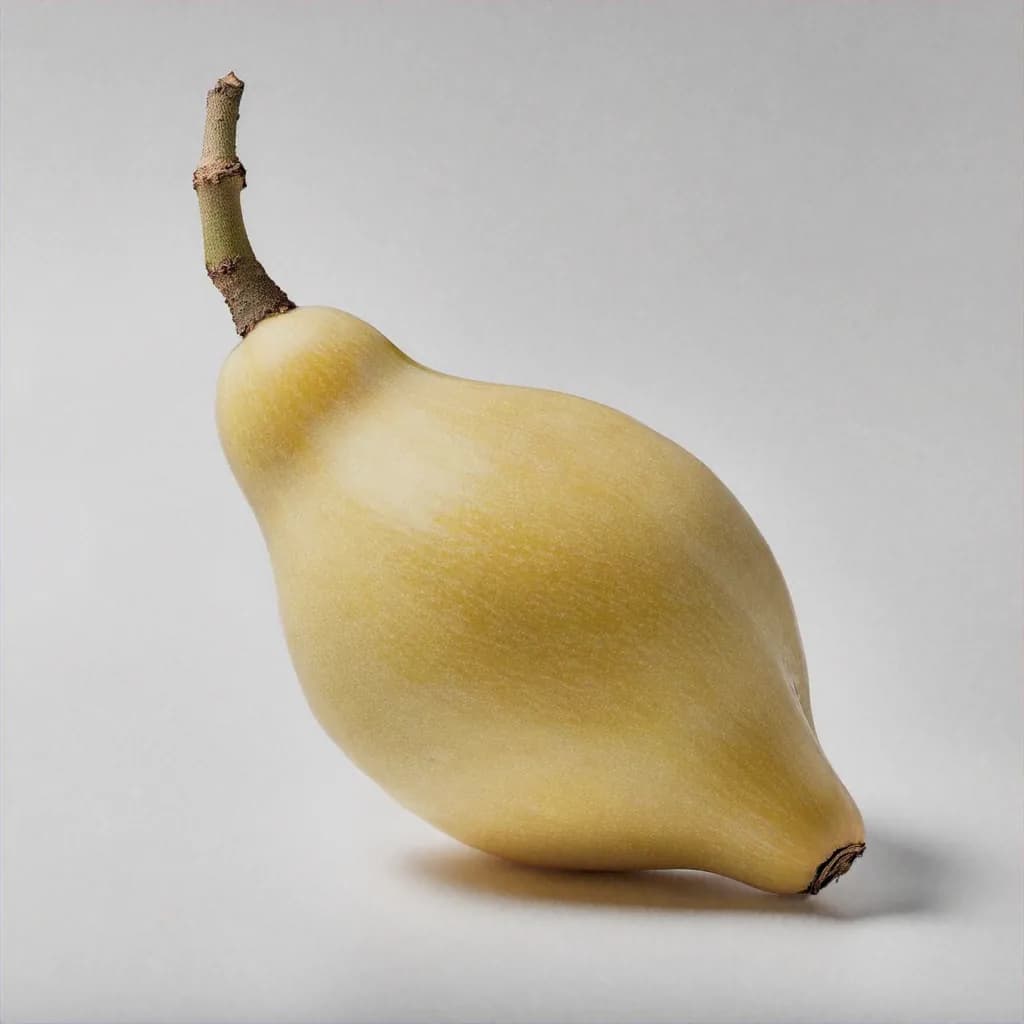
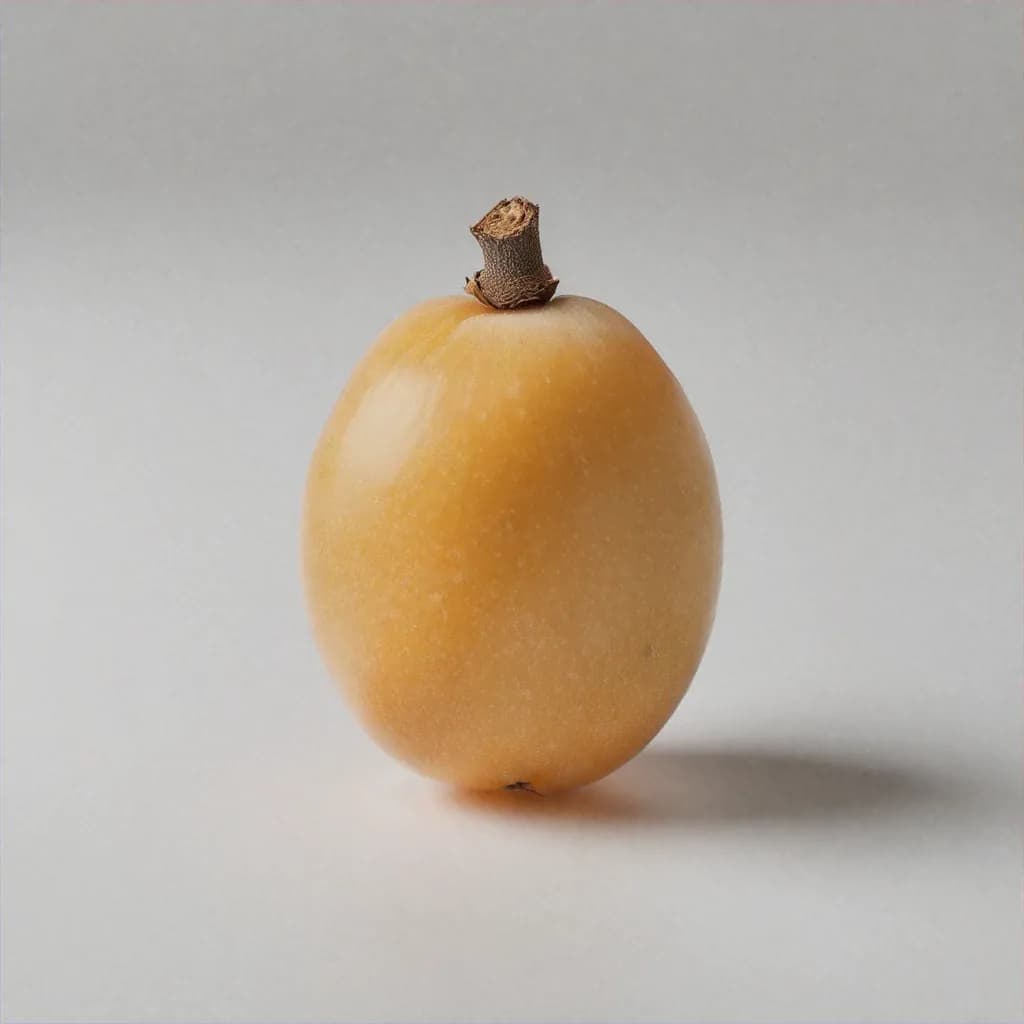
Cocoplum, scientifically known as Chrysobalanus icaco, is a tropical fruit native to coastal regions of the Americas. This plum-like fruit grows on a hardy shrub that thrives in sandy soils and saline environments. The flesh of the cocoplum is firm, juicy, and mildly sweet, often described as a blend of plum and apple with a hint of almond. Its taste varies slightly depending on ripeness, with unripe fruits leaning more tart and ripe fruits offering a sweet, succulent experience. Cocoplum is not only a versatile culinary ingredient but also a rich source of antioxidants, vitamins, and fiber, making it a nutritious addition to any diet. Its adaptability to harsh coastal conditions makes it an ecologically significant plant, often used in landscaping to stabilize dunes and prevent erosion.
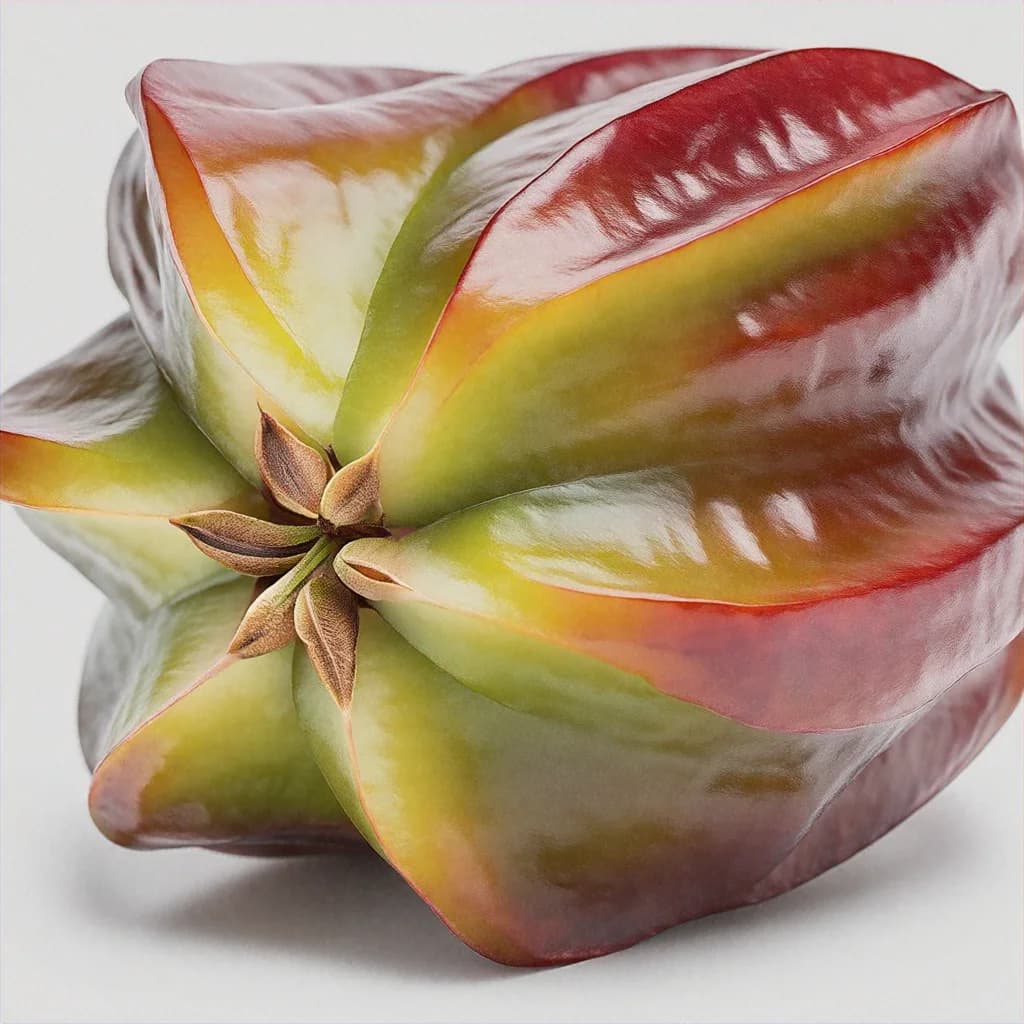
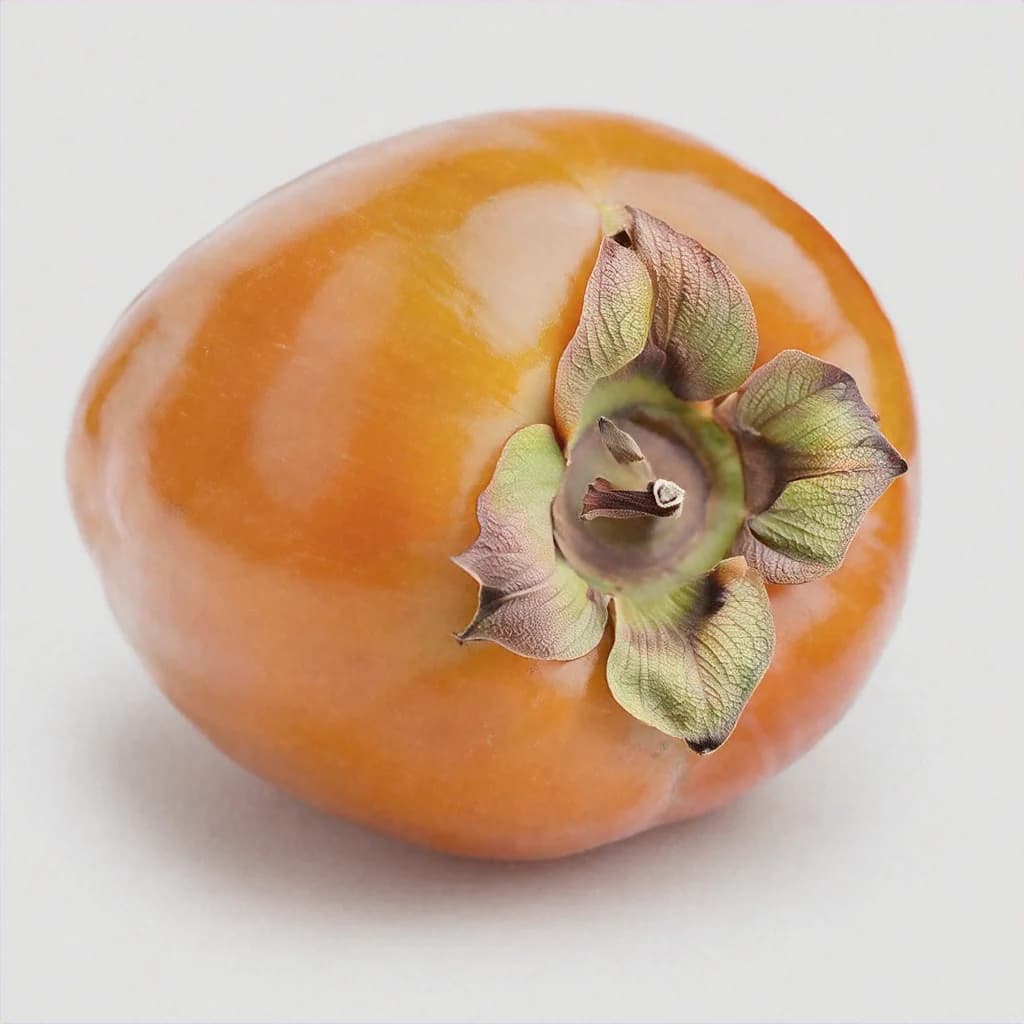
Explore Cocoplum in stunning detail
Cocoplum - Main View
Per 100g
Per 100g
Nutrition breakdown for one serving
Coastal regions of the Americas, including the Caribbean and Central America.
Cocoplum has been cultivated for centuries in tropical and subtropical regions. It was traditionally used by indigenous communities for its nutritional value and medicinal properties. Its ability to grow in saline soils has made it a valuable plant for coastal stabilization and erosion control.
Late spring to early fall.
Each variety offers unique flavors, textures, and culinary applications
Keep your fruit fresh and delicious for longer
Look for fruits that are firm but slightly yielding to gentle pressure.
Avoid fruits with bruises, cuts, or mold.
Ripe cocoplums will have a slightly sweet aroma and vibrant color.
Store ripe cocoplums in the refrigerator for up to 5 days.
Unripe fruits can be left at room temperature to ripen, which usually takes 2-3 days.
Avoid storing cocoplums in plastic bags, as this can trap moisture and cause spoilage.
Preserve freshness for months
Freeze cocoplums whole or sliced in an airtight container for up to 3 months.
Thaw frozen cocoplums in the refrigerator before using in recipes.
Label frozen items with the date to track freshness. Most fruits maintain quality for 2-3 months when properly frozen. For best results, use airtight containers or freezer bags to prevent freezer burn.
Discover delicious possibilities
Cocoplum allergies are rare, but individuals with known allergies to other fruits should exercise caution when trying cocoplum for the first time.
Cocoplums are generally low in pesticide residues, but it is always best to wash fruits thoroughly before consuming.
Surprising trivia you'll love!
Cocoplum is often used in coastal landscaping to stabilize dunes and prevent erosion.
The fruit's name is derived from its resemblance to a small plum, though it is not related to the plum family.
Cocoplum has a unique flavor profile that combines the sweetness of a plum with a slight tartness and a hint of almond. The taste varies depending on ripeness, with unripe fruits being more tart and ripe fruits being sweet and juicy.
A ripe cocoplum will have a slightly sweet aroma, vibrant color, and will yield slightly to gentle pressure. Avoid fruits that are overly soft or have bruises.
Yes, cocoplums can be frozen whole or sliced in an airtight container for up to 3 months. Thaw in the refrigerator before using.
Cocoplums can be eaten fresh, made into jams or jellies, added to salads, or incorporated into baked goods like muffins and pies.
Cocoplums contain about 9.8 grams of sugar per 100 grams, which is moderate compared to other fruits. They also provide fiber, vitamins, and antioxidants, making them a nutritious choice.
Cocoplums are rich in antioxidants like polyphenols and flavonoids, which may help reduce inflammation and oxidative stress. They also contain vitamins and minerals that support overall health.
Cocoplums are best suited to tropical and subtropical climates but can be grown in warmer temperate regions with proper care. They thrive in sandy, well-drained soils and are tolerant of saline conditions.
Sustainability insights
Cocoplum is a sustainable fruit as it requires minimal water and thrives in coastal environments, helping to prevent erosion.
The carbon footprint of cocoplum is relatively low due to its minimal water and fertilizer requirements.
Cocoplum requires minimal irrigation, making it a water-efficient crop.
Locally grown cocoplums are more sustainable and have a lower carbon footprint compared to imported varieties.
We aim to keep this Cocoplum profile accurate and easy to understand. Nutrition values and % Daily Value figures are based on established reference databases and standard daily value guidance.
Last updated: October 6, 2026
Medical disclaimer
This page is for general educational purposes and does not replace professional medical advice.
Found an issue? Contact us.