Loading Fruit Details...
Please wait while we fetch nutritional information and health benefits
Please wait while we fetch nutritional information and health benefits
Recommended Products
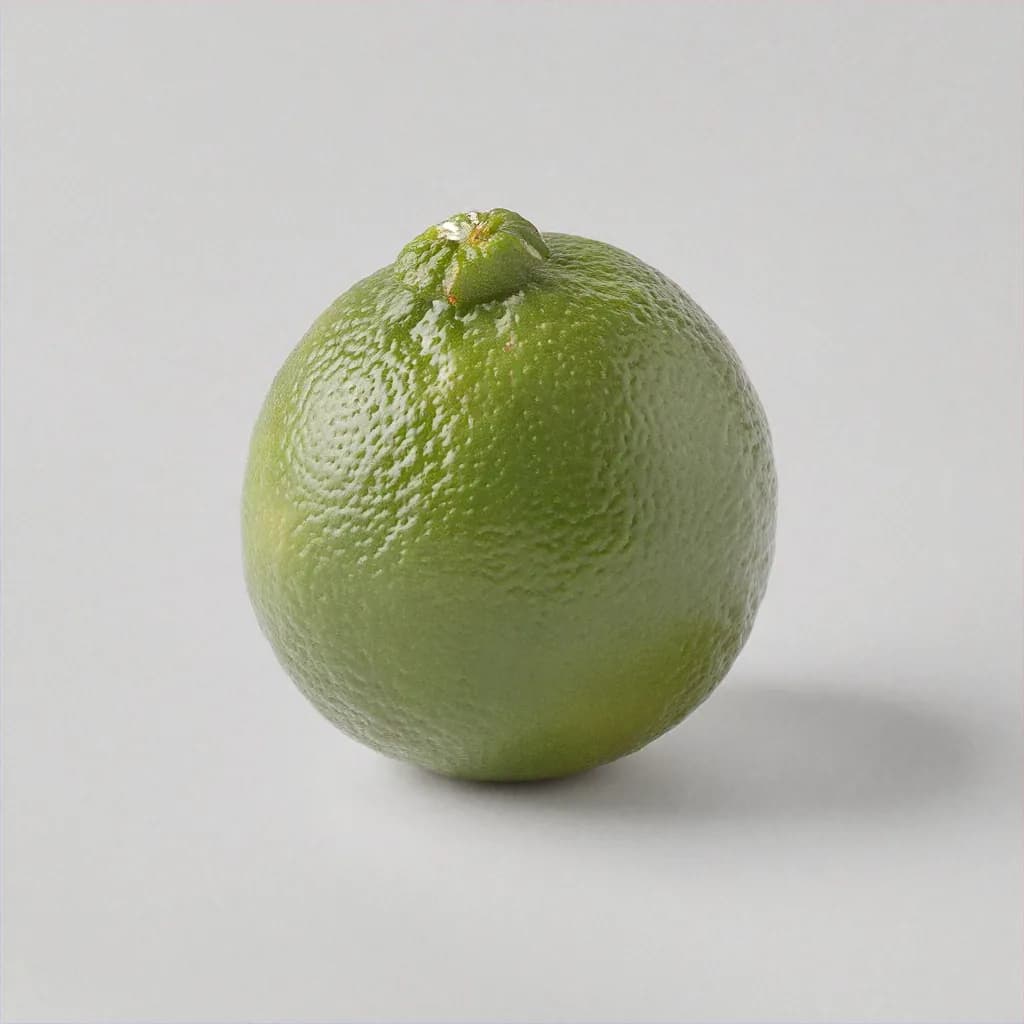
Melicoccus bijugatus
Spanish lime is a tropical nutrient-rich fruit known for its sweet-tart pulp, refreshing flavor, and impressive antioxidant profile. Also called quenepa, mamoncillo, guinep, or genip, Spanish lime provides excellent vitamin C (32% DV per 100g), dietary fiber (7% DV), and polyphenol antioxidants that support immune health, digestion, and cellular protection. With only 58 calories per 100g, low fat, and moderate natural sugars, Spanish lime is valued in traditional wellness practices, tropical nutrition, and modern health-focused diets. Ideal for fresh snacking, hydration, digestive support, and antioxidant wellness.
Explore Spanish Lime in stunning detail
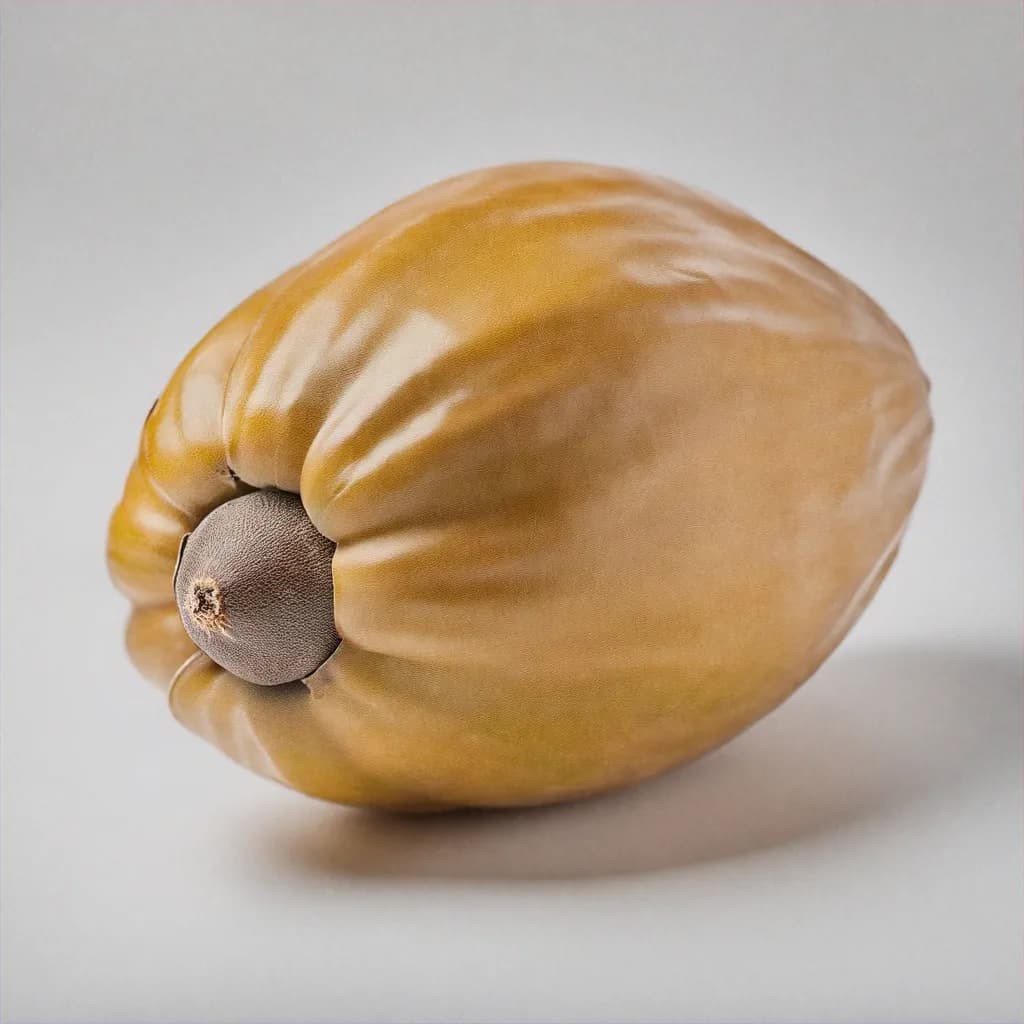
Spanish Lime - Main View
Per 100g
Per 100g
Nutrition breakdown for one serving
Northern South America and Caribbean
Spanish lime (Melicoccus bijugatus) is native to northern South America and the Caribbean. It has been consumed for centuries by indigenous populations and later spread throughout the Caribbean by Spanish colonizers. Traditionally eaten fresh, Spanish lime also played a role in folk medicine for digestive and immune support. Today, it remains a culturally important seasonal fruit enjoyed across tropical regions.
Peak harvest July-September
Each variety offers unique flavors, textures, and culinary applications
Keep your fruit fresh and delicious for longer
Choose firm fruits with intact green shells
Avoid fruits with cracks, mold, or sour odor
Select heavier fruits indicating juicier pulp
Store whole Spanish limes at room temperature for short term
Refrigerate to extend freshness up to 10 days
Consume soon after cracking shell for best quality
Discover delicious possibilities
Allergic reactions are rare but possible in sensitive individuals.
Surprising trivia you'll love!
Spanish lime is not botanically related to citrus fruits
The fruit is traditionally cracked open using teeth
It is a popular street snack in the Caribbean
Spanish lime trees can live for several decades
Spanish lime (Melicoccus bijugatus) is a tropical fruit with a sweet-tart pulp, commonly known as quenepa or mamoncillo, widely consumed in the Caribbean and Central America.
Yes, Spanish lime is rich in vitamin C, providing 32% of the daily value per 100g, which helps strengthen immune defenses.
Yes, their fiber content supports digestive health and promotes regular bowel movements.
Spanish lime has a moderate glycemic index and can be eaten in controlled portions by people with diabetes.
Spanish lime has a sweet-tart, slightly acidic flavor with a juicy pulp that clings to the seed. The taste can range from mildly sweet to tangy depending on ripeness and variety.
Yes, Spanish lime is low in calories and contains dietary fiber and water, which help promote fullness and support healthy weight management when eaten in moderation.
Yes, children can eat Spanish lime under supervision. The pulp should be sucked off the seed, and the large seed must be discarded to prevent choking.
Spanish lime is mildly acidic but less acidic than citrus fruits. Most people tolerate it well, though those with acid sensitivity should consume it in moderation.
Yes, the vitamin C and antioxidants in Spanish lime support collagen production and help protect skin cells from oxidative damage, contributing to healthy skin.
Spanish lime is traditionally eaten fresh by cracking the shell and sucking the pulp from the seed. It is also used in juices, preserves, and fermented drinks in Caribbean cultures.
Sustainability insights
Spanish lime trees support agroforestry systems and local economies.
Low when consumed locally in tropical regions.
Moderate water requirement.
Locally sourced fruit has lower environmental impact.
We aim to keep this Spanish Lime profile accurate and easy to understand. Nutrition values and % Daily Value figures are based on established reference databases and standard daily value guidance.
Last updated: September 18, 2026
Medical disclaimer
This page is for general educational purposes and does not replace professional medical advice.
Found an issue? Contact us.