Loading Fruit Details...
Please wait while we fetch nutritional information and health benefits
Please wait while we fetch nutritional information and health benefits
Recommended Products
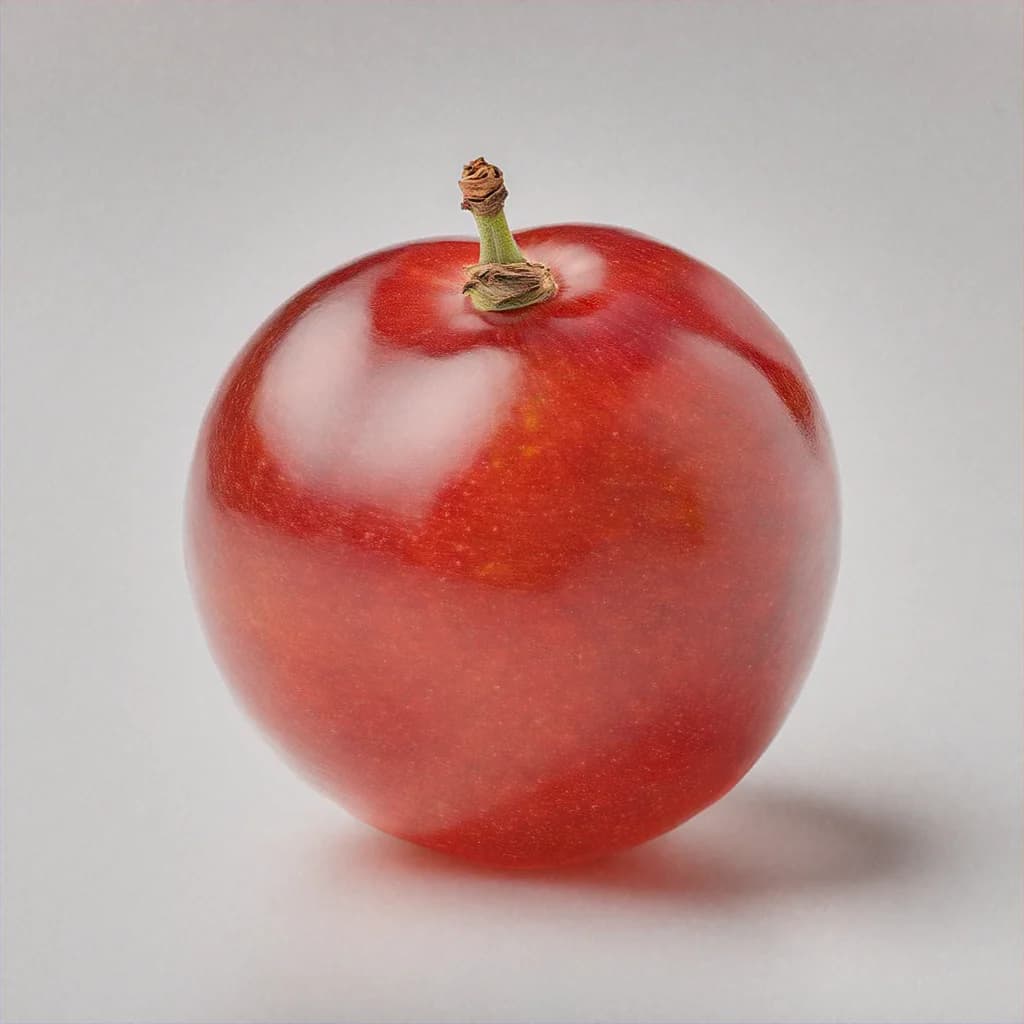
Cornus mas
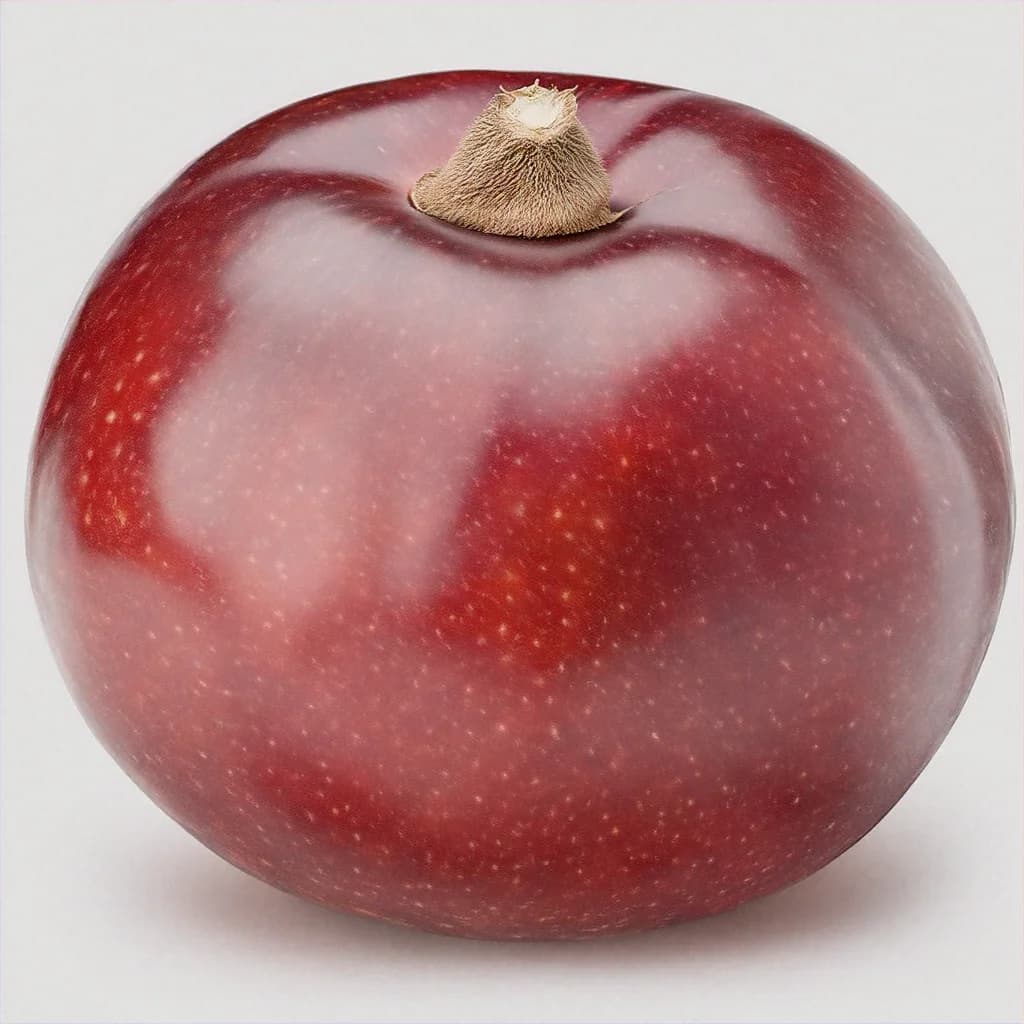
The Cornelian Cherry, scientifically known as Cornus mas, is a vibrant and versatile fruit native to Western Asia and Europe. This fruit-bearing tree produces small, tart, and slightly astringent berries that ripen to a deep red hue. Often used in jams, preserves, and syrups, the Cornelian Cherry is celebrated for its rich antioxidant content and unique flavor profile. Beyond its culinary applications, this fruit has been traditionally valued for its medicinal properties, including its potential to support digestive health and immune function. With its distinctive taste and nutritional benefits, the Cornelian Cherry is a delightful addition to both sweet and savory dishes, offering a burst of flavor and a boost of wellness.
Explore Cornelian Cherry in stunning detail
Cornelian Cherry - Main View
Per 100g
Per 100g
Nutrition breakdown for one serving
Western Asia and Europe
The Cornelian Cherry has been cultivated for centuries in its native regions, valued for its culinary and medicinal properties. It has a rich history in traditional medicine, particularly in Eastern European and Middle Eastern cultures.
Late summer to early autumn
Each variety offers unique flavors, textures, and culinary applications
Keep your fruit fresh and delicious for longer
Look for plump, firm berries with a deep red or yellow color, depending on the variety.
Avoid berries that are shriveled, bruised, or have mold.
Store fresh Cornelian Cherries in the refrigerator to extend their shelf life.
Keep them in a sealed container to prevent moisture loss.
Preserve freshness for months
Freeze Cornelian Cherries whole or pureed for later use in recipes.
Store in an airtight container or freezer bag to prevent freezer burn.
Label frozen items with the date to track freshness. Most fruits maintain quality for 2-3 months when properly frozen. For best results, use airtight containers or freezer bags to prevent freezer burn.
Discover delicious possibilities
Cornelian Cherries are generally considered safe for most individuals, but allergic reactions are possible in sensitive individuals.
Cornelian Cherries are typically low in pesticide residues, but it is still recommended to wash them thoroughly before consumption.
Surprising trivia you'll love!
Cornelian Cherries have been used in traditional medicine for centuries in Eastern Europe and the Middle East.
The tree is often planted as an ornamental due to its vibrant yellow flowers in early spring.
Cornelian Cherry has a tart, slightly astringent flavor that is often compared to a cross between cranberries and sour cherries.
Ripe Cornelian Cherries will be plump, firm, and have a deep red or yellow color, depending on the variety.
Yes, Cornelian Cherries can be frozen whole or pureed for use in recipes later.
Cornelian Cherries are commonly used in jams, preserves, syrups, sauces, and baked goods.
No, Cornelian Cherries are relatively low in sugar compared to other fruits, making them a healthier option.
Yes, Cornelian Cherries are rich in antioxidants, Vitamin C, and dietary fiber, which support immune function, digestive health, and overall wellness.
Yes, Cornelian Cherries can be used to make juices, infused vodka, and iced teas.
Sustainability insights
Cornelian Cherries are often cultivated using sustainable practices, as they are a low-maintenance crop.
Relatively low due to minimal processing and transportation requirements.
Moderate water requirements, though drought-resistant once established.
Prefer locally grown Cornelian Cherries to reduce carbon footprint and support local farmers.
We aim to keep this Cornelian Cherry profile accurate and easy to understand. Nutrition values and % Daily Value figures are based on established reference databases and standard daily value guidance.
Last updated: October 3, 2026
Medical disclaimer
This page is for general educational purposes and does not replace professional medical advice.
Found an issue? Contact us.