Loading Fruit Details...
Please wait while we fetch nutritional information and health benefits
Please wait while we fetch nutritional information and health benefits
Recommended Products
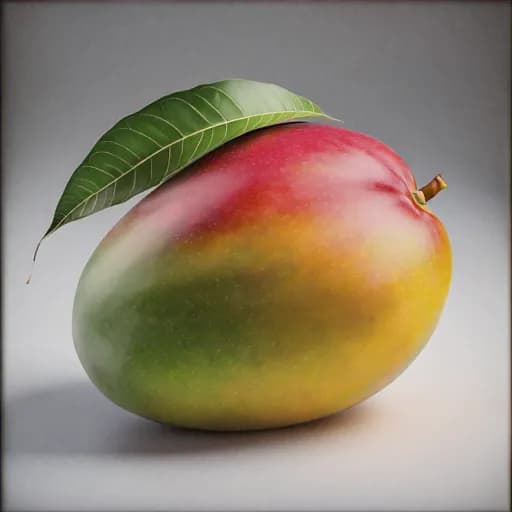
Mangifera indica
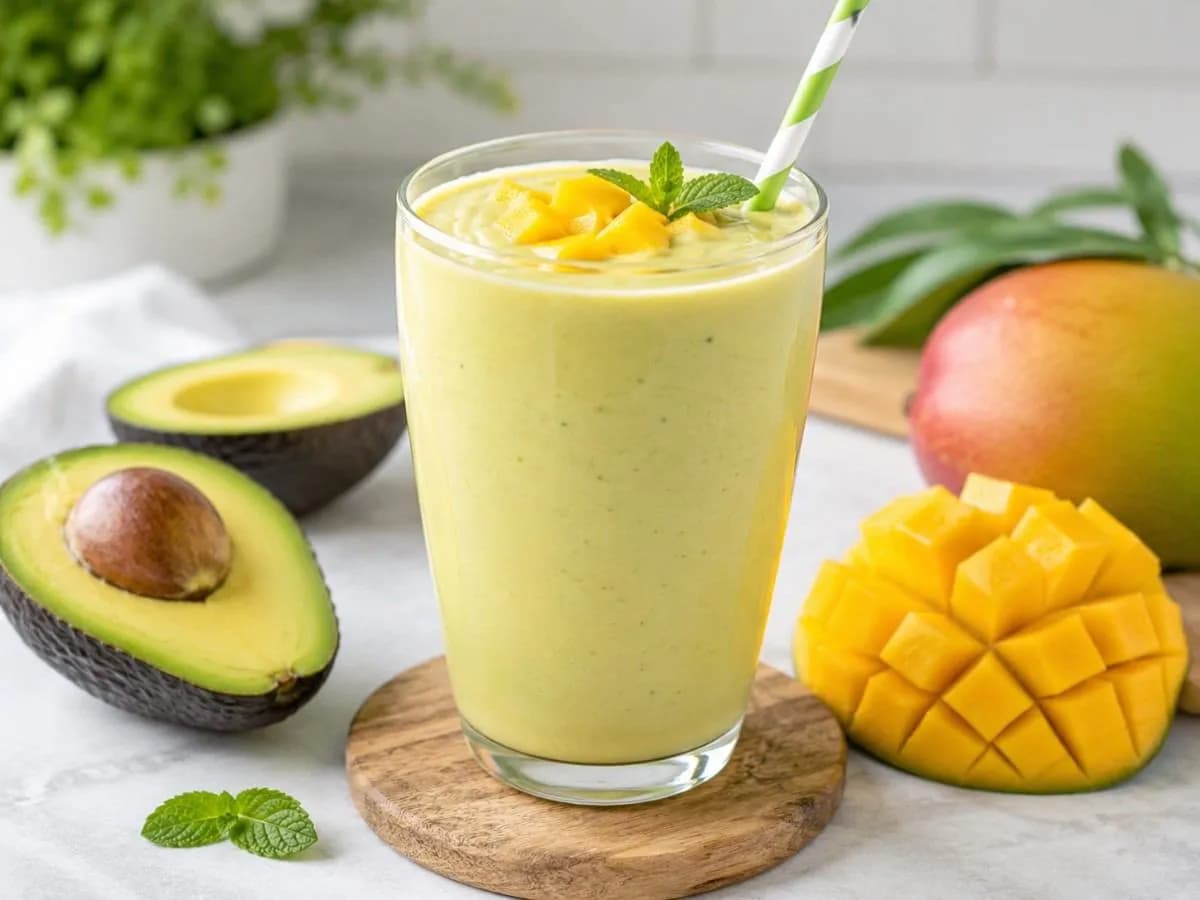
Mango, often celebrated as the "king of fruits," offers an unparalleled sensory experience. Originating from the tropical regions of South Asia, this succulent fruit has journeyed across continents, embedding itself in diverse culinary traditions. When you sink your teeth into a ripe mango, the juicy flesh delivers a sweet, yet subtly tangy flavor that dances on your palate. Its primary use extends beyond mere snacking; mangoes are pivotal in creating chutneys, salsas, and even beverages. What many might not know is that the mango's vibrant color isn't just skin-deep—the fruit's inner flesh can range from pale yellow to a rich, almost orange hue, depending on its variety. Each bite is a tropical escapade, a testament to nature's ingenuity.
Explore Mango in stunning detail
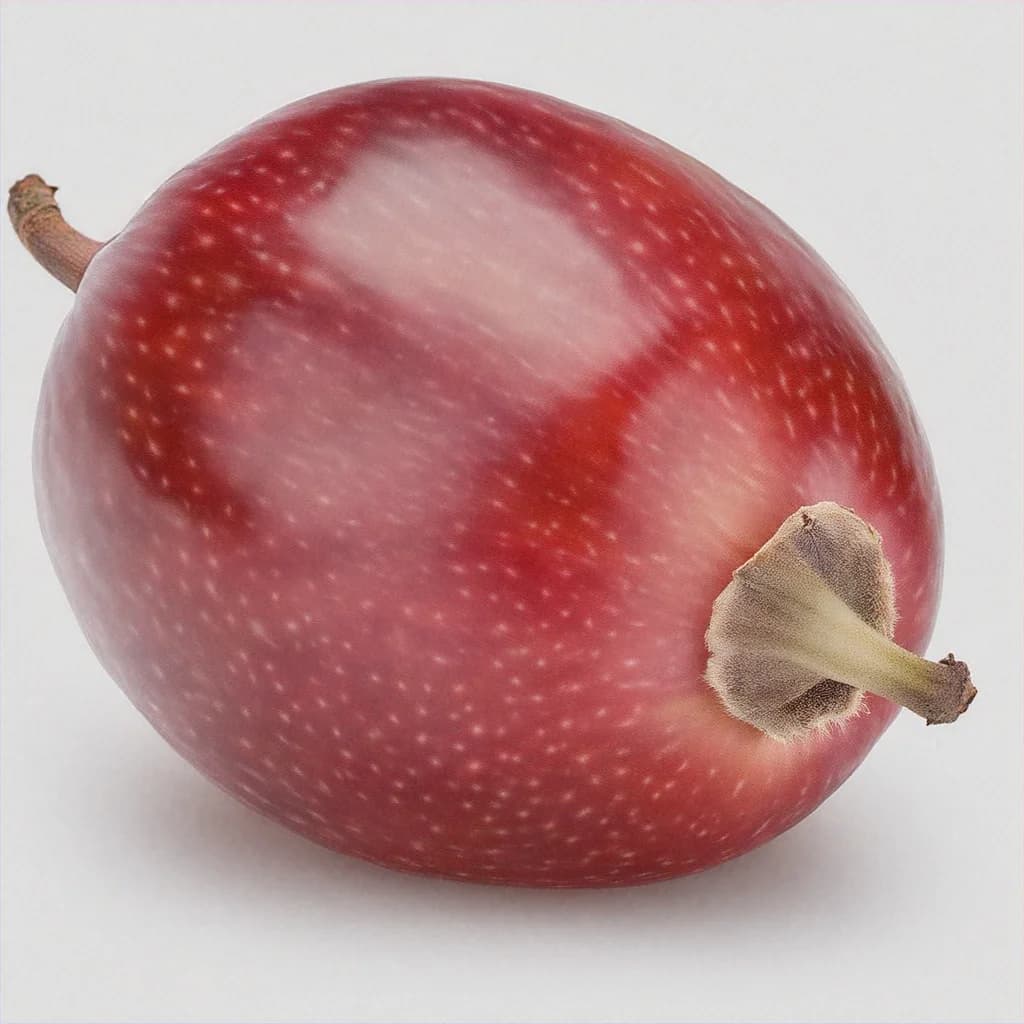
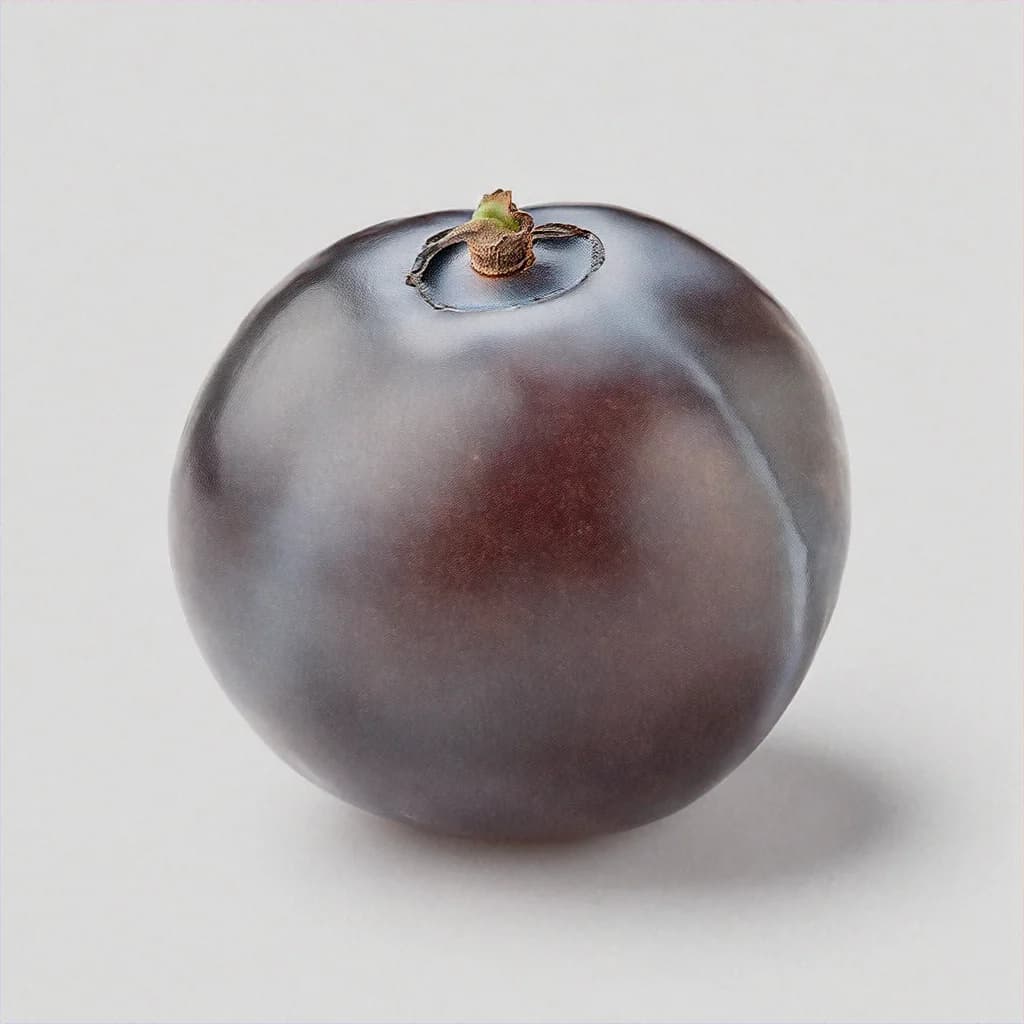
Mango - Main View
Mango - View 1
Per 100g
Per 100g
Nutrition breakdown for one serving
South Asia (India, Myanmar, Bangladesh)
Mango's tale begins in the lush landscapes of India, where it flourished for millennia. Ancient traders, enchanted by its sweet aroma and vibrant hues, carried it along the Silk Road. Over centuries, mango seeds found their way to Africa, the Middle East, and eventually, the Americas. Today, this exotic fruit graces tables worldwide, celebrated in festivals, woven into folklore, and savored in countless culinary traditions.
May to September (varies by region and variety)
Each variety offers unique flavors, textures, and culinary applications
Keep your fruit fresh and delicious for longer
Opt for mangoes with a vibrant yellow hue, ensuring they are free from green patches which indicate under-ripeness.
Feel the texture; a mango that gives slightly under pressure is ideal. Too firm ones might still be unripe, whereas overly soft ones may be overripe.
Sniff it; a sweet, fragrant aroma around the stem area signals peak ripeness.
Check the weight; a well-ripened mango will feel heavy for its size, suggesting juiciness and ripeness.
Keep your mango at room temperature until it’s fully ripe. Once ripe, move it to the fridge to slow down further ripening.
Note the shelf life; ripe mangoes last 1-2 days at room temperature, while refrigerated ones can stay good for up to a week.
Avoid washing unripe mangoes before ripening, as moisture can lead to mold growth.
A common mistake is storing mangoes in a plastic bag, which can trap moisture and accelerate spoilage.
Preserve freshness for months
Peel and dice before freezing
Spread on baking sheet to freeze individually first
Transfer to freezer bags, removing excess air
Label with date - lasts up to 6 months
Perfect for smoothies and cooking
Label frozen items with the date to track freshness. Most fruits maintain quality for 2-3 months when properly frozen. For best results, use airtight containers or freezer bags to prevent freezer burn.
Discover delicious possibilities
Mango allergies are relatively common, particularly to the skin which contains urushiol (same as poison ivy). Oral allergy syndrome may cause itching or tingling. Those allergic to cashews, pistachios, or poison ivy may react to mangoes.
Conventionally grown mangoes may have pesticide residues. Wash thoroughly or buy organic when possible.
Surprising trivia you'll love!
Mangoes contain a unique enzyme called amylase that helps in breaking down complex starches, which is not commonly found in other fruits.
The mango tree can live for over 300 years and can produce fruit for nearly 150 years, making it one of the longest-living fruit-bearing trees.
In India, the birthplace of over 1,000 mango varieties, the fruit holds significant cultural importance and is often associated with prosperity and good fortune.
Mangoes have an unusual way of dispersing their seeds. When ripe, they fall to the ground and are eaten by animals, who then excrete the seeds far from the parent tree.
The mango fruit has been known to be used in traditional medicine for centuries to treat a variety of ailments, including skin conditions and digestive issues.
To ripen a mango quickly, place it in a paper bag with an apple or banana at room temperature. Check daily for ripeness. Alternatively, you can store it in the refrigerator for a slower ripening process.
Mango seeds are technically edible but are hard and not commonly consumed. They can be roasted and ground into a coffee substitute or used in certain traditional recipes. However, it's more common to discard them.
A ripe mango will have a fragrant aroma near the stem, a slight give when gently pressed, and a vibrant color ranging from yellow to orange, depending on the variety. Avoid any with green hues or a hard texture.
Unique mango varieties include the Ataulfo, known for its sweet, buttery flavor; the Haden, which offers a rich, tropical taste; and the Keitt, providing a mildly sweet and tangy profile. Each has distinct characteristics and uses.
Eating mango skin is safe for most people and can provide additional fiber, vitamins, and antioxidants. However, some individuals might experience irritation due to the skin's texture or certain allergies.
To store fresh mangoes, keep them at room temperature until ripe, then refrigerate to slow down ripening. For longer storage, you can slice and freeze them in airtight containers or bags for future use.
Yes, mangoes can be used in savory dishes. They pair well with proteins like chicken or fish and can be incorporated into chutneys, salsas, or even grilled as a side dish to complement meat.
Regular consumption of mangoes can support eye health due to their high vitamin A content, aid digestion with their fiber, and contribute to heart health with antioxidants. They also provide essential vitamins and minerals.
Different mango varieties influence the sweetness, acidity, and fiber content of desserts. For instance, a sweeter variety like the Kent will yield a rich, dessert, while a tangy variety like the Tommy Atkins adds a unique zest to pies and tarts.
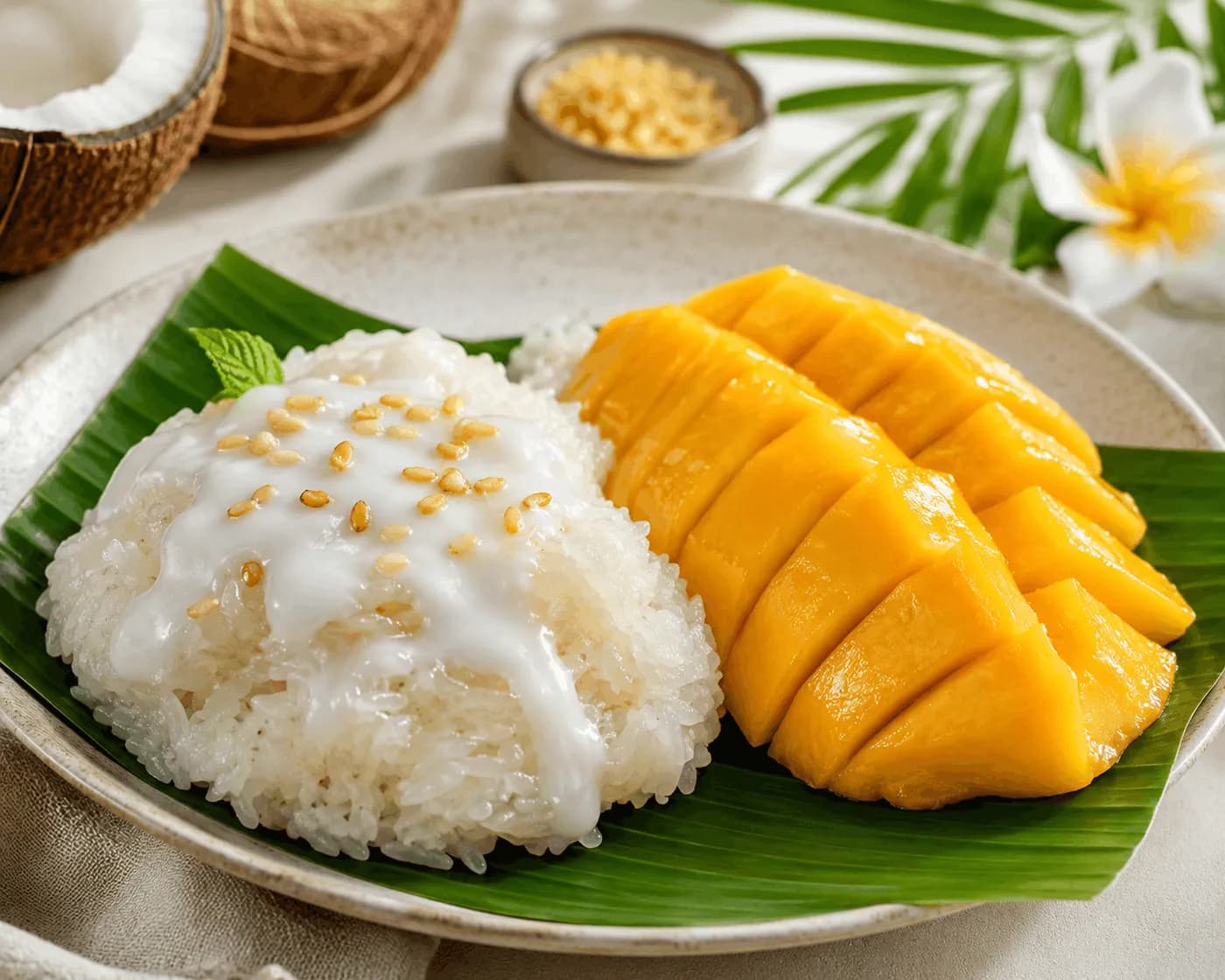
Traditional dishes featuring mangoes include Indian Aamras, a sweet mango pulp, Thai mango sticky rice, and Mexican mango salsa. Each dish highlights the fruit’s versatility and cultural significance.
Sustainability insights
Mango cultivation emphasizes the need for sustainable agricultural practices to ensure long-term production without overexploiting natural resources.
high
Locally grown mangoes tend to have a lower environmental impact compared to imported ones due to reduced transportation emissions and support for local economies.
We aim to keep this Mango profile accurate and easy to understand. Nutrition values and % Daily Value figures are based on established reference databases and standard daily value guidance.
Last updated: September 8, 2026
Medical disclaimer
This page is for general educational purposes and does not replace professional medical advice.
Found an issue? Contact us.