Loading Fruit Details...
Please wait while we fetch nutritional information and health benefits
Please wait while we fetch nutritional information and health benefits
Recommended Products
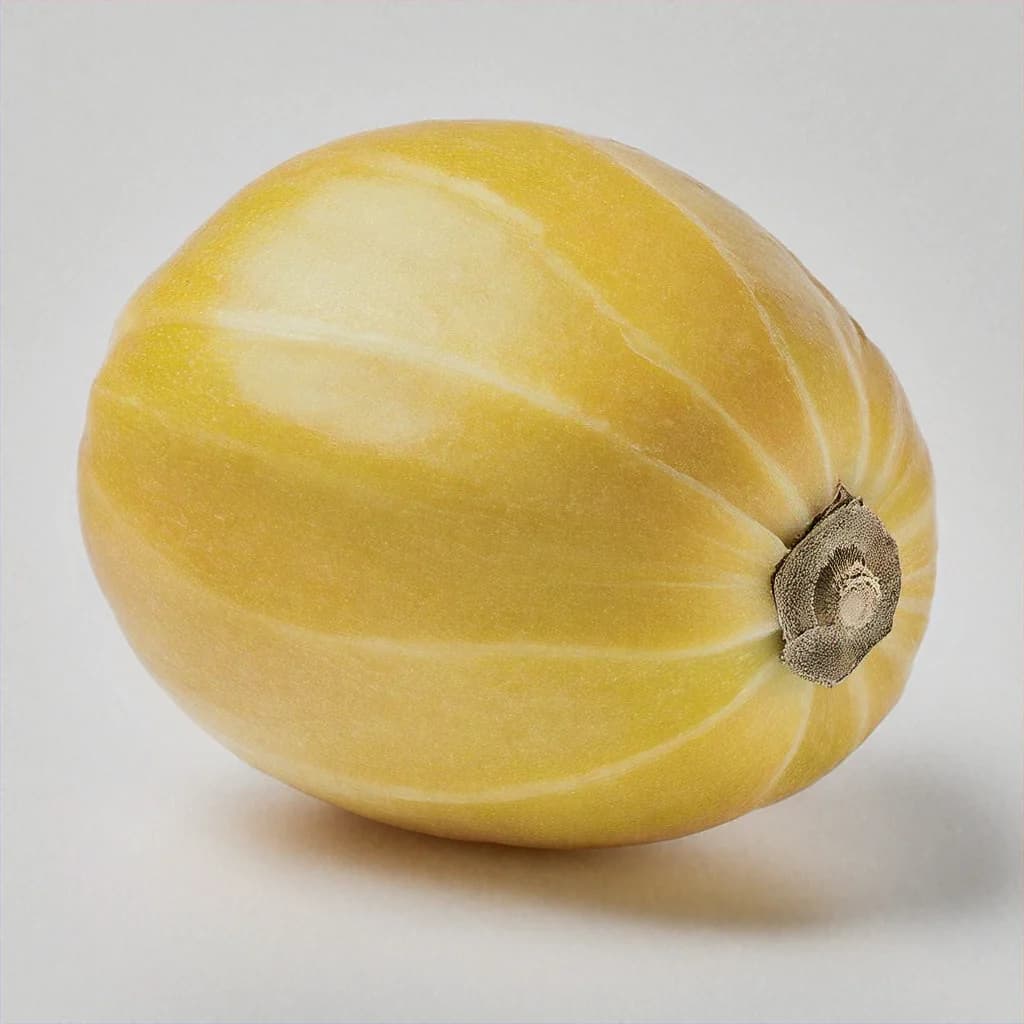
Campomanesia phaea
Cambuci (Campomanesia phaea) is a tropical fruit native to the Atlantic Forest of Brazil. This dark purple, almost black fruit is a member of the Myrtaceae family and is known for its tart, slightly sweet flavor, reminiscent of a cross between a grape and a plum. The fruit grows on evergreen trees and is highly prized for its unique taste and vibrant color, which deepens as it ripens. Cambuci is not only delicious but also packed with antioxidants, vitamins, and minerals, making it a nutritional powerhouse. Its juicy flesh is often used in jams, juices, and desserts, while its slight acidity lends itself well to savory dishes. Cambuci is a seasonal delight that embodies the rich biodiversity of its native region, offering both culinary versatility and health benefits.
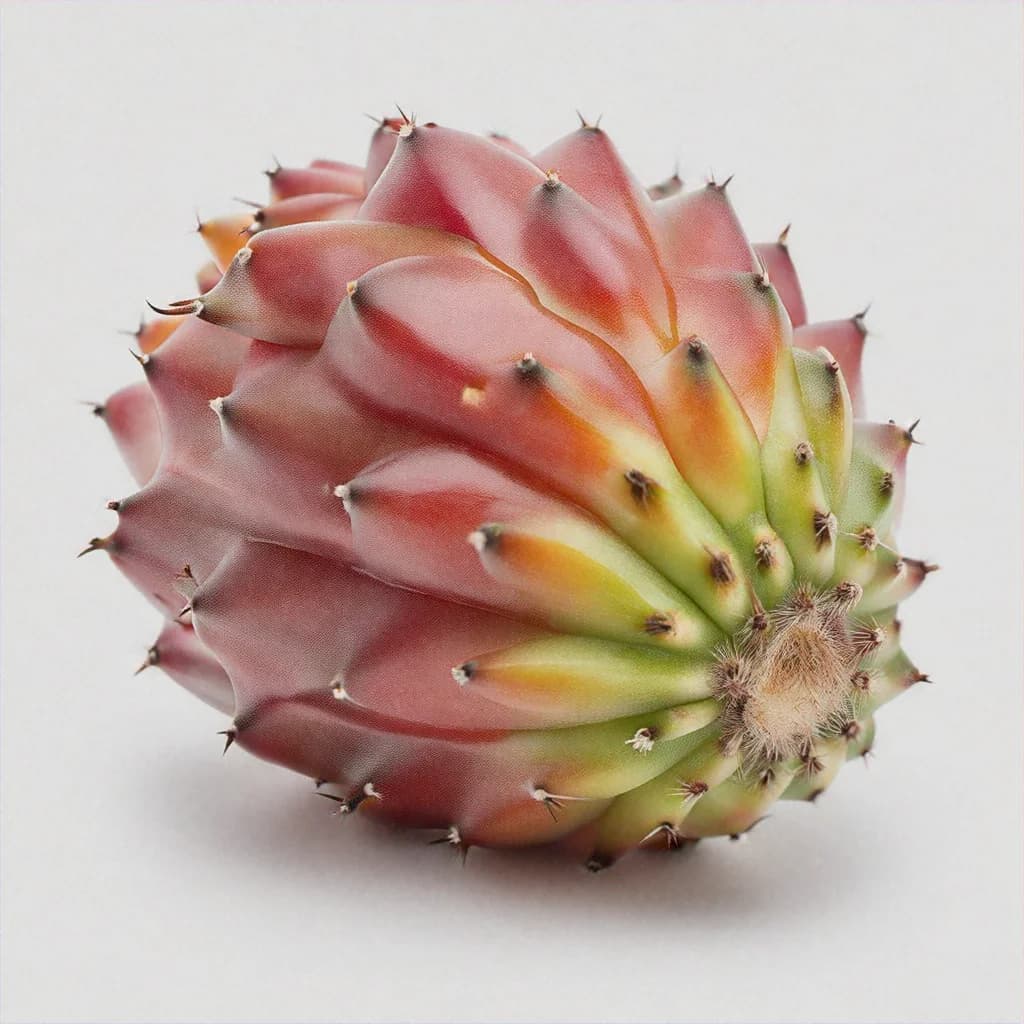
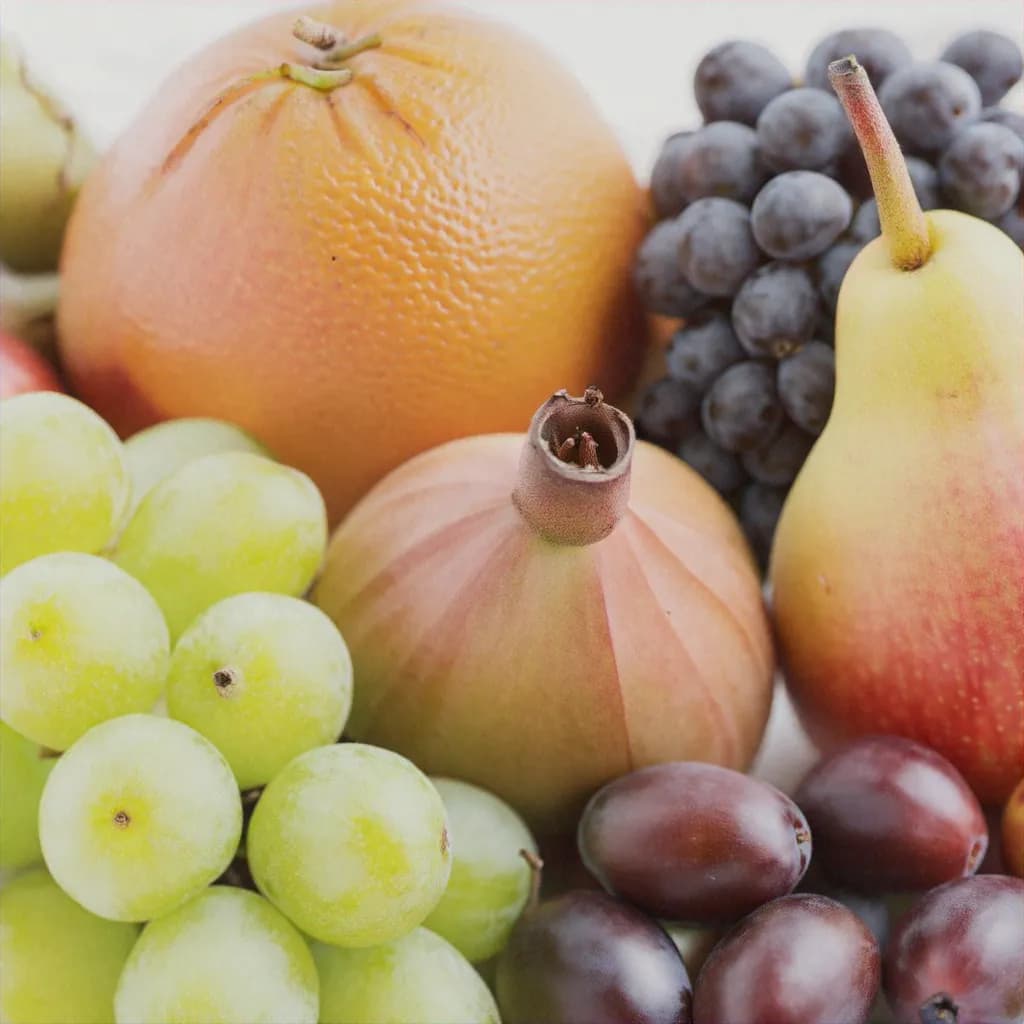
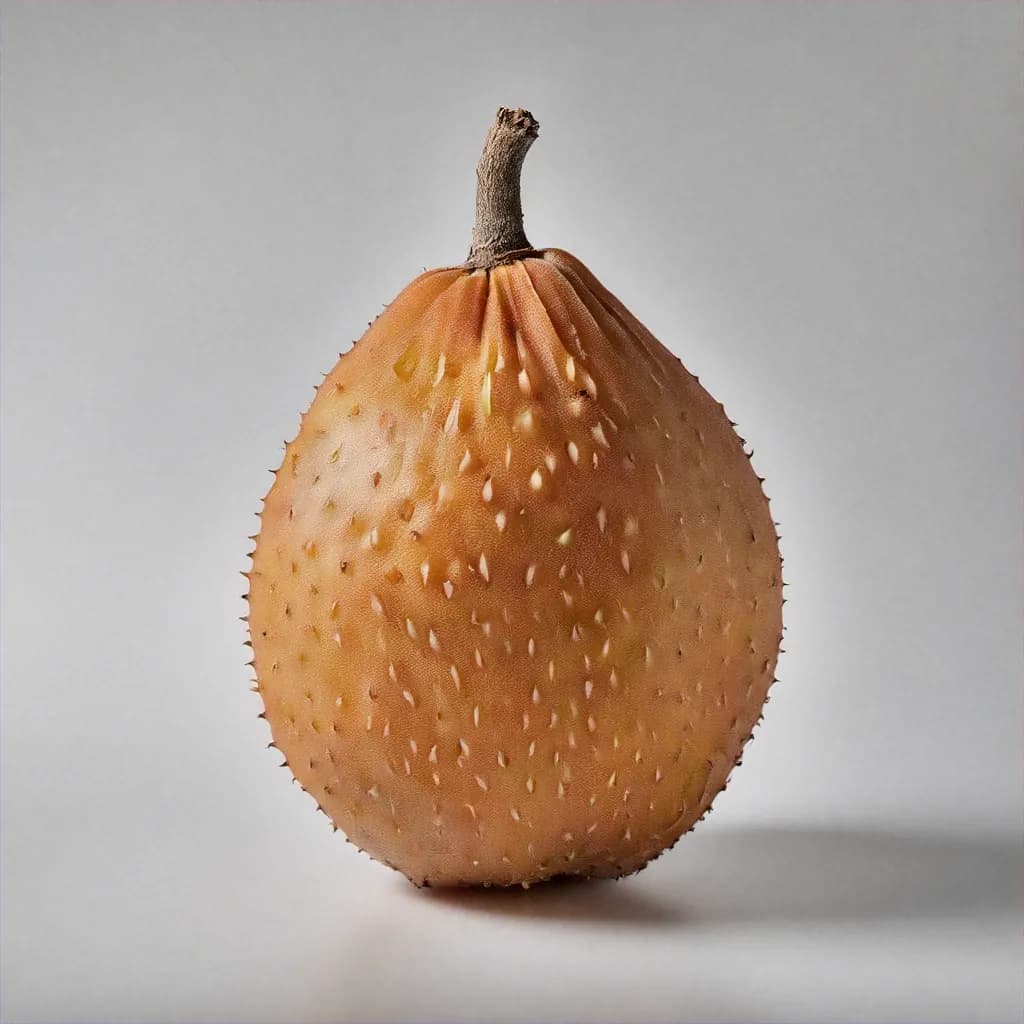
Explore Cambuci in stunning detail
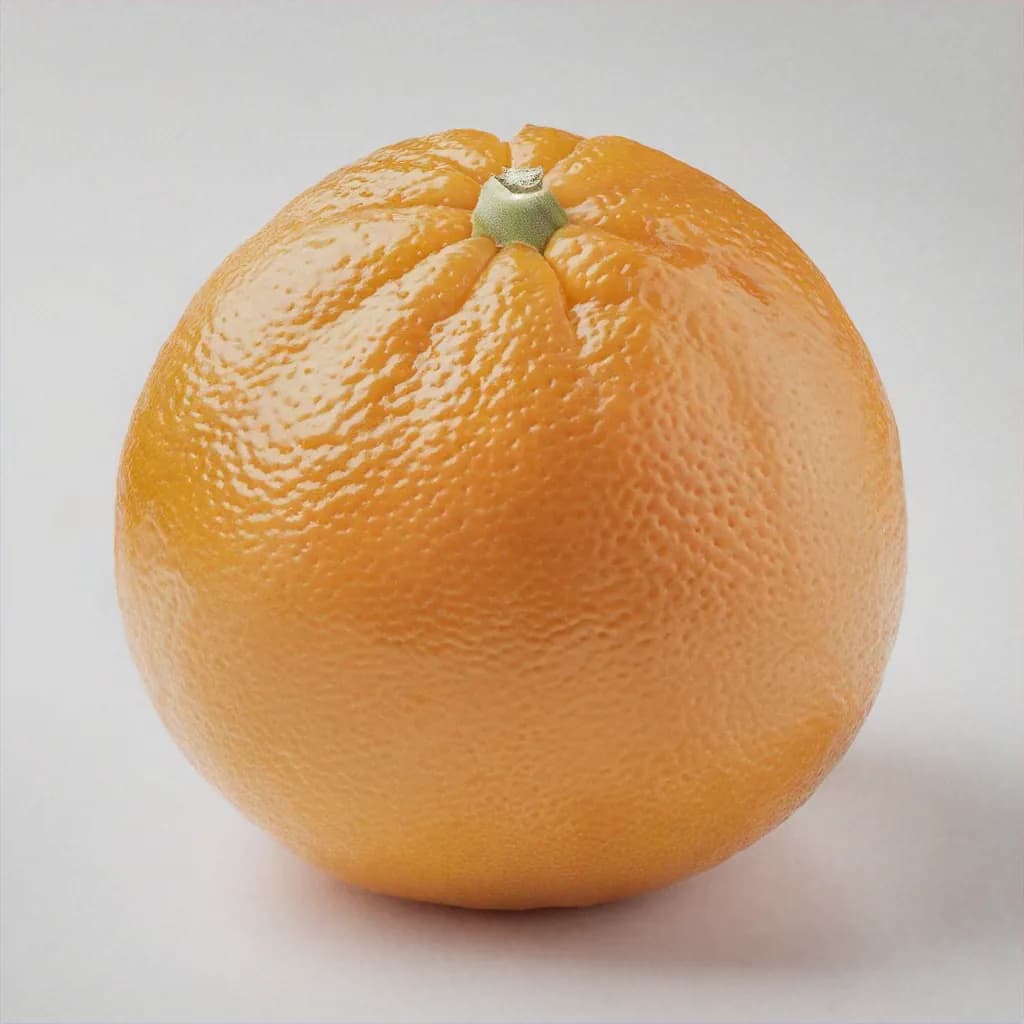
Cambuci - Main View
Per 100g
Per 100g
Nutrition breakdown for one serving
Atlantic Forest of Brazil
Cambuci has been a staple in the diets of indigenous communities in Brazil for centuries. Its cultivation has remained largely local, preserving its status as a niche tropical fruit.
Late spring to early summer
Each variety offers unique flavors, textures, and culinary applications
Keep your fruit fresh and delicious for longer
Look for fruits with a deep purple or black color.
Select fruits that are firm but yield slightly to gentle pressure.
Store cambuci in the refrigerator to extend shelf life.
Avoid washing the fruit until ready to use.
Preserve freshness for months
Freeze cambuci pulp in airtight containers for up to 6 months.
Freeze whole fruits after washing and drying thoroughly.
Label frozen items with the date to track freshness. Most fruits maintain quality for 2-3 months when properly frozen. For best results, use airtight containers or freezer bags to prevent freezer burn.
Discover delicious possibilities
No known allergies are associated with cambuci, but individuals with fruit allergies should exercise caution.
Cambuci is typically grown with minimal pesticide use, but it is always best to wash the fruit thoroughly before consuming.
Surprising trivia you'll love!
Cambuci is often referred to as the 'black pearl' of Brazilian fruits.
The fruit's dark color comes from anthocyanins, powerful antioxidants that give it its vibrant hue.
Cambuci has a tart, slightly sweet flavor, similar to a cross between a grape and a plum.
A ripe cambuci will have a deep purple or black color and will yield slightly to gentle pressure.
Cambuci can last up to 7 days when stored in the refrigerator.
Yes, its slight acidity makes it a great addition to sauces, marinades, and salads.
Cambuci contains about 10.6g of sugar per 100g, which is moderate compared to other fruits.
Yes, cambuci is a good source of dietary fiber, which supports digestive health.
Cambuci has a moderate glycemic index of 55, so it can be consumed in moderation as part of a balanced diet for diabetics.
Sustainability insights
Cambuci is often grown in sustainable, small-scale farms in Brazil, contributing to biodiversity conservation.
Low, as it is primarily consumed locally in Brazil.
Moderate, as it requires regular irrigation during dry seasons.
Locally grown cambuci is more sustainable due to lower transportation emissions.
We aim to keep this Cambuci profile accurate and easy to understand. Nutrition values and % Daily Value figures are based on established reference databases and standard daily value guidance.
Last updated: October 6, 2026
Medical disclaimer
This page is for general educational purposes and does not replace professional medical advice.
Found an issue? Contact us.