Loading Fruit Details...
Please wait while we fetch nutritional information and health benefits
Please wait while we fetch nutritional information and health benefits
Recommended Products
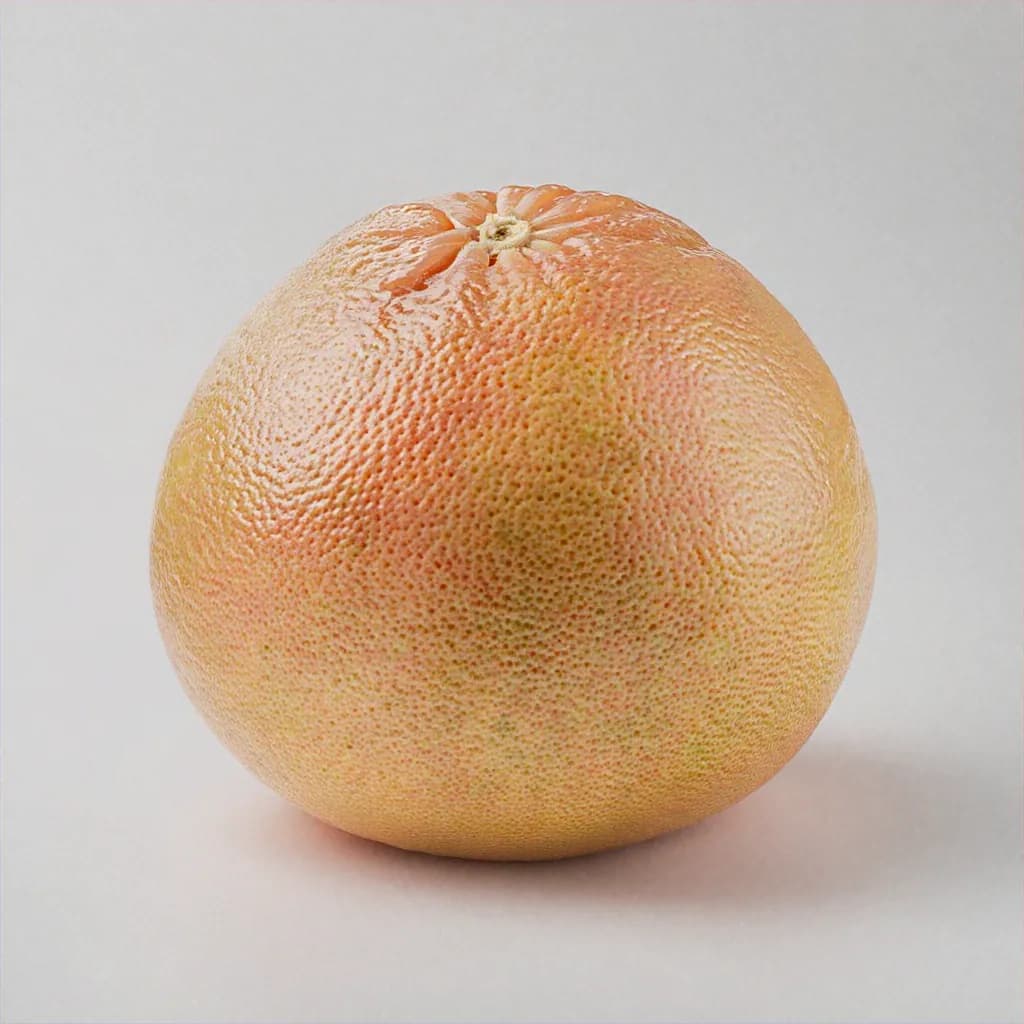
Citrus × paradisi
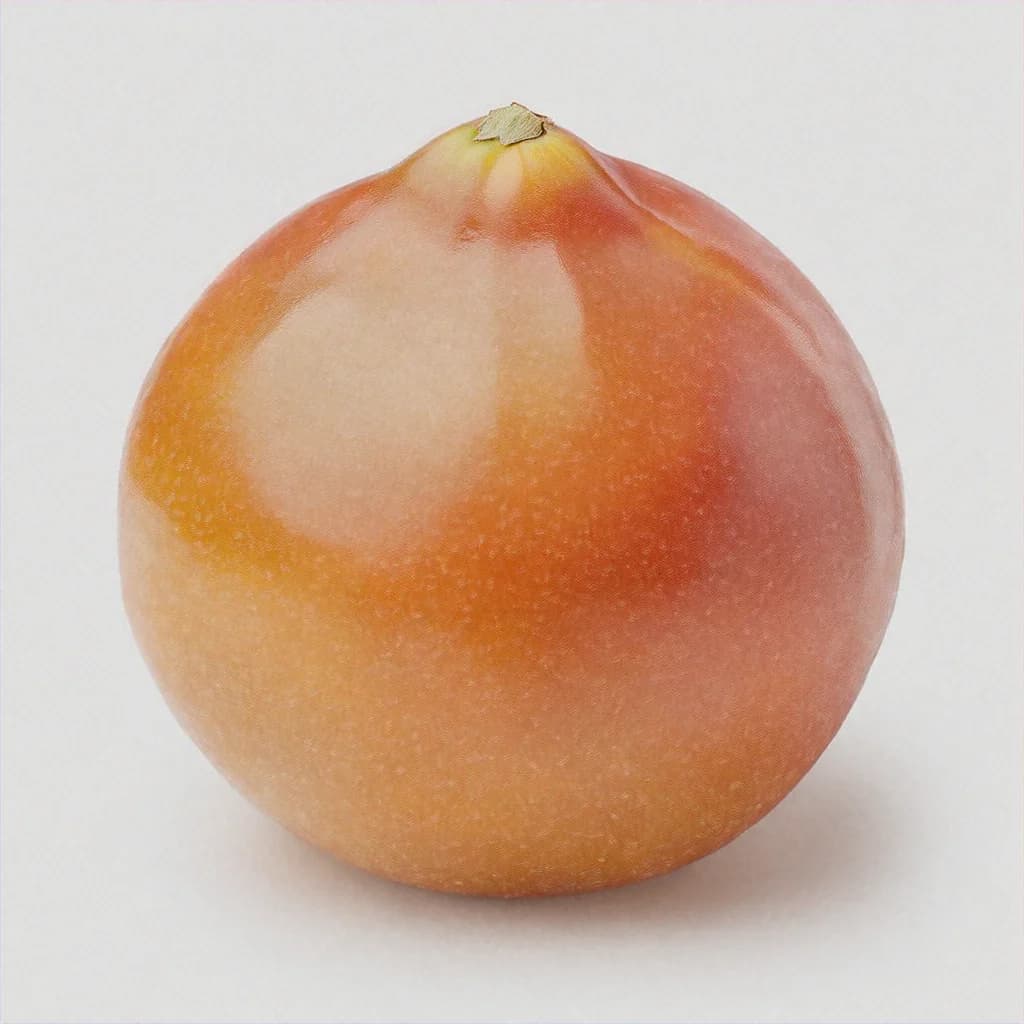
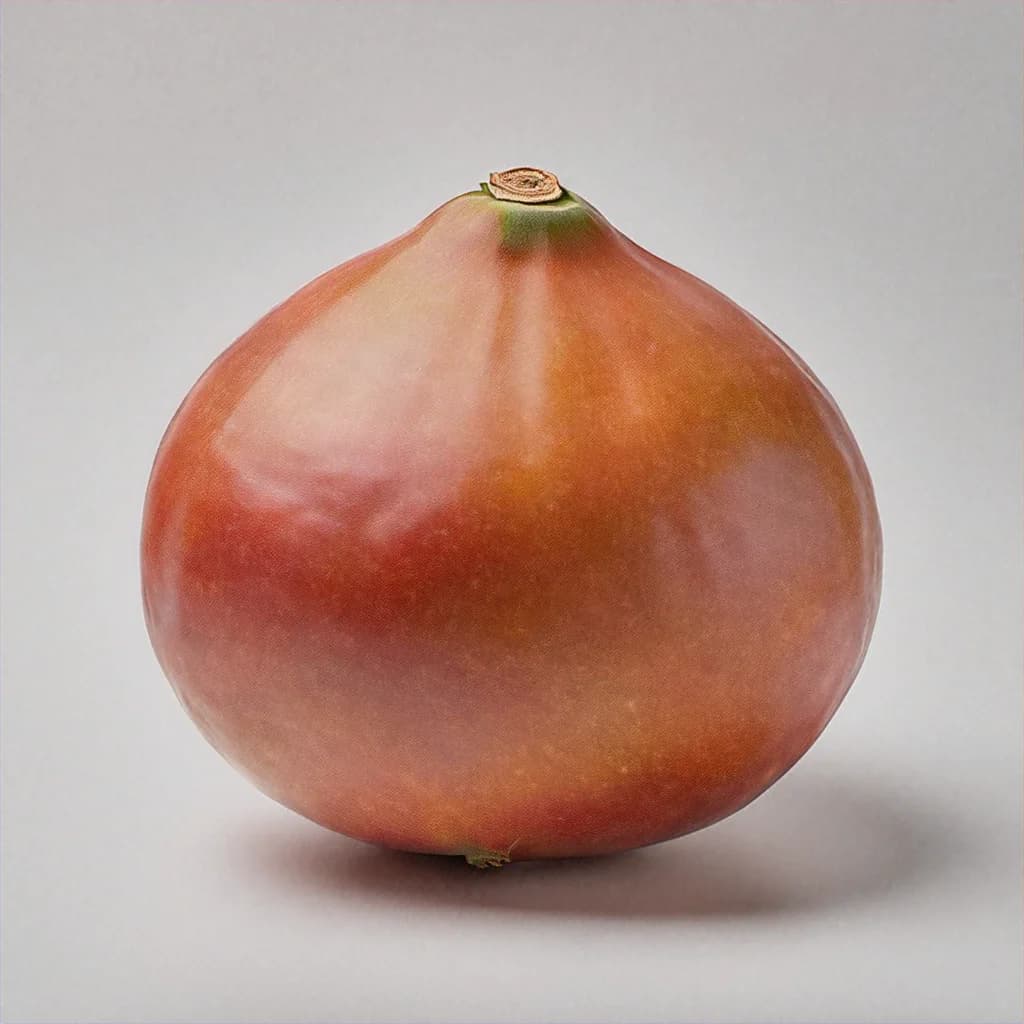
Grapefruit is a large, tangy citrus fruit with a distinctive bittersweet flavor profile ranging from tart to sweet depending on variety. Available in colors from white and pink to deep ruby red, grapefruits are nutritional powerhouses packed with vitamin C, vitamin A, fiber, and unique antioxidants like lycopene (in red varieties). Known for supporting weight loss, boosting immunity, and promoting heart health, grapefruit offers exceptional nutritional benefits with very few calories. The fruit's refreshing tartness makes it perfect for breakfast, salads, juices, and cocktails. Available year-round with peak season in winter and spring, grapefruit provides a zesty, energizing start to any day.
Explore Grapefruit in stunning detail
Grapefruit - Main View
Per 100g
Per 100g
Nutrition breakdown for one serving
Barbados (hybrid origin, discovered in the 18th century)
Grapefruit is a relatively recent fruit, discovered in Barbados in the 18th century as a natural hybrid between sweet orange and pomelo. The name 'grapefruit' comes from the way fruits grow in clusters resembling grapes. Welsh naturalist Reverend Griffith Hughes first documented the fruit in 1750, calling it the 'forbidden fruit.' Commercial cultivation began in Florida around 1823 when Count Odet Philippe planted the first grove. The famous Ruby Red variety was discovered as a mutation in Texas in 1929, followed by other red and pink varieties. Florida dominated U.S. production for over a century. The grapefruit diet craze of the 1930s popularized the fruit for weight loss. In the 1990s, researchers discovered grapefruit's interactions with certain medications, leading to important health warnings. Today, China leads global production. Texas designated grapefruit its official state fruit in 1993. Modern breeding continues developing sweeter, seedless varieties with deeper red flesh.
Available year-round with regional variations
Each variety offers unique flavors, textures, and culinary applications
Keep your fruit fresh and delicious for longer
Select grapefruits that feel heavy for their size indicating juiciness
Skin should be firm, smooth, and thin - thick skin means less flesh
Look for grapefruits with slight give when gently squeezed, not rock-hard
Avoid fruits with soft spots, bruises, or wrinkled skin
Color variations and minor blemishes don't affect quality
Slight green tinge on skin is acceptable - doesn't indicate unripeness
Shape can be round or slightly flattened - both are fine
Smell should be fresh and citrusy, not fermented
For red/pink varieties, deeper skin color often indicates more lycopene
Choose medium to large size for best flesh-to-rind ratio
Store whole grapefruits at room temperature for up to 1 week
For longer storage, refrigerate grapefruits for 2-3 weeks
Keep in crisper drawer or produce bin in refrigerator
Room temperature grapefruits are easier to juice and more flavorful
Store away from ethylene-producing fruits for maximum freshness
Cut grapefruit should be covered and refrigerated, used within 3-4 days
Grapefruit juice should be refrigerated and consumed within 2-3 days
Whole grapefruits don't ripen after picking - buy ready to eat
For best flavor, bring refrigerated grapefruit to room temperature before eating
Preserve freshness for months
Freeze grapefruit sections or juice for longer storage
For sections: peel, separate segments, remove membranes, spread on tray, freeze, then transfer to bags
For juice: squeeze fresh juice, pour into ice cube trays or freezer containers with headspace
Frozen grapefruit sections maintain quality for 10-12 months
Frozen juice maintains quality for 8-12 months
Thawed sections become soft - best used in smoothies, cooking, or beverages
Frozen juice cubes are perfect for cocktails, water flavoring, and smoothies
Label containers with freezing date for quality tracking
Whole grapefruit doesn't freeze well - texture becomes mushy
Label frozen items with the date to track freshness. Most fruits maintain quality for 2-3 months when properly frozen. For best results, use airtight containers or freezer bags to prevent freezer burn.
Discover delicious possibilities
Grapefruit allergies are uncommon but possible, typically manifesting as oral allergy syndrome (mouth, lip, or throat itching and swelling). True citrus allergies can cause more severe reactions including hives, digestive upset, respiratory symptoms, or rarely, anaphylaxis. Cross-reactivity may occur with other citrus fruits (oranges, lemons, limes). Some people react to limonene or other citrus compounds rather than the fruit itself. Citrus allergies can develop at any age. Those with birch pollen allergies may experience cross-reactions. Contact dermatitis from grapefruit peel oils is possible (skin rash, irritation). Most grapefruit allergies are mild, but severe reactions require medical attention. Those with known citrus allergies should avoid grapefruit entirely. Always introduce grapefruit to infants cautiously and watch for reactions.
Conventionally grown grapefruit may contain pesticide residues, though typically at lower levels than thin-skinned fruits. The thick rind provides some protection, but chemicals can penetrate. Washing thoroughly under running water for 30 seconds reduces surface residues. Since most people eat the flesh only, pesticide exposure is lower than for fruits eaten with skin. However, if using grapefruit zest or making marmalade, organic grapefruits are preferable. The Environmental Working Group doesn't include grapefruit in the 'Dirty Dozen' highest-pesticide produce. Organic grapefruits are widely available fresh and as juice. For frequent consumers, pregnant women, and children, organic options reduce pesticide exposure. Always wash grapefruit before cutting to prevent transferring surface residues to flesh.
Surprising trivia you'll love!
Grapefruit got its name because the fruits grow in clusters resembling giant grapes on the tree
The fruit is a natural hybrid between sweet orange and pomelo, discovered accidentally in Barbados
It takes 7-8 years for a grapefruit tree to begin producing fruit from seed
Ruby Red grapefruit was discovered as a spontaneous mutation in Texas in 1929 and patented
Grapefruit is one of the 'Seven Wonders of Barbados' where it was first documented in 1750
The grapefruit's interaction with medications wasn't discovered until 1989 during a drug study
Pink and red grapefruits get their color from lycopene, the same antioxidant found in tomatoes
A single grapefruit tree can produce 1,500 pounds of fruit per season in ideal conditions
Texas declared the Ruby Red grapefruit its official state fruit in 1993
The citric acid in grapefruit can naturally clean and deodorize cutting boards and remove mineral deposits
Grapefruit contains compounds called furanocoumarins that inhibit CYP3A4 enzymes in the intestines and liver. These enzymes metabolize (break down) many medications. When grapefruit blocks these enzymes, medication levels in the bloodstream can become dangerously high, causing serious side effects. Affected medications include statins (cholesterol drugs), some blood pressure medications, immunosuppressants, certain psychiatric medications, and many others - over 85 drugs have documented interactions. The effect can last 24+ hours after consuming grapefruit. Even small amounts (one grapefruit or 200ml juice) can cause interactions. Severity varies by medication and individual. Some medications have warnings against grapefruit, while others are safe. ALWAYS check with your doctor or pharmacist about grapefruit-medication interactions. If taking affected medications, avoid grapefruit entirely - switching to oranges or other citrus is safer. Read medication labels and inserts carefully.
Pink and red grapefruits offer slightly more health benefits than white varieties due to lycopene content. The pink-red pigmentation comes from lycopene, a powerful antioxidant linked to heart health, reduced cancer risk, and cardiovascular protection. Red/pink varieties can contain up to 5,000 mcg lycopene per grapefruit. They also tend to be sweeter and less bitter, making them more palatable. However, white grapefruit still provides excellent nutrition including high vitamin C (43% DV per half), fiber, potassium, and flavonoids. Both colors have identical vitamin C content and similar overall nutritional profiles. White varieties contain more naringenin (beneficial flavonoid). The glycemic index and calorie content are virtually identical. Pink/red grapefruits offer a nutritional edge from lycopene, but both colors are exceptionally healthy. Choose based on taste preference - the best grapefruit is the one you'll eat regularly. For maximum antioxidant benefits, opt for deeply colored red varieties like Rio Red or Ruby Red.
Research suggests grapefruit may support weight loss as part of a healthy diet, though it's not a magic solution. Studies show eating half a grapefruit before meals can lead to modest weight loss (1-1.5 pounds over 12 weeks) and improved insulin sensitivity. Potential mechanisms include: high water and fiber content promoting satiety with only 52 calories per half, compounds that may improve insulin sensitivity and glucose metabolism, hydration supporting metabolism, and displacement of higher-calorie foods. The 'grapefruit diet' from the 1930s was a fad with no scientific basis. Modern research is more promising but moderate. Grapefruit works best as part of balanced, calorie-controlled diet with exercise - not as sole weight loss strategy. Benefits likely come from low calories, high fiber, and water content rather than special fat-burning properties. For weight loss, eat half a grapefruit before meals, stay within calorie goals, and maintain healthy lifestyle. Check medication interactions before starting regular grapefruit consumption.
Multiple methods exist for eating grapefruit: (1) Halved with spoon - cut grapefruit in half horizontally, loosen segments with knife or grapefruit spoon (serrated edges), scoop out segments, optionally sprinkle with sugar or honey to reduce tartness. (2) Segmented/supremed - cut off top and bottom, remove all peel and white pith with knife, cut along membranes to release segments, yields clean fruit pieces for salads. (3) Peeled like orange - peel away skin, separate segments, eat like orange sections (messier due to juice). (4) Juiced - cut in half, use citrus juicer or reamer, strain seeds if desired, drink fresh. Tips: Use grapefruit knife (curved, serrated) or spoon for halved method. Cut between segments and outer membrane for easier eating. Chill grapefruit for more refreshing flavor. Broil halves with honey/sugar for warm breakfast treat. The halved-with-spoon method is most common. Segmenting provides cleanest presentation for recipes.
Grapefruit's characteristic bitterness comes primarily from naringin, a flavonoid compound concentrated in the white pith and membranes. Naringin provides health benefits (antioxidant, anti-inflammatory) but tastes intensely bitter. Limonin, another bitter compound, develops when grapefruit is cut or juiced. The bitterness level varies by variety - white grapefruits are most bitter, while red/pink types like Ruby Red are sweeter with less naringin. Genetic variations affect individual sensitivity - some people taste bitterness more intensely due to taste receptor genes (TAS2R genes). The bitterness has purpose: naringin and related flavonoids offer cardiovascular benefits and antioxidant protection. To reduce bitterness: choose red/pink varieties, remove white pith thoroughly when segmenting, add honey or sugar, sprinkle with salt (counteracts bitterness), or grill/broil to caramelize sugars. Some people acquire taste for bitterness over time. Bitterness doesn't diminish nutritional value - it indicates beneficial compounds.
Yes, eating grapefruit on an empty stomach is generally safe and potentially beneficial for most people. Benefits include: some studies suggest eating grapefruit before meals aids weight loss and improves insulin sensitivity, high vitamin C absorption may be better on empty stomach, hydrating way to start the day, and may promote healthy digestion. However, some individuals should exercise caution: those with GERD or acid reflux may experience discomfort from citric acid on empty stomach, people with sensitive stomachs might find grapefruit's acidity irritating, and individuals taking certain medications must avoid grapefruit entirely (regardless of timing). The traditional recommendation to eat half a grapefruit before breakfast stems from weight loss research. For most people, grapefruit makes an excellent breakfast or pre-meal snack. If you experience stomach discomfort, try eating grapefruit with other foods or after eating. Listen to your body - if grapefruit on empty stomach causes issues, adjust timing. Always check medication interactions before regular grapefruit consumption.
Whole grapefruit storage life depends on conditions: at room temperature, whole grapefruits last 5-7 days; refrigerated, they last 2-3 weeks; cut grapefruit (covered) lasts 3-4 days refrigerated; fresh grapefruit juice lasts 2-3 days refrigerated; frozen sections last 10-12 months; frozen juice lasts 8-12 months. Signs of spoilage include soft spots or mushiness, mold (white or fuzzy patches), off or fermented smell, and excessive wrinkling or shriveling. Storage tips for maximum freshness: store whole grapefruits in refrigerator crisper drawer, keep away from ethylene-producing fruits (apples, bananas), cover cut grapefruit tightly with plastic wrap or in airtight container, consume juice within 2-3 days or freeze for longer storage, and bring refrigerated grapefruit to room temperature before eating for best flavor. Grapefruits don't ripen after picking - buy ready to eat. Heavy grapefruits have more juice and last longer. Refrigeration significantly extends shelf life compared to room temperature storage.
No, grapefruit is not recommended for dogs and can be harmful. While not as toxic as grapes, grapefruit poses several risks: the high acidity can cause stomach upset, vomiting, and diarrhea; essential oils in grapefruit skin and pith can be toxic to dogs; the bitter compounds may cause drooling and discomfort; large amounts may cause central nervous system depression; and seeds could pose choking hazards. The flesh is less dangerous than peel/pith but still not recommended. Symptoms of grapefruit consumption in dogs include vomiting, diarrhea, drooling, lethargy, sensitivity to light, and depression. Small amounts of flesh may not cause severe issues but offer no benefits. The risks outweigh any potential nutritional value. Dogs don't need citrus fruits - they produce their own vitamin C. If your dog consumes grapefruit, especially peel or large amounts, contact your veterinarian. Prevention is best - keep grapefruits away from dogs. Safe fruit alternatives for dogs include apples (without seeds), bananas, blueberries, and watermelon (without seeds/rind). Always introduce new foods gradually and in moderation.
Sustainability insights
Grapefruit cultivation has moderate environmental impacts. Citrus groves are perennial crops lasting 30-50+ years, reducing replanting frequency. Benefits include: carbon sequestration in mature trees, less soil disruption than annual crops, and biodiversity support when managed sustainably. Challenges include: significant water requirements in arid growing regions (Florida, Texas, California), pesticide and fungicide use for disease management (citrus greening, fruit flies), and monoculture practices reducing biodiversity. Positive trends include integrated pest management adoption, organic grapefruit production growth, and precision irrigation reducing water waste. Many growers pursue sustainable certifications. Citrus greening disease (huanglongbing) has devastated Florida's industry, requiring intensive management. Supporting organic, sustainably certified grapefruit producers promotes environmental responsibility. Composting grapefruit rinds reduces waste.
Local grapefruit during peak season (winter-spring in respective regions) has minimal carbon footprint with short transportation distances. Florida, Texas, and California grapefruits for North American markets involve moderate transport impacts. Imported grapefruits from South Africa, Israel, or South America increase carbon footprint significantly due to shipping distances. Refrigerated storage and transport add energy use. Processing into juice involves energy for extraction, pasteurization, and packaging. Choosing seasonal domestic grapefruits minimizes environmental impact. Fresh whole fruit has lower footprint than juice (processing energy). During off-season, domestic frozen juice may have lower overall impact than fresh imports despite freezing energy. Glass juice bottles are heavy and energy-intensive versus cartons. Local, seasonal grapefruit offers lowest carbon footprint.
Grapefruit cultivation requires substantial water, especially in arid regions like Texas, California, and Arizona. Citrus trees need approximately 40-50 inches (1,000-1,270mm) water annually depending on climate, soil, and irrigation method. Water footprint is approximately 560-860 liters per kilogram of grapefruit - higher than many fruits but moderate for tree crops. Florida's humid climate requires less irrigation than western states. Water-efficient drip and micro-sprinkler irrigation systems are increasingly standard, dramatically reducing waste compared to flood irrigation. Mulching around trees conserves soil moisture. Deficit irrigation strategies stress trees slightly to improve fruit quality while conserving water. Drought-tolerant rootstocks reduce water needs. Juice production adds water for washing and processing. Sustainable groves implement rainwater harvesting, soil moisture monitoring, and water recycling systems.
Buying local grapefruit during regional peak seasons maximizes sustainability and freshness. Florida season runs October-May, Texas October-May, California/Arizona November-June, providing extended domestic availability. Purchasing from regional sources during peak season reduces transportation emissions significantly. Farmers markets offer freshest local grapefruit with minimal carbon footprint. Summer imports from Southern Hemisphere (South Africa, Argentina) have higher environmental impact due to shipping distances. Frozen domestic juice offers year-round availability with lower footprint than fresh imports. Supporting local citrus farmers helps preserve agricultural heritage and rural economies, especially important as Florida's industry recovers from citrus greening disease. Check grapefruit origin labels and choose closest sources. Organic local grapefruit provides environmental and health benefits.
We aim to keep this Grapefruit profile accurate and easy to understand. Nutrition values and % Daily Value figures are based on established reference databases and standard daily value guidance.
Last updated: September 20, 2026
Medical disclaimer
This page is for general educational purposes and does not replace professional medical advice.
Found an issue? Contact us.