Loading Fruit Details...
Please wait while we fetch nutritional information and health benefits
Please wait while we fetch nutritional information and health benefits
Recommended Products
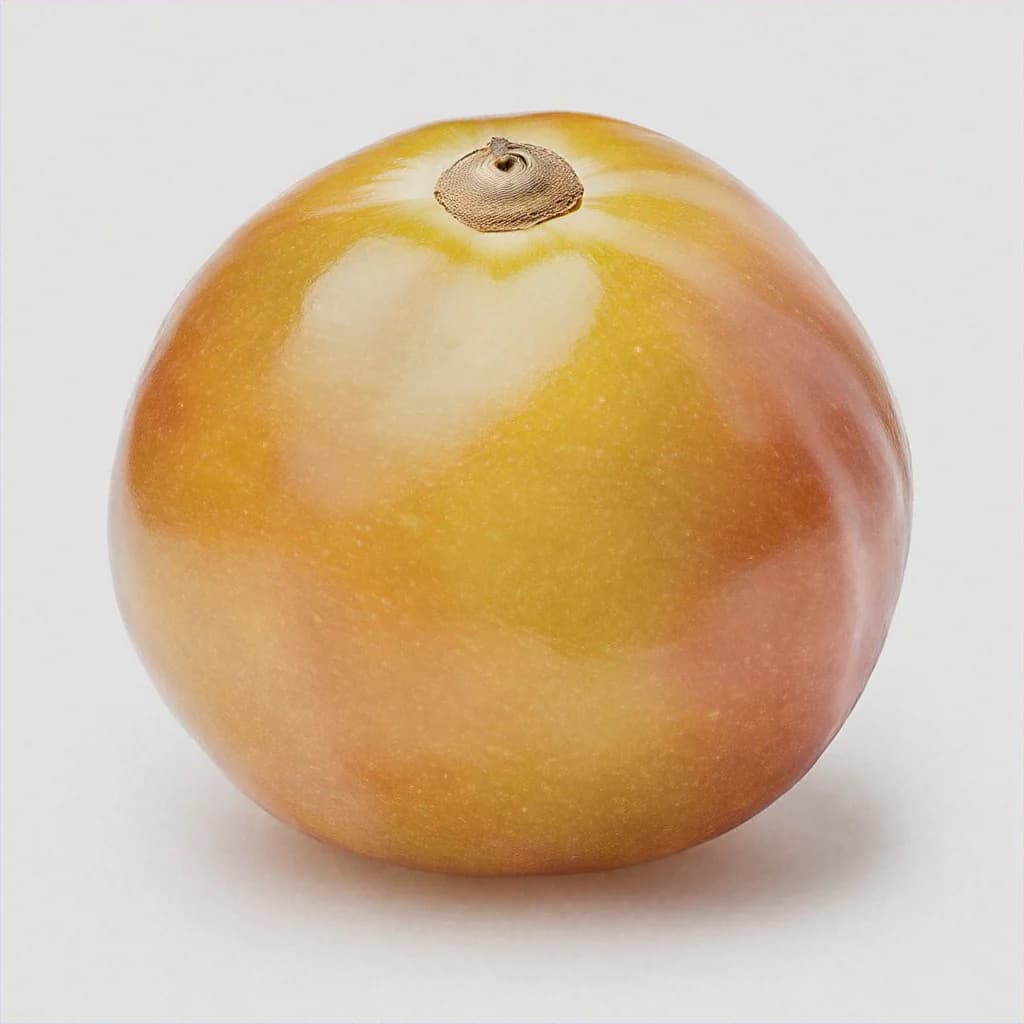
Myrciaria glazioviana
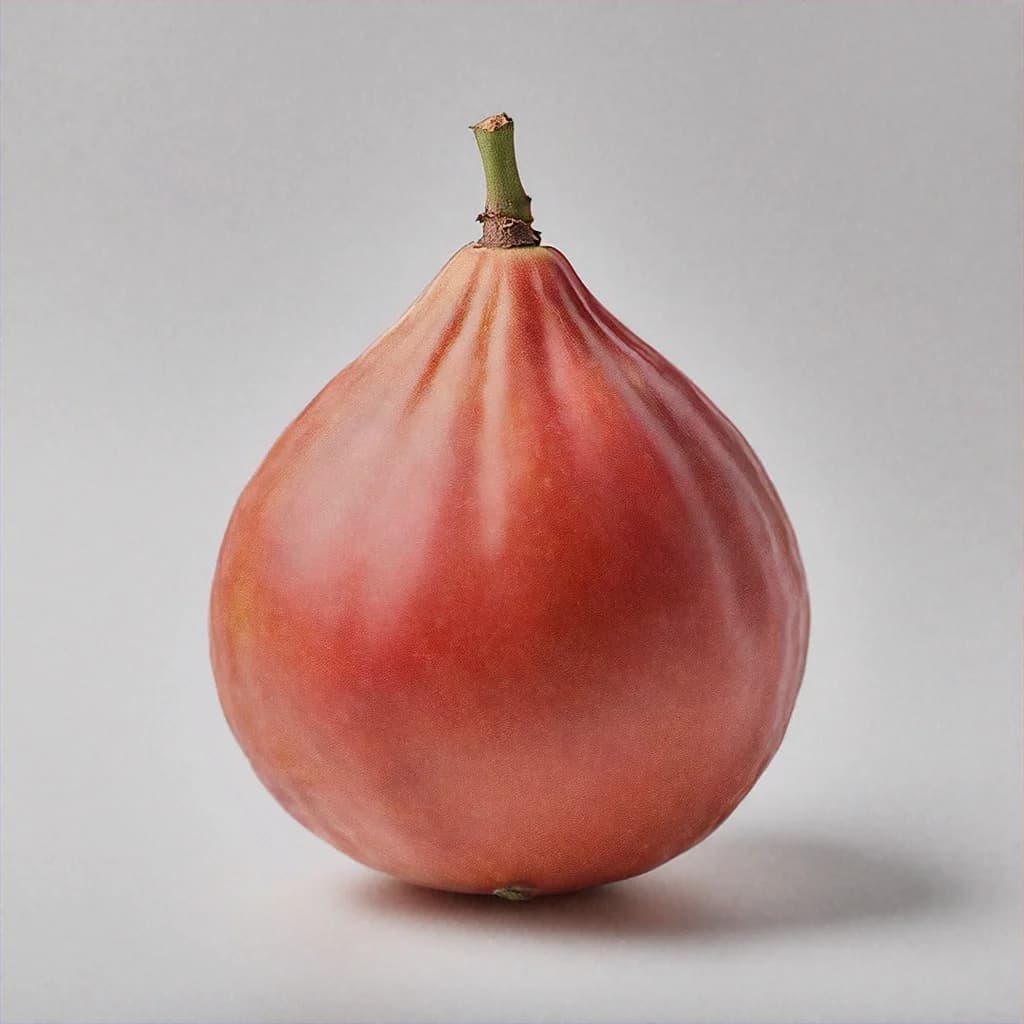
Cabeludinha, scientifically known as Myrciaria glazioviana, is a vibrant, small tropical fruit native to South America, particularly Brazil. The fruit is round, about 1.5 cm in diameter, and has a hairy outer surface, which gives it its name 'Cabeludinha,' meaning 'little hairy one' in Portuguese. The flesh is juicy, tart, and slightly acidic, similar to a cranberry or cherry, making it a popular ingredient in juices, jams, and desserts. Rich in antioxidants, vitamins, and minerals, Cabeludinha is not only a delightful addition to culinary creations but also offers significant health benefits. Its unique flavor profile and nutritional value make it a sought-after fruit in both local and international markets.
Explore Cabeludinha in stunning detail
Cabeludinha - Main View
Per 100g
Per 100g
Nutrition breakdown for one serving
South America, particularly Brazil
Cabeludinha has been traditionally used in South American cultures for its medicinal properties and culinary versatility. It has gained popularity in recent years due to its high antioxidant content and unique flavor.
Late spring to early summer
Each variety offers unique flavors, textures, and culinary applications
Keep your fruit fresh and delicious for longer
Select fruits with a vibrant purple-red color.
Avoid fruits with bruises or soft spots.
Opt for slightly firm fruits with a hairy texture.
Store in a cool, dry place for up to 3 days.
Refrigerate for longer storage, up to 1 week.
Preserve freshness for months
Freeze whole or as puree in airtight containers.
Use frozen Cabeludinha within 6 months for best quality.
Label frozen items with the date to track freshness. Most fruits maintain quality for 2-3 months when properly frozen. For best results, use airtight containers or freezer bags to prevent freezer burn.
Discover delicious possibilities
Cabeludinha is not commonly associated with allergies, but individuals with fruit allergies should exercise caution.
Cabeludinha is generally low in pesticide residues due to its natural resistance to pests.
Surprising trivia you'll love!
Cabeludinha's name translates to 'little hairy one' due to its hairy outer surface.
In Brazil, Cabeludinha is often used to make a refreshing juice called 'suco de Cabeludinha.'
Cabeludinha has a tart, slightly sweet flavor, similar to a blend of cranberry and cherry.
Ripe Cabeludinha will have a vibrant purple-red color and a slightly firm texture with a hairy outer surface.
Yes, Cabeludinha can be frozen whole or as puree in airtight containers for up to 6 months.
Cabeludinha is commonly used in juices, jams, desserts, and sauces due to its unique flavor.
No, Cabeludinha is relatively low in sugar compared to other fruits, making it a healthier option.
While rare, high consumption of Cabeludinha may interact with blood-thinning medications due to its antioxidant content. Always consult a healthcare provider.
Cabeludinha is generally considered sustainable, as it is a native fruit in South America and requires minimal water and pesticides.
Sustainability insights
Cabeludinha is a sustainable fruit, as it is native to South America and requires minimal resources to grow.
Low, as it is often locally sourced in South America.
Minimal, as the plant is drought-tolerant.
Local production is preferred for freshness and lower environmental impact.
We aim to keep this Cabeludinha profile accurate and easy to understand. Nutrition values and % Daily Value figures are based on established reference databases and standard daily value guidance.
Last updated: October 3, 2026
Medical disclaimer
This page is for general educational purposes and does not replace professional medical advice.
Found an issue? Contact us.