Loading Fruit Details...
Please wait while we fetch nutritional information and health benefits
Please wait while we fetch nutritional information and health benefits
Recommended Products
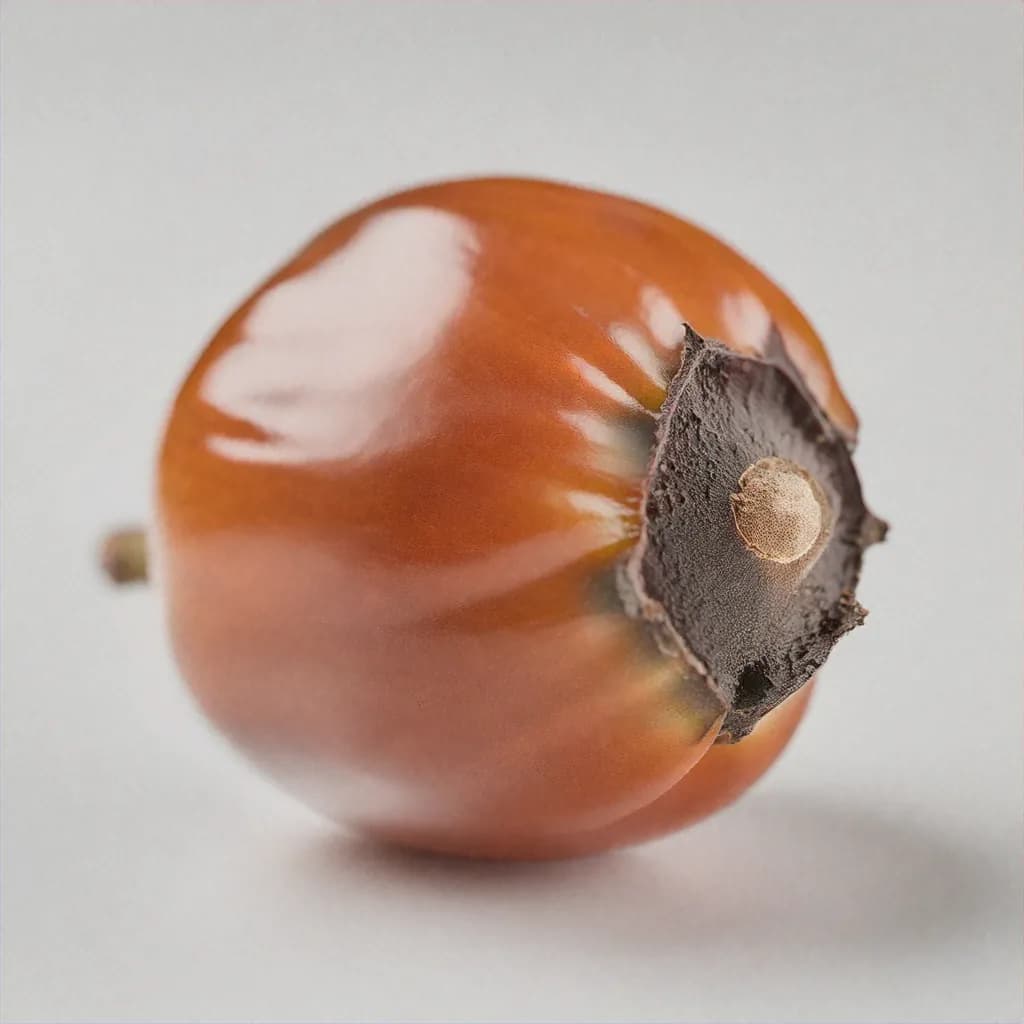
Paullinia cupana
Guarana is a powerful Amazonian superfruit best known for its naturally high caffeine content and exceptional antioxidant profile. Native to the Amazon rainforest, guarana seeds have been traditionally used for centuries to enhance energy, focus, and endurance. Unlike synthetic stimulants, guarana provides slow-releasing caffeine combined with polyphenols and tannins, offering sustained mental alertness without sudden crashes. With low calories and minimal sugar, guarana is widely used in functional beverages, supplements, and sports nutrition for natural energy and cognitive support.
Explore Guarana in stunning detail
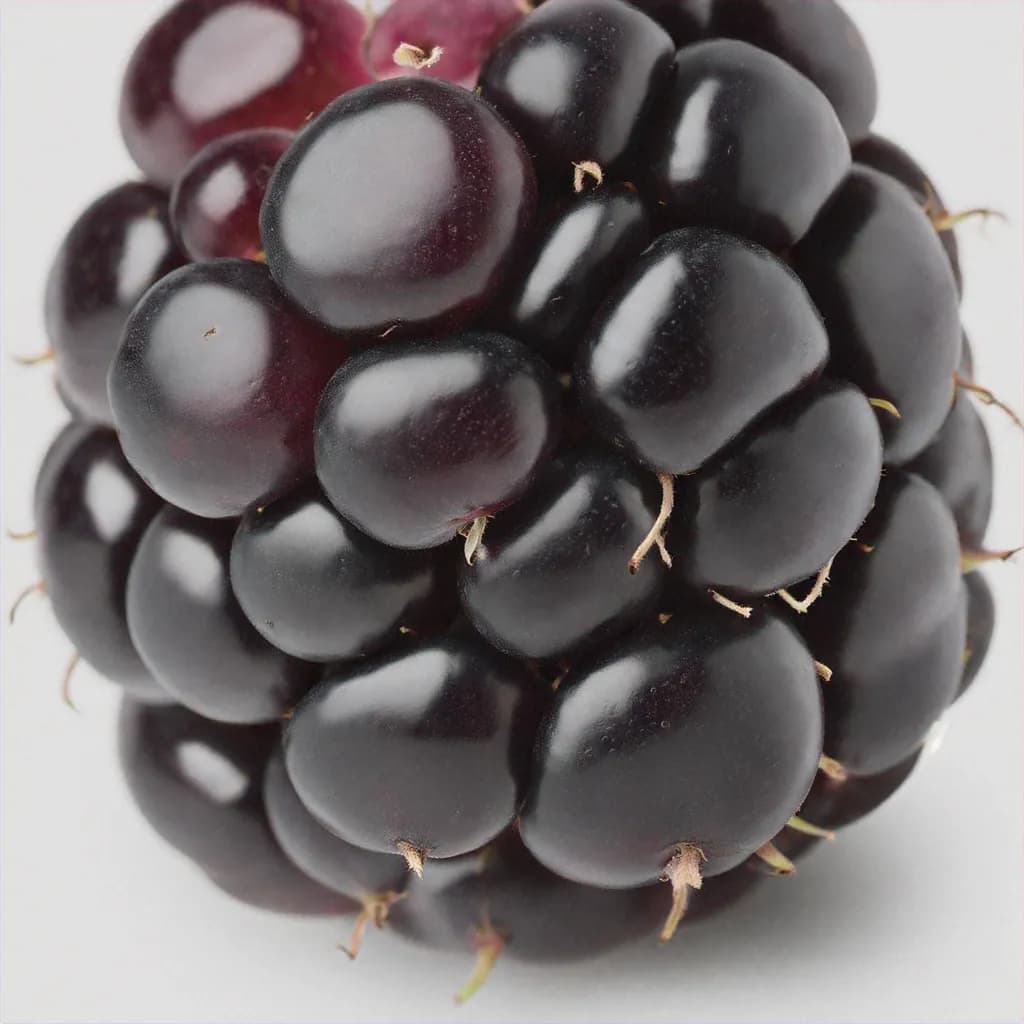
Guarana - Main View
Per 100g
Per 100g
Nutrition breakdown for one serving
Amazon Rainforest (South America)
Guarana (Paullinia cupana) has been cultivated and consumed by indigenous Amazonian tribes for over a thousand years. Traditionally used to combat fatigue, hunger, and heat stress, guarana later gained global attention for its exceptionally high natural caffeine content—often higher than coffee beans. Today, it is a key ingredient in energy drinks, supplements, and sports nutrition worldwide.
August–December
Each variety offers unique flavors, textures, and culinary applications
Keep your fruit fresh and delicious for longer
Choose pure guarana powder or extract without additives
Look for standardized caffeine content
Avoid products with excessive sweeteners or fillers
Store in airtight container away from heat and light
Keep powder dry to prevent clumping
Refrigeration not required for dried forms
Preserve freshness for months
Freeze fresh pulp if available
Store seeds airtight to preserve potency
Use frozen guarana in smoothies
Label frozen items with the date to track freshness. Most fruits maintain quality for 2-3 months when properly frozen. For best results, use airtight containers or freezer bags to prevent freezer burn.
Discover delicious possibilities
Guarana allergies are rare but possible.
Wild or sustainably cultivated guarana typically has low pesticide exposure.
Surprising trivia you'll love!
Guarana seeds contain up to 4–6 times more caffeine than coffee beans
The fruit resembles an eye when ripe, inspiring many Amazonian myths
Used traditionally as a natural hunger suppressant
Key ingredient in many Brazilian energy drinks
Provides longer-lasting energy compared to synthetic caffeine
Guarana is an Amazonian fruit known for its seeds, which contain very high levels of natural caffeine.
Yes, guarana seeds contain more caffeine than coffee beans, but the energy release is slower and longer-lasting.
Guarana is commonly consumed as powder, extract, capsules, or in energy drinks and functional beverages.
Yes, when used in moderation, guarana provides antioxidants and natural caffeine that support alertness and metabolism.
Yes, its natural caffeine and compounds like theobromine help improve energy, focus, and mental performance.
Yes, guarana may help boost metabolism and fat oxidation due to its stimulant properties.
Guarana has a bitter, earthy taste and is usually sweetened or blended with other ingredients.
Yes, guarana is widely used in energy, weight management, and sports nutrition supplements.
Yes, its caffeine content may help improve endurance and reduce perceived fatigue.
It can be used daily in moderate amounts, but excessive intake may cause caffeine-related side effects.
Yes, guarana contains tannins, catechins, and other antioxidants that help combat oxidative stress.
Guarana is native to the Amazon rainforest, especially Brazil.
Yes, guarana has long been used in traditional Amazonian medicine for energy and stamina.
Yes, the seeds are the primary part used and are rich in caffeine and bioactive compounds.
Guarana should be avoided late in the day or by individuals sensitive to caffeine.
Sustainability insights
Guarana cultivation supports Amazonian economies and encourages forest preservation.
Low when responsibly sourced and minimally processed.
Naturally adapted to humid rainforest conditions.
Ethical sourcing supports indigenous and local farmers.
We aim to keep this Guarana profile accurate and easy to understand. Nutrition values and % Daily Value figures are based on established reference databases and standard daily value guidance.
Last updated: September 20, 2026
Medical disclaimer
This page is for general educational purposes and does not replace professional medical advice.
Found an issue? Contact us.