Loading Fruit Details...
Please wait while we fetch nutritional information and health benefits
Please wait while we fetch nutritional information and health benefits
Recommended Products
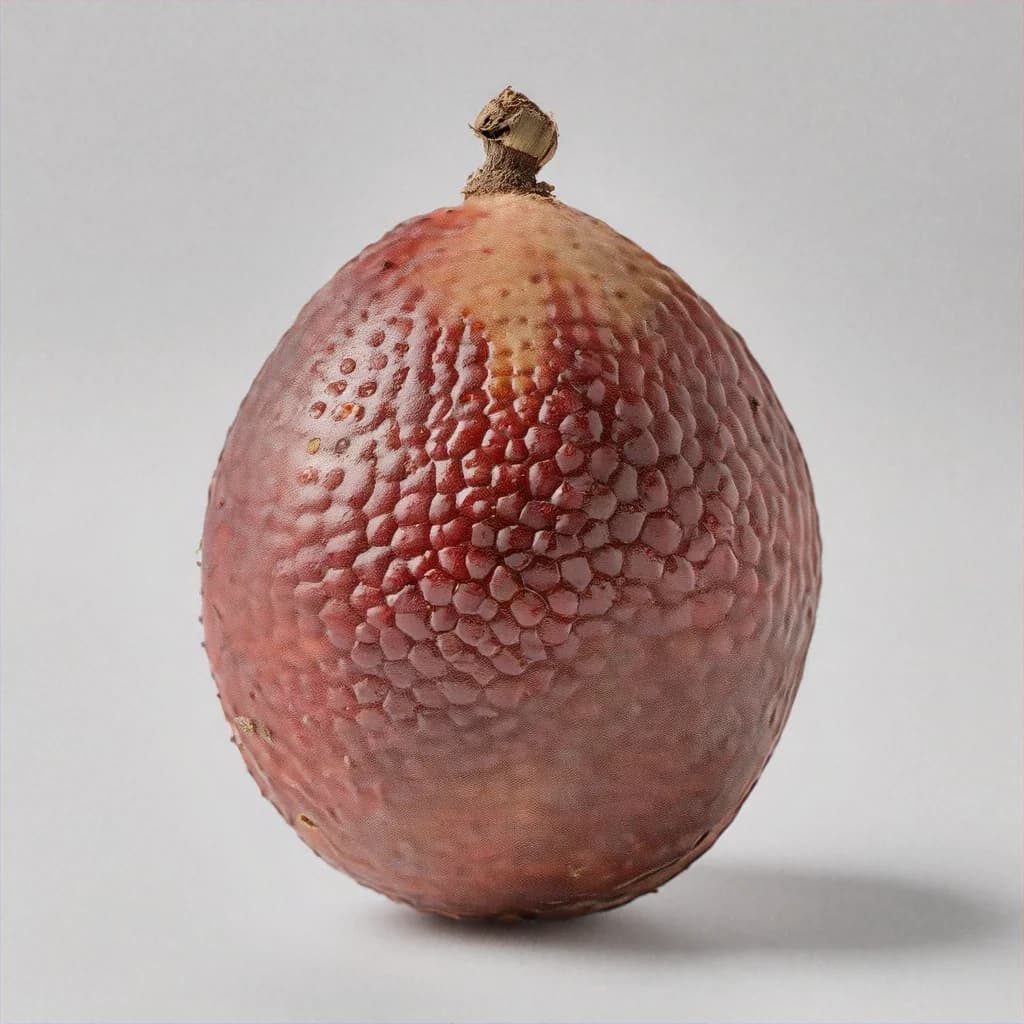
Mauritia flexuosa
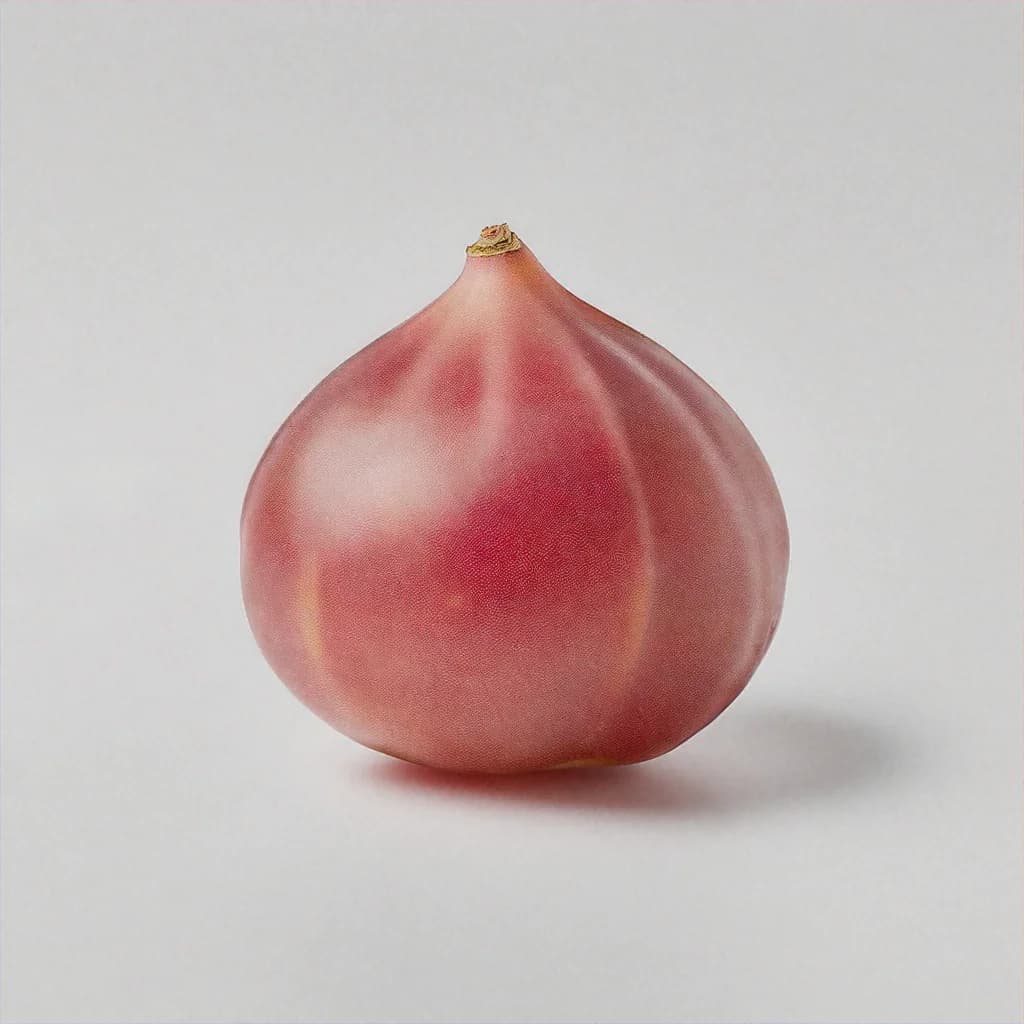
Buriti (Mauritia flexuosa) is a palm tree native to the tropical regions of South America, particularly in the Amazon rainforest. Known for its vibrant, reddish-orange fruit, buriti is often referred to as the 'tree of life' due to its diverse uses and nutritional benefits. The fruit is rich in essential vitamins, minerals, and antioxidants, making it a staple in traditional diets and modern health-conscious communities. Its pulp is often used in juices, desserts, and natural cosmetics, while its oil is prized for its anti-inflammatory and skin-nourishing properties. Buriti is not only a culinary delight but also a symbol of the rich biodiversity of the Amazon, playing a vital role in local ecosystems and economies.
Explore Buriti in stunning detail
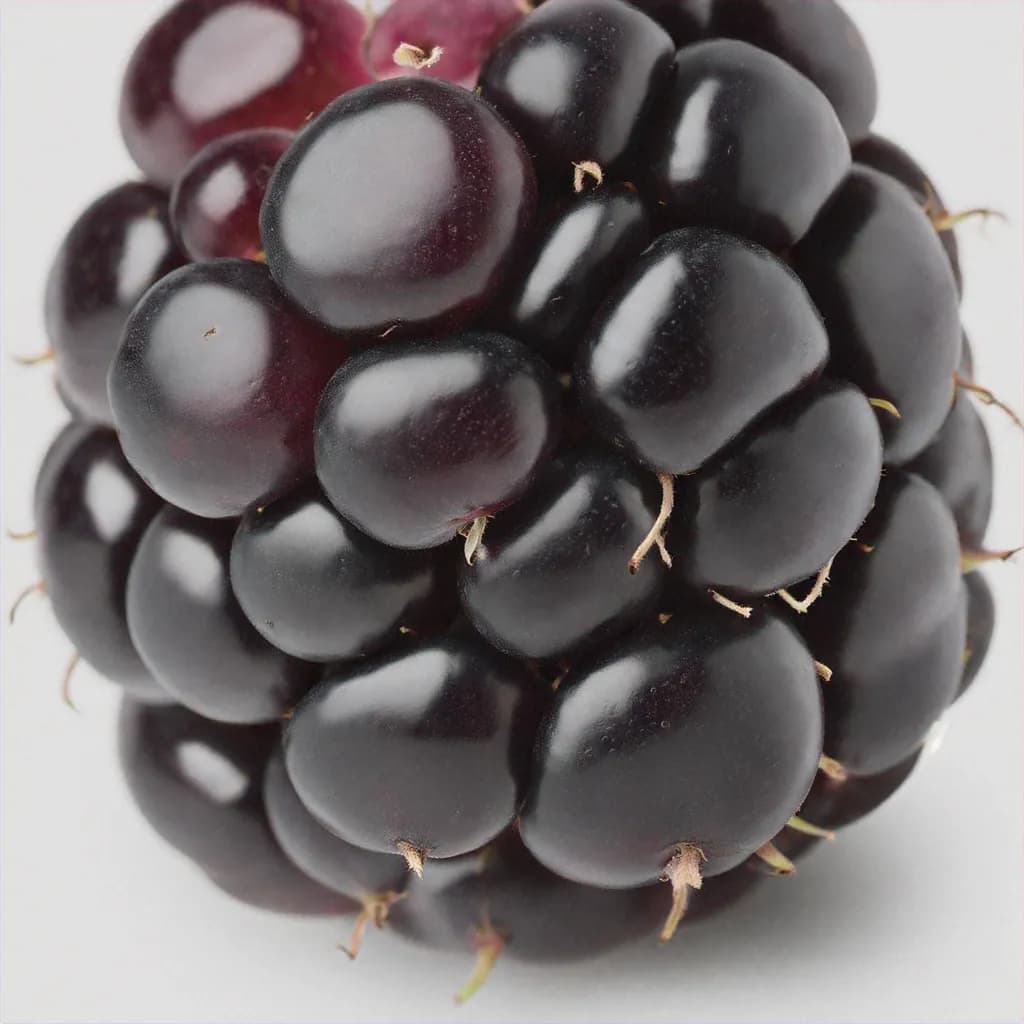
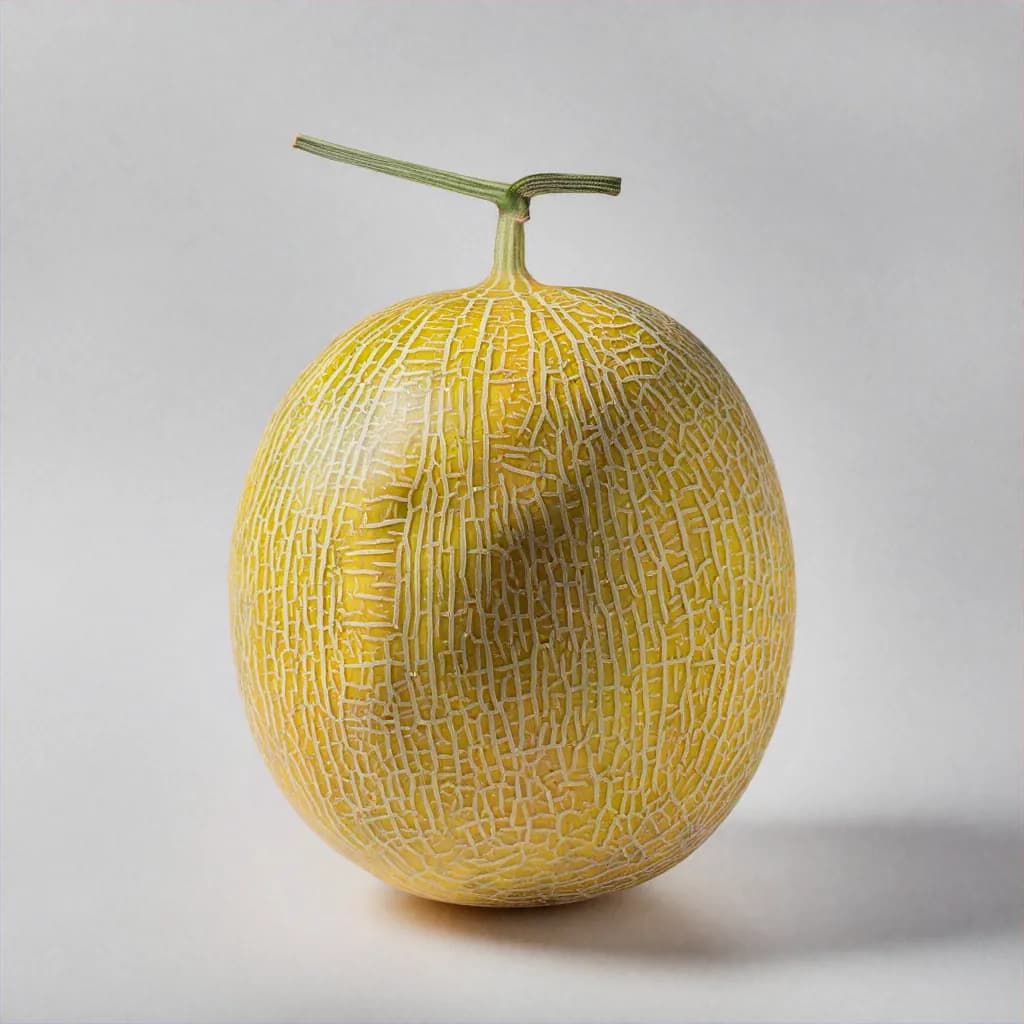
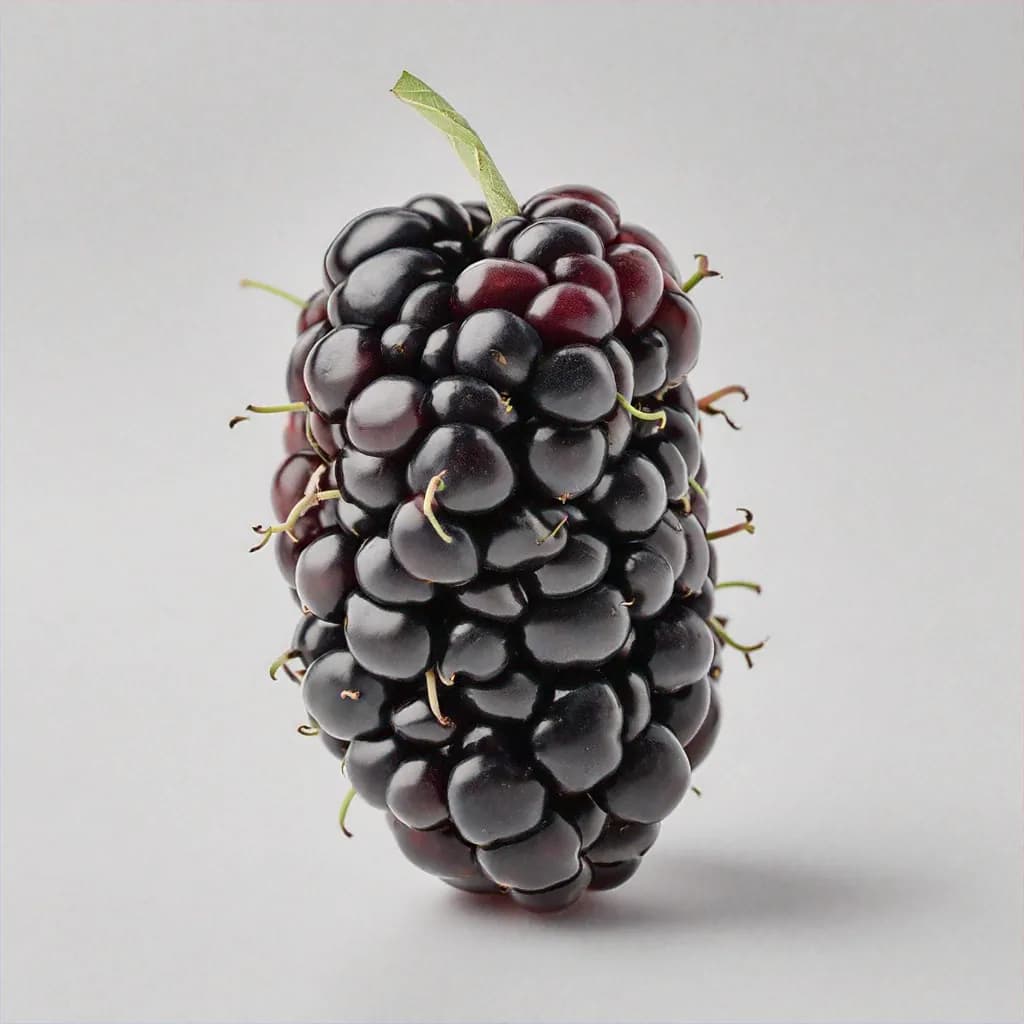
Buriti - Main View
Per 100g
Per 100g
Nutrition breakdown for one serving
Amazon Rainforest
Buriti has been a staple in indigenous Amazonian diets for centuries, used for its nutritional and medicinal properties. Its cultivation has expanded in recent years due to its growing popularity in the global market.
Year-round, with peak availability during the rainy season.
Each variety offers unique flavors, textures, and culinary applications
Keep your fruit fresh and delicious for longer
Look for bright, reddish-orange fruit with no bruises or soft spots.
Ensure the skin is firm and the fruit feels heavy for its size.
Store in a cool, dry place for up to 5 days.
Refrigerate to extend shelf life to 10-14 days.
Preserve freshness for months
Freeze whole or sliced buriti in an airtight container for up to 3 months.
Thaw in the refrigerator before use.
Label frozen items with the date to track freshness. Most fruits maintain quality for 2-3 months when properly frozen. For best results, use airtight containers or freezer bags to prevent freezer burn.
Discover delicious possibilities
Buriti is generally considered hypoallergenic, but individual sensitivities may occur.
Buriti is typically grown without pesticides, as it is often harvested from wild trees.
Surprising trivia you'll love!
Buriti is often called the 'tree of life' due to its versatility and nutritional value.
The fruit is rich in beta-carotene, giving it its distinctive reddish-orange color.
Buriti has a sweet and slightly tart flavor, often compared to a blend of carrot and mango.
A ripe buriti will have a vibrant reddish-orange color and a firm, slightly yielding texture.
Yes, buriti can be frozen whole or sliced for up to 3 months.
Buriti is commonly used in juices, smoothies, ice cream, and desserts, as well as in salads and yogurt.
While buriti contains natural sugars, it is also rich in fiber and antioxidants, making it a nutritious choice.
There are no known significant interactions, but consult a healthcare provider if you have concerns.
Buriti is considered sustainable, as it is often harvested from wild trees in the Amazon rainforest.
Sustainability insights
Buriti is considered a sustainable fruit, as it is often harvested from wild trees in the Amazon rainforest.
Low, as it is typically sourced locally in the Amazon region.
Moderate, as it relies on natural rainfall in its native habitat.
Locally sourced buriti has a lower environmental impact compared to imported varieties.
We aim to keep this Buriti profile accurate and easy to understand. Nutrition values and % Daily Value figures are based on established reference databases and standard daily value guidance.
Last updated: October 1, 2026
Medical disclaimer
This page is for general educational purposes and does not replace professional medical advice.
Found an issue? Contact us.