Loading Fruit Details...
Please wait while we fetch nutritional information and health benefits
Please wait while we fetch nutritional information and health benefits
Recommended Products
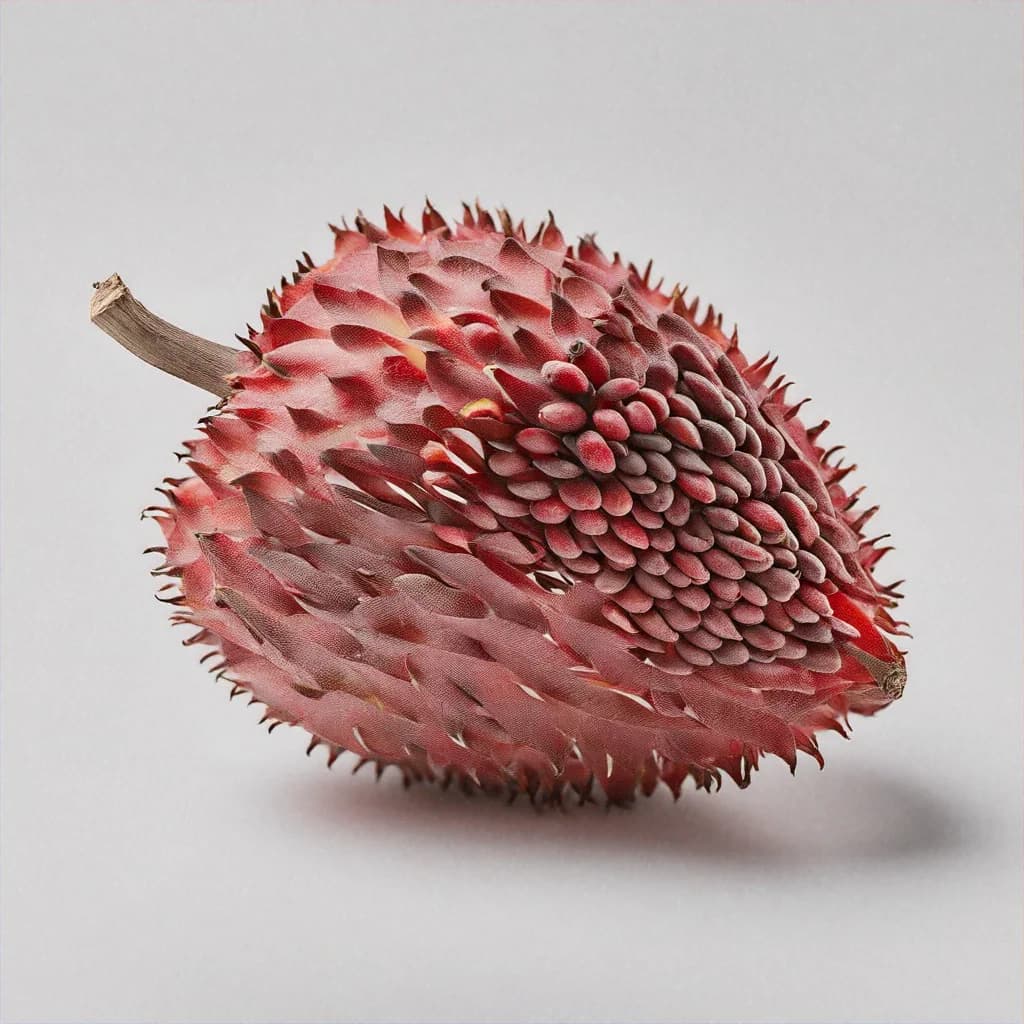
Bixa orellana
Achiote, scientifically known as Bixa orellana, is a vibrant tropical fruit native to Central and South America. It is often referred to as annatto and is celebrated for its striking reddish-orange hue, which comes from its outer seed coating. The fruit itself is heart-shaped and covered in short, stiff hairs. While the flesh is inedible, the seeds are highly valued for their coloring properties and are widely used as a natural food dye, imparting a rich, warm color to dishes. Achiote is also prized for its subtle, earthy flavor with hints of pepper and nutmeg. Beyond its culinary applications, achiote has a rich history in traditional medicine, where it has been used for its antioxidant and anti-inflammatory properties. Its versatility and cultural significance make it a fascinating ingredient in both culinary and medicinal contexts.
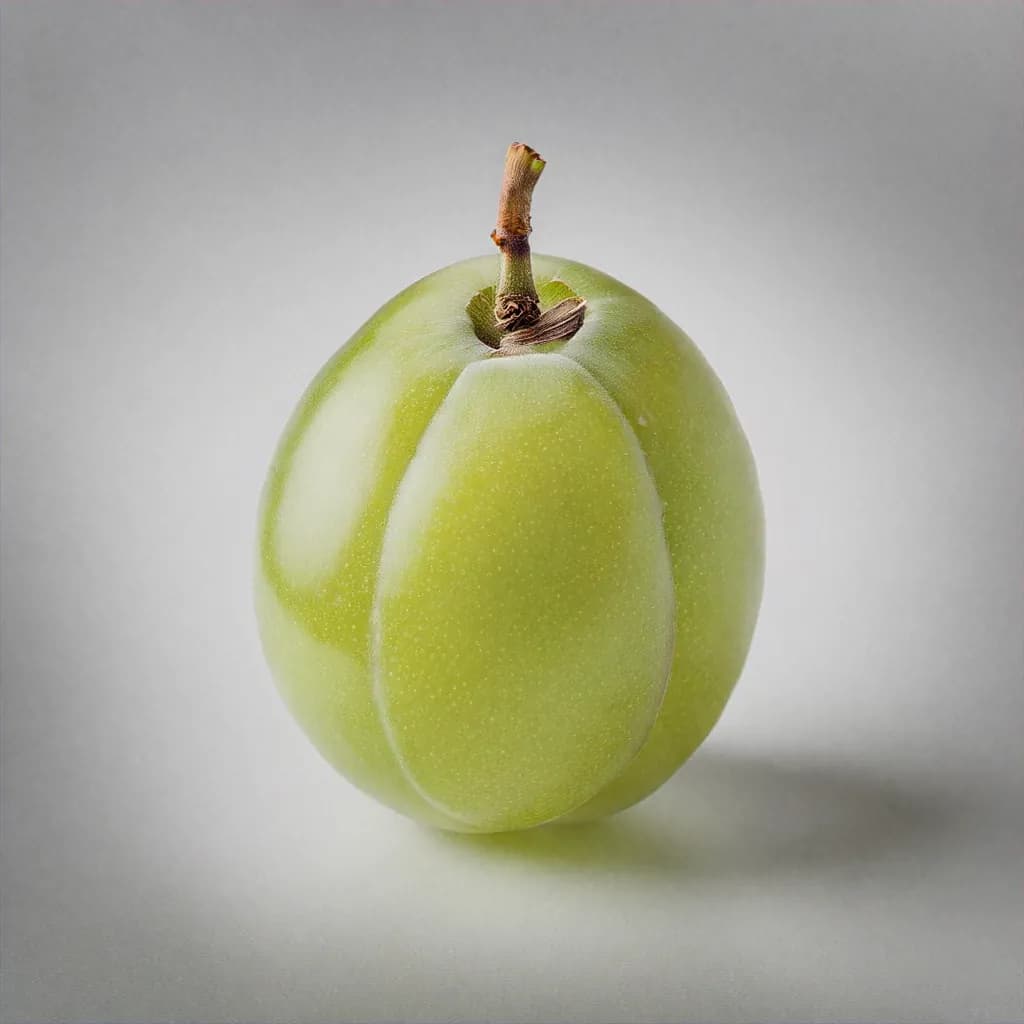
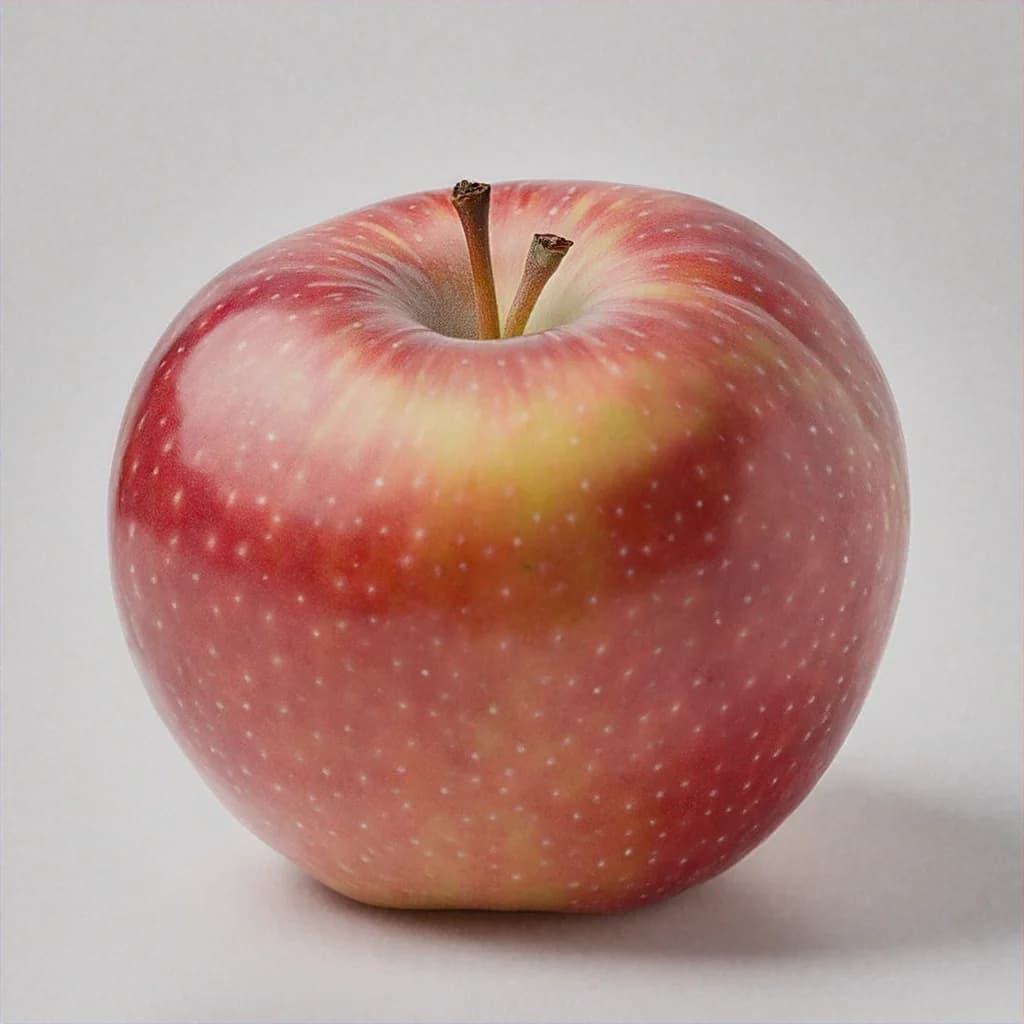
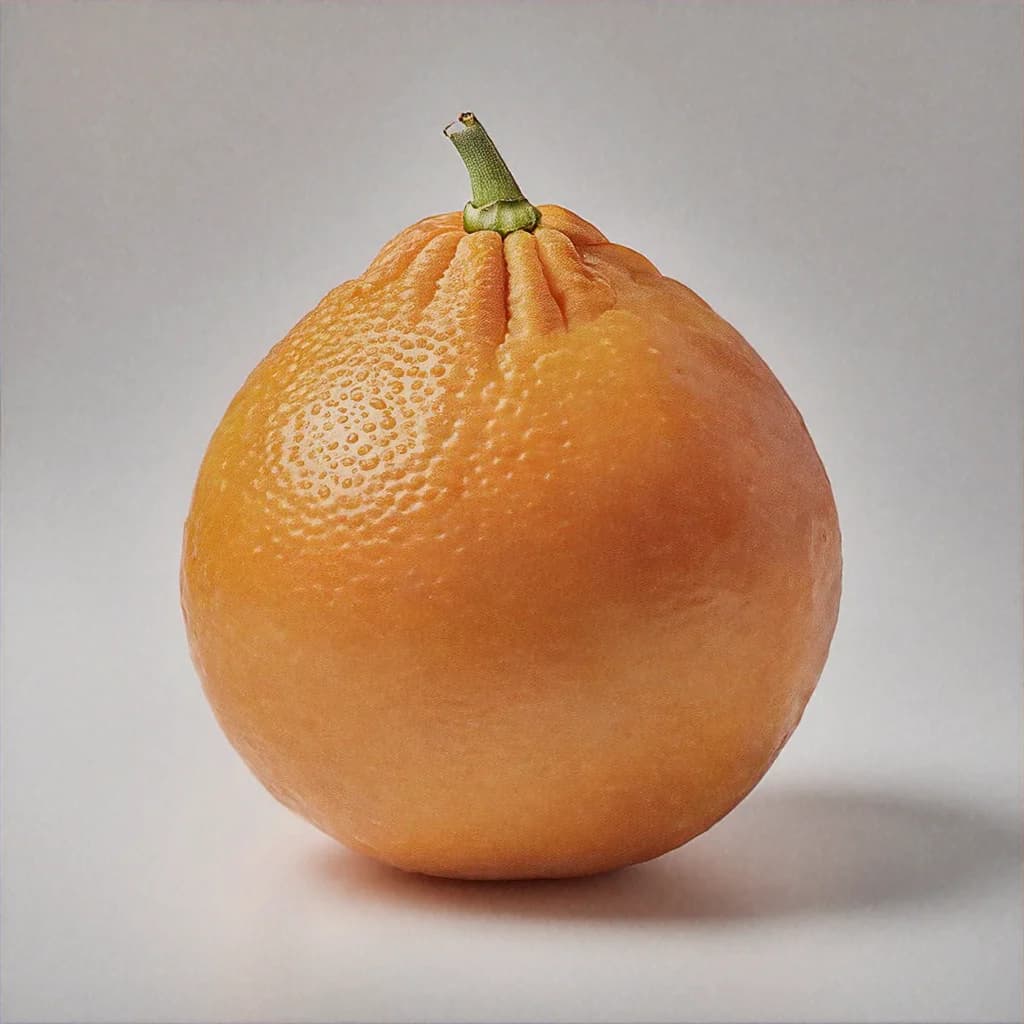
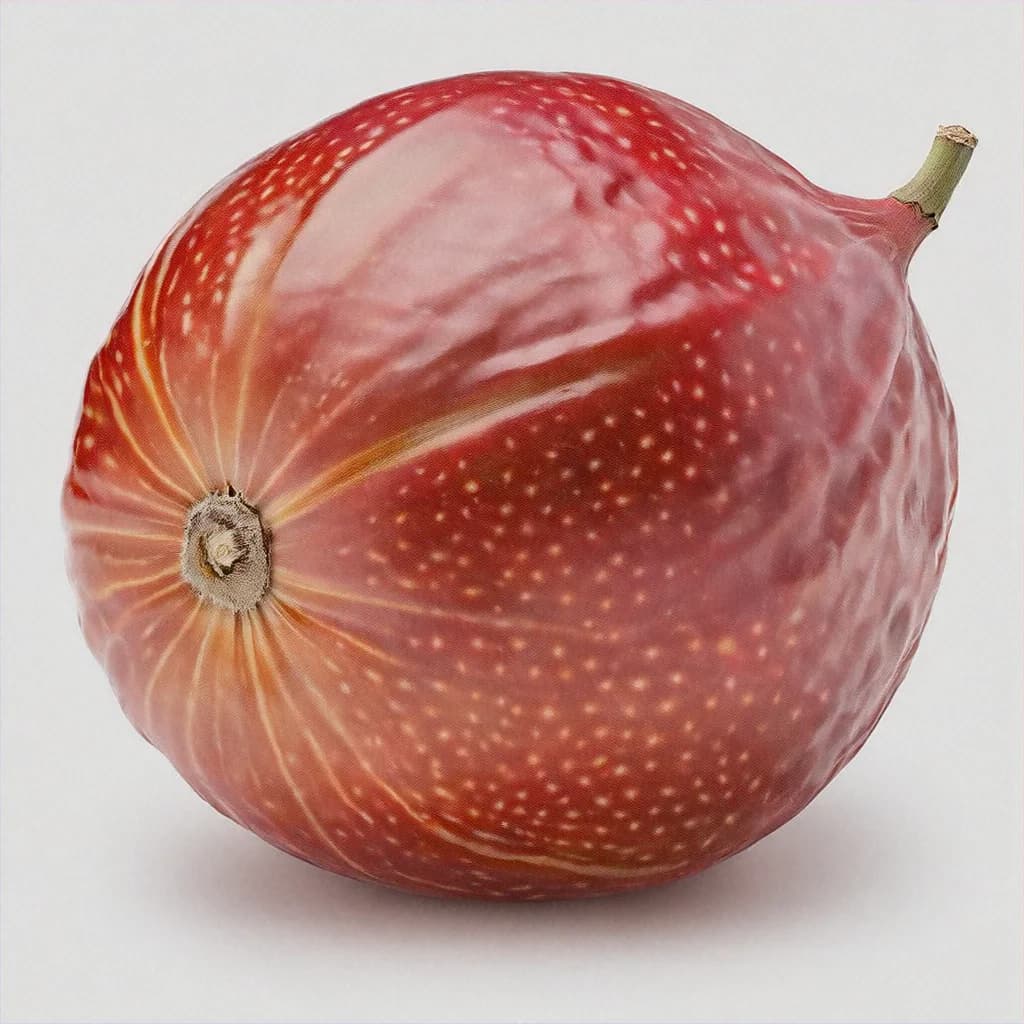
Explore Achiote in stunning detail
Achiote - Main View
Per 100g
Per 100g
Nutrition breakdown for one serving
Central and South America
Achiote has been used for centuries by indigenous cultures in Central and South America for its culinary and medicinal properties. It was introduced to Europe during the colonial period and has since been cultivated in tropical regions worldwide.
Year-round in tropical regions
Each variety offers unique flavors, textures, and culinary applications
Keep your fruit fresh and delicious for longer
Look for seeds that are bright orange-red in color.
Avoid seeds that are dull or have a musty smell.
Store achiote seeds in an airtight container.
Keep in a cool, dry place away from direct sunlight.
Preserve freshness for months
Freezing is not recommended for achiote seeds.
Store in a cool, dry place instead.
Label frozen items with the date to track freshness. Most fruits maintain quality for 2-3 months when properly frozen. For best results, use airtight containers or freezer bags to prevent freezer burn.
Discover delicious possibilities
Achiote may cause allergic reactions in sensitive individuals.
Generally low, but always wash seeds before use.
Surprising trivia you'll love!
Achiote is often referred to as the 'lipstick tree' due to its vibrant red seeds.
It has been used for centuries in traditional medicine to treat various ailments.
Achiote is primarily used as a natural food coloring and spice in culinary dishes.
Look for bright orange-red seeds that are free of mold or discoloration.
Store in an airtight container in a cool, dry place.
Achiote is used in marinades, rice dishes, and as a natural food dye.
Yes, achiote is rich in antioxidants, fiber, and vitamin E.
Achiote is generally safe, but some individuals may experience allergic reactions.
Yes, achiote can be infused into teas and tonics for added color and flavor.
Sustainability insights
Achiote is a sustainable crop that requires minimal water and pesticides.
Low carbon footprint due to minimal processing and transportation.
Moderate water usage, primarily in tropical regions.
Often imported, but locally grown in tropical regions.
We aim to keep this Achiote profile accurate and easy to understand. Nutrition values and % Daily Value figures are based on established reference databases and standard daily value guidance.
Last updated: September 28, 2026
Medical disclaimer
This page is for general educational purposes and does not replace professional medical advice.
Found an issue? Contact us.