Loading Fruit Details...
Please wait while we fetch nutritional information and health benefits
Please wait while we fetch nutritional information and health benefits
Recommended Products
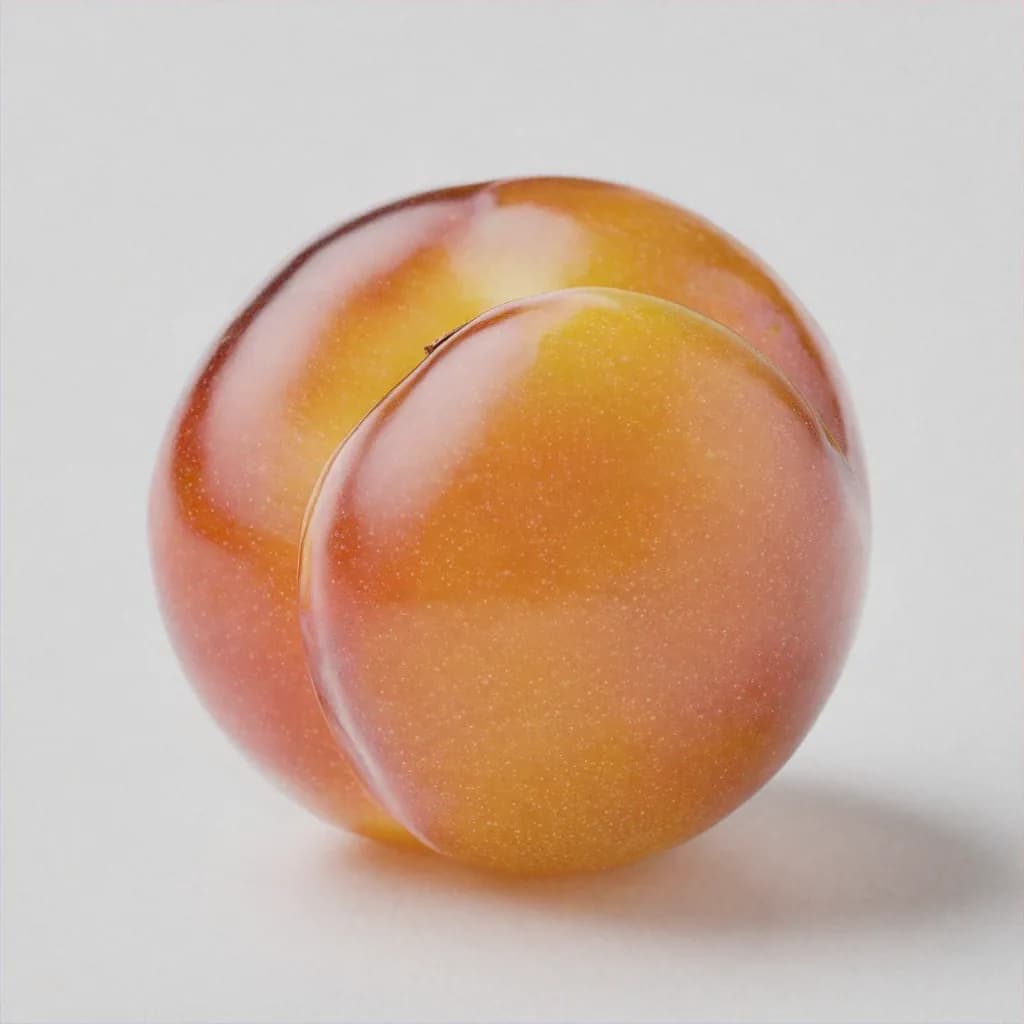
Prunus domestica subsp. syriaca
Mirabelle plum is a small, golden-yellow European plum renowned for its intense sweetness, delicate aroma, and exceptional culinary value. Often regarded as one of the finest dessert plums, mirabelle delivers natural sugars, dietary fiber, and a rich antioxidant profile dominated by polyphenols and carotenoids. Providing approximately 9.7 mg of vitamin C (11% DV per 100g), along with potassium, vitamin A precursors, and natural plant compounds, mirabelle plums support digestive health, cardiovascular wellness, and cellular protection. With moderate calories, very low fat, and high phytonutrient density, mirabelle plums are prized in gourmet cuisine, traditional European diets, and modern wellness nutrition.
Explore Mirabelle Plum in stunning detail
Mirabelle Plum - Main View
Per 100g
Per 100g
Nutrition breakdown for one serving
Europe (Lorraine region, France)
Mirabelle plums have been cultivated in Europe since the Middle Ages and are especially associated with the Lorraine region of France. Protected by geographical indication status in France, mirabelles are traditionally used in desserts, preserves, and distilled spirits. Their high natural sugar content and aromatic flesh have made them a symbol of regional heritage and premium fruit cultivation.
July–September
Each variety offers unique flavors, textures, and culinary applications
Keep your fruit fresh and delicious for longer
Choose plump fruits with bright golden color
Look for slight softness indicating ripeness
Avoid shriveled or bruised plums
Natural speckling is normal and desirable
Store unripe mirabelles at room temperature to ripen
Refrigerate ripe fruits to slow spoilage
Do not wash until ready to use
Consume quickly for best flavor
Preserve freshness for months
Pit before freezing
Freeze whole or halved on tray
Frozen mirabelles last up to 10 months
Ideal for baking and preserves
Label frozen items with the date to track freshness. Most fruits maintain quality for 2-3 months when properly frozen. For best results, use airtight containers or freezer bags to prevent freezer burn.
Discover delicious possibilities
Mirabelle plum allergies are rare but possible in stone-fruit–sensitive individuals.
Wash thoroughly before eating; organic options reduce pesticide exposure.
Surprising trivia you'll love!
Mirabelles are protected by geographic indication in France
Over 70% of the world’s mirabelles come from Lorraine
They are sweeter than most plums
Often distilled into traditional spirits
Harvest season is very short
Mirabelle plum is a small, sweet yellow plum traditionally grown in France, known for its rich aroma and dessert quality.
Yes, mirabelle plums provide antioxidants, fiber, vitamins, and minerals that support digestion, immunity, and heart health.
Mirabelle plums have an intensely sweet, honey-like flavor with floral notes.
Yes, mirabelle plums are among the sweetest plum varieties and are prized for desserts.
Yes, their dietary fiber helps promote healthy digestion and bowel regularity.
Yes, mirabelle plums are excellent eaten fresh due to their high natural sweetness.
They are used in desserts, jams, tarts, preserves, and traditional French dishes.
Mirabelle plums are typically harvested from late summer to early autumn.
Yes, like other plums, mirabelle plums contain a single pit.
Yes, their antioxidants and potassium help support cardiovascular health.
Yes, they are ideal for pies, cakes, tarts, and baked desserts.
Ripe mirabelle plums should be refrigerated and consumed within a few days.
Yes, mirabelle plums are relatively low in calories while being nutrient-dense.
Mirabelle plums originate from the Lorraine region of France and are protected by geographical indication.
Sustainability insights
Mirabelle cultivation supports traditional orchards and regional biodiversity.
Low when consumed locally and seasonally.
Moderate irrigation needs.
Local sourcing greatly reduces environmental impact.
We aim to keep this Mirabelle Plum profile accurate and easy to understand. Nutrition values and % Daily Value figures are based on established reference databases and standard daily value guidance.
Last updated: September 18, 2026
Medical disclaimer
This page is for general educational purposes and does not replace professional medical advice.
Found an issue? Contact us.